

- Medicines
- Personal Care
- Skin Cream
- Sunscreen
- Face Wash
- Skin and Body Soap
- Acne Care
- Body Lotions
- Moisturising Lotion
- Moisturising Cream
- Mosquito Repellent
- Moisturising Gel
- Body Wash
- Hair Oils
- Hair Shampoo
- Hair Conditioners
- Hair Supplements
- Hair Colour
- Hair Serum
- Hair Mask
- Hair Solutions
- Baby Diapers and Wipes
- Baby Lotion and Moisturising Cream
- Baby Bath Essentials
- Baby Skin Care
- Baby and Infant Food
- Baby Healthcare
- Women Multivitamins
- Ovulation Test Kit and Women Intimate Care
- Sanitary Pads
- Nutritional Drinks
- Condoms
- Lubricants
- Massage Gels
- Personal Body Massagers
- Men Performance Booster
- Sexual Health Supplements
- Massage Oils
- Ayurveda
- Tooth Paste
- Mouth Ulcer Gel
- Mouthwash
- Toothache and Gum Pain
- Tooth Brush
- Gargle Solution
- Orthopaedic Supports
- Adult Diapers
- Footwear
- Mobility and Support Accessories
- Urinary Support and Care
- Health Conditions
- Bone and Joint Care
- Digestive Care
- Eye Care
- Pain Relief
- Smoking Cessation
- Liver Care
- Stomach Care
- Cold and Cough
- Heart Care
- Kidney Care
- Piles, Fissures & Fistula
- Respiratory Care
- Mental Wellness
- Derma Care
- Pre and Probiotics
- Acidity
- Gas
- Constipation
- Loose Motion/Diarrhoea
- Digestive Fibres
- Digestive Enzymes
- Eye Lubricant Drops
- Lens Solution
- Safety Eye Wear
- Eye Cream
- Eye Vitamins and Supplements
- Eye Drops
- Eye Ointment and Gel
- Nicotine Patch
- Nicotine Gum
- Nicotine Lozenges
- Cough Syrups
- Chest Rubs and Balms
- Nasal Spray
- Lozenges
- Inhalant Capsules
- Cold and Cough Tablets
- Vitamins & Supplements
- Diabetes Care
- Healthcare Devices
- Homeopathic Medicine
- Health Guide
Myeloid Leukaemia
Myeloid leukaemia is a type of blood cancer that affects the myeloid line of blood cells, characterised by the rapid growth of abnormal cells in the bone marrow. It interferes with the production of normal blood cells, leading to various symptoms and complications. The two main types of myeloid leukaemia are acute myeloid leukaemia (AML) and chronic myeloid leukaemia (CML), with AML being the more aggressive form.
 50
50Last updated on : 29 Apr, 2026
Read time : 15 mins
Overview of Disease
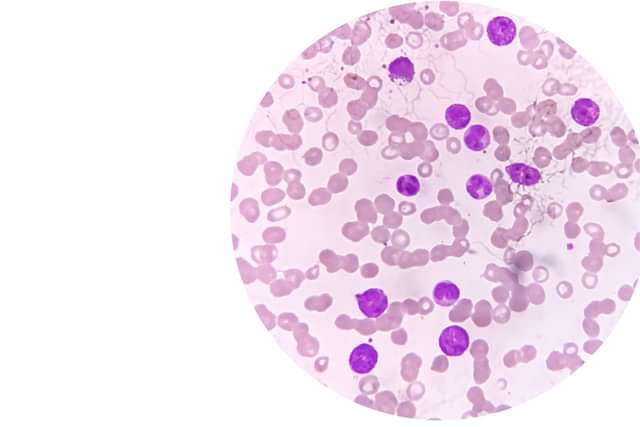
Myeloid leukaemia is a serious condition that develops when the normal process of blood cell production is disrupted. It occurs when abnormal myeloid cells, which are precursors to red blood cells, platelets, and certain types of white blood cells, grow uncontrollably in the bone marrow. This uncontrolled growth interferes with the production of healthy blood cells, leading to a range of symptoms and complications.
What is Myeloid Leukaemia?
Myeloid leukaemia is an umbrella term for leukaemias arising from the myeloid lineage of blood cells and includes both acute myeloid leukaemia (AML) and chronic myeloid leukaemia (CML). AML is an aggressive disease characterised by the rapid accumulation of immature myeloid blasts in the bone marrow and blood. CML is a myeloproliferative neoplasm driven by the BCR-ABL1 fusion (the Philadelphia chromosome) and typically has chronic, accelerated, and blast phases (Hochhaus et al., 2020). In this condition, the bone marrow produces abnormal myeloid cells, known as blasts, which accumulate in the bone marrow and blood.
These blasts fail to mature properly and cannot function like normal blood cells. As the number of blasts increases, they disrupt the production of healthy red blood cells, white blood cells, and platelets, leading to symptoms of myeloid leukaemia such as anaemia, recurrent infections, and easy bruising or bleeding. A diagnosis of acute myeloid leukaemia (AML) is made through various tests, including blood tests, bone marrow aspiration, and biopsy.
Key Factors about Myeloid Leukaemia
| Category | Details |
| Also Referred to as | Acute myelocytic leukaemia, acute myelogenous leukaemia, acute granulocytic leukaemia, acute nonlymphocytic leukaemia |
| Commonly Occurs In | People aged 60 and older, as well as younger adults and children |
| Affected Organ | Bone marrow and blood are primarily affected. Extramedullary involvement (e.g., spleen, liver) is common, and central nervous system or testicular involvement can occur but is relatively uncommon in AML except in specific subtypes or advanced disease; CNS involvement is more of a concern in lymphoid leukaemias and selected AML presentations. CML typically presents with splenomegaly and high white blood cell counts driven by BCR-ABL1. |
| Type | Acute, chronic |
| Common Signs | Fever, bone pain, lethargy, fatigue, shortness of breath, pale skin, frequent infections, easy bruising, unusual bleeding (nosebleeds, bleeding from the gums) |
| Consulting Specialist | Haematologist, Oncologist |
| Treatment Procedures | Chemotherapy, targeted therapy, radiation therapy, stem cell transplantation (allogeneic or autologous) |
| Managed By | Systemic therapies (cytotoxic chemotherapy, hypomethylating agents, targeted small molecules), immunotherapy/antibody-drug conjugates where indicated, and haematopoietic stem cell transplantation (HSCT) (primarily allogeneic HSCT for curative intent). HSCT is not a conventional “surgical” procedure but a cellular transplant procedure performed with conditioning regimens and specialised supportive care |
| Mimicking Condition | Aplastic anaemia, myelodysplastic syndromes (MDS), chronic myelomonocytic leukaemia (CMML) |
Types of Myeloid Leukaemia
Myeloid leukaemia can be classified into several subtypes based on the type of cell affected and the degree of maturity of the cancer cells. The main subtypes of myeloid leukaemia include:
- Acute myeloid leukaemia (AML): AML is a rapidly progressing form of myeloid leukaemia, characterised by the presence of immature, abnormal myeloid cells called myeloblasts. These cells multiply quickly and accumulate in the bone marrow and blood, crowding out healthy blood cells. AML is a heterogeneous disease that usually requires prompt diagnostic workup and risk-adapted therapy. AML is defined by ≥20% blasts in the bone marrow or peripheral blood, or by certain defining cytogenetic abnormalities (for example, t(15;17) PML-RARA). Acute promyelocytic leukaemia (APL, t(15;17)) is a distinct, highly curable AML subtype that is treated with all-trans retinoic acid (ATRA) plus arsenic trioxide (ATO) for most patients rather than conventional cytotoxic induction chemotherapy. Auer rods may be seen in myeloblasts, but diagnosis and treatment decisions are driven by morphology, cytogenetics, and molecular results (NCCN, 2024).
- Chronic myeloid leukaemia (CML): CML is a slower-growing form of myeloid leukaemia compared to AML. It is characterised by the presence of more mature, but still abnormal, myeloid cells in the bone marrow and blood. CML typically progresses gradually over months or years, and patients may not experience symptoms in the early stages of the disease.
Symptoms of Myeloid Leukaemia
Myeloid leukaemia, particularly acute myeloid leukaemia (AML), presents with a variety of symptoms that can be non-specific and similar to those of other illnesses. Some of the common symptoms include:
- Fatigue and weakness: Patients often experience significant fatigue due to anaemia (a deficiency of red blood cells), which can lead to reduced oxygen delivery to tissues.
- Frequent infections: Due to a decrease in functional white blood cells, individuals may find themselves more susceptible to infections, often experiencing recurrent or severe infections.
- Easy bruising or bleeding: Myeloid leukaemia can cause a shortage of platelets (thrombocytopenia), leading to easy bruising, prolonged bleeding from minor cuts, or spontaneous bleeding, such as nosebleeds or gum bleeding.
- Weight loss: Unexplained weight loss can occur as the body struggles to cope with the disease and its effects on metabolism.
- Fever and night sweats: Patients may experience persistent fevers and night sweats, which can be related to the body’s immune response to the cancer.
- Bone pain: Some people may experience bone pain or discomfort, which may be due to the proliferation of abnormal cells in the bone marrow.
- Swollen lymph nodes: Enlarged lymph nodes may occur, although less commonly in AML compared to lymphoid malignancies, as the body attempts to fight off the disease or due to the infiltration of leukaemia cells.
- Pale skin: Pallor can result from anaemia, leading to a noticeable decrease in skin colour.
- Shortness of breath: As the condition progresses and red blood cell levels drop, individuals may experience difficulty breathing, especially during exertion.
- Abdominal discomfort: An enlarged spleen or liver may cause discomfort or a feeling of fullness in the abdomen.
Causes of Myeloid Leukaemia
The exact cause of myeloid leukaemia is not fully understood, but several factors are believed to contribute to its development. These include:
- Genetic mutations: Acquired mutations in the DNA of blood cells play a significant role in the onset of myeloid leukaemia. These mutations can occur over time and are often linked to specific genes such as FLT3, NPM1, and TP53. Additionally, inherited genetic conditions like Down syndrome or Fanconi anaemia can increase the risk of developing leukaemia.
- Environmental exposures: High levels of radiation, such as from radiation therapy for other cancers, and chemical exposure to benzene—found in tobacco smoke and industrial emissions—can increase the risk of developing leukaemia.
- Age: Age is a significant factor, as myeloid leukaemia is more commonly diagnosed in older adults. The risk increases markedly after the age of 60.
- Smoking: Tobacco use is a well-established risk factor for various cancers, including myeloid leukaemia. The harmful substances in tobacco can contribute to the mutations that lead to cancer development.
- Chronic blood disorders: Conditions such as myelodysplastic syndromes or polycythemia vera can predispose individuals to the development of myeloid leukaemia. These disorders often involve abnormalities in blood cell production.
- Immune system disorders: While severe immune suppression is associated with a higher risk for some haematologic malignancies, the direct causal link between routine immunosuppression and AML is less well established than for certain lymphoid malignancies. Established risk factors for myeloid malignancies include prior cytotoxic chemotherapy, radiation exposure, benzene exposure, age, and antecedent myeloid neoplasms (e.g., MDS).
Risk Factors
Several factors have been identified that can increase an individual's risk of developing myeloid leukaemia, including:
- Certain genetic conditions, such as Fanconi anaemia and Down syndrome
- Age (over 60 years)
- Previous chemotherapy or radiation therapy
- Exposure to certain chemicals, such as benzene
- Smoking
- Having other blood disorders, such as myelodysplastic syndromes or myeloproliferative neoplasms
Prevention of Myeloid Leukaemia
While myeloid leukaemia cannot be prevented, certain measures can help reduce the risk and promote overall health. These include:
- Balanced nutrition: A balanced diet rich in fruits, vegetables, whole grains, and lean proteins can support immune health. Antioxidant-rich foods may help reduce oxidative stress.
- Physical activity: Regular exercise is linked to better overall health and may lower cancer risk. Aim for at least 150 minutes of moderate exercise weekly.
- Smoking cessation: Tobacco use is a known risk factor for many cancers, including leukaemia. Quitting smoking can significantly reduce health risks.
- Limit alcohol consumption: Excessive alcohol intake can weaken the immune system and may increase cancer risk.
- Limit chemical exposure: Limit exposure to industrial chemicals and solvents such as benzene, which is associated with an increased risk of leukaemia.
- Limit radiation exposure: Minimise unnecessary medical imaging that involves radiation and avoid environments with high radiation levels.
- Manage chronic conditions: Effectively manage chronic illnesses, such as diabetes or autoimmune disorders, as they may increase the risk of leukaemia.
- Infection prevention: There are no definitive measures that prevent AML in individuals at the population level. Minimising known exposures (e.g., benzene, unnecessary ionising radiation) and avoiding tobacco are reasonable risk-reduction strategies. Vaccinations and hygiene prevent infections and protect immunocompromised patients, but there is no evidence that routine vaccination prevents the development of myeloid leukaemias.
Diagnosis & Tests
Diagnosing myeloid leukaemia involves a combination of clinical evaluation, laboratory tests, and imaging studies. The diagnostic tests may include:
- Diagnostic threshold: A diagnosis of AML is typically made when the bone marrow or peripheral blood contains ≥20% myeloblasts, unless there is a WHO-defining cytogenetic abnormality (for example, t(15;17), t(8;21), inv(16)), in which case the diagnosis can be made at lower blast counts. These criteria guide urgent treatment decisions (Döhner et al., 2022).
- Medical history and physical examination: The diagnostic process begins with a comprehensive medical history and physical examination. Doctors will ask about symptoms such as fatigue, unexplained bruising, frequent infections, and weight loss. During the physical exam, they will check for signs of leukaemia, including swollen lymph nodes and enlargement of the liver or spleen.
- Blood tests: A complete blood count (CBC) assesses levels of red blood cells, white blood cells, and platelets, with abnormal results potentially indicating leukaemia.
- Bone marrow biopsy: This involves extracting a sample of bone marrow, typically from the hip bone, to evaluate the types and concentrations of cells. This test helps confirm the presence of leukaemic cells and assess the disease's extent.
- Cytogenetic testing: Cytogenetic testing involves chromosomal analysis to identify genetic mutations or abnormalities associated with myeloid leukaemia.
- Flow cytometry: Flow cytometry is utilised to analyse the characteristics of cells in a blood sample. This test aids in classifying leukaemia and determining its specific type by identifying distinct cell surface markers.
- Imaging tests: Imaging tests, such as computed tomography (CT) scans or X-rays, may be employed to check for enlarged organs or lymph nodes and to assess any potential complications arising from the disease.
- Molecular testing: Molecular testing focuses on a panel of recurrent gene mutations with prognostic and therapeutic implications (for example, FLT3-ITD/TKD, NPM1, CEBPA, IDH1, IDH2, TP53, RUNX1, and others). Results inform risk stratification (ELN 2022) and selection of targeted therapies (e.g., FLT3 inhibitors, IDH inhibitors) or transplant recommendation.
- Lumbar puncture (spinal tap): In cases where central nervous system involvement is suspected, a lumbar puncture may be performed. This test analyses cerebrospinal fluid for the presence of leukemic cells, helping to assess the extent of the disease.
Treatment & Management
Treatment is guided by disease type (AML vs CML), patient fitness, genetic/cytogenetic risk, and treatment goals (curative vs palliative). Below are the commonly used, evidence-based classes and examples:
1. Acute Myeloid Leukaemia (AML)
- Intensive induction chemotherapy (fit patients): Typical backbone is cytarabine plus an anthracycline (commonly called “7+3”: cytarabine continuous infusion for 7 days plus daunorubicin for 3 days). For certain subtypes or age/fitness groups, regimens vary.
- Targeted agents added to induction/consolidation: For newly diagnosed FLT3-mutated AML, midostaurin is used in combination with induction chemotherapy; other FLT3 inhibitors (e.g., gilteritinib, quizartinib) are used in relapsed/refractory settings or in trials.
- Low-intensity regimens (unfit/older patients): Hypomethylating agents (azacitidine or decitabine) plus venetoclax is now a standard option for many older or unfit patients (NCCN, 2024).
- APL (acute promyelocytic leukaemia): Most patients are treated with ATRA + arsenic trioxide (ATO) (curative approach) with or without anthracycline in selected situations — this is distinct from standard AML induction.
- Relapsed/refractory or molecularly defined AML: Use of gilteritinib for FLT3-mutated relapsed AML; ivosidenib for IDH1-mutated AML; enasidenib for IDH2-mutated AML; gemtuzumab ozogamicin (anti-CD33 antibody-drug conjugate) for CD33+ disease in selected settings. Clinical trials are appropriate for many relapsed cases.
- Allogeneic hematopoietic stem cell transplantation (HSCT): Considered for fit patients with high-risk disease or in relapse; allogeneic HSCT offers the best chance of cure for many high-risk AML patients.
2. Chronic Myeloid Leukaemia (CML)
- BCR-ABL1 tyrosine kinase inhibitors (TKIs): First-line therapy for chronic-phase CML is a TKI (imatinib, dasatinib, nilotinib, bosutinib, or ponatinib, depending on patient factors and mutation profile). Treatment aims to achieve durable molecular responses (BCR-ABL1 transcript reduction) and prevent progression to accelerated/blast phase. Discontinuation of TKI may be considered in well-selected patients who achieve deep molecular responses with careful monitoring (Hochhaus et al., 2020).
3. Supportive care and complications management (all patients)
- Transfusion support for symptomatic anaemia and thrombocytopenia.
- Prompt treatment of infections and prophylaxis where indicated (e.g., antifungal prophylaxis during prolonged neutropenia).
- Growth factor support (G-CSF) is selectively used according to guidelines.
- Management of tumour lysis syndrome for high-burden disease.
Note: Many older agents listed in non-AML-specific contexts (e.g., vincristine, cyclophosphamide, purine analogues like thioguanine, or pemigatinib) are not standard frontline therapies for typical adult AML; some are used in specific syndromes or pediatric/lymphoid leukaemias, or in clinical trials. Treatment should follow guideline-driven, mutation-directed approaches where available.
Living with Disease
Living with myeloid leukaemia, particularly acute myeloid leukaemia (AML), can be challenging both physically and emotionally. Here are a few points to consider:
- Stay informed about your specific type of myeloid leukaemia and its treatment options. Do not hesitate to ask your doctor questions.
- Attend all scheduled medical appointments and follow-ups to closely monitor your condition and adjust treatment as needed.
- For CML patients, routine molecular monitoring of BCR-ABL1 transcript levels by quantitative PCR (qPCR) is essential to guide TKI therapy and consider treatment-free remission attempts (NCCN, 2024).
- For AML patients, post-remission monitoring includes bone marrow evaluation and molecular/cytogenetic MRD (minimal/measurable residual disease) testing, where applicable, to guide consolidation and transplant decisions.
- Report any new or worsening symptoms to your doctor promptly. Common myeloid leukaemia symptoms include fatigue, fever, easy bruising or bleeding, and bone pain.
- Adhere to your prescribed treatment plan. If you experience side effects, discuss them with your doctor to find ways to manage them effectively.
- Take care of your overall health by eating a balanced diet, staying hydrated, getting enough rest, and engaging in light physical activity as tolerated.
- Seek emotional support from loved ones, support groups, or mental health professionals to cope with the psychological impact of living with leukaemia.
When to See a Doctor?
If you experience any symptoms suggestive of myeloid leukaemia, such as persistent fatigue, unexplained weight loss, recurrent infections, easy bruising or bleeding, shortness of breath, or bone pain, it's important to see a doctor promptly for evaluation. Additionally, if you have already been diagnosed with AML or CML and notice any changes in your symptoms, side effects from treatment, or overall health status, do not hesitate to contact your doctor.
Key Takeaways
- Myeloid leukaemia is a type of blood cancer that affects the myeloid cells in the bone marrow.
- The two main types of myeloid leukaemia are chronic myeloid leukaemia (CML) and acute myeloid leukaemia (AML).
- Symptoms of myeloid leukaemia can include fatigue, weight loss, fever, and easy bruising or bleeding.
- Diagnosis of myeloid leukaemia typically involves blood tests, bone marrow aspiration and biopsy, and genetic testing.
- Treatment for myeloid leukaemia depends on the type and stage of the disease but may include targeted therapy, chemotherapy, and stem cell transplantation.
- The prognosis for myeloid leukaemia varies depending on factors such as age, overall health, and response to treatment, but advances in targeted therapies have improved outcomes for many patients.
- Living with myeloid leukaemia requires ongoing management, follow-up care, and support for both physical and emotional well-being.
FAQs
What is myeloid leukaemia?
Myeloid leukaemia is a blood cancer that starts in the bone marrow's myeloid cells, which normally develop into red blood cells, certain white blood cells, and platelets.
Is myeloid leukaemia serious?
Myeloid leukaemia is a serious condition. Acute myeloid leukaemia (AML) progresses rapidly and can cause severe complications, while chronic myeloid leukaemia (CML) requires proper management to avoid health issues.
What is the difference between leukaemia and myeloid leukaemia?
Leukaemia is a broad term for cancers of the blood and bone marrow, while myeloid leukaemia specifically refers to cancers that affect myeloid cells, which produce red blood cells, white blood cells, and platelets.
Why is it called myeloid leukaemia?
The name "myeloid leukaemia" stems from its origin in the bone marrow's myeloid cells, which are responsible for producing various blood cells.
What is another name for myeloid?
Myeloid leukaemia is also referred to as myelocytic, myelogenous, or non-lymphocytic leukaemia.
What are the 5 stages of acute myeloid leukaemia?
What is the main cause of acute myeloid leukaemia?
What does myeloid mean?
What are the four types of leukaemia?
Can myeloid leukaemia cause death?
References
- Döhner, H., Wei, A. H., Appelbaum, F. R., et al. (2022). Diagnosis and management of AML in adults: 2022 recommendations from an international expert panel on behalf of the European LeukemiaNet (ELN). Blood, 140(12), 1345–1377. https://doi.org/10.1182/blood.2022016867
- National Comprehensive Cancer Network. (2024). NCCN Clinical Practice Guidelines in Oncology: Acute Myeloid Leukemia (Version 3.2024). NCCN. Available from: https://www.nccn.org/guidelines/guidelines-detail?category=1&id=1411
- Hochhaus, A., Baccarani, M., Silver, R. T., et al. (2020). European LeukemiaNet 2020 recommendations for treating chronic myeloid leukemia. Leukemia, 34, 966–984. https://doi.org/10.1038/s41375-020-0776-2
- Shah, N. P., Kantarjian, H. M., & Cortes, J. E. (2024). Chronic myeloid leukemia — NCCN Guidelines Insights (Version 2.2024). Journal of the National Comprehensive Cancer Network, 22(1), 43–58. (NCCN CML guideline summary). https://pubmed.ncbi.nlm.nih.gov/38394770/
- Shimony, S., Medeiros, B. C., & Alonzo, T. A. (2023). Acute myeloid leukemia: 2023 update on diagnosis, risk stratification, and management. American Journal of Hematology, 98(6), 635–652. https://doi.org/10.1002/ajh.26822
Check Related Salts
Latest health articles

Top Health Essentials



























Disclaimer
Top-Selling Medicines:
...View more
Top-OTC medicines:
...View more
Company
About UsHealth ArticleHealth StoriesHealth LibraryDiseases & Health ConditionsAyurvedaUnderstanding Generic MedicinesAll MedicinesAll BrandsNeed HelpFAQSecuritySavings CalculatorAdvertise with UsSubscribe
Registered Office Address
Grievance Officer
Download Truemeds


Contact Us
Our customer representative team is available 7 days a week from 9 am - 9 pm.
v4.28.13

2026 - Truemeds | All rights reserved. Our content is for informational purposes only. See additional information.

Our Payment Partners




