

- Medicines
- Personal Care
- Skin Cream
- Sunscreen
- Face Wash
- Skin and Body Soap
- Acne Care
- Body Lotions
- Moisturising Lotion
- Moisturising Cream
- Mosquito Repellent
- Moisturising Gel
- Body Wash
- Hair Oils
- Hair Shampoo
- Hair Conditioners
- Hair Supplements
- Hair Colour
- Hair Serum
- Hair Mask
- Hair Solutions
- Baby Diapers and Wipes
- Baby Lotion and Moisturising Cream
- Baby Bath Essentials
- Baby Skin Care
- Baby and Infant Food
- Baby Healthcare
- Women Multivitamins
- Ovulation Test Kit and Women Intimate Care
- Sanitary Pads
- Nutritional Drinks
- Condoms
- Lubricants
- Massage Gels
- Personal Body Massagers
- Men Performance Booster
- Sexual Health Supplements
- Massage Oils
- Ayurveda
- Tooth Paste
- Mouth Ulcer Gel
- Mouthwash
- Toothache and Gum Pain
- Tooth Brush
- Gargle Solution
- Orthopaedic Supports
- Adult Diapers
- Footwear
- Mobility and Support Accessories
- Urinary Support and Care
- Health Conditions
- Bone and Joint Care
- Digestive Care
- Eye Care
- Pain Relief
- Smoking Cessation
- Liver Care
- Stomach Care
- Cold and Cough
- Heart Care
- Kidney Care
- Piles, Fissures & Fistula
- Respiratory Care
- Mental Wellness
- Derma Care
- Pre and Probiotics
- Acidity
- Gas
- Constipation
- Loose Motion/Diarrhoea
- Digestive Fibres
- Digestive Enzymes
- Eye Lubricant Drops
- Lens Solution
- Safety Eye Wear
- Eye Cream
- Eye Vitamins and Supplements
- Eye Drops
- Eye Ointment and Gel
- Nicotine Patch
- Nicotine Gum
- Nicotine Lozenges
- Cough Syrups
- Chest Rubs and Balms
- Nasal Spray
- Lozenges
- Inhalant Capsules
- Cold and Cough Tablets
- Vitamins & Supplements
- Diabetes Care
- Healthcare Devices
- Homeopathic Medicine
- Health Guide
Brain Tumours
Brain tumours are abnormal growths of cells in the brain that can be benign (non-cancerous) or malignant (cancerous). They are classified by their origin, aggressiveness, and extent of spread, and can cause various symptoms depending on their location and size. Treatment options vary depending on the type and grade of the tumour, and may include surgery, radiation therapy, chemotherapy, or a combination of these approaches.
 50
50Last updated on : 15 Apr, 2026
Read time : 15 mins
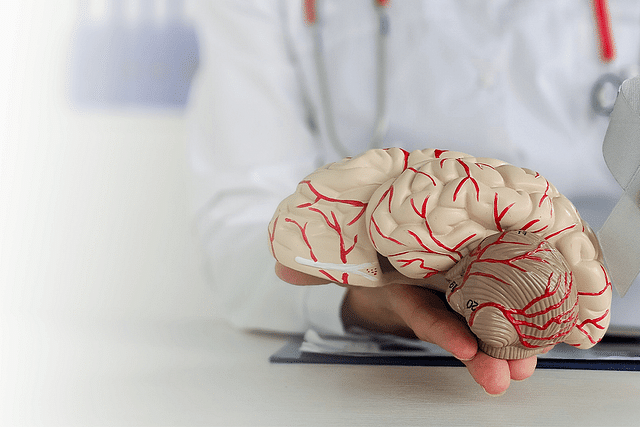
Overview of Disease
Brain tumours are a serious health concern that can affect people of all ages. They occur when abnormal cells in the brain grow and multiply uncontrollably, forming a mass or lump. Brain tumours can be primary, meaning they originate in the brain itself, or secondary, meaning they have spread to the brain from another part of the body. According to the National Health Service (NHS, 2023), more than 12,000 people are diagnosed with a primary brain tumour in the UK each year, of which about half are cancerous. In this article, we will explore the different types of brain tumours, their stages, symptoms, and treatment options.
What are Brain Tumours?
Brain tumours are abnormal growths of cells in the brain that can disrupt normal brain function. They can be benign, meaning they are non-cancerous and grow slowly, or malignant, meaning they are cancerous and grow rapidly. Benign tumours, such as meningiomas and acoustic neuromas, are less likely to spread to other parts of the brain or body, but can still cause serious problems if they grow large enough to press on vital brain structures. Malignant tumours, such as glioblastomas, are more aggressive and can invade surrounding brain tissue, making them more difficult to treat. Understanding the type and grade of a brain tumour is crucial for determining the best course of treatment.
Key Factors about Brain Tumors
| Category | Details |
| Also Referred as | Primary brain tumours, secondary brain tumours, benign brain tumours, malignant brain tumours |
| Commonly Occurs In | Adults and children, but metastatic brain tumours are more common in adults |
| Affected Organ | Brain parenchyma, meninges, cranial nerves, pituitary and pineal glands. |
| Type | Primary (e.g., gliomas, meningiomas), Secondary (metastatic from other cancers) |
| Common Signs | Headache, nausea, vomiting, eye problems, weakness or numbness, balance issues, speech problems, seizures |
| Consulting Specialist | Neurosurgeon, Neurologist, Oncologist |
| Treatement Procedures | Surgery, Radiation therapy, Chemotherapy |
| Managed By | Corticosteroids (for symptom control, not curative) or chemotherapy agents like temozolomide) and surgical options (such as craniotomy or stereotactic surgery) |
| Mimiciking Condition | Other neurological conditions (e.g., stroke, multiple sclerosis), infections (e.g., meningitis) |
Types of Brain Tumors
Brain tumours can be classified into various types based on their origin, location, and characteristics. Some of the common types of brain tumours include:
- Chordomas: These are rare tumours that are generally slow-growing but can be locally aggressive and occasionally malignant. They are most prevalent in people over 30 years of age. They typically form at the base of the skull or along the spine.
- Craniopharyngiomas: These are rare, noncancerous tumours that occur above the pituitary gland but below the brain itself. They are most common in children but can also occur in adults.
- Gangliocytomas, gangliomas, and anaplastic gangliogliomas: These are rare tumours that feature neoplastic nerve cells, which are relatively well-differentiated, and they primarily occur in young adults.
- Glomus jugulare: These are benign tumours usually found just beneath the skull base, at the top of the jugular vein. They represent the most common type of glomus tumour.
- Meningiomas: These are the most common benign intracranial tumours, accounting for 30% percent of all brain neoplasms. They develop from the meninges, the membrane-like tissues that encase the brain and spinal cord.
- Pineocytomas: These are slow-growing tumours that occur in the pineal gland, which is located in the centre of the brain. They are less aggressive compared to pineoblastomas.
- Pituitary adenomas: These are benign tumours that develop in the pituitary gland, which is located at the base of the brain, as stated by the National Library of Medicine (MedlinePlus). They can affect hormone production.
- Schwannomas: These are benign tumours that arise from Schwann cells, which are involved in the insulation of nerve fibres. Vestibular schwannomas, also known as acoustic neuromas, are a common type that affects the vestibulocochlear nerve.
- Astrocytomas: These are primary brain tumours that develop from astrocytes, a type of glial cell in the brain. They can be any grade (I to IV) and are more prevalent in adults.
- Ependymomas: These tumours derive from ependymal cells lining the ventricular system and account for two to three percent of all brain tumours. They can be fast-growing or slow-growing and are more common in children.
- Glioblastomas (GBM): These are highly malignant, fast-growing tumours that form from glial cells. They are the most aggressive type of brain tumour and have a poor prognosis.
- Oligodendrogliomas: These are tumours that develop from oligodendrocytes, cells that produce myelin, the fatty covering that protects nerves in the brain and spinal cord. They are more responsive to treatment compared to other gliomas.
- Medulloblastomas: These are fast-growing tumours that form in the cerebellum, the lower back part of the brain. They are most common in children but can also occur in adults.
Early Signs of Brain Tumors
The early signs of brain tumours include:
- Persistent headaches that may be more severe in the morning or awaken you at night
- Seizures or convulsions, especially in someone who doesn't have a history of seizures
- Vision problems, such as blurred vision, double vision, or loss of peripheral vision
- Gradual loss of sensation or movement in an arm or a leg
- Difficulty with balance or speech
- Confusion, memory issues, or personality changes
- Hearing problems or ringing in the ears (acoustic neuroma)
- Unexplained nausea or vomiting
If you experience any of these symptoms, especially if they are persistent or worsening, it's important to see a doctor promptly for an accurate diagnosis.
Symptoms of Brain Tumors
The symptoms of brain tumours can vary depending on the location and size of the tumour, as well as the individual's overall health. Some common signs and symptoms according to the American Cancer Society (ACS), include:
- Persistent headaches: Headaches associated with brain tumours are often persistent and may worsen at specific times, particularly in the morning or at night. These headaches can be more intense and different from usual headache patterns.
- Seizures or convulsions: The onset of seizures, particularly in individuals with no prior history, can be a significant warning sign. These can range from mild twitching to full convulsions and may occur unexpectedly.
- Difficulty with speech, memory, or concentration: Individuals may experience challenges in communicating, remembering information, or maintaining focus. This cognitive impairment can manifest as slurred speech or forgetfulness.
- Changes in personality or behaviour: Notable shifts in personality or behaviour, such as increased irritability, anxiety, or mood swings, may occur. These changes can affect daily interactions and relationships.
- Weakness: Weakness or numbness may present in one part of the body, potentially indicating nerve involvement. In some cases, paralysis can develop, affecting motor function.
- Loss of balance or coordination: Individuals may struggle with balance and coordination, experiencing unsteadiness while walking or performing tasks that require fine motor skills.
- Vision problems: Visual disturbances are common and may include blurred vision, double vision, or a loss of peripheral vision. Such changes may indicate pressure on the optic nerves.
- Hearing changes: Tumours located near the brainstem or ear can lead to changes in hearing. This may include a reduction in hearing ability or the perception of ringing in the ears (tinnitus).
- Facial numbness or tingling: Some individuals may experience numbness or tingling sensations in the face, which can signal the involvement of facial nerves.
- Nausea or vomiting: Nausea and vomiting, particularly when occurring in the morning, can be related to increased intracranial pressure caused by a tumour.
- Confusion and disorientation: Feelings of confusion, disorientation, or difficulty in understanding surroundings can be concerning signs indicating potential effects on cognitive function.
Stages of Brain Tumors
Brain tumours are classified into four grades based on their aggressiveness and potential for growth. The World Health Organisation (WHO) tumour grading system, as stated in the National Cancer Institute (NCI, 2024), is commonly used to classify brain tumours. These include:
- Grade I: These tumours are benign and slow-growing, with cells that appear almost normal. They are usually associated with a good prognosis and can often be treated with surgery alone.
- Grade II: These tumours are also slow-growing but have a slightly abnormal appearance under a microscope. They may spread to nearby tissues and have the potential to recur after treatment.
- Grade III: These tumours are malignant and fast-growing, with cells that appear very abnormal. They tend to invade nearby tissues and are more likely to recur after treatment.
- Grade IV: These tumours are the most aggressive and malignant, with cells that look highly abnormal. They grow and spread rapidly, making them difficult to treat. Glioblastoma is an example of a grade IV brain tumour.
Understanding the stage of a brain tumour is crucial for determining the most effective treatment plan and assessing the patient's overall prognosis.
Causes of Brain Tumors
The exact causes of brain tumours remain unclear, but various factors are believed to contribute to their development. These include:
- Genetic factors: Genetic mutations are a significant factor in the formation of brain tumours. Changes in DNA can disrupt the function of genes that regulate cell growth, division, and apoptosis. Inherited syndromes, such as neurofibromatosis types 1 and 2, tuberous sclerosis, and Li-Fraumeni syndrome, can also increase the risk for certain brain tumours.
- Radiation exposure: Ionising radiation is a well-established risk factor, particularly when it involves radiation therapy directed at the head or neck. This exposure can elevate the likelihood of developing brain tumours.
- Environmental factors: Certain environmental factors, including exposure to specific chemicals like vinyl chloride, petroleum products, and pesticides, may cause brain tumours.
- Age and gender: Age and gender are important considerations, with brain tumours being more prevalent among young children and older adults. Men are generally at a higher risk for developing certain types of brain tumours, such as glioblastoma and medulloblastoma, compared to women.
- Immune system weakness: Individuals with compromised immune systems, such as those living with HIV/AIDS, are at an increased risk for specific brain tumours, particularly lymphomas.
Risk Factors
Several risk factors can increase the likelihood of developing brain tumours as stated by the American Cancer Society (ACS), including:
- Exposure to high doses of ionising radiation
- Family history of brain tumours or genetic syndromes
- Age (risk increases with age, although some types are more common in children)
- Weakened immune system due to HIV/AIDS or organ transplants
- Exposure to certain chemicals, such as vinyl chloride and petroleum products.
Prevention of Brain Tumors
Preventing brain tumours can be challenging due to the unclear causes associated with their development. Some of the preventative measures include:
- Healthy lifestyle choices: Maintaining a healthy weight through a balanced diet and regular exercise can decrease the likelihood of developing certain types of brain tumours, such as meningioma.
- Minimising radiation exposure: Avoiding unnecessary exposure to ionising radiation, such as repeated computed tomography (CT) scans, is important in minimising risk.
- Regular check-ups: For individuals with a family history of brain tumours or genetic syndromes that increase risk, regular check-ups and screenings are essential for early detection.
Diagnosis & Tests
Diagnosing brain tumours involves a thorough approach that includes physical examinations, imaging tests, and biopsy procedures. These include:
- Neurological examination: The diagnostic process typically begins with a neurological exam, which assesses various functions such as vision, hearing, balance, coordination, and reflexes. This initial evaluation helps identify any abnormalities that may suggest the presence of a brain tumour.
- Magnetic resonance imaging (MRI): MRI provides high-resolution images that allow for detailed localisation and characterisation of the tumour. MRI is particularly useful for identifying soft tissue structures in the brain.
- Computed tomography (CT) scan: A CT scan produces cross-sectional images of the brain and is useful for quickly identifying tumours, evaluating their size, and assessing their location.
- Positron emission tomography (PET) scan: The PET scan evaluates the metabolic activity of the tumour, offering insights into its aggressiveness and potential spread.
- Magnetic resonance spectroscopy (MRS): MRS analyses the chemical composition of the tumour, providing additional information about its characteristics and behaviour.
- Biopsy: If imaging tests indicate a brain tumour, a biopsy may be necessary. This procedure involves removing a small sample of tumour tissue for laboratory analysis. The biopsy results are critical for determining the type and grade of the tumour, which informs the treatment plan.
- Lumbar puncture (spinal tap): Lumbar puncture tests the cerebrospinal fluid for the presence of cancer cells, which can indicate tumour spread. This procedure may also help assess the overall health of the central nervous system.
- Electroencephalogram (EEG): EEG measures brain activity and can help identify abnormalities associated with seizures. EEG results can guide treatment decisions and monitor the effects of therapy.
Treatment & Management
The treatment of brain tumours combines surgery, radiation, chemotherapy, and targeted therapies to manage tumour growth, relieve symptoms, and improve quality of life.
1. Targeted Kinase Inhibitors
These medicines block abnormal signals that promote tumour cell growth and survival, especially in cases involving specific genetic mutations.
- Everolimus: It helps slow tumour growth by targeting mTOR pathways.
- Dabrafenib & Trametinib: They are often used together in tumours with BRAF mutations to inhibit cell signalling.
- Tovorafenib: It is an emerging treatment for paediatric and relapsed brain tumours with specific genetic drivers.
These therapies are used alone or in combination with other treatments, depending on the tumour profile.
2. Monoclonal Antibodies
These medicines are designed to target specific proteins on tumour cells or the blood vessels that support them.
- Bevacizumab: It blocks blood vessel growth (angiogenesis), slowing tumour progression.
- Naxitamab is used to treat neuroblastoma which is not a brain tumour primarily.
These may be used in cases where tumours are resistant to standard therapy or when reducing swelling and inflammation is a priority.
3. Alkylating Agents
These chemotherapy medicines work by damaging the DNA of tumour cells, preventing them from growing and dividing.
- Carmustine & Lomustine: They are effective in high-grade gliomas and recurrent brain tumours.
- Temozolomide: It is widely used for glioblastoma, often alongside radiation, and as a maintenance treatment after initial therapy.
These medications are valued for their ability to cross the blood-brain barrier and target difficult-to-reach tumour cells.
4. ODC Inhibitors (Ornithine Decarboxylase Inhibitors)
These medicines interfere with the production of substances needed by tumour cells to grow rapidly.
- Eflornithine: It is used in specific tumour types like anaplastic gliomas, especially when other treatments are less effective.
It may be considered in combination therapies for complex or resistant cases.
5. Surgery and Radiation
In addition to medicine-based therapies, surgical removal of the tumour is often the first step when safely possible. Radiation therapy may follow to target any remaining tumour cells.
- Craniotomy for tumour resection: It is the removal of the tumour to relieve pressure and improve symptoms.
- Stereotactic radiosurgery (SRS): It focuses high-dose radiation on small or inoperable tumours.
- Whole-brain or targeted radiotherapy: It is performed based on the tumour size and spread.
Surgical and radiation strategies are tailored to minimise damage to healthy brain tissue and preserve neurological function.
Living with Disease
Coping with a brain tumour diagnosis involves several key aspects:
- Regularly monitor and manage symptoms like headaches, nausea, seizures and cognitive changes with medications.
- Attend regular follow-up appointments to track tumour progression and adjust treatment.
- Make lifestyle adjustments in diet, exercise and stress management to handle physical and emotional impacts.
- Seek support from family, friends, support groups and mental health professionals.
- Stay informed about your condition and treatment options, working closely with your medical team.
- While challenging, many people with brain tumours live active, fulfilling lives by focusing on symptom control and quality of life.
When to See a Doctor?
If you experience any symptoms that may indicate the presence of a brain tumour, such as persistent headaches, vision problems, seizures, cognitive changes, or balance issues, it is crucial to consult a doctor promptly. Additionally, if you have been diagnosed with a brain tumour and notice any changes in your symptoms or develop new concerns, it is important to discuss these with your doctor.
Key Takeaways
- Brain tumours can be benign or malignant, with various types, including meningiomas, glioblastomas, and acoustic neuromas.
- Common symptoms include headaches, seizures, vision problems, cognitive changes, and balance issues.
- Treatment options depend on the tumour type, size, location, and patient factors and may include surgery, radiation therapy, chemotherapy, and supportive care.
- Living with a brain tumour involves symptom management, rehabilitation, emotional support, and lifestyle changes.
- Early detection and prompt medical attention are crucial for improving treatment outcomes and quality of life.
FAQs
How long do brain tumour patients live?
The survival time for brain tumour patients varies greatly depending on factors like tumour type, age, and treatment effectiveness. For glioblastoma, the median survival is 12–18 months.
Can you live a normal life with a brain tumour?
The likelihood of leading a normal life with a brain tumour depends on the tumour's type, grade, and treatment effectiveness. Patients with low-grade or benign tumours, such as meningiomas, often have a more favourable prognosis, whereas those with high-grade tumours like glioblastoma face significant challenges.
Which brain tumour is not curable?
Glioblastoma, an aggressive type of brain cancer, is often considered incurable with current standard treatments.
Is a brain tumour painful?
At what age can a brain tumour occur?
Is brain surgery painful?
Can you remove a brain tumour?
Is stage 1 brain tumour curable?
What are 6 warning signs of a brain tumour?
Early signs of brain tumours can include persistent headaches, seizures, vision problems, speech difficulties, personality changes, and balance issues. Symptoms vary depending on the tumour's location and size.
Can MRI detect brain tumours?
Magnetic resonance imaging (MRI) scans are highly effective in detecting brain tumours, as they provide detailed images of the brain's soft tissues. They are often used in conjunction with other tests for diagnosis.
References
- National Cancer Institute. (2019, October 11). Adult Central Nervous System Tumors Treatment (PDQ®)–Patient Version. National Cancer Institute; Cancer.gov. https://www.cancer.gov/types/brain/patient/adult-brain-treatment-pdq
- NHS. (2023, June 12). Brain tumours. https://www.nhs.uk/conditions/brain-tumours/
- National Cancer Institute. (n.d.). Brain tumors — patient version. U.S. Department of Health and Human Services. Retrieved October 3, 2025, from https://www.cancer.gov/types/brain
- MedlinePlus. (n.d.). Pituitary tumor. U.S. National Library of Medicine. Retrieved October 3, 2025, from https://medlineplus.gov/ency/article/000704.htm
- Louis, D. N., Perry, A., Wesseling, P., Brat, D. J., Cree, I. A., Figarella-Branger, D., Hawkins, C., Ng, H. K., Pfister, S. M., Reifenberger, G., Soffietti, R., von Deimling, A., & Ellison, D. W. (2021). The 2021 WHO classification of tumors of the central nervous system: A summary. Neuro-Oncology, 23(8), 1231–1251. https://doi.org/10.1093/neuonc/noab106
- Delaidelli, A., & Moiraghi, A. (2024). Recent advances in the diagnosis and treatment of brain tumors. Brain Sciences, 14(3), 224. https://doi.org/10.3390/brainsci14030224
- American Cancer Society. (n.d.). Risk factors for brain and spinal cord tumors. https://www.cancer.org/cancer/types/brain-spinal-cord-tumors-adults/causes-risks-prevention/risk-factors.html
- PDQ® Adult Treatment Editorial Board. (2024, January 5). Adult central nervous system tumors treatment (PDQ®) – patient version. National Cancer Institute. https://www.cancer.gov/types/brain/patient/adult-brain-treatment-pdq
Check Related Salts
Latest health articles

Top Health Essentials






























Disclaimer
Top-Selling Medicines:
...View more
Top-OTC medicines:
...View more
Company
About UsHealth ArticleHealth StoriesHealth LibraryDiseases & Health ConditionsAyurvedaUnderstanding Generic MedicinesAll MedicinesAll BrandsNeed HelpFAQSecuritySavings CalculatorAdvertise with UsSubscribe
Registered Office Address
Grievance Officer
Download Truemeds


Contact Us
Our customer representative team is available 7 days a week from 9 am - 9 pm.
v4.28.16

2026 - Truemeds | All rights reserved. Our content is for informational purposes only. See additional information.

Our Payment Partners