

- Medicines
- Personal Care
- Skin Cream
- Sunscreen
- Face Wash
- Skin and Body Soap
- Acne Care
- Body Lotions
- Moisturising Lotion
- Moisturising Cream
- Mosquito Repellent
- Moisturising Gel
- Body Wash
- Hair Oils
- Hair Shampoo
- Hair Conditioners
- Hair Supplements
- Hair Colour
- Hair Serum
- Hair Mask
- Hair Solutions
- Baby Diapers and Wipes
- Baby Lotion and Moisturising Cream
- Baby Bath Essentials
- Baby Skin Care
- Baby and Infant Food
- Baby Healthcare
- Women Multivitamins
- Ovulation Test Kit and Women Intimate Care
- Sanitary Pads
- Nutritional Drinks
- Condoms
- Lubricants
- Massage Gels
- Personal Body Massagers
- Men Performance Booster
- Sexual Health Supplements
- Massage Oils
- Ayurveda
- Tooth Paste
- Mouth Ulcer Gel
- Mouthwash
- Toothache and Gum Pain
- Tooth Brush
- Gargle Solution
- Orthopaedic Supports
- Adult Diapers
- Footwear
- Mobility and Support Accessories
- Urinary Support and Care
- Health Conditions
- Bone and Joint Care
- Digestive Care
- Eye Care
- Pain Relief
- Smoking Cessation
- Liver Care
- Stomach Care
- Cold and Cough
- Heart Care
- Kidney Care
- Piles, Fissures & Fistula
- Respiratory Care
- Mental Wellness
- Derma Care
- Pre and Probiotics
- Acidity
- Gas
- Constipation
- Loose Motion/Diarrhoea
- Digestive Fibres
- Digestive Enzymes
- Eye Lubricant Drops
- Lens Solution
- Safety Eye Wear
- Eye Cream
- Eye Vitamins and Supplements
- Eye Drops
- Eye Ointment and Gel
- Nicotine Patch
- Nicotine Gum
- Nicotine Lozenges
- Cough Syrups
- Chest Rubs and Balms
- Nasal Spray
- Lozenges
- Inhalant Capsules
- Cold and Cough Tablets
- Vitamins & Supplements
- Diabetes Care
- Healthcare Devices
- Homeopathic Medicine
- Health Guide
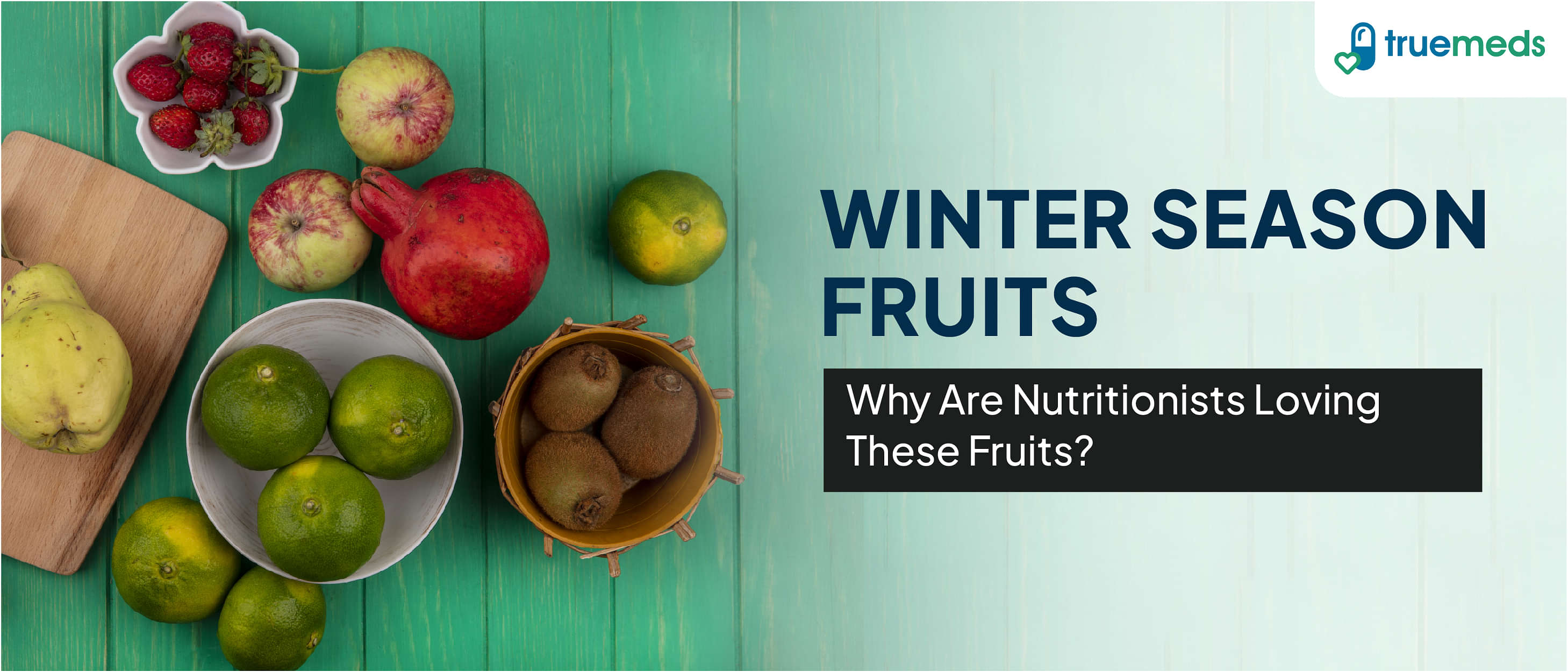
Winter Season Fruits: 10 Best Fruits to Enjoy During the Cold Months
Last updated on : 19 Nov, 2025
Read time : 7 min
As the chill of winter sets in, it’s the perfect time to embrace the season’s bounty of fresh, nutritious fruits. Winter fruits are not only a delight to the taste buds but also offer a powerful dose of essential nutrients that help boost your immunity, maintain body warmth, and keep seasonal illnesses at bay. Packed with vitamins, minerals, and antioxidants, these fruits are nature’s way of keeping you energised and resilient throughout the colder months.
In this guide, we’ll explore some of the best winter fruits to include in your diet and uncover the incredible health benefits they bring.
10 Best Winter Season Fruits in India
As the temperature drops, nature offers a colourful bounty of fruits that not only taste amazing but also nourish the body and strengthen immunity. From crisp apples to juicy oranges, here are the top 10 seasonal fruits you should enjoy in India this winter:
1. Apples
Apples, a quintessential winter fruit, are packed with fibre, vitamin C, and potent phytochemicals [1]. Grown widely in the hilly regions of India, these crunchy delights are known to promote heart health and aid digestion [1]. Apples are a versatile and nutritious choice for boosting overall well-being.
2. Pomegranates
Pomegranates, with their vibrant red hue, are a powerhouse of antioxidants (including polyphenols), vitamins C and K, and essential minerals. These juicy fruits are renowned for their heart-protective properties and may exhibit anti-inflammatory effects [2]. The sweet and tart arils (the fleshy, juicy seeds) add a burst of flavour and nutrition to any meal.
3. Guava
Guavas are a treasure trove of vitamin C, dietary fibre, and potassium. These humble fruits have been noted for their instrumental role in boosting immunity, promoting digestive health, and supporting cardiovascular function [3]. Guavas are incredibly versatile and can be relished fresh, blended into refreshing juices, or tossed into salads for an extra zing.
4. Grapes
Grapes, available in a spectrum of colours, are a convenient and nutritious winter snack. The key benefit of grapes comes from their rich phytochemical content (resveratrol and others), which is suggested to support cardiovascular health and provide antioxidant activity [4]. Whether enjoyed as a quick bite or incorporated into various dishes, grapes are a beloved winter fruit.
5. Oranges
Oranges, the quintessential winter citrus, are brimming with vitamin C, vitamin A, calcium, potassium, and fibre. These zesty fruits play a crucial role in bolstering the immune system and promoting overall health due to their dense nutritional composition [5]. Widely available and refreshingly juicy, oranges are a must-have during the chilly months.
6. Kiwi
Kiwis, despite their modest size, are a nutrient powerhouse, boasting high levels of vitamin C, potassium, and fibre. These fuzzy fruits are commonly consumed in winter and are excellent for supporting the immune system and promoting healthy digestion. Kiwis can be enjoyed in salads, smoothies, or as a standalone treat.
7. Custard Apple (Sitaphal)
Custard apples, also known as Sitaphal, are a luscious winter treat packed with vitamins C and B6, magnesium, and potassium. Research suggests these creamy fruits may support digestive health, help fortify the immune system, and provide a natural energy boost [6]. Found in many parts of India during winter, custard apples are a delectable addition to the seasonal fruit lineup.
8. Pineapple
Pineapples, while cultivated year-round in certain tropical regions, are enjoyed during the colder months in India. They are rich in vitamins A and C, manganese, and bromelain (an enzyme), which contributes to immune function and digestive health. Their sweet and tangy flavour adds a tropical twist to the winter fruit basket.
9. Strawberries
Strawberries, though often associated with warmer seasons, are widely available in certain parts of India during the colder months. These vibrant berries are abundant in antioxidants, vitamin C, and fibre, which may support immunity, heart health, and digestion.
10. Pear (Nashpati)
Pears, also known as Nashpati, are a delectable winter fruit rich in dietary fibre, vitamin C, and potassium. Grown in the hilly regions of India, these sweet and juicy fruits may help support heart health and enhance digestion, making them a low-calorie and nutritious snack option.
How to Include Winter Fruits in Your Diet
Incorporating winter fruits into your daily meals is easy and delicious! Here are some simple and creative ways to enjoy these seasonal treasures:
- Snack Smart: Reach for citrus fruits like clementines, oranges, and grapefruits as quick, nutritious snacks anytime.
- Salad Boost: Add juicy slices of grapefruit, orange, or pomegranate arils to your salads for a refreshing burst of flavour and nutrients.
- Bake with Fruits: Use apples and pears in baking projects like pies, tarts, and crumbles.
- Juice it Up: Make fresh juices from lemons, oranges, and grapefruits for a revitalising winter drink.
- Smoothie Time: Blend kiwis, bananas, and pomegranates into smoothies for a nutritious and filling beverage that’s perfect for breakfast or snacks.
- Dessert Decoration: Use citrus segments to garnish desserts like yoghurt cakes or panna cotta, adding colour and a tangy flavour.
With these ideas, you can effortlessly enjoy a variety of winter fruits in your meals and snacks, keeping your diet colourful, tasty, and packed with nutrients!
Incorporating winter fruits into your diet is an excellent way to support overall health and well-being during the colder months. These seasonal delights not only provide a delicious and refreshing taste but also offer a wide range of essential vitamins, minerals, and antioxidants that can help strengthen your immune system, improve digestion, and promote healthy skin. By making a conscious effort to incorporate these nutritious fruits into your daily routine, you can enjoy the numerous benefits they offer while supporting your vitality through the winter season.
Expert Quote
“Winter fruits are nature’s medicine, bursting with vitamins and antioxidants that strengthen immunity, warm the body, and fuel vitality during the chilliest season.”
–Dr. Kavya Rejikumar
Frequently Asked Questions (FAQs)
How can one eat fruits during winter?
Winter fruits can be eaten fresh, used in baked goods, added to salads, made into jams or marmalades, or consumed as fresh juices (preferably pulp-retaining).
Is papaya a hot or cold fruit?
Papaya is generally considered a warm or tropical fruit and is not typically associated with the winter season in temperate climates.
Which fruit has a cooling effect?
Citrus fruits like lemons and grapefruits are often considered cooling due to their high water content and refreshing, tangy flavours, which can help balance body temperatures.
Which fruit is the best to consume during winter?
Pomegranates are highly recommended in winter due to their rich antioxidant content and vitamins, which help boost the immune system and support cardiovascular health [2].
Which fruits are commonly available in winter in India?
In India, common winter fruits include oranges, guavas, pomegranates, apples, and grapes, which are widely available during the colder months.
Can one eat apples during the winter season?
Yes, apples are a prime winter fruit, especially late varieties, which remain crisp and fresh throughout winter and provide excellent fibre and antioxidant support [1].
Disclaimer
This article is for informational purposes only and is not a substitute for professional medical advice. Please consult a healthcare provider or registered dietitian before beginning any new wellness practice or dietary changes, especially if you have an existing medical condition or are on medication.
References
[1] Boyer, J., & Liu, R. H. (2004). Apple phytochemicals and their health benefits. Nutrition Journal, 3(1), Article 5. https://doi.org/10.1186/1475-2891-3-5
[2] Vučić, V., Grabež, M., Trchounian, A., & Arsić, A. (2019). Composition and potential health benefits of pomegranate: A review. Current Pharmaceutical Design, 25(16), 1817–1827. https://doi.org/10.2174/1381612825666190708183941
[3] Mathpal, D., & Rathore, G. (2022). An analysis of health benefits of guava. International Journal of Innovation in Engineering Management, 9(1), 239–242. https://www.academia.edu/download/88642783/ijirem.2022.9.1.pdf
[4] Yang, J., & Xiao, Y. Y. (2013). Grape phytochemicals and associated health benefits. Critical Reviews in Food Science and Nutrition, 53(11), 1202–1225. https://doi.org/10.1080/10408398.2012.692408
[5] Neves, M. F., Trombin, V. G., Lopes, F. F., Kalaki, R., & Milan, P. (2011). Nutritional benefits of oranges. In Wageningen Academic Publishers eBooks (p. 116). https://doi.org/10.3920/978-90-8686-739-4_29
[6] Gautam, D. K., Singh, V., Singh, S. K., Tiwari, P., Verma, S., Tripathy, S., … & Chawla, R. (2024). Custard Apple (Annona squamosa L.): Exploring its Health Benefits and Medicinal Properties. European Journal of Nutrition and Food Safety, 16(10), 129–140. https://www.researchgate.net/profile/Ritik-Chawla/publication/385065691_Custard_Apple_Annona_squamosa_L_Exploring_its_Health_Benefits_and_Medicinal_Properties/links/67155ea6035917754c110bce/Custard-Apple-Annona-squamosa-L-Exploring-its-Health-Benefits-and-Medicinal-Properties.pdf
“
















Disclaimer
Our healthcare experts have carefully reviewed and compiled the information presented here to ensure accuracy and trustworthiness. It is important to note that this information serves as a general overview of the topic and is for informational purposes only. It is not intended to diagnose, prevent, or cure any health problem. This page does not establish a doctor-patient relationship, nor does it replace the advice or consultation of a registered medical practitioner. We recommend seeking guidance from your registered medical practitioner for any questions or concerns regarding your medical condition.
Popular Articles



Recommended Articles




Recent Articles










Company
About UsHealth ArticleHealth StoriesHealth LibraryDiseases & Health ConditionsAyurvedaAll MedicinesAll BrandsNeed HelpFAQSecuritySubscribe
Registered Office Address
Grievance Officer
Download Truemeds


Contact Us
Our customer representative team is available 7 days a week from 9 am - 9 pm.
v4.8.2

2025 - Truemeds | All rights reserved. Our content is for informational purposes only. See additional information.

Our Payment Partners