

- Medicines
- Personal Care
- Skin Cream
- Sunscreen
- Face Wash
- Skin and Body Soap
- Acne Care
- Body Lotions
- Moisturising Lotion
- Moisturising Cream
- Mosquito Repellent
- Moisturising Gel
- Body Wash
- Hair Oils
- Hair Shampoo
- Hair Conditioners
- Hair Supplements
- Hair Colour
- Hair Serum
- Hair Mask
- Hair Solutions
- Baby Diapers and Wipes
- Baby Lotion and Moisturising Cream
- Baby Bath Essentials
- Baby Skin Care
- Baby and Infant Food
- Baby Healthcare
- Women Multivitamins
- Ovulation Test Kit and Women Intimate Care
- Sanitary Pads
- Nutritional Drinks
- Condoms
- Lubricants
- Massage Gels
- Personal Body Massagers
- Men Performance Booster
- Sexual Health Supplements
- Massage Oils
- Ayurveda
- Tooth Paste
- Mouth Ulcer Gel
- Mouthwash
- Toothache and Gum Pain
- Tooth Brush
- Gargle Solution
- Orthopaedic Supports
- Adult Diapers
- Footwear
- Mobility and Support Accessories
- Urinary Support and Care
- Health Conditions
- Bone and Joint Care
- Digestive Care
- Eye Care
- Pain Relief
- Smoking Cessation
- Liver Care
- Stomach Care
- Cold and Cough
- Heart Care
- Kidney Care
- Piles, Fissures & Fistula
- Respiratory Care
- Mental Wellness
- Derma Care
- Pre and Probiotics
- Acidity
- Gas
- Constipation
- Loose Motion/Diarrhoea
- Digestive Fibres
- Digestive Enzymes
- Eye Lubricant Drops
- Lens Solution
- Safety Eye Wear
- Eye Cream
- Eye Vitamins and Supplements
- Eye Drops
- Eye Ointment and Gel
- Nicotine Patch
- Nicotine Gum
- Nicotine Lozenges
- Cough Syrups
- Chest Rubs and Balms
- Nasal Spray
- Lozenges
- Inhalant Capsules
- Cold and Cough Tablets
- Vitamins & Supplements
- Diabetes Care
- Healthcare Devices
- Homeopathic Medicine
- Health Guide
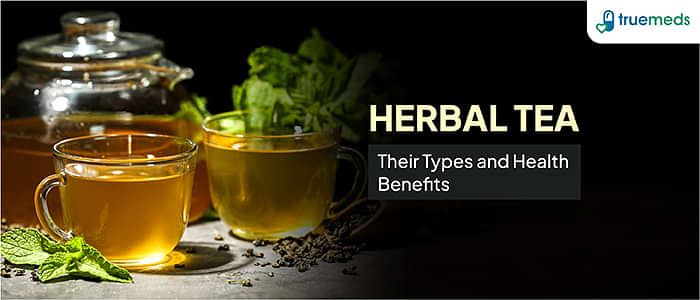
Types of Herbal Tea and Their Health Benefits
Last updated on : 30 Nov, 2025
Read time : 12 min
Herbal teas have been consumed through the ages not only for health benefits but also for calming effects. Herbal tea, unlike traditional tea derived from the leaves of the Camellia sinensis plant, is an infusion of various plants, herbs, spices, and fruits. These natural brews bring in a delightful way to stay hydrated while reaping in the benefits from nature’s bounty. In this blog, we’ll discuss various types of herbal tea and the associated health and wellness benefits of herbal tea.
What is Herbal Tea?
Herbal tea, or tisane, is a beverage prepared by soaking the different parts of a plant in boiling water. These parts include leaves, roots, flowers, seeds, and bark. Herbal teas come in a wide variety of tastes, can be enjoyed either hot or cold, and are naturally caffeine–free, making them suitable for individuals sensitive to caffeine or those aiming to reduce their intake.
10 Popular Types of Herbal Tea and Their Potential Benefits
The sub-headings have been simplified to focus on the tea name and its primary traditional use, reducing keyword repetition and improving flow.
1. Chamomile Tea (For Relaxation and Sleep)
Among the herbal teas consumed, chamomile tea is one of the most popular. It is prepared from the dried flowers of the chamomile herb. It is popularly known for its calming effects and may help soothe various minor ailments [7].
Health Benefits
- Promotes Sleep Quality: Chamomile tea is well-known for its mild sedative properties, mainly due to the antioxidant apigenin, which may help improve sleep quality and reduce symptoms of insomnia in some individuals [5].
- Supports Digestive Comfort: It aids digestion and can alleviate symptoms of gastrointestinal upset like bloating, gas, and indigestion. Its anti-inflammatory properties may further help in soothing stomach cramps and symptoms associated with Irritable Bowel Syndrome (IBS).
- Anti-Inflammatory and Antioxidant Effects: Antioxidants in chamomile tea may help fight against oxidative stress and inflammation, contributing to general health and well-being.
- May Aid Immune Function: Studies have suggested that chamomile tea has antibacterial and antiviral properties. Thus, it may support the body’s natural immune response and potentially help in the recovery from common cold symptoms.
2. Ginger Tea (For Digestion and Nausea)
Ginger tea is made from the root of the ginger plant and is well-known for its spicy, invigorating flavor. It has been used for centuries in traditional medicine for its many health benefits.
Health Advantages
- Eases Nausea and Aids Digestion: Ginger tea is highly effective in aiding digestion and alleviating various forms of nausea, making it a valuable remedy for motion sickness and morning sickness during pregnancy [6].
- Anti-Inflammatory Properties: Ginger tea is rich in anti-inflammatory compounds like gingerol, which may help reduce inflammation and associated pain, making it potentially useful for conditions like osteoarthritis [6].
- Supports Immune Function: The immune-enhancing properties of ginger may help the body fight off various types of infections, which is particularly helpful during cold and flu seasons.
- Potential Cardiovascular Support: Studies suggest ginger may play a role in modulating blood pressure and cholesterol levels, which could contribute to improved cardiovascular health [6].
3. Fruit & Berry Tea (For Antioxidants and Hydration)
Fruit and berry teas blend dried fruits and berries that are sweet in nature with a refreshing flavor. This provides not only taste but also a host of vitamins and antioxidants.
Health Benefits
High in Antioxidants: Most fruit and berry teas are rich in antioxidants that help protect the body from free radicals and may support the reduction of chronic disease risk.
- Vitamin C for Immune Support: The high amount of vitamin C in these teas strengthens the immune system and may help protect against infections.
- Excellent Hydration: Fruit and berry teas are excellent ways to rehydrate, especially for those who find it difficult to drink plain water.
- Weight Management Aid: These teas are a healthy, low-caloric substitute to sugary drinks, thus supporting overall body weight maintenance.
4. Rooibos Tea (For Heart and Bone Health)
Rooibos tea, also known as red bush tea, is originally grown in South Africa and is an herbal drink made from the leaves of Aspalathus linearis. It has a robust and earthy taste and contains no caffeine at all.
Health Advantages
Rich in Unique Antioxidants: Rooibos tea is full of antioxidants, such as aspalathin and quercetin, that help the body to fight off oxidation and related inflammation.
- Supports Heart Health: These compounds in the tea are associated with reducing blood pressure and improving cholesterol levels, thereby supporting good cardiac health.
- Promotes Digestive Comfort: Rooibos tea has been traditionally used to calm stomach cramps, diarrhea, and constipation.
- Source of Essential Minerals: Rooibos tea contains minerals like calcium, magnesium, and fluoride, which are necessary for maintaining strong and healthy bones.
5. Rose Hip Tea (A Vitamin C Powerhouse)
Made from the fruit of the rose plant, rose hip tea is tangy and slightly sweet in flavor. This makes it rich in vitamins and antioxidants, hence it is quite popular for boosting health.
Health Advantages
- High Vitamin C Content: Rose hip tea is one of the richest plant sources of vitamin C, which plays a major role in immune function, skin health, and collagen formation [8].
- Anti-Inflammatory Effects: Rose hip tea contains anti-inflammatory compounds that are particularly noted for their potential to reduce pain and inflammation associated with osteoarthritis [8].
- Supports Skin Health: The abundance of antioxidants in rose hip tea may protect skin cells from damage, thus promoting a healthy complexion.
- Aids Weight Management: Rose hip extract has been shown in some studies to help with weight management by potentially reducing fat accumulation and improving metabolism.
6. Peppermint Tea (For Digestive & Respiratory Relief)
Peppermint tea is derived from the leaves of the peppermint plant and is an herb well-known for its refreshing, minty flavor. This herb is also frequently used to assist digestion and as a headache remedy.
Health Benefits
- Potent Digestive Aid: Peppermint is one of the most effective herbal teas for curing digestive problems such as flatulence, gas, and indigestion. It works by relaxing the smooth muscles of the gastrointestinal tract [9].
- Headache Relief: The menthol present in peppermint tea may help soothe tension headaches and migraines by relaxing the muscles and improving blood flow to the affected area [9].
- Supports Respiratory Health: Peppermint tea acts as a mild decongestant, which can help clear the sinuses and improve respiratory flow.
- Stress Reduction: The aroma of peppermint tea can help decrease stress and anxiety, promoting relaxation and mental well-being.
7. Lemon Balm Tea (For Mood and Cognition)
The leaves of the lemon balm (Melissa officinalis) plant are used to brew lemon balm tea, which has a very mild, pleasant lemony flavor. Lemon balm tea is well-documented for its calming and mood-enhancing effects.
Health Benefits
- Reduces Stress and Anxiety: Lemon balm tea proves effective in curbing stress and anxiety and, therefore, promoting relaxation and enhancing mood [10].
- Supports Cognitive Function: Lemon balm tea is associated with improving cognitive function, making it potentially useful for enhancing focus and memory [10].
- Aids Digestive Health: Lemon balm tea can relieve mild problems of digestion like bloating, gas, and indigestion.
- Natural Sleep Aid: Lemon balm tea is often consumed as a natural remedy to aid in achieving quality sleep and potentially reducing mild insomnia.
8. Milk Thistle and Dandelion Tea (A Traditional ‘Detox’ Blend)
These two herbs are often combined to create a blend traditionally used to support the function of the kidneys, liver, and digestion.
Health Benefits
- Supports Liver Function: The active compound in milk thistle, silymarin, is widely studied for its potential to protect liver cells from damage and improve liver function [1].
- Promotes Digestive Health: Milk thistle and dandelion tea can act as mild natural diuretics and digestive enhancers, offering resistance to digestive problems like bloating, gas, and constipation.
- Anti-Inflammatory and Antioxidant Properties: Anti-inflammatory and antioxidant components of both milk thistle and dandelion tea may help reduce inflammation and protect the body from oxidative stress.
9. Hibiscus Tea (For Blood Pressure and Heart Health)
Hibiscus tea is made from the dried petals of the hibiscus flower and has a tart, cranberry-like flavor. It is rich in antioxidants and has numerous health benefits.
Health Benefits
Rich in Antioxidants: Hibiscus tea is infused with antioxidants, which help shield the body from free radical damage and may be useful in fighting chronic diseases.
- Helps Manage Blood Pressure: Clinical studies have shown that consistent consumption of hibiscus tea is effective in lowering blood pressure in prehypertensive and mildly hypertensive adults [11].
- Supports Weight Management: Some evidence suggests hibiscus tea can help with weight management by reducing the storage of fat and potentially enhancing metabolism.
- Cardiovascular Health: The components present in hibiscus tea may decrease the amount of LDL (‘bad’) cholesterol in the blood, thus maintaining good heart health.
10. Echinacea Tea (For Immune Boosting)
Echinacea tea is an herbal tea prepared from the leaves, flowers, and roots of the echinacea plant. It is a well-known immunity-enhancing herb and is mostly used to fight off colds and infections.
Health Benefits
- Immune System Support: Echinacea tea is one of the most widely used herbal remedies for boosting immunity and fighting off upper respiratory infections like the common cold.
- Anti-Inflammatory Properties: Anti-inflammatory agents in echinacea tea may help in reducing inflammation and related pain.
- Antioxidant Effects: Abundant in antioxidants, Echinacea tea aids the body against oxidative stress and enhances general health.
- Alleviates Respiratory Symptoms: It is often used to alleviate respiratory problems such as coughs, colds, and sinusitis.
How to Brew and Consume Any Type of Herbal Tea?
Brewing herbal tea is quite simple and requires loose leaves, tea bags, or fresh herbs. Here’s a simple guide on how to brew herbal tea:
- Boil Water: Bring fresh, filtered water to a boil.
- Add Herbs: Place 1-2 teaspoons of dried herbs or 1 tea bag into a cup or a teapot.
- Pour Water: Pour the hot water over the herbs.
- Steep: Steep your tea for 5-10 minutes, depending on the herb and the desired strength.
- Strain and Serve: When using loose herbs, simply strain the tea into a cup. Add honey, lemon, or any other natural flavorings as per your choice.
Conclusion
Herbal teas offer a refreshing way to stay hydrated while enjoying the beneficial properties of various natural herbs. From the calming effects of Chamomile to the digestive support of Ginger and Peppermint, there is an herbal tea for nearly every preference and wellness goal. Incorporating these teas into your daily routine can support overall well-being and allow you to experience their traditional health benefits.
Frequently Asked Questions (FAQs)
Do herbal teas contain caffeine?
Naturally, herbal teas are caffeine-free because they come from various plants, herbs, and spices, unlike the Camellia sinensis plant (from which black, green, and white teas are derived), which contains caffeine.
What are some light herbal teas?
The light herbal teas are those noted for their mild flavor and calm-inducing properties, such as chamomile, lemon balm, and peppermint.
Is it OK to drink herbal tea everyday?
Yes, generally, drinking herbal tea every day is safe for most people when consumed in moderation. You should ensure you don’t have known allergies to its ingredients and vary the types of teas you consume to avoid over-reliance on a single compound.
What are the side effects of herbal tea?
While generally safe, possible side effects of herbal tea include allergic reactions, mild gastrointestinal problems (if consumed in excess), and potential interactions with certain medications, depending on the herb. Always consult a health professional, especially if you are on medication or have an existing health condition. Certain teas, like those containing senna, should not be consumed long-term.
Disclaimer
Important Medical Note: This article is for informational purposes only and is not a substitute for professional medical advice, diagnosis, or treatment. Herbal teas are not intended to cure or prevent any disease.
References
[1] Brimson, J. M., Prasanth, M. I., Malar, D. S., Sharika, R., Sivamaruthi, B. S., Kesika, P., Chaiyasut, C., Tencomnao, T., & Prasansuklab, A. (2021). Role of Herbal Teas in Regulating Cellular Homeostasis and Autophagy and Their Implications in Regulating Overall Health. Nutrients, 13(7), 2162. https://doi.org/10.3390/nu13072162
[2] Chandrasekara, A., & Shahidi, F. (2018). Herbal beverages: Bioactive compounds and their role in disease risk reduction – A review. Journal of Traditional and Complementary Medicine, 8(4), 451–458. https://doi.org/10.1016/j.jtcme.2017.08.006
[3] Poswal, F. S., Russell, G., Mackonochie, M., MacLennan, E., Adukwu, E. C., & Rolfe, V. (2019). Herbal Teas and their Health Benefits: A Scoping Review. Plant Foods for Human Nutrition, 74(3), 266–276. https://doi.org/10.1007/s11130-019-00750-w
[4] Tao, L., Liao, J., Zheng, R., Zhang, X., & Shang, H. (2023). Association of Drinking Herbal Tea with Activities of Daily Living among Elderly: A Latent Class Analysis. Nutrients, 15(12), 2796. https://doi.org/10.3390/nu15122796
[5] Chang, S. M., & Chen, C. H. (2016). Effects of an intervention with drinking chamomile tea on sleep quality and depression in sleep disturbed postnatal women: a randomized controlled trial. Journal of Advanced Nursing, 72(2), 306-315. https://onlinelibrary.wiley.com/doi/abs/10.1111/jan.12836
[6] Deng, Y., & Huang, B. (2024). Ginger Tea: A Review of Its Anti-inflammatory Properties, Gastrointestinal Benefits, and Traditional Uses. Medicinal Plant Research, 14. https://www.hortherbpublisher.com/index.php/mpr/article/download/3942/2983
[7] Dai, Y., Li, Y., Wang, Q., Niu, F., Li, K., Wang, Y., Wang, J., Zhou, C., & Gao, L. (2022). Chamomile: A review of its traditional uses, chemical constituents, pharmacological activities and quality control studies. Molecules, 28(1), 133. https://doi.org/10.3390/molecules28010133
[8] Çınar, İ., & Çolakoğlu, A. S. (2004, September). Potential health benefits of rose hip products. In I International Rose Hip Conference 690 (pp. 253-258). https://www.actahort.org/books/690/690_39.htm
[9] McKay, D. L., & Blumberg, J. B. (2006). A review of the bioactivity and potential health benefits of peppermint tea (Mentha piperita L.). Phytotherapy Research: An International Journal Devoted to Pharmacological and Toxicological Evaluation of Natural Product Derivatives, 20(8), 619-633. https://onlinelibrary.wiley.com/doi/abs/10.1002/ptr.1936
[10] Ullah, M. A., & Hassan, A. (2022). Medicinal benefits of lemon balm (Melissa officinalis) for human health. World, 1(01), 028-033. https://dicasdadraanamaria.com/artigos/ervacidreira03.pdf
[11] McKay, D. L., Chen, C. O., Saltzman, E., & Blumberg, J. B. (2010). Hibiscus sabdariffa L. tea (tisane) lowers blood pressure in prehypertensive and mildly hypertensive adults. The Journal of Nutrition, 140(2), 298-303. https://www.sciencedirect.com/science/article/pii/S0022316622069632















Disclaimer
Our healthcare experts have carefully reviewed and compiled the information presented here to ensure accuracy and trustworthiness. It is important to note that this information serves as a general overview of the topic and is for informational purposes only. It is not intended to diagnose, prevent, or cure any health problem. This page does not establish a doctor-patient relationship, nor does it replace the advice or consultation of a registered medical practitioner. We recommend seeking guidance from your registered medical practitioner for any questions or concerns regarding your medical condition.
Popular Articles



Recommended Articles




Recent Articles










Company
About UsHealth ArticleHealth StoriesHealth LibraryDiseases & Health ConditionsAyurvedaUnderstanding Generic MedicinesAll MedicinesAll BrandsNeed HelpFAQSecuritySubscribe
Registered Office Address
Grievance Officer
Download Truemeds


Contact Us
Our customer representative team is available 7 days a week from 9 am - 9 pm.
v4.10.3

2025 - Truemeds | All rights reserved. Our content is for informational purposes only. See additional information.

Our Payment Partners




