

- Medicines
- Personal Care
- Skin Cream
- Sunscreen
- Face Wash
- Skin and Body Soap
- Acne Care
- Body Lotions
- Moisturising Lotion
- Moisturising Cream
- Mosquito Repellent
- Moisturising Gel
- Body Wash
- Hair Oils
- Hair Shampoo
- Hair Conditioners
- Hair Supplements
- Hair Colour
- Hair Serum
- Hair Mask
- Hair Solutions
- Baby Diapers and Wipes
- Baby Lotion and Moisturising Cream
- Baby Bath Essentials
- Baby Skin Care
- Baby and Infant Food
- Baby Healthcare
- Women Multivitamins
- Ovulation Test Kit and Women Intimate Care
- Sanitary Pads
- Nutritional Drinks
- Condoms
- Lubricants
- Massage Gels
- Personal Body Massagers
- Men Performance Booster
- Sexual Health Supplements
- Massage Oils
- Ayurveda
- Tooth Paste
- Mouth Ulcer Gel
- Mouthwash
- Toothache and Gum Pain
- Tooth Brush
- Gargle Solution
- Orthopaedic Supports
- Adult Diapers
- Footwear
- Mobility and Support Accessories
- Urinary Support and Care
- Health Conditions
- Bone and Joint Care
- Digestive Care
- Eye Care
- Pain Relief
- Smoking Cessation
- Liver Care
- Stomach Care
- Cold and Cough
- Heart Care
- Kidney Care
- Piles, Fissures & Fistula
- Respiratory Care
- Mental Wellness
- Derma Care
- Pre and Probiotics
- Acidity
- Gas
- Constipation
- Loose Motion/Diarrhoea
- Digestive Fibres
- Digestive Enzymes
- Eye Lubricant Drops
- Lens Solution
- Safety Eye Wear
- Eye Cream
- Eye Vitamins and Supplements
- Eye Drops
- Eye Ointment and Gel
- Nicotine Patch
- Nicotine Gum
- Nicotine Lozenges
- Cough Syrups
- Chest Rubs and Balms
- Nasal Spray
- Lozenges
- Inhalant Capsules
- Cold and Cough Tablets
- Vitamins & Supplements
- Diabetes Care
- Healthcare Devices
- Homeopathic Medicine
- Health Guide
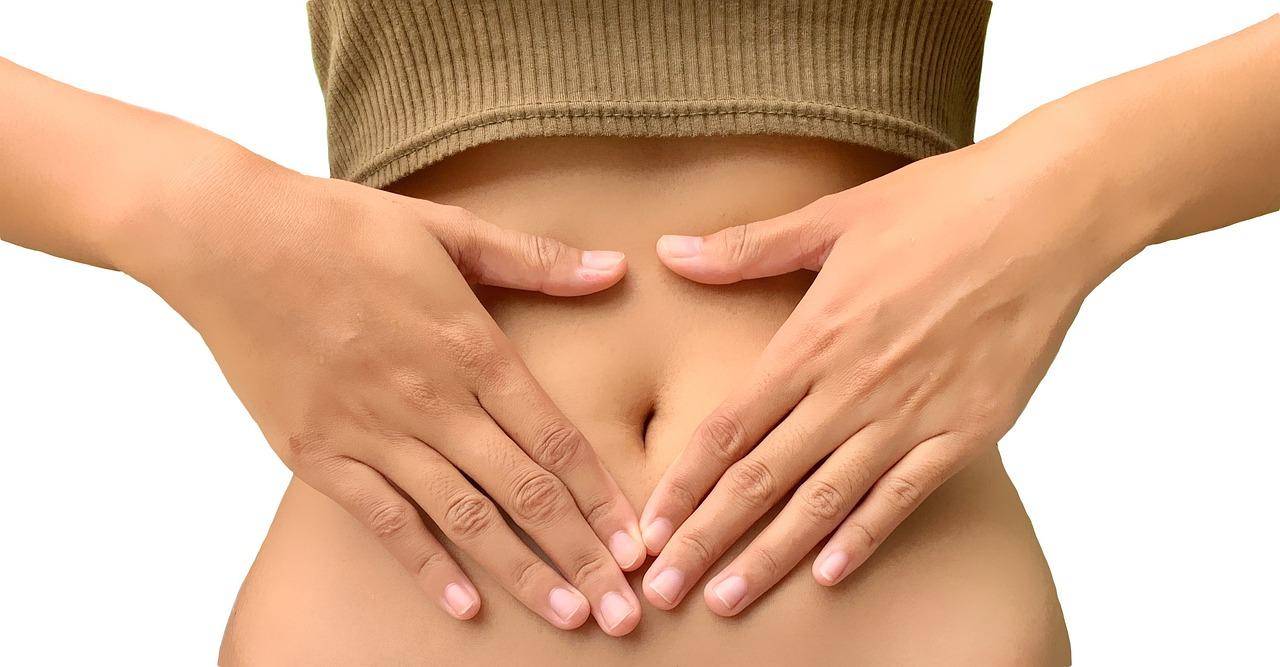
The Role Of Diet And Nutrition In Managing IBS (Irritable Bowel Syndrome)
Last updated on : 13 Nov, 2025
Read time : 10 min
According to the updated Rome IV criteria, Irritable Bowel Syndrome (IBS) is defined by recurrent abdominal pain on average at least one day per week in the last three months, associated with two or more of the following: related to defecation, associated with a change in frequency of stool, or associated with a change in form (appearance) of stool [1].
Dietary habits play a vital role in managing IBS symptoms. Research indicates that changes in gut function, such as altered gut motility (movement), visceral hypersensitivity (increased pain response), changes in the gut microbiome, and low-grade inflammation, are associated with IBS [2]. Nutrients and food components can directly stimulate receptors in the gut, influencing these abnormalities.
Dietary management is a cornerstone of symptom relief in IBS. This management is generally approached in two progressive steps:
- First-Line Approach: General diet and lifestyle modifications.
- Second-Line Approach: Specific, restrictive dietary patterns, most notably the Low FODMAP Diet [3].
Dietary factors that may influence or trigger IBS symptoms include:
- Specific food intolerances (non-allergic reactions).
- Poor absorption of certain carbohydrates and dietary fibers.
- Certain eating behaviors (e.g., large meals, rapid eating).
- Co-occurring conditions (e.g., lactose intolerance or certain mental health conditions).
The first-line approach focuses on straightforward, evidence-based diet and lifestyle changes. When the role of food allergy and intolerance in IBS is studied, true IgE-mediated food allergies are generally not seen as a primary driver of IBS symptoms [4]. Food intolerance, on the other hand, is a non-immune, non-toxic reaction to bioactive chemicals (like sulfites or histamine) or poorly absorbed food components, which can trigger gastrointestinal and sometimes non-gastrointestinal symptoms [3].
Typical recommendations for IBS include maintaining a consistent food intake schedule and limiting common trigger foods such as alcohol, high-fat meals, spicy foods, and caffeine. Lifestyle recommendations also include regular physical activity and adequate hydration [3].
Primary Diet and Lifestyle Modifications
1. Eating Habits
Consistent eating habits can significantly influence colonic motility and, consequently, IBS symptoms [3].
- Establish a regular pattern for meals (breakfast, lunch, dinner) with snacks between meals, if needed.
- Avoid long gaps between eating, eating late at night, or skipping meals.
- Eat slowly, chew food thoroughly, and avoid consuming very large meals at once to reduce the stress on the digestive system.
2. Alcohol Intake
Alcohol can affect gut motility, absorption, and intestinal permeability. Many individuals with IBS self-report alcohol as a symptom trigger [3].
- Assess alcohol intake levels to see if a change in consumption affects symptoms.
- Limit alcohol consumption to no more than one standard drink per day for women and two standard drinks per day for men, with a recommendation for two alcohol-free days per week [3]. A standard drink is defined as approximately 12 oz of regular beer, 5 oz of wine, or 1.5 oz of 80-proof distilled spirit.
3. Caffeine Intake
Caffeine stimulates gastric acid secretion and colon motor activity, potentially triggering IBS symptoms [5].
- Assess the role of coffee/caffeine in symptom induction for each individual with IBS.
- Limit total daily caffeine intake, controlling consumption of coffee, tea, energy drinks, soft drinks, and dark chocolates [5]. For most healthy adults, consumption should not exceed 400 mg per day [6].
4. Spicy Food Consumption
Many IBS patients report a link between spicy foods and symptom exacerbation [3]. Spicy foods, often containing capsaicin, can influence visceral pain perception and may contribute to reflux [3].
- The role of spicy food as a trigger should be assessed, and intake of such foods should be controlled or avoided if they aggravate symptoms.
- Other common food irritants, such as garlic, onions, and processed meats, should also be evaluated as potential symptom triggers.
5. Fat Intake
High-fat meals can restrict bowel motility in the duodenum, potentially leading to symptoms like gas retention and bloating in susceptible individuals [3]. Avoiding high-fat meals may lead to positive symptom outcomes in some IBS patients.
- Total fat intake should be moderated. Recommendations often suggest that total fat should comprise approximately 30–35% of total daily energy [3].
- The total amount of fat intake for a single meal should be moderate, typically not more than 30g [3]. Focus on reducing saturated and trans fats.
6. Dietary Fibre Intake
The effect of dietary fiber in IBS is complex and depends on the fiber type and the patient’s dominant symptoms [7]. Soluble fibre (e.g., psyllium) is often beneficial, while insoluble fibre (e.g., wheat bran) may exacerbate symptoms by increasing gas, abdominal pain, and distension [7].
- A gradual increase in soluble dietary fibre is recommended, aiming for a total intake of 20-35g/day [3].
- The intake of insoluble fibres, like wheat bran, should be maintained or reduced if they are found to aggravate symptoms.
- Patients with constipation-dominant IBS (IBS-C) may benefit from a trial of soluble fiber supplements like psyllium, or two tablespoons of ground linseed (flaxseed) daily [3]. Benefits may take up to 6 months to become apparent.
7. Milk and Dairy Products
The symptoms of lactose intolerance—such as abdominal discomfort, bloating, and loose stools—closely mimic those of IBS [8]. Lactose intolerance is caused by a deficiency in the lactase enzyme.
- A low-lactose diet should only be advised to patients with a positive lactose breath test [3].
- Patients should be informed about the potential risk of nutrient deficiencies (like calcium and Vitamin D) when restricting dairy [3].
- If a lactose breath test is negative, a short-term trial period of a lactose-free diet may be considered to assess lactose’s impact.
8. Fluids Intake
Adequate fluid intake is essential for general health and plays an unconventional role in improving stool characteristics [3].
- Consume 1.5 to 2 litres of non-caffeinated, non-alcoholic beverages (preferably water) daily [3]. This can help improve stool consistency and frequency, particularly in IBS-C.
9. Physical Activity
Regular, moderate physical activity can positively influence gut motility and reduce stress, which often exacerbates IBS symptoms [3].
- Moderate physical activity, such as brisk walking, swimming, yoga, or cycling, for 30 minutes daily, five or more days a week, is recommended [3].
- Recommendations should be tailored to the individual patient’s fitness level and lifestyle to maximize adherence and benefit.
Secondary Line of Approach: The Low-FODMAP Diet
The second line of approach is reserved for patients whose symptoms are not adequately managed by the primary dietary and lifestyle modifications. The most recognized and effective secondary approach is the Low FODMAP Diet [3].
LOW FODMAP Diet for IBS
FODMAP is an acronym for Fermentable Oligosaccharides, Disaccharides, Monosaccharides, and Polyols. These are a group of short-chain carbohydrates that are slowly or poorly absorbed in the small intestine [9].
- Mechanism: Poorly absorbed FODMAPs pass into the large intestine, where they draw excess water into the bowel and are rapidly fermented by gut bacteria, generating gas. This leads to intestinal distension, pain, and bloating, symptoms characteristic of IBS [9].
- Efficacy: Implementing a low-FODMAP diet has been shown to help nearly two-thirds of people suffering from IBS [9].
- Examples of High-FODMAP foods (to be avoided): wheat, rye, onions, garlic, legumes, milk, high-fructose fruits (apples, pears, mangoes), and polyols (sorbitol, mannitol).
- Examples of Low-FODMAP foods (allowed): Rice, quinoa, oats, specific vegetables (carrot, potato, zucchini), specific fruits (banana, orange, strawberry), and lactose-free dairy or non-dairy alternatives.
The Low FODMAP diet should be implemented with caution and guidance:
- The Low FODMAP diet must be tailored, initiated, and monitored by a specialized registered dietitian or nutritionist [3].
- It is not intended to be followed long-term. It is a diagnostic and therapeutic tool used for a limited duration (typically 3–8 weeks) to identify specific trigger categories [3].
- If no desired response is obtained after a maximum of four to six weeks, the therapy should be discontinued, and a different therapeutic option considered [3].
Gluten / Wheat Intake in IBS
Some patients without Celiac Disease or a wheat allergy still experience IBS-like symptoms upon consuming wheat-based products. This condition is termed Non-Celiac Gluten Sensitivity (NCGS) or, more accurately, Non-Celiac Wheat Sensitivity (NCWS) [3].
- When patients voluntarily choose to follow a gluten-free or NCGS/NCWS diet, they should be informed about the potential for conflicting evidence regarding its efficacy in non-Celiac IBS [3].
- Patients must be informed about the possible nutritional drawbacks or deficiencies (e.g., reduced fibre, B vitamins, and iron) that may occur with long-term, unmonitored adherence to a restrictive gluten-free diet [3].
Probiotics Supplementation in Irritable Bowel Syndrome
Probiotics are living microorganisms that, when administered in adequate amounts, confer a health benefit on the host. They are used to modulate the gut microbiome [3].
- Efficacy is strain-specific. While some benefits of specific probiotic strains for IBS are known, the optimum dose, organism, and duration are not universally established [10].
- A single probiotic strain should be introduced at a time. A second strain should only be considered if the first proves beneficial after an adequate trial period (e.g., 4 to 12 weeks) [3].
- Allow sufficient time (typically four weeks) to assess the effect of one probiotic before considering a switch or combination [3].
Conclusion
Systematic and evidence-based diet and nutrition management are essential tools for controlling Irritable Bowel Syndrome symptoms. Success lies in following the structured two-line approach—starting with basic modifications and progressing to more specific diets like the Low FODMAP diet, all under professional guidance.
Disclaimer
This article is for informational purposes only and is not a substitute for professional medical advice, diagnosis, or treatment. Please consult a healthcare provider (specifically a gastroenterologist or a registered dietitian) before beginning any new wellness practice, especially if you have an existing medical condition or are on medication.
References
[1] Drossman, D. A. (2016). Functional gastrointestinal disorders: History, pathophysiology, clinical features, and Rome IV. Gastroenterology, 150(6), 1262–1279. https://doi.org/10.1053/j.gastro.2016.02.012
[2] El-Salhy, M., & Gundersen, D. (2015). Diet in irritable bowel syndrome. Nutrition Journal, 14(1). https://doi.org/10.1186/s12937-015-0022-3
[3] Lacy, B. E., Hashash, J. G., Manning, L., & Chang, L. (2022). AGA clinical practice update on the role of diet in irritable bowel syndrome: Expert review. Gastroenterology, 162(6), 1737–1745.e5. https://doi.org/10.1053/j.gastro.2021.12.248
[4] Cozma-Petruţ, A., Loghin, F., Miere, D., & Dumitraşcu, D. L. (2017). Diet in irritable bowel syndrome: What to recommend, not what to forbid to patients! World Journal of Gastroenterology: WJG, 23(21), 3771–3783. https://doi.org/10.3748/wjg.v23.i21.3771
[5] Koochakpoor, G., Salari-Moghaddam, A., Keshteli, A. H., Esmaillzadeh, A., & Adibi, P. (2021). Association of coffee and caffeine intake with irritable bowel syndrome in adults. Frontiers in Nutrition, 8, 632469. https://doi.org/10.3389/fnut.2021.632469
[6] Wikoff, D., Welsh, B. T., Henderson, R., Brorby, K. F., Britt, J., Myers, E., Goldberger, J., Haddad, H., Harvey, S., Jones, M. B., Koester, S., Stone, A., & Han, D. H. (2017). Systematic review of the potential adverse effects of caffeine consumption in healthy adults, pregnant women, adolescents, and children. Food and Chemical Toxicology, 109(1), 585–648. https://doi.org/10.1016/j.fct.2017.04.004
[7] El-Salhy, M., Ystad, S. O., Mazzawi, T., & Gundersen, D. (2017). Dietary fiber in irritable bowel syndrome (Review). International Journal of Molecular Medicine, 40(3), 607–613. https://doi.org/10.3892/ijmm.2017.3072
[8] Al-Beltagi, M., Saeed, N. K., Bediwy, A. S., & Elbeltagi, R. (2022). Cow’s milk-induced gastrointestinal disorders: From infancy to adulthood. World Journal of Clinical Pediatrics, 11(6), 437–454. https://doi.org/10.5409/wjcp.v11.i6.437
[9] Shepherd, S. J., & Gibson, P. R. (2013). Fructose malabsorption and symptoms of irritable bowel syndrome: Guidelines for effective dietary management. Journal of the American Dietetic Association, 113(10), 1253–1256. https://doi.org/10.1016/j.jand.2013.04.017
[10] Didari, T., Mozaffari, S., Nikfar, S., & Abdollahi, M. (2015). Effectiveness of probiotics in irritable bowel syndrome: Updated systematic review with meta-analysis. World Journal of Gastroenterology, 21(10), 3072–3084. https://doi.org/10.3748/wjg.v21.i10.3072














Disclaimer
Our healthcare experts have carefully reviewed and compiled the information presented here to ensure accuracy and trustworthiness. It is important to note that this information serves as a general overview of the topic and is for informational purposes only. It is not intended to diagnose, prevent, or cure any health problem. This page does not establish a doctor-patient relationship, nor does it replace the advice or consultation of a registered medical practitioner. We recommend seeking guidance from your registered medical practitioner for any questions or concerns regarding your medical condition.
Popular Articles



Recommended Articles



Recent Articles







Company
About UsHealth ArticleHealth StoriesHealth LibraryDiseases & Health ConditionsAyurvedaUnderstanding Generic MedicinesAll MedicinesAll BrandsNeed HelpFAQSecuritySubscribe
Registered Office Address
Grievance Officer
Download Truemeds


Contact Us
Our customer representative team is available 7 days a week from 9 am - 9 pm.
v4.10.0

2025 - Truemeds | All rights reserved. Our content is for informational purposes only. See additional information.
Our Payment Partners