

- Medicines
- Personal Care
- Skin Cream
- Sunscreen
- Face Wash
- Skin and Body Soap
- Acne Care
- Body Lotions
- Moisturising Lotion
- Moisturising Cream
- Mosquito Repellent
- Moisturising Gel
- Body Wash
- Hair Oils
- Hair Shampoo
- Hair Conditioners
- Hair Supplements
- Hair Colour
- Hair Serum
- Hair Mask
- Hair Solutions
- Baby Diapers and Wipes
- Baby Lotion and Moisturising Cream
- Baby Bath Essentials
- Baby Skin Care
- Baby and Infant Food
- Baby Healthcare
- Women Multivitamins
- Ovulation Test Kit and Women Intimate Care
- Sanitary Pads
- Nutritional Drinks
- Condoms
- Lubricants
- Massage Gels
- Personal Body Massagers
- Men Performance Booster
- Sexual Health Supplements
- Massage Oils
- Ayurveda
- Tooth Paste
- Mouth Ulcer Gel
- Mouthwash
- Toothache and Gum Pain
- Tooth Brush
- Gargle Solution
- Orthopaedic Supports
- Adult Diapers
- Footwear
- Mobility and Support Accessories
- Urinary Support and Care
- Health Conditions
- Bone and Joint Care
- Digestive Care
- Eye Care
- Pain Relief
- Smoking Cessation
- Liver Care
- Stomach Care
- Cold and Cough
- Heart Care
- Kidney Care
- Piles, Fissures & Fistula
- Respiratory Care
- Mental Wellness
- Derma Care
- Pre and Probiotics
- Acidity
- Gas
- Constipation
- Loose Motion/Diarrhoea
- Digestive Fibres
- Digestive Enzymes
- Eye Lubricant Drops
- Lens Solution
- Safety Eye Wear
- Eye Cream
- Eye Vitamins and Supplements
- Eye Drops
- Eye Ointment and Gel
- Nicotine Patch
- Nicotine Gum
- Nicotine Lozenges
- Cough Syrups
- Chest Rubs and Balms
- Nasal Spray
- Lozenges
- Inhalant Capsules
- Cold and Cough Tablets
- Vitamins & Supplements
- Diabetes Care
- Healthcare Devices
- Homeopathic Medicine
- Health Guide
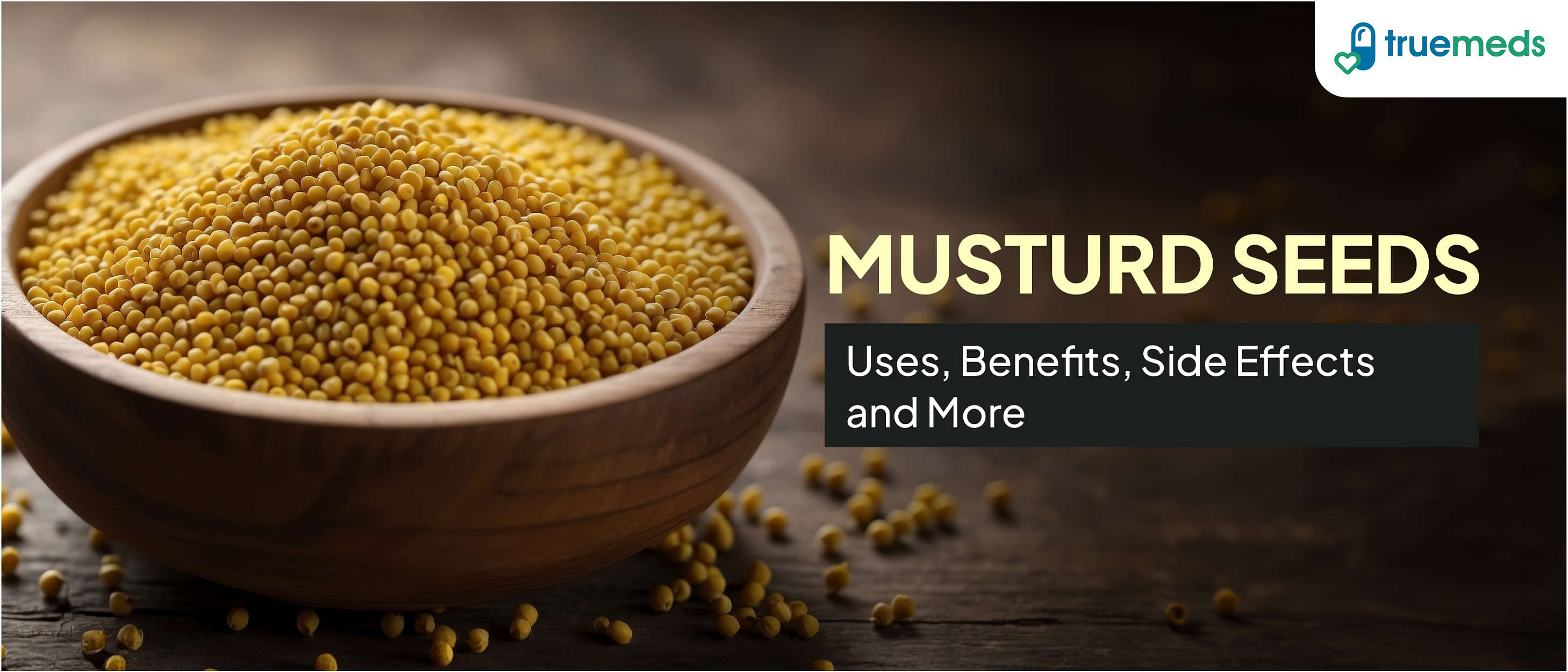
Mustard Seeds: Uses, Benefits, Side Effects, and More
Last updated on : 01 Dec, 2025
Read time : 10 min
Known in India as sarso seeds, mustard seeds are small, round gems that come from the various species of mustard plants. Belonging to the Brassica family, these seeds have been part of human cultivation for over 5,000 years. Their existence has not only added flavour to our meals but also coloured our history and culture. From Asia to Europe, the mustard seed has found a special place in culinary practices, and its benefits extend far beyond just taste.
In traditional medicine systems such as Ayurveda, mustard seeds have been traditionally used for their perceived health-supporting properties. While it’s no surprise then that this humble seed is not just a kitchen staple but also a cherished health aid, it’s crucial to understand that their use in modern clinical practice is still evolving and based on ongoing research.
Quick Facts about Mustard Seeds
Did You Know?
- The mustard plant is a member of the cruciferous family, much like nutrient-rich vegetables such as cabbage and broccoli.
- Beyond their culinary uses, black mustard seeds have been traditionally used in home remedies such as mustard plasters, believed to provide relief for respiratory discomfort and certain muscular or joint pains, but users should exercise caution due to potential skin irritation [3].
Nutritional Profile of Mustard Seeds
Mustard seeds are a nutritional powerhouse, packed with essential vitamins, minerals, and other vital nutrients. They are particularly noted for their high content of dietary fibre, protein, and essential minerals like calcium, iron, and magnesium [1].
Here’s a detailed breakdown of the nutritional value of raw mustard seeds per 100g, based on USDA data :
|
Nutrient |
Amount per 100 g |
| Energy | 1,964 kJ (469 kcal) |
| Macronutrients | |
| Carbohydrates | 34.94 g |
| Dietary Fibre | 14.7 g (Excellent Source) |
| Protein | 24.94 g (High Content) |
| Fat | 28.76 g |
| Key Minerals | |
| Calcium | 521 mg |
| Iron | 9.98 mg |
| Magnesium | 298 mg |
| Phosphorus | 841 mg |
| Potassium | 682 mg |
| Zinc | 5.7 mg |
| Key Vitamins | |
| Niacin (B3) | 7.890 mg |
| Folate (B9) | 76 µg |
| Vitamin E | 2.89 mg |
Potential Health Benefits of Mustard Seeds
Scientific research is exploring the therapeutic potential of mustard seeds, primarily due to their unique chemical compounds like glucosinolates and isothiocyanates. Here are some of the areas being investigated:
1. Digestive Health
The high dietary fibre content in mustard seeds aids digestion by promoting regular bowel movements and potentially preventing constipation. A 100g serving provides nearly 15g of fibre, significantly contributing to the recommended daily intake (RDI) [1].
2. Cardiovascular Support
Mustard seeds contain healthy fats, including monounsaturated and polyunsaturated fats (such as Omega-3 fatty acids) [2]. These fats may help support a healthy lipid profile by potentially helping to lower LDL (“bad”) cholesterol and improve HDL (“good”) cholesterol levels in individuals when consumed as part of a balanced diet. Their natural antioxidants, including glucosinolates, have been shown to exhibit anti-inflammatory and anti-oxidative stress effects, which are protective against vascular damage [2]. Additionally, mustard oil, which is rich in monounsaturated fatty acids, has been an area of research for its potential role in regulating blood pressure and improving overall vascular function in certain populations [4].
3. Anti-Inflammatory and Antioxidant Properties
Mustard seeds are rich in antioxidants, which include various polyphenols, flavonoids, and carotenoids [2]. These compounds help neutralise free radicals in the body, reducing oxidative stress. The glucosinolates and isothiocyanates present in the seeds are key players, with studies suggesting they possess significant anti-inflammatory and chemopreventive (potential cancer-fighting) properties [5], though more human clinical trials are needed to confirm these effects [2].
4. Skin Health and Traditional Topical Use
Traditionally, and in some folk medicine practices, mustard seeds have been used for skin health due to compounds with documented antibacterial and anti-inflammatory properties [2]. A paste made from ground seeds is occasionally used for conditions like acne or psoriasis, but extreme caution is advised due to the high risk of skin irritation or chemical burns, especially with black mustard varieties [3].
Culinary and Plant Uses of Mustard
Mustard has a wide range of culinary applications. Their strong, pungent flavour enhances both Indian and global cuisines.
Cooking with Mustard Seeds: Common Recipes and Methods
These small yet flavourful seeds are incredibly versatile and can be used in a variety of ways:
- Tempering (Tadka): A typical Indian method, regionally called “tadka,” where mustard seeds are added to hot oil or ghee. This process infuses the dish with the seed’s unique, slightly spicy flavour and is often used in dishes like dal, sambar, and various vegetable preparations.
- Pickling: In Indian households, mustard seeds (often ground) are commonly mixed with spices, vinegar, and sometimes oil to create tangy and flavourful pickles, such as Aam ka Achaar (Mango Pickle).
- Grinding: Mustard seeds can be ground into a paste or powder. This form is commonly used as a base for curries, a pungent addition to sauces and dips, or simply as a seasoning.
Uses of the Mustard Plant (Beyond the Seeds)
The entire mustard plant (Brassica species) is valuable:
- Leaves (Mustard Greens): The edible leaves of the mustard plant are nutrient-rich and used in many dishes. In India, they form the primary ingredient of the famed Punjabi dish Sarson Ka Saag.
- Oil (Mustard Oil): Extracted from the seeds, mustard oil is widely used for cooking in the Eastern parts of India due to its unique flavour and perceived health benefits. It is essential to note that the use of mustard oil for cooking is restricted in some Western countries due to its erucic acid content, and it is sometimes labelled for external use only in those regions.
Potential Side Effects and Safety Considerations
It is critical to be fully aware of the potential risks associated with consuming or applying mustard seeds, especially in high concentrations or to sensitive individuals.
1. Severe Allergic Reactions (Anaphylaxis Risk)
Mustard is recognized as a major food allergen globally. Allergic symptoms could range from mild skin rashes or hives to severe reactions like anaphylaxis, which is a life-threatening medical emergency requiring immediate attention [6].
Immediate Medical Warning: If you experience symptoms such as difficulty breathing, swelling of the throat/tongue, or a sudden drop in blood pressure after consuming mustard, seek emergency medical care immediately.
Cross-Reactivity: If you have known allergies to other Brassica family vegetables (like cabbage, broccoli, or rapeseed/canola), it would be wise to exercise caution while consuming mustard seeds.
2. Digestive Issues
Though mustard seeds have many health benefits, overconsumption might lead to digestive issues. This is mainly due to their high fibre content and the presence of irritant compounds. You might experience bloating, gas, diarrhoea, or abdominal cramps if you consume excessive amounts of these seeds [3].
3. Topical Safety
Direct skin application of ground mustard seeds or essential oil is strongly discouraged without professional guidance. Mustard contains allyl isothiocyanate, which can act as a severe irritant, leading to contact dermatitis, skin blistering, or even chemical burns if applied in high concentrations or for extended periods [3].
How to Incorporate Mustard Seeds into Your Diet
Mustard seeds are versatile and can be used in numerous ways in cooking:
1. In Cooking: Tips for Using Mustard Seeds
- Start Small: If you’re new to mustard seeds, start by using small amounts to check your tolerance and taste preference.
- Tempering: Temper mustard seeds in hot oil or ghee until they begin to pop before adding other ingredients. This process mellows their pungency and enhances their flavour.
- Ground Form: Ground mustard seeds can be used in dressings, marinades, and spice blends for a milder, more pervasive flavour.
2. As Supplements: Forms and Recommended Dosages
While mustard seeds can be eaten whole or as a powder in food, there are no official clinical guidelines for their use as a standalone supplement.
- General Guidance (Based on Culinary Use): For most healthy adults, 1-2 teaspoons of whole seeds per day, incorporated into cooking, is generally considered safe and beneficial. Always consult a doctor or registered dietitian before starting any concentrated supplement.
Conclusion
Mustard seeds provide a host of culinary and potential health benefits. From enhancing the flavour of dishes to their promising advantages being explored in cardiovascular and anti-inflammatory research, they are indeed a versatile addition to any diet.
However, due to the high risk of allergic reactions and potential digestive distress from overconsumption, it is essential to be acutely aware of potential side effects and interactions. Thoughtful incorporation of mustard seeds into your cooking will enable you to enjoy their many benefits while minimising risks.
Always remember that no single food can cure a disease. Consult with your family physician, a clinical nutritionist, or a registered dietitian for personalised advice, especially if you have specific health concerns, known allergies, or are taking medications.
Frequently Asked Questions (FAQs)
What is the Indian name for mustard seeds?
Mustard seeds are commonly known as “sarso” or “rai” in India.
Is it OK to eat mustard every day?
Yes, consuming mustard seeds or prepared mustard daily, in moderation and within recommended serving sizes, can offer multiple health benefits without causing adverse effects for most people.
How much mustard seed should you eat a day?
While there is no formal medical dosage, generally, incorporating 1-2 teaspoons of mustard seeds per day into your meals is considered safe and beneficial for most healthy adults.
Is mustard good for your liver?
Preliminary research suggests that the antioxidants and unique bioactive compounds in mustard seeds could potentially offer a protective effect to the liver by reducing oxidative stress [2], but this is not a substitute for medical treatment for liver conditions.
References
[1] U.S. Department of Agriculture. (2022). Mustard seed, yellow. FoodData Central. https://fdc.nal.usda.gov/fdc-app.html#/food-details/170624/nutrients
[2] Das, G., Tantengco, O. A. G., Tundis, R., Robles, J. A. H., Loizzo, M. R., Shin, H. S., & Patra, J. K. (2022). Glucosinolates and omega-3 fatty acids from mustard seeds: Phytochemistry and pharmacology. Plants, 11(17), 2290. https://doi.org/10.3390/plants11172290
[3] Lietzow, J. (2021). Biologically active compounds in mustard seeds: A toxicological perspective. Foods, 10(9), 2089. https://doi.org/10.3390/foods10092089
[4] Shahzadi, T., Noor, M., Waheed, M., Hussain, M. B., Fatima, A., Islam, M., … & Mehmood, A. (2025). Mustard seeds and leaves: Exploring nutritional benefits and therapeutic applications. International Journal of Agriculture and Sustainable Development, 7(2), 260–280. https://journal.xdgen.com/index.php/ijasd/article/view/282
[5] Sultana, T., Lee, E. Y., Ryu, H. W., & Heo, J. C. (2021). The Potential Effects of Isothiocyanates on Cancer: A Review of Recent Progress. Molecules, 26(15), 4505. https://doi.org/10.3390/molecules26154505
[6] Pałgan, K., Żbikowska-Gotz, M., & Bartuzi, Z. (2016). Dangerous anaphylactic reaction to mustard. Archives of Medical Science, 14(2), 477–479. https://doi.org/10.5114/aoms.2016.60580












Disclaimer
Our healthcare experts have carefully reviewed and compiled the information presented here to ensure accuracy and trustworthiness. It is important to note that this information serves as a general overview of the topic and is for informational purposes only. It is not intended to diagnose, prevent, or cure any health problem. This page does not establish a doctor-patient relationship, nor does it replace the advice or consultation of a registered medical practitioner. We recommend seeking guidance from your registered medical practitioner for any questions or concerns regarding your medical condition.
Popular Articles
Recommended Articles


Recent Articles







Company
About UsHealth ArticleHealth StoriesHealth LibraryDiseases & Health ConditionsAyurvedaUnderstanding Generic MedicinesAll MedicinesAll BrandsNeed HelpFAQSecuritySubscribe
Registered Office Address
Grievance Officer
Download Truemeds


Contact Us
Our customer representative team is available 7 days a week from 9 am - 9 pm.
v4.10.1

2025 - Truemeds | All rights reserved. Our content is for informational purposes only. See additional information.

Our Payment Partners




