

- Medicines
- Personal Care
- Skin Cream
- Sunscreen
- Face Wash
- Skin and Body Soap
- Acne Care
- Body Lotions
- Moisturising Lotion
- Moisturising Cream
- Mosquito Repellent
- Moisturising Gel
- Body Wash
- Hair Oils
- Hair Shampoo
- Hair Conditioners
- Hair Supplements
- Hair Colour
- Hair Serum
- Hair Mask
- Hair Solutions
- Baby Diapers and Wipes
- Baby Lotion and Moisturising Cream
- Baby Bath Essentials
- Baby Skin Care
- Baby and Infant Food
- Baby Healthcare
- Women Multivitamins
- Ovulation Test Kit and Women Intimate Care
- Sanitary Pads
- Nutritional Drinks
- Condoms
- Lubricants
- Massage Gels
- Personal Body Massagers
- Men Performance Booster
- Sexual Health Supplements
- Massage Oils
- Ayurveda
- Tooth Paste
- Mouth Ulcer Gel
- Mouthwash
- Toothache and Gum Pain
- Tooth Brush
- Gargle Solution
- Orthopaedic Supports
- Adult Diapers
- Footwear
- Mobility and Support Accessories
- Urinary Support and Care
- Health Conditions
- Bone and Joint Care
- Digestive Care
- Eye Care
- Pain Relief
- Smoking Cessation
- Liver Care
- Stomach Care
- Cold and Cough
- Heart Care
- Kidney Care
- Piles, Fissures & Fistula
- Respiratory Care
- Mental Wellness
- Derma Care
- Pre and Probiotics
- Acidity
- Gas
- Constipation
- Loose Motion/Diarrhoea
- Digestive Fibres
- Digestive Enzymes
- Eye Lubricant Drops
- Lens Solution
- Safety Eye Wear
- Eye Cream
- Eye Vitamins and Supplements
- Eye Drops
- Eye Ointment and Gel
- Nicotine Patch
- Nicotine Gum
- Nicotine Lozenges
- Cough Syrups
- Chest Rubs and Balms
- Nasal Spray
- Lozenges
- Inhalant Capsules
- Cold and Cough Tablets
- Vitamins & Supplements
- Diabetes Care
- Healthcare Devices
- Homeopathic Medicine
- Health Guide
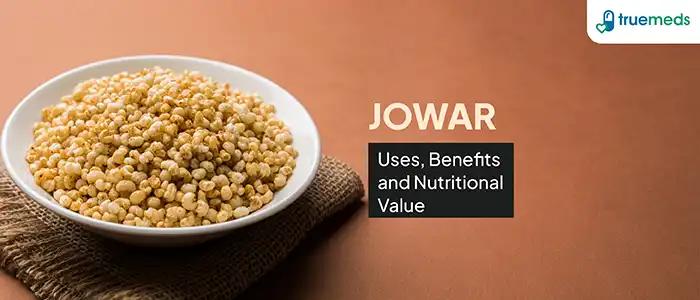
Jowar: Uses, Benefits, Side Effects and More
Last updated on : 01 Dec, 2025
Read time : 10 min
Jowar, also known as sorghum, is a traditional grain with deep roots in Indian and African diets. This naturally gluten-free cereal has gained attention in recent years due to its nutritional density and potential role in a balanced diet [1]. With an ability to morph into various culinary forms, from rotis to snacks, jowar brings both taste and health to your dining table. In this blog, we explore its composition, everyday uses, and its health-related properties.
What is Jowar?
Jowar, scientifically known as Sorghum bicolour, is a species of grass in the Poaceae family. It goes by numerous names across the globe, durra, jowari, or great millet. Indigenous to northeastern Africa, it has been cultivated for nearly 4,000 years. Today, India, along with Nigeria, stands among the largest producers of this fifth most important cereal globally, following maize, wheat, rice, and barley.
Nutritional Profile of Jowar
Jowar, also known as Sorghum, is an incredibly nutritious grain that is packed with essential nutrients [2]. Here’s a breakdown of the nutritional content of jowar per 100 grams:
| Nutrient | Amount |
| Energy | 375 kcal |
| Protein | 8.27 g |
| Total Fat | 3.59 g |
| Carbohydrates | 77.4 g |
| Total Dietary Fibre | 6 g |
| Starch | 66.3 g |
| Calcium | 11 mg |
| Iron | 3.72 mg |
| Magnesium | 116 mg |
| Phosphorus | 262 mg |
| Potassium | 335 mg |
| Sodium | <2.5 mg |
| Zinc | 1.66 mg |
| Thiamin (Vitamin B1) | 0.27 mg |
| Niacin (Vitamin B3) | 3.95 mg |
| Other B Vitamins/Minerals | (See source for full list) |
As you can see, Jowar is rich in complex carbohydrates and fibre, which may contribute to sustained energy and support digestive health as part of a balanced diet. For those wrestling with gluten intolerance issues, here’s a piece of good news—jowar is naturally gluten-free [7]!
Potential Health Benefits of Jowar
Jowar contains a rich array of nutrients, antioxidants, and dietary fibre, which collectively support several functions in the body [1], [ 3].
- Naturally Gluten-Free: Jowar is a naturally gluten-free grain, making it an excellent and safe alternative for individuals with celiac disease or gluten sensitivity [7].
- May Support Blood Sugar Management: Jowar is a low-glycemic grain, and its high dietary fibre content may help slow down the absorption of glucose, which can support steadier blood sugar levels when included as part of a balanced diet [6].
- May Support Healthy Cholesterol Levels: The high fibre content in jowar aids in binding with dietary cholesterol in the gut, which may help to effectively reduce LDL (“bad cholesterol”) levels, thereby supporting cardiovascular health [1], [3].
- Promotes Heart Health: Jowar is packed with essential nutrients like magnesium and potassium, which are vital for maintaining healthy blood pressure and supporting overall cardiovascular wellness [2].
- Improves Gut Health: The dietary fibre in jowar acts as a bulking agent, supporting regular bowel movements and easing constipation, which is fundamental to overall digestive function [1].
- Improves Bone Health: Jowar is a source of minerals such as calcium, phosphorus, and magnesium [2]. Magnesium is particularly important as it aids in the absorption and utilisation of calcium, which promotes better bone density and strength [1].
- May Aid in Weight Management: The high fibre content in jowar contributes to increased satiety (the feeling of fullness), which helps control appetite and may lead to a reduction in overall calorie intake. Thus, it can be a beneficial grain for those looking to manage their weight effectively [4].
- Source of Antioxidants: Jowar is rich in various antioxidants, including phenolic acids and anthocyanins [3]. This property is essential for combating free radicals in the body, promoting overall health, and supporting a reduced risk of chronic diseases [1].
- Supports Iron Levels: Jowar is a good source of Iron (3.72 mg/100g), an essential element for the production of red blood cells. Consuming iron-rich foods like jowar may help support healthy iron levels and reduce the risk of anaemia, especially when included in a varied diet that includes Vitamin C sources to enhance iron absorption [2].
- Provides Sustained Energy: Owing to its high complex carbohydrate content, jowar serves as a significant source of energy. These complex carbohydrates digest slowly, providing a sustained release of energy throughout the day, preventing sharp energy spikes and crashes [1].
Uses of Jowar in Different Culinary Preparations
Jowar, or sorghum, is a versatile grain that can be used in various culinary preparations across different forms.
1) Jowar Flour
- Gluten-Free Alternative: Jowar flour is an excellent choice for those following a gluten-free diet, including individuals with coeliac disease [7].
- Use in Baking: It can be used as a wheat flour substitute in baking breads, pancakes, muffins, and cakes. It provides a unique, nutty flavour and a slightly dense texture.
- Traditional Recipes: Jowar flour is traditionally used to make Indian flatbreads called rotis or chapatis, as well as dosas, idlis, and other savoury dishes. When cooking, you may need to adjust the liquid content compared to using wheat flour.
2) Whole Jowar Grains
- Cooking Methods: Whole jowar grains can be cooked similar to rice or barley—either boiled or steamed. Once cooked, they have a slightly chewy texture.
- Inclusion in Dishes: The nutty flavour of whole jowar grains lends itself well to adding nutritional bulk to salads, soups, and stews. They can easily replace rice or pasta in many savoury recipes.
- Traditional and Modern Recipes: Jowar is a staple in many traditional Indian recipes. It can also be incorporated into modern dishes like grain bowls, pilafs, and casseroles.
3) Jowar as a Beverage (Jowar Sattu)
Jowar can be used to make a refreshing and nutritious drink called jowar sattu. This beverage is prepared by roasting the grains, grinding them into a fine powder, and then mixing the powder with water or milk. This cooling drink is a wholesome addition to the diet, especially during the hot summer months.
Potential Side Effects and Precautions
While jowar is a powerhouse of nutrition, there are a few precautions to keep in mind to maximise its benefits and minimise potential side effects.
- Digestive Issues: Jowar is rich in dietary fibre. While beneficial, consuming large quantities quickly can lead to temporary bloating, gas, or diarrhoea, especially if you are not accustomed to a high-fibre diet. To avoid this, introduce jowar gradually and ensure you drink plenty of water to help the fibre pass through the digestive system.
- Mineral Absorption (Phytic Acid): Jowar contains phytic acid (phytate), which can reduce the absorption of essential minerals such as iron and zinc from your diet. This can be significantly mitigated by traditional preparation methods like soaking, sprouting, or fermenting jowar before use, which naturally breaks down the phytic acid [1], [ 3].
- Thyroid Function: Some animal studies suggest that consuming very large amounts of raw jowar could potentially affect thyroid function due to the presence of goitrogens. To prevent this, always ensure that jowar is well-cooked before consumption [1].
- Allergic Reactions: Although rare, some individuals may experience allergic reactions to jowar, similar to other cereal grains. If symptoms such as skin irritation or difficulty breathing occur, discontinue use and consult a healthcare professional.
Conclusion
Jowar, or sorghum, is a remarkable grain that has stood the test of time, offering both nutritional benefits and culinary versatility. Its rich profile of vitamins, minerals, and dietary fibre makes it an excellent choice for those seeking to enhance their diet with healthy, gluten-free options. Whether enjoyed as flour, whole grains, or in beverages, jowar is a nutritious grain worth exploring for its flavour, health potential, and cultural significance.
Frequently Asked Questions (FAQs)
Is jowar gluten-free?
Yes, jowar is naturally gluten-free and is a great alternative for those with gluten intolerance or celiac disease [7].
How does jowar compare to other grains like wheat and rice?
Jowar typically surpasses refined wheat and white rice in total fibre and protein content. It also has a lower glycaemic index, making it a generally healthier choice for sustained energy [1].
Can jowar help in managing diabetes?
Jowar’s high fibre content and low glycaemic index mean it can aid in supporting steadier blood sugar levels, thus benefiting diabetes management as part of a controlled diet. Always consult your doctor or a dietitian for personalised dietary advice [6].
Are there any potential allergens in jowar?
Allergies to jowar are rare. However, people with a sensitivity to certain grassy grains may potentially experience allergic reactions.
How can I use jowar flour in baking?
Jowar flour can be used as a partial or full substitute for wheat flour when making breads, cakes, cookies, and more. For best results, it is often mixed with other gluten-free flours to prevent an overly dense texture.
Does jowar have any medicinal uses in traditional medicine?
Traditionally, jowar has been used for its anti-inflammatory and antioxidant properties, and it is cited as aiding in digestion and boosting immunity [1], [ 3].
Can jowar be included in a weight loss diet?
Definitely. The high fibre content in jowar promotes satiety (fullness), which can help control appetite and may aid in weight management by reducing overeating [4].
How can I cook whole jowar grains?
Whole jowar grains can be cooked just like rice or barley—it’s best to soak them first, then boil until they are soft and chewy. They make a nutritious addition to salads and soups.
References
[1] Stefoska-Needham, A. (2024). Sorghum and health: An overview of potential protective health effects. Journal of Food Science, 89(S1), A30–A41. https://doi.org/10.1111/1750-3841.16978
[2] U.S. Department of Agriculture, Agricultural Research Service. (n.d.). Food data central: Nutrient data for food ID 2512373. https://fdc.nal.usda.gov/food-details/2512373/nutrients
[3] Tanwar, R., Panghal, A., Chaudhary, G., Kumari, A., & Chhikara, N. (2023). Nutritional, phytochemical and functional potential of sorghum: A review. Food Chemistry Advances, 3, 100501. https://doi.org/10.1016/j.focha.2023.100501
[4] Anunciação, P. C., De Morais Cardoso, L., De Cássia Gonçalves Alfenas, R., Queiroz, V. a. V., Carvalho, C. W. P., Martino, H. S. D., & Pinheiro-Sant’Ana, H. M. (2018). Extruded sorghum consumption associated with a caloric restricted diet reduces body fat in overweight men: A randomized controlled trial. Food Research International, 119, 693–700. https://doi.org/10.1016/j.foodres.2018.10.048
[5] Mishra, S., & Singh, R. (2024). A COMPREHENSIVE STUDY OF NUTRITIONAL PROFILE, ANTIOXIDANT ACTIVITY AND PHYTOCHEMICAL PROPERTIES OF INDIGENOUS INDIAN MILLETS. African Journal of Food, Agriculture, Nutrition & Development, 24(12). https://ajfand.net/Volume24/No12/Singh25025.pdf
[6] Park, J. H., Lee, S. H., Chung, I.-M., & Park, Y. (2012). Sorghum extract exerts an anti-diabetic effect by improving insulin sensitivity via PPAR-γ in mice fed a high-fat diet. Nutrition Research and Practice, 6(4), 322–327. https://doi.org/10.4162/nrp.2012.6.4.322
[7] Pontieri, P., Mamone, G., De Caro, S., Tuinstra, M. R., Roemer, E., Okot, J., De Vita, P., Ficco, D. B. M., Alifano, P., Pignone, D., Massardo, D. R., & Del Giudice, L. (2013). Sorghum, a healthy and gluten-free food for celiac patients as demonstrated by genome, biochemical, and immunochemical analyses. Journal of Agricultural and Food Chemistry, 61(10), 2565–2571. https://doi.org/10.1021/jf304882k
















Disclaimer
Our healthcare experts have carefully reviewed and compiled the information presented here to ensure accuracy and trustworthiness. It is important to note that this information serves as a general overview of the topic and is for informational purposes only. It is not intended to diagnose, prevent, or cure any health problem. This page does not establish a doctor-patient relationship, nor does it replace the advice or consultation of a registered medical practitioner. We recommend seeking guidance from your registered medical practitioner for any questions or concerns regarding your medical condition.
Popular Articles


Recommended Articles




Recent Articles










Company
About UsHealth ArticleHealth StoriesHealth LibraryDiseases & Health ConditionsAyurvedaUnderstanding Generic MedicinesAll MedicinesAll BrandsNeed HelpFAQSecuritySubscribe
Registered Office Address
Grievance Officer
Download Truemeds


Contact Us
Our customer representative team is available 7 days a week from 9 am - 9 pm.
v4.10.3

2025 - Truemeds | All rights reserved. Our content is for informational purposes only. See additional information.

Our Payment Partners