

- Medicines
- Personal Care
- Skin Cream
- Sunscreen
- Face Wash
- Skin and Body Soap
- Acne Care
- Body Lotions
- Moisturising Lotion
- Moisturising Cream
- Mosquito Repellent
- Moisturising Gel
- Body Wash
- Hair Oils
- Hair Shampoo
- Hair Conditioners
- Hair Supplements
- Hair Colour
- Hair Serum
- Hair Mask
- Hair Solutions
- Baby Diapers and Wipes
- Baby Lotion and Moisturising Cream
- Baby Bath Essentials
- Baby Skin Care
- Baby and Infant Food
- Baby Healthcare
- Women Multivitamins
- Ovulation Test Kit and Women Intimate Care
- Sanitary Pads
- Nutritional Drinks
- Condoms
- Lubricants
- Massage Gels
- Personal Body Massagers
- Men Performance Booster
- Sexual Health Supplements
- Massage Oils
- Ayurveda
- Tooth Paste
- Mouth Ulcer Gel
- Mouthwash
- Toothache and Gum Pain
- Tooth Brush
- Gargle Solution
- Orthopaedic Supports
- Adult Diapers
- Footwear
- Mobility and Support Accessories
- Urinary Support and Care
- Health Conditions
- Bone and Joint Care
- Digestive Care
- Eye Care
- Pain Relief
- Smoking Cessation
- Liver Care
- Stomach Care
- Cold and Cough
- Heart Care
- Kidney Care
- Piles, Fissures & Fistula
- Respiratory Care
- Mental Wellness
- Derma Care
- Pre and Probiotics
- Acidity
- Gas
- Constipation
- Loose Motion/Diarrhoea
- Digestive Fibres
- Digestive Enzymes
- Eye Lubricant Drops
- Lens Solution
- Safety Eye Wear
- Eye Cream
- Eye Vitamins and Supplements
- Eye Drops
- Eye Ointment and Gel
- Nicotine Patch
- Nicotine Gum
- Nicotine Lozenges
- Cough Syrups
- Chest Rubs and Balms
- Nasal Spray
- Lozenges
- Inhalant Capsules
- Cold and Cough Tablets
- Vitamins & Supplements
- Diabetes Care
- Healthcare Devices
- Homeopathic Medicine
- Health Guide
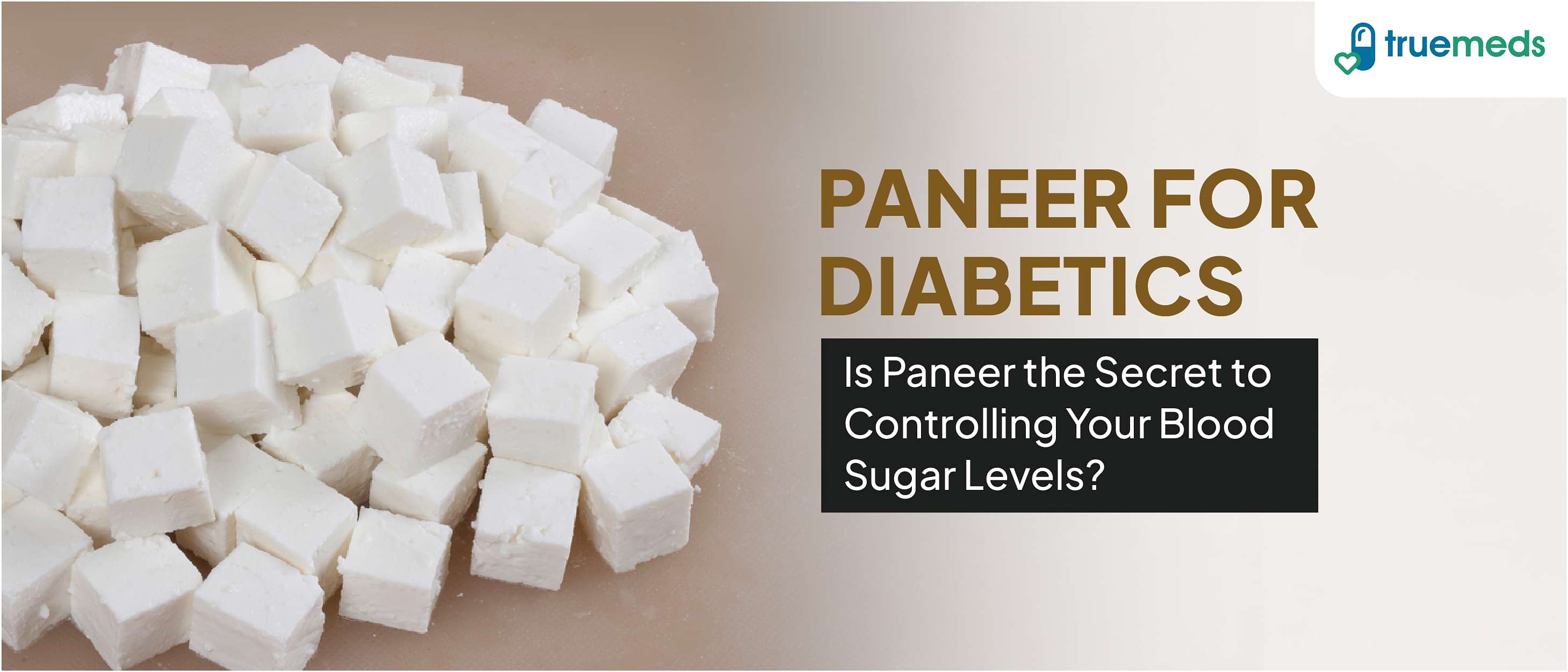
Is Paneer Good for Diabetes? Exploring Its Role in Blood Sugar Management
Last updated on : 01 Dec, 2025
Read time : 7 min
Is paneer good for diabetes? This beloved Indian cheese has recently gained attention for its potential role in managing the condition. With its unique nutritional profile, particularly its high protein and low carbohydrate content, paneer may be a valuable addition to a diabetes-friendly diet when consumed in moderation.
In this blog, we explore its nutritional composition and how it may support stable blood sugar control while providing essential nutrients for overall well-being.
Nutritional Profile of Paneer
Paneer, a popular Indian cheese, offers several nutritional advantages that are beneficial for individuals with diabetes. Its high protein levels and naturally low carbohydrate content are key factors that help in managing blood sugar.
Let’s explore the specific nutritional components.
1. High Protein Content
- Paneer is an excellent source of protein, typically containing around 18-21 grams of protein per 100 grams (the amount can vary based on preparation) [1].
- This macronutrient is known to slow down the digestion and absorption of carbohydrates [2].
- The slower absorption results in a more gradual release of glucose into the bloodstream, helping to prevent rapid post-meal blood sugar spikes.
- Protein also supports muscle health, satiety, and is crucial for weight management, a key factor in diabetes control.
2. Low Glycemic Index (GI) and Carbohydrates
- Paneer is naturally very low in carbohydrates, giving it a low Glycemic Index (GI).
- Foods with a low GI cause a slower and lower rise in blood glucose levels.
- By contributing minimal carbohydrates, paneer helps maintain more steady blood sugar levels compared to high-carb snacks.
3. Rich in Essential Minerals
Paneer is a good source of several minerals vital for overall health and specific to diabetes management:
- Calcium: Paneer is high in calcium, essential for strong bones and teeth [3]. Calcium may also play a role in insulin secretion and sensitivity [4].
- Magnesium and Phosphorus: Both minerals are present in paneer. Magnesium intake has been inversely associated with the risk of developing Type 2 Diabetes [5].
4. Contains Fats, Including Some Essential Fatty Acids
- Paneer contains fat, the amount of which depends on whether it’s made from full-fat or low-fat milk.
- The fat content contributes to its satiating effect.
- It contains small amounts of Conjugated Linoleic Acid (CLA) and some essential fatty acids like omega-3 and omega-6 [1], which may support heart health. However, due to the high saturated fat in full-fat paneer, moderation is essential.
How Paneer Affects Blood Sugar Levels
- Paneer’s impact on blood sugar is primarily due to its combination of high protein and fat content with minimal carbohydrates. Unlike carbohydrate-rich foods, paneer does not directly contribute a significant glucose load.
- The protein component requires more time for digestion, which significantly mitigates the impact of any accompanying carbohydrates in a meal, leading to a flatter and more stable blood glucose response.
- The fat content also contributes to a feeling of fullness (satiety), helping to regulate overall food intake and reduce the likelihood of consuming high-glycemic snacks later.
Potential Health Benefits of Paneer for Diabetics
When consumed appropriately, incorporating paneer into a balanced diet can offer several general and specific health advantages for individuals with diabetes.
1. Promotes Satiety and Weight Management
- Paneer’s high protein content is a significant benefit.
- Protein is the most satiating macronutrient, meaning it helps regulate appetite by promoting a feeling of fullness for a longer duration [2].
- This can reduce overall calorie intake and prevent overeating, which is critical for weight management—a primary pillar of Type 2 Diabetes care.
2. Supports Heart Health
- Individuals with diabetes often have an increased risk of cardiovascular disease.
- While paneer contains saturated fat, which should be monitored, its potassium and magnesium content can help support healthy blood pressure levels, thereby reducing cardiovascular risk [3].
- Choosing low-fat paneer and monitoring portion sizes is key to reaping the benefits without increasing saturated fat intake excessively.
3. Fortifies Bone Health
- Paneer is an excellent source of both calcium and phosphorus.
- These nutrients are essential for maintaining bone density and strength throughout life, which is particularly important as diabetes can sometimes affect bone health [3].
When to Consume Paneer with Caution
While paneer is generally beneficial, it is important to maintain a balanced and neutral perspective. The consumption of paneer should be moderated due to its potential drawbacks, especially for individuals managing diabetes.
- High Fat Content: Paneer is often made from full-fat milk and can be high in saturated fat and calories. Excessive consumption of saturated fat can negatively impact heart health and contribute to weight gain, both of which complicate diabetes management. Opt for paneer made from skim or low-fat milk whenever possible.
- Preparation Method: The health benefits are largely dependent on the preparation. Fried paneer, deep-fried curries, or paneer pakoras significantly increase the saturated fat and calorie content and should be limited or avoided [6]. Choose grilled, baked, raw, or lightly cooked preparations.
- Calorie Density and Portion Control: Even low-fat paneer is calorie-dense. Mindful portion control is essential, especially for individuals aiming for weight loss. Consulting a doctor or registered dietitian is crucial to determine the appropriate amount of paneer that fits into your personalized meal plan.
Conclusion
Paneer, with its favorable nutritional profile of low carbohydrates, low glycemic index, and high protein, is generally considered a beneficial food for individuals with diabetes when consumed in moderation. It can support stable blood sugar control, promote satiety for weight management, and contribute essential nutrients like calcium and magnesium. To maximize its health benefits, it is crucial to prioritize low-fat variants and opt for preparation methods that avoid deep-frying or excessive oil. Always integrate paneer as part of a varied, balanced diet and consult with your healthcare professional for personalized dietary guidance.
Frequently Asked Questions (FAQs)
Is paneer safe for diabetics?
Yes, paneer is generally considered safe for people with diabetes when consumed in appropriate portions and prepared in a low-fat manner as part of a balanced diet.
Does paneer raise blood sugar?
Paneer does not significantly raise blood sugar levels because of its very low carbohydrate content and low glycaemic index, making it a suitable choice for diabetics.
How much paneer can a diabetic eat daily?
A typical recommended portion size might be 50-75 grams per day, but this is highly individual. It is essential to consult a healthcare professional or a registered dietitian for personalised recommendations based on your total daily calorie and fat allowance.
Can paneer help with weight management in diabetes?
Yes, paneer may assist with weight management in diabetics due to its high protein content, which promotes satiety and can help in preserving muscle mass during weight loss.
Is fried paneer good for diabetics?
Fried paneer is strongly discouraged for diabetics due to the significant addition of calories, unhealthy saturated fats, and potentially trans fats from the frying process, which can negatively impact blood sugar control and overall cardiovascular health [6].
References
[1] Kumar, S., Rai, D. C., Niranjan, K., & Bhat, Z. F. (2014). Paneer—An Indian soft cheese variant: a review. Journal of Food Science and Technology, 51(5), 821–831. https://doi.org/10.1007/s13197-011-0560-z
[2] Pasin, G., & Comerford, K. B. (2015). Dairy foods and dairy proteins in the management of type 2 diabetes: A systematic review of the clinical evidence. Advances in Nutrition (Bethesda, Md.), 6(3), 245–259. https://doi.org/10.3945/an.114.007901
[3] Harvard T.H. Chan School of Public Health. (2023, July 7). Is cottage cheese healthy? https://www.hsph.harvard.edu/nutritionsource/food-features/cottage-cheese/
[4] Pal, M., Singh, S. M., & Verma, A. K. (2019). Paneer: A very popular milk product in Indian sub-continent. Journal of Veterinary Public Health, 17(2), 121–125. http://jvetpublichealth.org/2019/121-125_M_Pal_et_al.pdf
[5] Guerrero-Romero, F., & Rodríguez-Morán, M. (2006). Magnesium improves the metabolic profile in type 2 diabetic patients. Archives of Medical Research, 37(6), 725–730. https://doi.org/10.1016/j.arcmed.2006.03.016
[6] Diabetes South Africa. (2021, June 3). All you need to know about cottage cheese. https://www.diabetessa.org.za/all-you-need-to-know-about-cottage-cheese/
















Disclaimer
Our healthcare experts have carefully reviewed and compiled the information presented here to ensure accuracy and trustworthiness. It is important to note that this information serves as a general overview of the topic and is for informational purposes only. It is not intended to diagnose, prevent, or cure any health problem. This page does not establish a doctor-patient relationship, nor does it replace the advice or consultation of a registered medical practitioner. We recommend seeking guidance from your registered medical practitioner for any questions or concerns regarding your medical condition.
Popular Articles



Recommended Articles




Recent Articles










Company
About UsHealth ArticleHealth StoriesHealth LibraryDiseases & Health ConditionsAyurvedaUnderstanding Generic MedicinesAll MedicinesAll BrandsNeed HelpFAQSecuritySubscribe
Registered Office Address
Grievance Officer
Download Truemeds


Contact Us
Our customer representative team is available 7 days a week from 9 am - 9 pm.
v4.10.2

2025 - Truemeds | All rights reserved. Our content is for informational purposes only. See additional information.

Our Payment Partners




