

- Medicines
- Personal Care
- Skin Cream
- Sunscreen
- Face Wash
- Skin and Body Soap
- Acne Care
- Body Lotions
- Moisturising Lotion
- Moisturising Cream
- Mosquito Repellent
- Moisturising Gel
- Body Wash
- Hair Oils
- Hair Shampoo
- Hair Conditioners
- Hair Supplements
- Hair Colour
- Hair Serum
- Hair Mask
- Hair Solutions
- Baby Diapers and Wipes
- Baby Lotion and Moisturising Cream
- Baby Bath Essentials
- Baby Skin Care
- Baby and Infant Food
- Baby Healthcare
- Women Multivitamins
- Ovulation Test Kit and Women Intimate Care
- Sanitary Pads
- Nutritional Drinks
- Condoms
- Lubricants
- Massage Gels
- Personal Body Massagers
- Men Performance Booster
- Sexual Health Supplements
- Massage Oils
- Ayurveda
- Tooth Paste
- Mouth Ulcer Gel
- Mouthwash
- Toothache and Gum Pain
- Tooth Brush
- Gargle Solution
- Orthopaedic Supports
- Adult Diapers
- Footwear
- Mobility and Support Accessories
- Urinary Support and Care
- Health Conditions
- Bone and Joint Care
- Digestive Care
- Eye Care
- Pain Relief
- Smoking Cessation
- Liver Care
- Stomach Care
- Cold and Cough
- Heart Care
- Kidney Care
- Piles, Fissures & Fistula
- Respiratory Care
- Mental Wellness
- Derma Care
- Pre and Probiotics
- Acidity
- Gas
- Constipation
- Loose Motion/Diarrhoea
- Digestive Fibres
- Digestive Enzymes
- Eye Lubricant Drops
- Lens Solution
- Safety Eye Wear
- Eye Cream
- Eye Vitamins and Supplements
- Eye Drops
- Eye Ointment and Gel
- Nicotine Patch
- Nicotine Gum
- Nicotine Lozenges
- Cough Syrups
- Chest Rubs and Balms
- Nasal Spray
- Lozenges
- Inhalant Capsules
- Cold and Cough Tablets
- Vitamins & Supplements
- Diabetes Care
- Healthcare Devices
- Homeopathic Medicine
- Health Guide
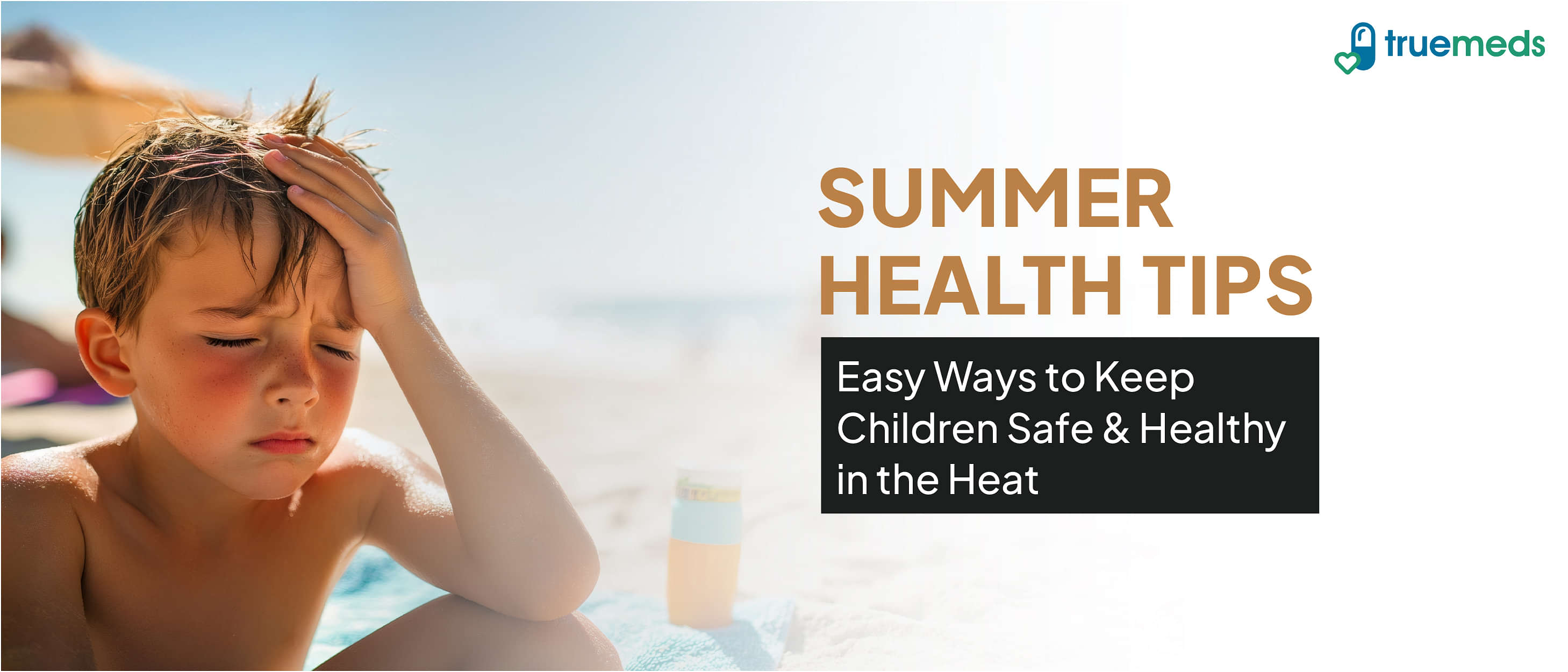
How to Stay Healthy in Summer: Best Tips for Kids and Teens
Last updated on : 30 Nov, 2025
Read time : 10 min
Summer is the season of fun, outdoor games, and family time. But hot weather can also bring risks like dehydration, sunburn, and disturbed sleep. With a few simple tips, parents can help kids and teens stay healthy, safe, and active all summer long.
Why Summer Health Tips are Important for Kids and Teens
Summer is a time for fun in the sun, but it also brings unique health challenges. The warmer temperatures, increased outdoor activities, and communal settings like camps can pose heightened risks to their well-being. Children are more sensitive to extreme heat because their bodies are still learning how to control their temperature, making them susceptible to dehydration and heat-related illnesses [4]. Moreover, hotter weather makes bacteria in food grow faster, which can lead to stomach problems. Outdoor activities also increase exposure to insects carrying diseases like Lyme, as well as the likelihood of swimming-related accidents and sports injuries [5].
To ensure a safe and enjoyable summer for kids and teens, it is crucial to take appropriate precautions and follow expert-recommended guidelines. By prioritising hydration, heat safety, infection prevention, and activity-specific measures, parents and caregivers can help mitigate these seasonal health risks and promote the overall well-being of their children during the summer months.
Top 9 Summer Health Tips for Kids and Teens
Summer is an exciting time for kids and teens to enjoy outdoor activities and have fun in the sun. However, it’s crucial to prioritise health and safety during this time. Here are a few essential tips to keep your children healthy and happy throughout the summer months.
1. Stay Hydrated
Staying hydrated is vital during the summer, especially when kids and teens are engaging in outdoor activities. Encourage your children to drink plenty of water throughout the day to avoid dehydration, which can make kids feel tired, dizzy, or unwell [1]. Aim for at least 6-8 glasses (or about 1.5 to 2 liters) of fluids per day, and increase the amount during periods of intense physical activity or in hot weather [1]. Carrying a refillable water bottle can help remind them to drink regularly.
2. Practice Sun Safety
Protecting your child’s skin from harmful UV rays is crucial during the summer months. Apply a broad-spectrum sunscreen with a Sun Protection Factor (SPF) of at least 30 to all exposed areas of the skin, including the face, neck, ears, and hands [2]. Reapply every two hours, or more frequently if your child is swimming or sweating excessively [2]. Encourage your child to wear protective clothing, such as wide-brimmed hats, long-sleeved shirts, and sunglasses with UV protection. Seek shade during the peak sun hours, typically between 10 a.m. and 4 p.m., when the UV rays are the strongest [2].
3. Limit Screen Time and Encourage Physical Activity
Summer is an excellent opportunity for kids and teens to engage in physical activities and enjoy the outdoors. Encourage your child to participate in at least 60 minutes of moderate to vigorous physical activity every day [6]. This can include activities such as playing sports, riding bikes, swimming, or going for walks. Limit screen time, including television, video games, and electronic devices, to no more than two hours per day for recreational purposes [6]. Excessive screen time can contribute to a sedentary lifestyle, obesity, and other health problems. Instead, promote active play and outdoor exploration to keep your child physically active and mentally stimulated [7].
4. Healthy Eating Habits
Summer is a great time to enjoy fresh, seasonal fruits and vegetables that provide essential nutrients and hydration. Encourage your child to eat a balanced diet that includes a variety of colourful fruits and vegetables, whole grains, lean proteins, and healthy fats. Limit sugary drinks, processed snacks, and fast food, which can contribute to weight gain and poor health and may increase the risk of heat-related illness [8]. Instead, offer water, unsweetened beverages, and healthy snacks such as fresh fruit, vegetable sticks, and whole-grain crackers.
5. Practice Safety During Recreational Activities
Summer is a time for outdoor recreation, but it’s important to prioritise safety during these activities. When your child is cycling, skateboarding, or rollerblading, ensure they wear appropriate safety gear, including a helmet, wrist guards, and knee and elbow pads. Teach your child the rules of the road and emphasise the importance of staying alert and aware of their surroundings. Always supervise children near water (such as pools or natural bodies of water), regardless of their swimming ability, and ensure that playgrounds have soft, shock-absorbing surfaces to minimise the risk of injury [5].
6. Prevent Insect Bites
Insect bites can be uncomfortable and may sometimes spread illnesses. To reduce the risk, parents can dress children in protective clothing and use Environmental Protection Agency (EPA)-registered insect repellents when needed [3]. Always follow age-appropriate safety guidelines and product instructions carefully before applying any product [3]. Dress your child in long-sleeved shirts, long pants, and closed-toe shoes when spending time outdoors, particularly in wooded or grassy areas. Avoid scented lotions, perfumes, and hair sprays, which can attract insects. Teach your child to avoid disturbing insect nests and to stay calm if a bee or wasp is nearby.
7. Get Adequate Sleep
Sleep is essential for a child’s growth, development, and overall health. During the summer months, it’s easy for sleep schedules to become disrupted due to later bedtimes and more flexible routines. However, it’s important to ensure that your child gets enough sleep each night. The recommended amount of sleep varies by age (based on American Academy of Sleep Medicine guidelines) [9]:
- Toddlers (1–2 years): 11–14 hours (including naps)
- Preschoolers (3–5 years): 10–13 hours (including naps)
- School-aged children (6–13 years): 9–12 hours
- Teenagers (14–17 years): 8–10 hours
Maintaining a consistent sleep schedule, even in the summer, is key for healthy development [10].
8. Monitor Food Safety to Prevent Illness
Warmer temperatures allow bacteria that cause food poisoning to multiply more quickly [11]. To prevent stomach problems (gastroenteritis), ensure all food is handled safely. Do not leave perishable foods out of refrigeration for more than two hours, or for more than one hour when temperatures are above 90°F [11]. Practice frequent handwashing, especially before eating and after outdoor activities.
9. Avoid Heat Exhaustion and Heatstroke
During hot summer days, children and teens are at risk of developing heat exhaustion and heatstroke. These conditions occur when the body overheats and can be dangerous if not treated promptly [4].
- Symptoms of heat exhaustion include heavy sweating, dizziness, headache, nausea, and muscle cramps [4].
- Heatstroke is a medical emergency characterised by a high fever, confusion, vomiting, and loss of consciousness [4].
To prevent heat-related illnesses, encourage your child to stay hydrated, wear lightweight and light-colored clothing, and take frequent breaks in the shade or air-conditioned spaces. Avoid strenuous outdoor activities during the hottest parts of the day, typically between 10 a.m. and 4 p.m.
If your child shows signs of heat exhaustion:
- Move them to a cool place.
- Give them sips of water or a sports drink.
- Apply cool, wet cloths to their skin.
- If symptoms worsen, vomiting occurs, or they do not improve within one hour, seek immediate medical attention.
If you suspect heatstroke, call emergency medical services immediately (911 or local equivalent). While waiting for help, move the person to a cooler place and try to cool them down with wet cloths or a cool bath [4].
Conclusion
In summary, by adopting healthy habits during the summer months, such as wearing sunscreen, staying well-hydrated, reducing screen time, and being cautious around water and insects, children and teenagers can enjoy a safe and enjoyable summer season. Encouraging these practices will help ensure their lasting well-being and create memorable summer experiences filled with activity while protecting them from the risks associated with heat and sun exposure.
Disclaimer: This article is for informational purposes only and should not be considered medical advice. Please consult a qualified healthcare professional before starting or changing any treatment.
Frequently Asked Questions (FAQs)
What are the best ways to stay hydrated during summer?
Drink plenty of water and include hydrating foods like watermelon and cucumber. If your child shows signs of dehydration, consult a doctor for appropriate fluids or treatments.
How can I protect my skin from sunburn in the summer?
Use broad-spectrum sunscreen with SPF 30+, wear protective clothing like full-sleeved shirts and wide-brimmed hats, and avoid sun exposure during peak hours (10 a.m. – 4 p.m.) [2].
What are the signs of heatstroke, and how can I prevent it?
Signs of heatstroke include a very high body temperature (104°F or higher), headache, dizziness, and confusion. Prevent heatstroke by staying hydrated, limiting outdoor activities during peak heat, and cooling down immediately if symptoms of heat exhaustion appear [4].
How much physical activity should kids and teens get during summer?
Children and adolescents should engage in at least 60 minutes of moderate to vigorous physical activity daily, including outdoor play with proper hydration and sun protection [6].
What are some healthy foods to eat during the summer?
Include seasonal fruits like melons, berries, and citrus fruits; fresh salads; grilled lean meats; and whole grains to maintain energy and hydration levels.
Is it safe for kids to swim alone in the summer, or should they always be supervised?
Children should always be supervised by a responsible adult while swimming, regardless of their swimming abilities, to ensure their safety and prevent drowning accidents [5].
References
[1] Bottin, J. H., Morin, C., Guelinckx, I., & Perrier, E. T. (2019). Hydration in children: What do we know and why does it matter? Annals of Nutrition and Metabolism, 74(Suppl. 3), 11–18. https://doi.org/10.1159/000500340
[2] Baig, I., Petronzio, A., Maphet, B., & Chon, S. (2023). Review of the impact of sun safety interventions in children. Dermatology Practical & Conceptual, e2023066. https://doi.org/10.5826/dpc.1301a66
[3] Block the buzzing, bites, and bumps. (2016). NIH News in Health. Retrieved October 1, 2025, from https://newsinhealth.nih.gov/2016/04/block-buzzing-bites-bumps
[4] Centers for Disease Control and Prevention. (2021, April 19). Warning signs and symptoms of heat-related illness. U.S. Department of Health & Human Services. https://www.cdc.gov/disasters/extremeheat/warning.html
[5] Centers for Disease Control and Prevention. (2023, May 19). Injury prevention: Summer safety. U.S. Department of Health & Human Services. https://www.cdc.gov/safechild/summer/index.html
[6] Centers for Disease Control and Prevention. (2022, June 2). Physical activity facts. U.S. Department of Health & Human Services. https://www.cdc.gov/healthyschools/physicalactivity/facts.htm
[7] Arlinghaus, K. R., & Johnston, C. A. (2019). The importance of creating habits and routine. American Journal of Lifestyle Medicine, 13(2), 142–144. https://doi.org/10.1177/1559827618818044
[8] McGarr, G. W., Saci, S., King, K. E., Topshee, S., Richards, B. J., Gemae, M. R., McCourt, E. R., & Kenny, G. P. (2020). Heat strain in children during unstructured outdoor physical activity in a continental summer climate. Temperature, 8(1), 80–89. https://doi.org/10.1080/23328940.2020.1801120
[9] Paruthi, S., Brooks, B. J., D’Ambrosio, L., Hall, W. A., Kotagal, S., Lloyd, R. M., Malow, H. A., Maski, C., Nichols, C., Quan, S. F., Rosen, C. L., Troester, M. M., & Wise, M. S. (2016). Recommended amount of sleep for pediatric populations: A consensus statement of the American Academy of Sleep Medicine. Journal of Clinical Sleep Medicine, 12(6), 783–784. https://doi.org/10.5664/jcsm.5866
[10] Godin, R., Roy, J., Gaudreault, P., Roy-Binette, A., & Forest, G. (2019). 0238 sleep habits in teenagers from summer time to school time. Sleep, 42(Supplement_1), A98–A98. https://doi.org/10.1093/sleep/zsz067.237
[11] U.S. Food and Drug Administration. (2022, October 11). Food safety for outdoor cooking and eating. U.S. Department of Health & Human Services. https://www.fda.gov/food/buy-store-serve-safe-food/food-safety-outdoor-cooking-and-eating













Disclaimer
Our healthcare experts have carefully reviewed and compiled the information presented here to ensure accuracy and trustworthiness. It is important to note that this information serves as a general overview of the topic and is for informational purposes only. It is not intended to diagnose, prevent, or cure any health problem. This page does not establish a doctor-patient relationship, nor does it replace the advice or consultation of a registered medical practitioner. We recommend seeking guidance from your registered medical practitioner for any questions or concerns regarding your medical condition.
Popular Articles


Recommended Articles



Recent Articles









Company
About UsHealth ArticleHealth StoriesHealth LibraryDiseases & Health ConditionsAyurvedaUnderstanding Generic MedicinesAll MedicinesAll BrandsNeed HelpFAQSecuritySubscribe
Registered Office Address
Grievance Officer
Download Truemeds


Contact Us
Our customer representative team is available 7 days a week from 9 am - 9 pm.
v4.10.1

2025 - Truemeds | All rights reserved. Our content is for informational purposes only. See additional information.

Our Payment Partners




