

- Medicines
- Personal Care
- Skin Cream
- Sunscreen
- Face Wash
- Skin and Body Soap
- Acne Care
- Body Lotions
- Moisturising Lotion
- Moisturising Cream
- Mosquito Repellent
- Moisturising Gel
- Body Wash
- Hair Oils
- Hair Shampoo
- Hair Conditioners
- Hair Supplements
- Hair Colour
- Hair Serum
- Hair Mask
- Hair Solutions
- Baby Diapers and Wipes
- Baby Lotion and Moisturising Cream
- Baby Bath Essentials
- Baby Skin Care
- Baby and Infant Food
- Baby Healthcare
- Women Multivitamins
- Ovulation Test Kit and Women Intimate Care
- Sanitary Pads
- Nutritional Drinks
- Condoms
- Lubricants
- Massage Gels
- Personal Body Massagers
- Men Performance Booster
- Sexual Health Supplements
- Massage Oils
- Ayurveda
- Tooth Paste
- Mouth Ulcer Gel
- Mouthwash
- Toothache and Gum Pain
- Tooth Brush
- Gargle Solution
- Orthopaedic Supports
- Adult Diapers
- Footwear
- Mobility and Support Accessories
- Urinary Support and Care
- Health Conditions
- Bone and Joint Care
- Digestive Care
- Eye Care
- Pain Relief
- Smoking Cessation
- Liver Care
- Stomach Care
- Cold and Cough
- Heart Care
- Kidney Care
- Piles, Fissures & Fistula
- Respiratory Care
- Mental Wellness
- Derma Care
- Pre and Probiotics
- Acidity
- Gas
- Constipation
- Loose Motion/Diarrhoea
- Digestive Fibres
- Digestive Enzymes
- Eye Lubricant Drops
- Lens Solution
- Safety Eye Wear
- Eye Cream
- Eye Vitamins and Supplements
- Eye Drops
- Eye Ointment and Gel
- Nicotine Patch
- Nicotine Gum
- Nicotine Lozenges
- Cough Syrups
- Chest Rubs and Balms
- Nasal Spray
- Lozenges
- Inhalant Capsules
- Cold and Cough Tablets
- Vitamins & Supplements
- Diabetes Care
- Healthcare Devices
- Homeopathic Medicine
- Health Guide
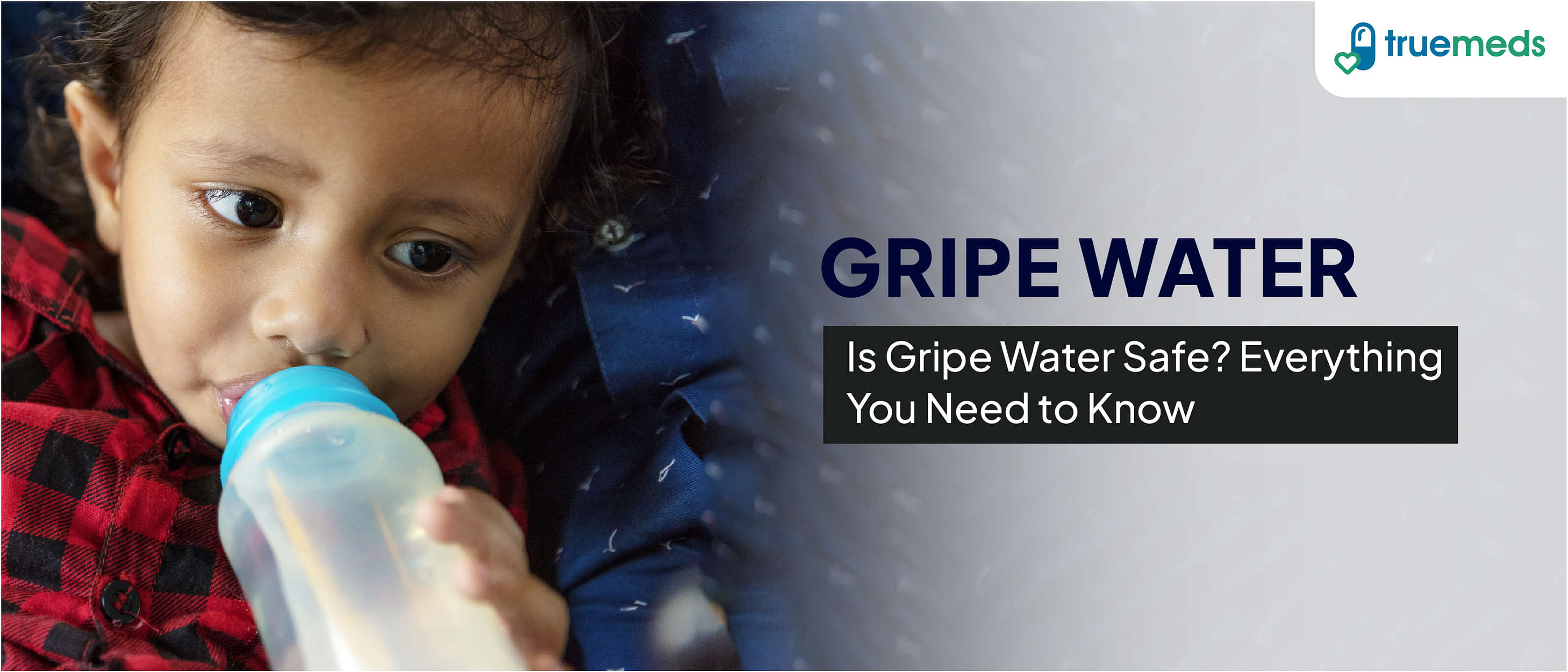
Gripe Water for Babies: Reported Uses, Safety, and Expert Recommendations
Last updated on : 01 Dec, 2025
Read time : 10 min
After a feed, some babies become fussy. They may wriggle, clench their fists, or cry for hours. For parents, this can be very worrying because babies cannot explain what is troubling them. When facing infant discomfort, it’s natural for parents to seek quick solutions.
One common home remedy people talk about is gripe water. It is a sweet liquid, often with herbs, and many families have used it for generations. However, as a supplement that is not regulated by the FDA or similar health authorities, its safety and benefits are not fully proven by rigorous, controlled clinical trials. In fact, a significant number of urban parents in India (approximately 27%) use gripe water before consulting a doctor for infant colic or gas, highlighting the need for cautious, evidence-based guidance ([1],[2]).
As a healthcare professional, my advice is to prioritize strategies with proven safety records. This guide will unpack the reported uses, necessary precautions, and safety of gripe water, along with expert-backed alternatives to help you make informed decisions in consultation with your paediatrician.
What is Gripe Water?
Gripe water is an over-the-counter liquid dietary supplement specifically formulated for infants. It typically contains a blend of water, sodium bicarbonate, and various herbs such as ginger, fennel, chamomile, and lemon balm. As a supplement, its exact ingredients and potency can vary widely between brands, and it is not subject to the same strict manufacturing and testing standards as regulated medications.
How is Gripe Water Thought to Work?
The combination of sodium bicarbonate and herbal ingredients in gripe water is believed by some to be the key to its effectiveness. Herbs like ginger and fennel are traditionally known for their calming effects on the stomach, helping to relieve gas buildup and soothe hiccups. Sodium bicarbonate (baking soda) is an antacid, which may offer temporary relief from acidity but carries a risk of metabolic imbalance in infants, especially with frequent use ([3]). The primary mechanism, however, is likely the sweet taste and the simple act of swallowing a liquid, which can momentarily distract a fussy baby.
With a better understanding of how gripe water is thought to work, let’s explore its common uses and the limited available evidence.
Reported Uses and Limited Evidence of Gripe Water
Gripe water is often used to address various forms of infant distress. It is important to remember that most claims of efficacy are based on anecdotal reports rather than high-quality scientific studies.
- Infant Colic: Colic is characterised by prolonged crying episodes in otherwise healthy babies. Gripe water is often used to soothe colic symptoms, as it is believed to help ease stomach pain and gassiness, which are thought to contribute to the discomfort. However, scientific evidence supporting its efficacy for reducing the duration or frequency of crying in colicky infants is largely absent ([3]).
- Mild Stomach Upset: Gripe water is sometimes administered to alleviate mild stomach upsets, such as nausea and general fussiness.
- Crying and Fussy Babies: Excessive crying and fussiness in babies can often be attributed to stomach discomfort. The sweet taste may temporarily quiet a baby, which can be mistaken for relief from digestive issues.
How to Use Gripe Water for Babies (If Recommended by a Doctor)
If, and only if, your paediatrician specifically advises the use of gripe water, adherence to strict guidelines is essential to minimize potential risks.
- Mandatory Consultation: Always consult your paediatrician before giving any over-the-counter product, including gripe water, to your baby. A doctor can rule out more serious medical issues, such as gastroesophageal reflux or a food allergy.
- Dosage & Timing: The recommended dosage can vary depending on the brand and your baby’s age. Never exceed the product label’s specified dosage, and clarify all timing instructions with your doctor.
- Administration Method:
- Shake the bottle well to ensure the ingredients are evenly mixed.
- Use the provided, properly sterilized syringe or medicine dropper to measure the exact dosage. Avoid using kitchen spoons.
- Hold your baby upright (a sitting or semi-sitting position) to prevent aspiration and encourage proper swallowing.
- Place the dropper against the inside of your baby’s cheek and dispense the liquid slowly.
- Monitor your baby closely during and after administration for any adverse reactions.
Safety Risks and Concerns with Gripe Water
Due to the lack of regulation and standardization, the risks associated with gripe water can be significant and must be carefully weighed against unproven benefits.
- Risk of Metabolic Alkalosis: The sodium bicarbonate content, if given too frequently or in high doses, can potentially alter the baby’s acid-base balance, leading to a serious condition known as metabolic alkalosis ([3]).
- Unsafe Ingredients: Some formulations historically and currently contain or have been found to be contaminated with unsafe substances. Historically, some contained alcohol, and others may contain high levels of sugar, which is detrimental to developing teeth and can interfere with appetite. Choose only alcohol- and sugar-free formulations to minimise potential adverse effects.
- Contamination and Allergic Reactions: As a non-sterile, unregulated supplement, there is a risk of microbial contamination or allergic reactions to the various herbal components or additives ([4]).
- Masking Serious Conditions: Giving gripe water can temporarily soothe a baby and may delay a correct diagnosis of a more serious underlying medical issue. Monitor your baby for any unusual side effects, and seek medical advice immediately if fussiness or tummy issues persist or worsen.
- Drug Interactions: Ensure gripe water does not interact with any other medications your baby is taking.
Safer, Evidence-Based Alternatives for Infant Discomfort
In place of unregulated supplements, paediatricians typically recommend evidence-based comfort measures first. These alternatives have a much safer profile:
- Simethicone-Based Gas Drops: This over-the-counter medicine (not a supplement) works by reducing the surface tension of gas bubbles in the stomach and intestines, allowing them to merge and be expelled more easily. While effectiveness is mixed, it is considered safe and non-absorbable.
- Proper Feeding Technique: Ensure a good latch during breastfeeding and use appropriate anti-colic bottles to reduce air swallowing.
- Burping: Take frequent breaks during feeding to burp your baby.
- Infant Massage: Gentle tummy massage (e.g., “I Love U” stroke) can help move trapped gas.
- Tummy Time and Bicycle Legs: Simple exercises can encourage gas movement.
- Probiotics: Specific strains of probiotics, such as Lactobacillus reuteri, have been shown in some studies to help reduce crying time in breastfed infants with colic ([5]). Always discuss probiotic use with your paediatrician.
When to Consult a Doctor Immediately
- Seek immediate medical attention if you observe any of the following symptoms, as they may indicate a serious condition beyond simple gassiness:
- Persistent, inconsolable crying or distress after feeds
- Arching of the back or excessive spitting up (may suggest severe reflux)
- Bloody or mucusy stools or forceful vomiting
- Swelling or hardness of the tummy
- Rash, hives, or difficulty breathing (signs of an allergic reaction)
Primary Care Physician’s Takeaway
While gripe water has a long history of use and may offer temporary, short-term relief for mild digestive discomfort, it is a supplement with limited to no robust scientific evidence to support its claims of effectiveness or guaranteed safety. A growing number of paediatric associations now recommend pausing its use until more safety and efficacy data become available.
As a healthcare provider, my strong recommendation is to always start with proven physical methods like proper feeding, burping, and comfort techniques. And remember—always consult your paediatrician before trying any remedy, herbal, or otherwise. What works for one baby may not be safe or suitable for another.
Frequently Asked Questions (FAQs)
When should I give my baby gripe water?
If approved by your paediatrician, follow the package instructions. It is often suggested to administer it 10 to 30 minutes after feeding to avoid interfering with milk intake, but dosages vary by age and brand.
Is gripe water safe for daily use?
No, gripe water is not a regulated medication, and its safety and long-term effectiveness are not guaranteed. Routine daily use is strongly discouraged due to the risk of side effects like metabolic alkalosis from sodium bicarbonate and the potential for ingredient contamination or masking of serious conditions.
How quickly does gripe water work?
There is no definitive timeline for how quickly gripe water works, as its efficacy is not well-studied. Relief, if it occurs, is often immediate and short-lived, likely due to the sweet taste or a burp induced by swallowing liquid, not necessarily a cure for the underlying cause.
Is gripe water better than gas drops for newborns?
There is no conclusive scientific evidence that gripe water is better than simethicone gas drops. Simethicone is a non-absorbed medicine with a clear mechanism of action and is often the preferred, doctor-recommended first-line pharmacological option due to its safety profile. The choice depends on individual circumstances and paediatric advice.
What are the side effects of gripe water in newborns?
Possible side effects include allergic reactions (rash, vomiting), upset stomach, metabolic alkalosis (from high sodium bicarbonate), and interactions with other medications. Severe, though rare, reactions like anaphylaxis are possible, primarily due to herbal components or contaminants.
Which gripe water is best for babies?
There is no universally “best” gripe water. Prioritize products that are explicitly free from alcohol, added sugars, parabens, and artificial colors. Always consult your paediatrician before use.
What are the age limits for using gripe water for kids?
Most gripe water products are not recommended for babies under 1 month of age due to potential interference with milk intake and the risks associated with sodium bicarbonate in very young infants. Always consult your paediatrician.
What’s the difference between gripe water and colic drops?
Gripe water is an unregulated herbal-based supplement with limited scientific backing. Colic drops (like simethicone) are regulated pharmaceutical products that break down gas bubbles. The latter is often doctor-recommended and more studied.
Can gripe water affect feeding patterns?
Yes, some babies may feel temporarily full after gripe water, which might reduce their milk intake if given too close to a feed. It’s best to time it at least 30 minutes apart from a feed and monitor your baby’s hunger cues closely.
How do I check if the gripe water is regulated and safe?
Look for indications of manufacturing standards (like GMP) and check if it’s sugar- and alcohol-free. However, understand that supplements are not regulated like drugs, even with quality certifications. Always buy from trusted, reputable sources and be guided by your paediatrician.
Disclaimer
This article is for informational purposes only and is intended to promote general wellness awareness and safe health practices. It should not be considered a substitute for professional medical diagnosis or treatment. Always consult a qualified paediatrician or other healthcare provider with any questions you may have regarding a medical condition or before giving any remedy to your baby.
References
[1] Jain, K., Gunasekaran, D., Venkatesh, C., & Soundararajan, P. (2015). Gripe Water Administration in Infants 1-6 months of Age-A Cross-sectional Study. Journal of Clinical and Diagnostic Research, 9(11). https://doi.org/10.7860/jcdr/2015/13727.6738
[2] Adhisivam, B. (2012). Is gripe water baby-friendly? Journal of Pharmacology and Pharmacotherapeutics, 3(2), 162–163. https://doi.org/10.4103/0976-500x.95544
[3] Biem, J., & Enzenauer, R. (2018). The safety of gripe water. Paediatrics & Child Health, 23(1). https://doi.org/10.1093/pch/pxx165
[4] Oshikoya, K. A., Senbanjo, I. O., & Njokanma, O. F. (2009). Self-medication for infants with colic in Lagos, Nigeria. BMC Pediatrics, 9(1), 9. https://doi.org/10.1186/1471-2431-9-9
[5] Sung, V., Collett, S., de Barun, K., Phung, H. A., & Tang, M. L. K. (2014). Probiotics for the management of infantile colic: a systematic review and meta-analysis. JAMA Pediatrics, 168(12), 1148–1153. https://doi.org/10.1001/jamapediatrics.2014.2386














Disclaimer
Our healthcare experts have carefully reviewed and compiled the information presented here to ensure accuracy and trustworthiness. It is important to note that this information serves as a general overview of the topic and is for informational purposes only. It is not intended to diagnose, prevent, or cure any health problem. This page does not establish a doctor-patient relationship, nor does it replace the advice or consultation of a registered medical practitioner. We recommend seeking guidance from your registered medical practitioner for any questions or concerns regarding your medical condition.
Popular Articles

Recommended Articles




Recent Articles










Company
About UsHealth ArticleHealth StoriesHealth LibraryDiseases & Health ConditionsAyurvedaUnderstanding Generic MedicinesAll MedicinesAll BrandsNeed HelpFAQSecuritySubscribe
Registered Office Address
Grievance Officer
Download Truemeds


Contact Us
Our customer representative team is available 7 days a week from 9 am - 9 pm.
v4.10.1

2025 - Truemeds | All rights reserved. Our content is for informational purposes only. See additional information.

Our Payment Partners




