

- Medicines
- Personal Care
- Skin Cream
- Sunscreen
- Face Wash
- Skin and Body Soap
- Acne Care
- Body Lotions
- Moisturising Lotion
- Moisturising Cream
- Mosquito Repellent
- Moisturising Gel
- Body Wash
- Hair Oils
- Hair Shampoo
- Hair Conditioners
- Hair Supplements
- Hair Colour
- Hair Serum
- Hair Mask
- Hair Solutions
- Baby Diapers and Wipes
- Baby Lotion and Moisturising Cream
- Baby Bath Essentials
- Baby Skin Care
- Baby and Infant Food
- Baby Healthcare
- Women Multivitamins
- Ovulation Test Kit and Women Intimate Care
- Sanitary Pads
- Nutritional Drinks
- Condoms
- Lubricants
- Massage Gels
- Personal Body Massagers
- Men Performance Booster
- Sexual Health Supplements
- Massage Oils
- Ayurveda
- Tooth Paste
- Mouth Ulcer Gel
- Mouthwash
- Toothache and Gum Pain
- Tooth Brush
- Gargle Solution
- Orthopaedic Supports
- Adult Diapers
- Footwear
- Mobility and Support Accessories
- Urinary Support and Care
- Health Conditions
- Bone and Joint Care
- Digestive Care
- Eye Care
- Pain Relief
- Smoking Cessation
- Liver Care
- Stomach Care
- Cold and Cough
- Heart Care
- Kidney Care
- Piles, Fissures & Fistula
- Respiratory Care
- Mental Wellness
- Derma Care
- Pre and Probiotics
- Acidity
- Gas
- Constipation
- Loose Motion/Diarrhoea
- Digestive Fibres
- Digestive Enzymes
- Eye Lubricant Drops
- Lens Solution
- Safety Eye Wear
- Eye Cream
- Eye Vitamins and Supplements
- Eye Drops
- Eye Ointment and Gel
- Nicotine Patch
- Nicotine Gum
- Nicotine Lozenges
- Cough Syrups
- Chest Rubs and Balms
- Nasal Spray
- Lozenges
- Inhalant Capsules
- Cold and Cough Tablets
- Vitamins & Supplements
- Diabetes Care
- Healthcare Devices
- Homeopathic Medicine
- Health Guide
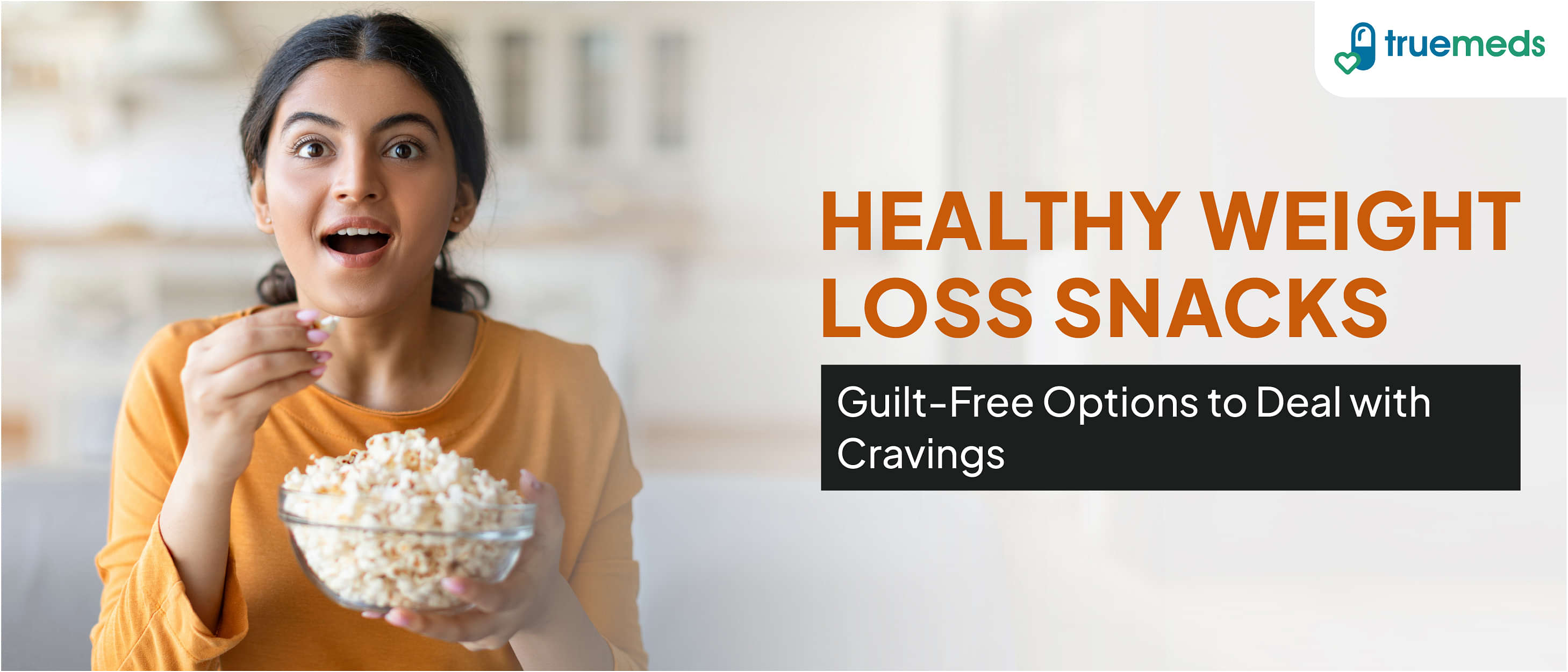
30 Best Healthy Snacks for Weight Management & Daily Nutrition
Last updated on : 09 Nov, 2025
Read time : 11 min
Healthy snacking is an integral part of effective weight management and ensuring optimal daily nutrient intake [1]. By choosing the right snacks, you can manage hunger between meals and provide your body with essential nutrients [2]. Snacks rich in protein, fibre, and healthy fats are particularly effective because they promote lasting fullness (satiety), help stabilize blood sugar, and support controlled calorie intake without feeling deprived. Integrating strategic, healthy snacks can significantly enhance your overall health and contribute to achieving your weight goals successfully.
How to Choose the Right Healthy Snacks
Choosing the right snack isn’t just about speed and convenience; it’s about making mindful choices that fuel your body efficiently. Here are the key guidelines for selecting snacks that are both nutritious and satisfying:
- Prioritise Satiating Nutrients: Select snacks naturally high in protein, fibre, and healthy fats, as they take longer to digest and boost satiety, helping you manage appetite (e.g., aiming for at least 3g of fibre and 5g of protein per serving) [3].
- Opt for Whole Foods: Choose minimally processed options like fresh fruits, raw vegetables, nuts, and lean proteins over packaged items with long ingredient lists.
- Be Mindful of Hidden Ingredients: Actively avoid snacks with excessive added sugars, refined carbohydrates, and unhealthy trans fats, as these offer little nutritional value and can hinder weight goals [2].
- Practice Portion Control: Always be aware of the serving size. Even healthy foods like nuts are calorie-dense; pre-portioning snacks is an effective strategy to manage overall calorie intake.
30 Best Healthy Snacks That Support Weight Management & Nutrition
Focusing on options that keep you feeling full, energised, and nourished is key when selecting snacks for weight management.
Here is a curated list of 30 of the best snacks to support your health journey.
1. Mixed Nuts (Limit to a Quarter-Cup Serving)
Mixed nuts are a nutrient-rich snack providing healthy fats, protein, and fibre. They promote feelings of fullness, making them an excellent option for managing appetite and calorie control [4]. A 1-ounce (28g) serving of mixed nuts typically provides around 4-6g of protein and 2-3g of fibre.
2. Red Bell Pepper Strips With Guacamole
Red bell peppers are rich in antioxidants and Vitamin C (a powerful immune support nutrient). Paired with guacamole, which offers healthy monounsaturated fats and fibre from avocados, this snack aids satiety and delivers a robust nutrient profile.
3. Greek Yoghurt (Plain, Low-Fat) and Mixed Berries
Greek yoghurt is an excellent source of protein (typically 15-20g per 150g serving) and probiotics, which support gut health. Combined with mixed berries (rich in antioxidants and fibre), this snack effectively supports fullness and provides essential vitamins [5].
4. Apple Slices with Peanut Butter (1-2 Tablespoons)
Apple slices offer fibre and natural sweetness. Natural peanut butter adds protein and healthy fats. This balanced combination helps slow the absorption of sugar and provides lasting energy.
5. Cottage Cheese (Low-Fat) and Fruit
Cottage cheese is exceptionally high in protein and relatively low in fat, making it ideal for satiety and muscle maintenance. Pairing it with a small portion of fruit adds fibre, vitamins, and antioxidants.
6. Celery Sticks with Cream Cheese (Portioned)
Celery is very low in calories and high in water and fibre. When combined with a small, measured amount of low-fat cream cheese (for fat and protein), this snack can satisfy cravings with minimal calories.
7. Kale Chips
Kale chips are a low-calorie, nutrient-packed snack rich in vitamins A, C, and K, along with fibre and antioxidants. They are a useful alternative to traditional fried chips.
8. Dark Chocolate (70%+ Cacao) and Almonds
Dark chocolate (with at least 70% cacao) is rich in antioxidants called flavanols. When paired with a small handful of almonds, which provide healthy fats and protein, this snack helps curb intense cravings and may support heart health when consumed in strict moderation [4].
9. Cucumber Slices with Hummus (2 Tablespoons)
Cucumbers are hydrating and extremely low in calories, while hummus provides plant-based protein and fibre from chickpeas. Together, they make a filling and nutrient-rich snack that supports stable energy.
10. A Piece of Whole Fruit (e.g., Banana, Orange)
A single piece of fruit is a simple, nutrient-dense snack providing natural sugars, fibre, vitamins, and antioxidants. Fruits are an effective way to satisfy sweet cravings while providing gut-supporting fibre.
11. Cherry Tomatoes with Mozzarella (Small Ball)
Cherry tomatoes offer antioxidants like lycopene, and mozzarella provides a good source of protein and calcium. This creates a flavourful, balanced snack that supports satiety with a moderate energy intake.
12. Chia Pudding
Chia pudding is made from chia seeds soaked in liquid. Chia seeds are a powerhouse, delivering significant fibre, protein, and healthy omega-3 (ALA) fats. This snack may promote prolonged satiety and provide essential nutrients beneficial for overall health [3].
13. Hard-Boiled Eggs
Hard-boiled eggs are rich in high-quality protein and essential nutrients, including vitamin B12 and choline. They are highly satiating and low in calories, making them a convenient and effective snack for appetite control. One large egg provides approximately 6 grams of protein.
14. Baby Carrots with Blue Cheese Dressing (Small Dip)
Baby carrots are a source of beta-carotene and fibre. The small amount of fat in the dressing can help enhance the absorption of fat-soluble vitamins (like Vitamin A) from the carrots, creating a more nutritious and satisfying dip option than a fat-free dip.
15. Low-Fat Cheese with Whole-Grain Crackers or Fruit
Combining a small slice of cheese (for protein) with 2-3 whole-grain crackers or a piece of fruit is an excellent way to add fibre and balance macronutrients for a sustained feeling of fullness.
16. Beef Jerky or Beef Sticks (Look for Low-Sodium)
Beef jerky and beef sticks are high-protein snacks that may support satiety. Crucially, it’s vital to choose brands that are low in sodium and have minimal to no added sugars (less than 5g per serving) to maintain the health benefits.
17. Protein Smoothie (Homemade)
Homemade protein smoothies are versatile. Incorporating ingredients like plain Greek yoghurt, a serving of spinach, and whole fruit creates a blend rich in essential protein, fibre, and vitamins. This combination supports muscle health and can be an effective liquid meal replacement or recovery snack.
18. Whole Wheat Toast (1 Slice) with Canned Fish
One slice of whole wheat toast with canned fish (like tuna or salmon) is a protein-rich snack that offers a good balance of complex carbohydrates and healthy fats. The fish provides beneficial Omega-3 fatty acids [3], while the whole wheat adds essential fibre for sustained energy.
19. Edamame (Steamed or Dry Roasted)
Edamame is a nutrient-dense snack rich in plant-based protein (around 11g per cup), fibre, and vitamins. This low-calorie, high-nutrient combination is excellent for managing appetite.
20. Oatmeal (Small Portion)
A small bowl of oatmeal is a rich source of soluble fibre (Beta-Glucan) and complex carbohydrates. This fibre has been shown to slow digestion, promote long-term satiety, and help regulate blood sugar [1]. It’s a versatile and nutritious option for a filling snack.
21. Pear Slices with Ricotta Cheese (Low-Fat)
Pairing pear slices (fibre) with low-fat ricotta cheese (protein and calcium) creates a satisfying combination that supports healthy digestion.
22. Homemade Trail Mix (Strictly Portioned)
Homemade trail mix, combining nuts, seeds, and a very small, controlled amount of dried fruit, is rich in healthy fats, fibre, and protein. Making it yourself ensures you can strictly control the addition of sugars or high-calorie add-ins.
23. Turkey Roll-Ups (Lean)
Turkey roll-ups, typically made with sliced lean turkey, lettuce, and a thin spread of mustard or avocado, are a low-calorie, high-protein snack option. They provide a quick source of filling, lean protein.
24. Olives with Feta Cheese (In Moderation)
Olives and feta cheese offer a savoury snack rich in healthy monounsaturated fats and antioxidants. Due to their calorie density, portion control is paramount for this satisfying, flavourful snack.
25. Avocado with Chilli Flakes
A small serving of avocado provides highly beneficial healthy fats and fibre, supporting heart health and satiety. The addition of spicy peppers or chilli flakes may offer a minor, temporary increase in metabolism, making the snack more engaging and flavourful.
26. Popcorn (Air-Popped)
Air-popped popcorn is a high-volume, low-calorie, fibre-rich snack. It is an ideal weight management choice when consumed without added oils, butter, or excessive salt, which significantly increase the calorie and sodium content.
27. Roasted Chickpeas
Roasted chickpeas are a crunchy, savoury snack rich in protein and fibre (often 7-8g of protein and 6-7g of fibre per half-cup serving). They are highly effective at promoting fullness.
28. Cantaloupe Slices Wrapped in Prosciutto (Small Serving)
Cantaloupe provides fibre and hydration, while a very small, thin slice of prosciutto adds a touch of protein. This snack offers a balance of flavours and nutrients but should be consumed sparingly due to the high sodium content of prosciutto.
29. Last Night’s Leftovers (Re-Portioned)
Last night’s leftovers, particularly those rich in lean protein and vegetables (e.g., a small portion of grilled chicken and salad), can make for a convenient and nutritious snack. This allows for easy calorie and portion control, provided the meal was balanced.
30. Boiled Sweet Corn (Half-Cup Serving) with Lemon and Chilli
Boiled sweet corn provides fibre and complex carbohydrates. The lemon and chilli add a zesty, low-calorie flavour boost. Sweet corn is best consumed in moderation as a snack due to its higher sugar content compared to non-starchy vegetables.
Conclusion
Incorporating well-chosen, portion-controlled healthy snacks into your daily routine is essential for supporting a balanced diet and effective weight management. By selecting options rich in protein, fibre, and healthy fats, you can effectively manage hunger, sustain energy levels, and provide your body with the necessary nutrients to function optimally [2]. Making smart snacking choices is a simple yet powerful way to support your overall health and wellness goals.
Frequently Asked Questions (FAQs)
What are the healthiest snacks to eat?
The healthiest snacks are those that combine protein and fibre, such as a quarter-cup of mixed nuts, plain Greek yoghurt with mixed berries, or apple slices with a tablespoon of natural nut butter.
What are good weight management snacks to eat at night?
For nighttime, prioritise low-calorie, high-satiety choices like cottage cheese with a small portion of fruit, a few baby carrots with hummus, or a hard-boiled egg.
What are 7 healthy snacks for adults?
Seven excellent healthy snacks for adults include: plain Greek yoghurt with berries, a small serving of roasted chickpeas, an apple with nut butter, cottage cheese with fresh vegetables, hummus with bell peppers, air-popped popcorn, and a hard-boiled egg.
Is popcorn a healthy snack option?
Yes, air-popped popcorn is an excellent, high-fibre, low-calorie snack for weight management when it is consumed unbuttered and with minimal to no added salt.
How many healthy snacks can I eat in a day?
A general guideline is to aim for 1-2 small, healthy snacks per day, depending on your activity levels and the timing of your main meals. The goal is to bridge the hunger between meals without adding excessive calories.
Are packaged snacks a healthy choice?
Some packaged snacks, like unsalted/unflavored nuts, seeds, or plain dry-roasted edamame, can be healthy. Always read the nutrition label to check for low levels of added sugars, sodium, and unnecessary preservatives.
Disclaimer
This article is for informational purposes only and is not a substitute for professional medical advice. It is essential to consult a registered dietitian, nutritionist, or healthcare provider before beginning any new diet or wellness practice, especially if you have an existing medical condition, are on medication, or have specific dietary restrictions.
References
[1] Fulgoni, V. L., Chu, Y., O’Shea, M., Slavin, J. L., & DiRienzo, M. A. (2015). Oatmeal consumption is associated with better diet quality and lower body mass index in adults: the National Health and Nutrition Examination Survey (NHANES), 2001-2010. Nutrition Research, 35(12), 1052–1059. https://doi.org/10.1016/j.nutres.2015.09.015
[2] Kim, J. Y. (2020). Optimal diet strategies for weight loss and weight loss maintenance. Journal of Obesity & Metabolic Syndrome, 30(1), 20–31. https://doi.org/10.7570/jomes20065
[3] World Health Organization. (2020, April 29). Healthy Diet. World Health Organization. https://www.who.int/news-room/fact-sheets/detail/healthy-diet
[4] Dreher, M. L., & Burner, J. M. (2018). Whole nuts and human health: the role of the whole nut in the diet and the effect of different processing methods. The American Journal of Clinical Nutrition, 107(6), 1478S-1483S. https://doi.org/10.1093/ajcn/nqy048
[5] Webb, D. (2017). The Role of Dairy in a Healthy Diet: Focus on Dairy and Weight Management. Journal of Clinical Nutrition and Dietetics, 3(2). https://doi.org/10.16966/2470-8179.135














Disclaimer
Our healthcare experts have carefully reviewed and compiled the information presented here to ensure accuracy and trustworthiness. It is important to note that this information serves as a general overview of the topic and is for informational purposes only. It is not intended to diagnose, prevent, or cure any health problem. This page does not establish a doctor-patient relationship, nor does it replace the advice or consultation of a registered medical practitioner. We recommend seeking guidance from your registered medical practitioner for any questions or concerns regarding your medical condition.
Popular Articles



Recommended Articles




Recent Articles







Company
About UsHealth ArticleHealth StoriesHealth LibraryDiseases & Health ConditionsAyurvedaAll MedicinesAll BrandsNeed HelpFAQSecuritySubscribe
Registered Office Address
Grievance Officer
Download Truemeds


Contact Us
Our customer representative team is available 7 days a week from 9 am - 9 pm.
v4.9.0

2025 - Truemeds | All rights reserved. Our content is for informational purposes only. See additional information.
Our Payment Partners