

- Medicines
- Personal Care
- Skin Cream
- Sunscreen
- Face Wash
- Skin and Body Soap
- Acne Care
- Body Lotions
- Moisturising Lotion
- Moisturising Cream
- Mosquito Repellent
- Moisturising Gel
- Body Wash
- Hair Oils
- Hair Shampoo
- Hair Conditioners
- Hair Supplements
- Hair Colour
- Hair Serum
- Hair Mask
- Hair Solutions
- Baby Diapers and Wipes
- Baby Lotion and Moisturising Cream
- Baby Bath Essentials
- Baby Skin Care
- Baby and Infant Food
- Baby Healthcare
- Women Multivitamins
- Ovulation Test Kit and Women Intimate Care
- Sanitary Pads
- Nutritional Drinks
- Condoms
- Lubricants
- Massage Gels
- Personal Body Massagers
- Men Performance Booster
- Sexual Health Supplements
- Massage Oils
- Ayurveda
- Tooth Paste
- Mouth Ulcer Gel
- Mouthwash
- Toothache and Gum Pain
- Tooth Brush
- Gargle Solution
- Orthopaedic Supports
- Adult Diapers
- Footwear
- Mobility and Support Accessories
- Urinary Support and Care
- Health Conditions
- Bone and Joint Care
- Digestive Care
- Eye Care
- Pain Relief
- Smoking Cessation
- Liver Care
- Stomach Care
- Cold and Cough
- Heart Care
- Kidney Care
- Piles, Fissures & Fistula
- Respiratory Care
- Mental Wellness
- Derma Care
- Pre and Probiotics
- Acidity
- Gas
- Constipation
- Loose Motion/Diarrhoea
- Digestive Fibres
- Digestive Enzymes
- Eye Lubricant Drops
- Lens Solution
- Safety Eye Wear
- Eye Cream
- Eye Vitamins and Supplements
- Eye Drops
- Eye Ointment and Gel
- Nicotine Patch
- Nicotine Gum
- Nicotine Lozenges
- Cough Syrups
- Chest Rubs and Balms
- Nasal Spray
- Lozenges
- Inhalant Capsules
- Cold and Cough Tablets
- Vitamins & Supplements
- Diabetes Care
- Healthcare Devices
- Homeopathic Medicine
- Health Guide
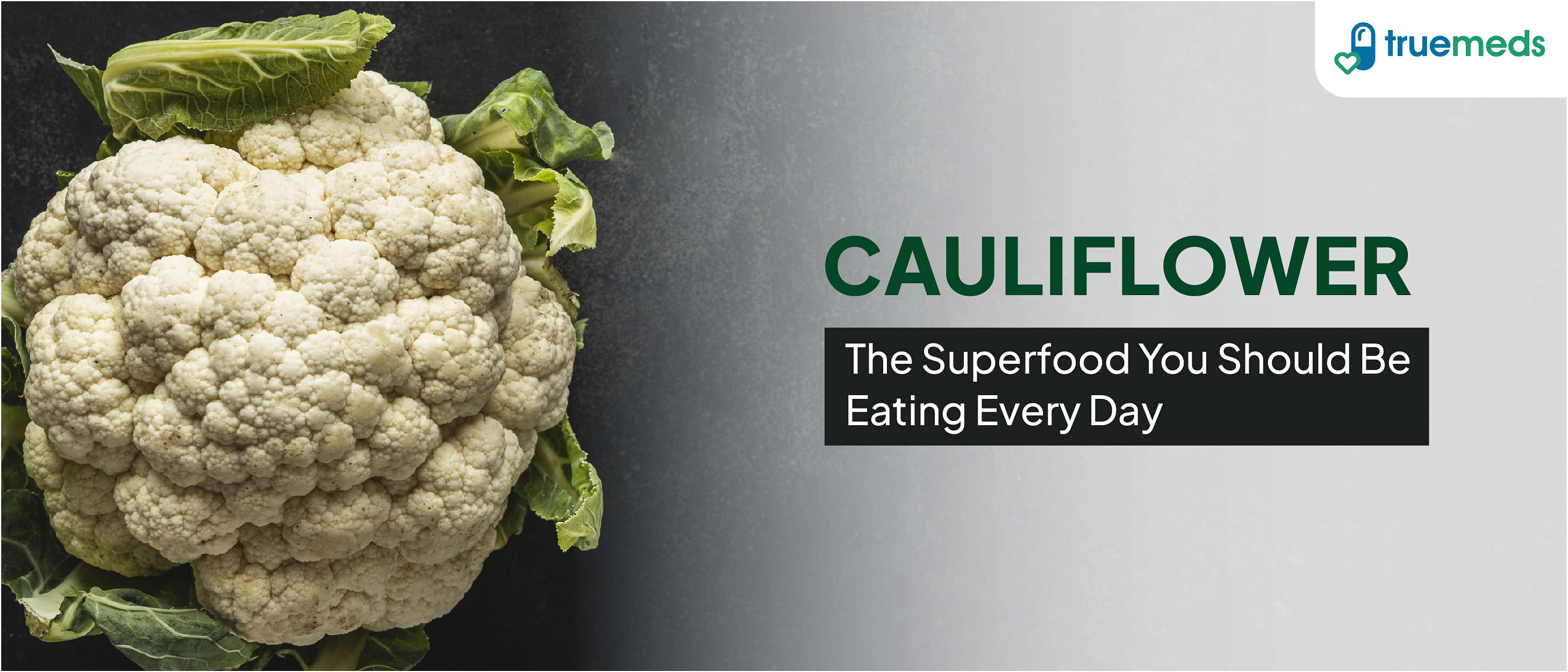
Cauliflower: Nutritional Profile, Benefits, and Potential Side Effects
Last updated on : 09 Nov, 2025
Read time : 10 min
Cauliflower offers numerous benefits, making it a versatile and nutritious addition to any diet. This cruciferous vegetable is rich in vitamins, minerals, and antioxidants that can support overall health. Current research suggests that incorporating cauliflower into a balanced diet may contribute to heart health and digestive regularity. Let’s explore the remarkable nutrition profile of this humble vegetable and discover why it can be a valuable staple in your kitchen.
Cauliflower Nutrition: What’s Inside This Nutrient-Dense Vegetable?
Cauliflower is a nutrient-dense vegetable that offers a wide array of essential vitamins and minerals. Below is a breakdown of the key nutrients found in one cup (100 g) of raw cauliflower, based on data from the USDA FoodData Central database [1]:
| Nutrient | Amount per 1 Cup (100g) of Raw Cauliflower | % Daily Value (DV) |
| Calories | 25 | – |
| Fat | 0.28 grams | – |
| Carbohydrates | 4.97 grams | – |
| Dietary Fibre | 2 grams | 7% |
| Sugar | 1.91 grams | – |
| Protein | 1.92 grams | – |
| Sodium | 30 milligrams | 1% |
| Vitamin C | 48.2 mg | 54% |
| Vitamin K | 15.5 mcg | 13% |
| Folate | 57 mcg | 14% |
| Vitamin B6 | 0.184 mg | 11% |
| Vitamin B5 (Pantothenic acid) | 0.621 mg | 12% |
| Potassium | 299 mg | 6% |
| Magnesium | 15 mg | 4% |
| Choline | 44.3 mg | 8% |
| Manganese | 0.155 mg | 7% |
| Phosphorus | 44 mg | 4% |
Note: The values in bold are adjusted to reflect current USDA data [1].
As you can see, cauliflower is an excellent source of Vitamin C, providing more than half of the daily recommended value in just one cup [1]. It also contains significant amounts of Vitamin K, folate, Vitamin B6, and pantothenic acid. Additionally, cauliflower offers a good dose of dietary fibre, which is essential for maintaining a healthy digestive system. Its rich nutrient profile supports its inclusion in a balanced diet.
Health Benefits of Cauliflower: Scientific Reasons to Include It
The rich content of vitamins, minerals, antioxidants, and fibre makes cauliflower a valuable addition to a healthy diet. Let’s check out some of the potential benefits of eating cauliflower:
1. May Support Immune Function
The presence of antioxidants in cauliflower, particularly Vitamin C, may help support the immune system [1]. These antioxidants work to protect cells against damage from free radicals, which can indirectly contribute to a reduction in systemic inflammation and support overall immune function [2].
2. Supports Digestive Health
Cauliflower is an excellent source of dietary fibre, which is crucial for maintaining a healthy digestive system. The fibre content adds bulk to stools, helping to prevent constipation, promote regularity, and support the overall gut environment [3]. Moreover, compounds like sulforaphane in cauliflower have been studied for their potential to help protect the stomach lining [4]. This support for the digestive tract can be a component of managing a healthy body weight.
3. Can Aid Weight Management
As a low-calorie, low-carbohydrate, and low-fat vegetable, cauliflower is an ideal substitute for higher-calorie foods in various recipes. Its high fibre content promotes a feeling of satiety (fullness), which can help reduce overall calorie intake and support healthy weight management [3]. This versatility makes cauliflower a popular component of ketogenic and low-carb diets.
4. May Promote Heart Health
Cauliflower’s content of fibre, Vitamins C, and K, along with other antioxidants, contributes to its potential heart-protective properties. Dietary fibre helps manage cholesterol levels [3], and the anti-inflammatory properties of the vegetable may help reduce chronic inflammation, which is a risk factor for cardiovascular disease [2].
5. Supports Detoxification Processes
Cauliflower is a source of glucosinolates, which are compounds that play a role in the body’s natural detoxification system. When consumed, glucosinolates are broken down into biologically active compounds like isothiocyanates (e.g., sulforaphane) that support the liver’s enzyme systems responsible for eliminating harmful substances [5].
6. Supports Bone Health
Cauliflower is a good source of Vitamin K, which is essential for maintaining strong and healthy bones [1]. Vitamin K plays a crucial role in the production of osteocalcin, a protein that facilitates the binding of calcium to bone tissue, thereby supporting bone strength and mineralisation [6].
7. May Help Regulate Blood Sugar Levels
With its low glycaemic index, cauliflower has a minimal impact on blood sugar levels. The high fibre content in cauliflower slows down the digestion process, which helps lead to a more gradual absorption of sugars [3]. This makes cauliflower a suitable choice for individuals aiming to manage their blood sugar levels.
8. Contains Anti-Inflammatory Compounds
Cauliflower contains several anti-inflammatory compounds, including Vitamin C, Vitamin K, and sulforaphane [2]. These nutrients contribute to reducing oxidative stress and inflammation in the body, which is a foundational factor in the development of chronic diseases [2].
How to Include Cauliflower in Your Diet
Including this veggie in your diet doesn’t have to be boring. Here are some fun ways to use cauliflower in your daily meals:
- Swap traditional pizza crust with a cauliflower-based one to create a lower-calorie and lower-carbohydrate alternative.
- Use ‘cauliflower rice’ as a low-carb alternative to rice in stir-fries, curries, and other dishes.
- Try finely pulsed cauliflower as a substitute for part of the flour in baked goods.
- Blend steamed cauliflower with tahini, lemon juice, and seasonings to create a creamy, nutritious dip.
- Enjoy steamed, roasted, or stir-fried cauliflower as a side dish to boost your meal’s fibre and vitamin content.
Potential Side Effects of Eating Cauliflower
While cauliflower is a versatile and nutritious addition to your diet, it’s essential to be aware of potential side effects, as excessive intake may cause adverse effects in some individuals:
- Digestive Discomfort: Cauliflower contains raffinose, a complex sugar that is not fully digested until it reaches the large intestine, where bacterial fermentation can cause gas, bloating, and flatulence [7].
- Interference with Anticoagulants: The high Vitamin K content in cauliflower is a key factor in blood clotting. Individuals taking blood-thinning (anticoagulant) medications, such as warfarin, should maintain a consistent intake of Vitamin K and consult their doctor or a registered dietitian [8].
- Goitrogenic Effects: Cauliflower has goitrogenic properties, meaning it contains compounds that may interfere with iodine uptake by the thyroid gland, potentially suppressing thyroid function in individuals with pre-existing hypothyroidism [9]. However, this effect is typically only a concern with very large, raw consumption, and cooking can reduce the goitrogen content [9].
- Uric Acid Levels: Cauliflower is a moderate source of purines. Excessive consumption of purine-rich foods may increase uric acid levels in susceptible individuals, potentially exacerbating conditions like gout [10].
Conclusion
In conclusion, cauliflower is a nutrient-dense vegetable that provides numerous health benefits when consumed as part of a balanced diet. It is rich in vitamins, minerals, fibre, and antioxidants, making it a valuable addition to support health. Regular inclusion of cauliflower may support bone strength, improve digestion, aid in weight management, and contribute to a lower risk of chronic diseases due to its anti-inflammatory and antioxidant properties.
However, it is essential to be aware of potential side effects, such as digestive issues (bloating and gas), and its potential interaction with certain medications (anticoagulants). Individuals with pre-existing conditions like hypothyroidism or gout should exercise moderation and seek professional medical advice before significantly increasing their intake. Overall, incorporating this versatile vegetable into your meals can contribute to better health and well-being.
Frequently Asked Questions (FAQs)
Is cauliflower healthier raw or cooked?
Both raw and cooked cauliflower offer different health advantages. Raw cauliflower retains the highest amount of heat-sensitive nutrients like Vitamin C. Cooking, however, can reduce goitrogens and break down cell walls, making some compounds like indole more bioavailable [9]. The “healthier” option depends on your specific nutritional needs and digestive sensitivity.
Is it okay to eat cauliflower every day?
Eating cauliflower daily is generally fine for most healthy individuals in moderation. However, it may be problematic for some people due to its gas-producing effects, and individuals with thyroid issues or kidney stones should exercise caution [9], [10].
Can cauliflower cause gas?
Yes, cauliflower can cause gas, bloating, and digestive discomfort, particularly when eaten raw, due to its high content of the complex sugar raffinose [7].
Is cauliflower high in protein?
Cauliflower is not considered a high-protein food. It provides about 2 grams of protein per 100g serving [1], which is a modest amount, and should not be relied upon as a primary protein source in the diet.
How much cauliflower should you eat per day?
There is no specific standard daily limit for cauliflower consumption; however, a serving size of about one cup (100-125g) is a reasonable inclusion for most people. Moderation is advised, especially for individuals with sensitive digestive systems or specific health conditions.
When should you not eat cauliflower?
You should limit or avoid cauliflower if you have an allergy to it. Also, limit consumption if you are on specific blood thinners (without consulting your doctor) or if you have pre-existing conditions like hypothyroidism or active gout, as it may exacerbate these conditions in large amounts [8], [9], [10].
How long does it take to boil cauliflower?
Boiling cauliflower typically takes about 5 to 8 minutes until it reaches the desired tenderness. To retain more nutrients, steaming or lightly roasting for shorter periods is often recommended.
Is cauliflower considered a hot or cold food?
In the context of modern nutrition, cauliflower is simply classified as a vegetable. Its preparation methods (raw, steamed, roasted) determine its serving temperature. Any classifications of “hot” or “cold” food are typically based on traditional or alternative medicine beliefs, not modern nutritional science.
References
[1] U.S. Department of Agriculture (USDA), Agricultural Research Service. (2019). FoodData Central. Cauliflower, raw (FDC ID: 170361). https://fdc.nal.usda.gov/fdc-app.html#/food-details/170361/nutrients
[2] Picchi, V., Fibiani, M., & Lo Scalzo, R. (2019). Cauliflower. Nutritional Composition and Antioxidant Properties of Fruits and Vegetables, 19-32. https://doi.org/10.1016/B978-0-12-812780-3.00002-7
[3] Anderson, J. W., Baird, P., Davis, R. H., Jr., Ferreri, S., Knudtson, M., Koraym, A., Waters, V., & Williams, C. L. (2009). Health implications of dietary fiber. Nutrition Reviews, 67(4), 188–205. https://doi.org/10.1111/j.1753-4887.2009.00189.x
[4] Bieger, G., Junker, L., & Schuppan, D. (2020). Sulforaphane and its effects on the gastrointestinal tract. Nutrients, 12(7), 2002. https://doi.org/10.3390/nu12072002
[5] Higdon, J. V., C. Ho, L., W. A., & B., D. E. (2007). Cruciferous vegetables and human health: Epidemiological evidence and mechanistic basis. Pharmacological Research, 55(3), 195-206. https://doi.org/10.1016/j.phrs.2006.11.009
[6] Webb, A. R., & Sane, D. C. (2019). Vitamin K. In B. S. A. G., Encyclopedia of Cardiovascular Research and Medicine (pp. 535-542). Elsevier. https://doi.org/10.1016/B978-0-12-811655-5.00029-7
[7] Gibson, P. R., & Barrett, J. S. (2009). Dietary advice for the patient with irritable bowel syndrome. Current Opinion in Gastroenterology, 25(2), 163-168. https://doi.org/10.1097/MOG.0b013e328325880f
[8] Violi, F., Pignatelli, P., & Ferro, D. (2004). Aspirin and vitamin K antagonism. The Lancet, 363(9411), 812–813. https://doi.org/10.1016/S0140-6736(04)15682-9
[9] Vig, A. P., S. H., P. B., & P., A. (2009). Bioactive significance of glucosinolates to plant, humans and agriculture. Journal of Agricultural and Food Chemistry, 57(11), 4431-4439. https://doi.org/10.1021/jf900290fg
[10] Aune, D., E. K., B. P., G. V., & L., S. K. (2014). High purine intake and all-cause mortality in the general population: A systematic review and meta-analysis. European Journal of Nutrition, 53(1), 1–13. https://doi.org/10.1007/s00394-013-0599-2
















Disclaimer
Our healthcare experts have carefully reviewed and compiled the information presented here to ensure accuracy and trustworthiness. It is important to note that this information serves as a general overview of the topic and is for informational purposes only. It is not intended to diagnose, prevent, or cure any health problem. This page does not establish a doctor-patient relationship, nor does it replace the advice or consultation of a registered medical practitioner. We recommend seeking guidance from your registered medical practitioner for any questions or concerns regarding your medical condition.
Popular Articles



Recommended Articles




Recent Articles










Company
About UsHealth ArticleHealth StoriesHealth LibraryDiseases & Health ConditionsAyurvedaUnderstanding Generic MedicinesAll MedicinesAll BrandsNeed HelpFAQSecuritySubscribe
Registered Office Address
Grievance Officer
Download Truemeds


Contact Us
Our customer representative team is available 7 days a week from 9 am - 9 pm.
v4.10.3

2025 - Truemeds | All rights reserved. Our content is for informational purposes only. See additional information.

Our Payment Partners