

- Medicines
- Personal Care
- Skin Cream
- Sunscreen
- Face Wash
- Skin and Body Soap
- Acne Care
- Body Lotions
- Moisturising Lotion
- Moisturising Cream
- Mosquito Repellent
- Moisturising Gel
- Body Wash
- Hair Oils
- Hair Shampoo
- Hair Conditioners
- Hair Supplements
- Hair Colour
- Hair Serum
- Hair Mask
- Hair Solutions
- Baby Diapers and Wipes
- Baby Lotion and Moisturising Cream
- Baby Bath Essentials
- Baby Skin Care
- Baby and Infant Food
- Baby Healthcare
- Women Multivitamins
- Ovulation Test Kit and Women Intimate Care
- Sanitary Pads
- Nutritional Drinks
- Condoms
- Lubricants
- Massage Gels
- Personal Body Massagers
- Men Performance Booster
- Sexual Health Supplements
- Massage Oils
- Ayurveda
- Tooth Paste
- Mouth Ulcer Gel
- Mouthwash
- Toothache and Gum Pain
- Tooth Brush
- Gargle Solution
- Orthopaedic Supports
- Adult Diapers
- Footwear
- Mobility and Support Accessories
- Urinary Support and Care
- Health Conditions
- Bone and Joint Care
- Digestive Care
- Eye Care
- Pain Relief
- Smoking Cessation
- Liver Care
- Stomach Care
- Cold and Cough
- Heart Care
- Kidney Care
- Piles, Fissures & Fistula
- Respiratory Care
- Mental Wellness
- Derma Care
- Pre and Probiotics
- Acidity
- Gas
- Constipation
- Loose Motion/Diarrhoea
- Digestive Fibres
- Digestive Enzymes
- Eye Lubricant Drops
- Lens Solution
- Safety Eye Wear
- Eye Cream
- Eye Vitamins and Supplements
- Eye Drops
- Eye Ointment and Gel
- Nicotine Patch
- Nicotine Gum
- Nicotine Lozenges
- Cough Syrups
- Chest Rubs and Balms
- Nasal Spray
- Lozenges
- Inhalant Capsules
- Cold and Cough Tablets
- Vitamins & Supplements
- Diabetes Care
- Healthcare Devices
- Homeopathic Medicine
- Health Guide
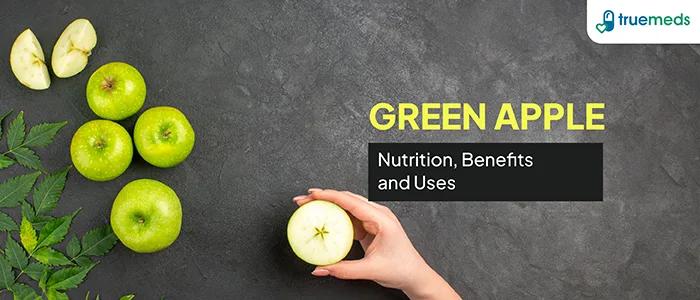
Green Apple: Nutritional Value, Health Benefits and Uses
Last updated on : 01 Dec, 2025
Read time : 9 min
Green apples are nutrient-rich fruits that support overall health and well-being. Packed with fibre, vitamins, and minerals, they promote digestion, aid in blood sugar management, and help maintain a healthy weight. Their high antioxidant content, including quercetin and catechin, helps combat oxidative stress and supports heart, liver, and immune health [1].
Regular inclusion of green apples in a balanced, varied diet can contribute to better metabolic function and overall vitality, making them a valuable choice for health-conscious individuals.
Nutritional Value of Green Apple per 100 g
Green apples are packed with fibre, calcium, magnesium, potassium, and essential vitamins like thiamine (B1), niacin (B3), pyridoxine (B6), and folate (B9) [2].
|
Nutritional Components |
Values |
| Carbohydrate | 13.81 g |
| Protein | 0.28 g |
| Fibre | 2.4 g |
| Total fat | 0.17 g |
| Sugar | 10.28 g |
| Calcium | 5 mg |
| Iron | 0.12 mg |
| Magnesium | 5 mg |
| Phosphorus | 12 mg |
| Copper | 0.024 mg |
| Sodium | 1 mg |
| Zinc | 0.04 mg |
| Manganese | 0.035 mg |
| Potassium | 107 mg |
| Riboflavin | 0.019 mg |
| Thiamin | 0.017 mg |
| Niacin | 0.091 mg |
| Vitamin B6 | 0.041 mg |
| Vitamin E | 0.18 mg |
| Vitamin A | 3 µg |
| Folate | 3 µg |
Green Apple Health Benefits
Green apples are a nutrient-dense fruit that may support various aspects of health. The benefits are primarily attributed to their high concentration of fibre, vitamins, and polyphenolic antioxidants [3].
Supports Weight Management
Green apples are low in calories and high in dietary fibre, particularly pectin, which creates a feeling of fullness (satiety) [4]. This effect can help reduce overall calorie intake and curb unnecessary snacking, thereby supporting healthy weight control.
Boosts Immunity
The presence of Vitamin C and various antioxidants in green apples contributes to the normal function of the immune system [5]. These compounds help protect cells from damage caused by free radicals.
May Improve Heart Health
The fibre, especially soluble fibre, in apples has been shown to help lower LDL (‘bad’) cholesterol levels [6]. Additionally, the polyphenols and potassium content help support blood pressure regulation, contributing to overall cardiovascular health [3].
Enhances Digestive Health
The high fibre content acts as a prebiotic in the gut, promoting the growth of beneficial gut bacteria [4]. This action, along with the bulking effect of fibre, supports regular bowel movements and prevents constipation.
Supports Skin Health
Vitamin C and the antioxidant profile help protect skin cells from oxidative damage [5] and are essential for collagen synthesis, which contributes to skin elasticity and a healthy appearance [7].
Contributes to Bone Health
Green apples provide small amounts of essential minerals like calcium and magnesium. While not a primary source, consuming a diet rich in fruits and vegetables, like green apples, is associated with better bone density in observational studies [8].
Supports Blood Sugar Management
The fibre and high water content in green apples result in a lower glycemic index (GI) compared to many processed snacks. This helps slow down the absorption of glucose, which can contribute to more stable blood sugar levels and is beneficial for those managing or aiming to prevent Type 2 diabetes [9].
Promotes Eye Health
Green apples contain Vitamin A, which is essential for vision, and powerful antioxidants like quercetin, which may help protect the eyes from oxidative stress and may reduce the risk of age-related macular degeneration [10].
How to Include Green Apple in Your Diet
Green apples are incredibly versatile and can be enjoyed in many delicious ways:
- As a Snack: Eat green apples fresh and raw as a healthy, crunchy snack.
- In Salads: Add sliced or diced green apples to salads. They pair well with ingredients like lettuce, spinach, walnuts, and feta cheese. For an Indian twist, mix them with chopped cucumbers, tomatoes, and a sprinkle of chaat masala for extra flavour.
- Green Apple Chutney: Make a tangy and sweet chutney by cooking diced green apples with coriander, mint, green chillies, and a bit of jaggery.
- Smoothies and Juices: Blend green apples with other fruits like oranges, carrots, or beetroots to create refreshing smoothies and juices.
- Desserts: Use green apples in desserts such as apple kheer, custard, apple halwa, or apple crumble.
- Baked Goods: Add them to pies, tarts, or fruit cakes—their tart flavour complements the sweetness of baked treats beautifully.
Potential Side Effects and Precautions of Green Apple
While Green Apples are generally safe and a nutritious part of a balanced diet, it is important to be mindful of potential side effects, particularly when consumed in large quantities.
Potential Side Effects
- Digestive Discomfort: Consuming large amounts of fibre too quickly may cause temporary digestive issues like bloating, gas, or mild diarrhoea due to the fermentation of fibre in the gut.
- Acid Reflux/Heartburn: The natural tartness and acidic nature of Green Apples may trigger or worsen symptoms of heartburn or acid reflux in sensitive individuals.
- Blood Sugar Considerations: Although apples have a low to medium glycemic index, consuming excessive amounts can still impact overall carbohydrate and sugar intake, requiring caution for individuals with uncontrolled diabetes or severe insulin resistance.
- Dental Health: The natural sugars and acids in Green Apples can contribute to enamel erosion and tooth decay.
Precautions to Take With Green Apple
Take the following precautions for the safe use of Green Apples:
- Wash Thoroughly: Always wash Green Apples thoroughly under running water to remove any potential pesticide residues, especially if they are non-organic.
- Moderation is Key: Eat Green Apples in moderation as part of a varied diet. Gradually increase fibre intake to avoid digestive issues.
- Monitor Blood Sugar: If you have diabetes, consult your doctor or a Registered Dietitian for personalized advice on incorporating fruit into your diet and monitor your blood sugar levels closely.
- Oral Hygiene: Rinsing your mouth with water or brushing your teeth approximately 30 minutes after eating acidic fruits can help minimize the risk of enamel erosion.
Expert Commentary
“As a Director of Clinical Excellence, I emphasize that whole fruits like green apples are vital for their synergistic blend of fibre, vitamins, and antioxidants. They are a valuable component of a preventive health lifestyle, supporting everything from gut health to cardiovascular function, but must be paired with overall healthy eating and physical activity.”
-Dr. Kavya Rejikumar
Frequently Asked Questions (FAQs)
Is a Green Apple better than a red apple?
Neither is definitively “better.” Green apples are generally tarter and may have slightly lower sugar content and a higher concentration of certain compounds like quercetin compared to many common red varieties, making them a preferred choice for some managing their sugar intake [1]. However, both offer similar overall nutritional benefits, and the choice often depends on personal preference and seasonal availability.
Is Green Apple good for the skin?
Yes, in the context of a healthy diet. Green apples are rich in vitamins, especially Vitamin C, and antioxidants that promote a healthy complexion and are vital for collagen production [7]. Their high fibre content also aids in detoxification, which indirectly supports skin health.
Which colour of apple is the healthiest?
All apple varieties, green, red, or yellow, offer valuable health benefits, including fibre, vitamins, and antioxidants. The healthiest choice is often the one you enjoy most and will consume regularly as part of a balanced diet.
Is Green Apple good for weight loss?
Yes, Green Apples are beneficial for weight management because they are low in caloric density and high in fibre, which helps increase satiety and manage hunger [4], thereby supporting a controlled calorie intake.
Is it okay to eat Green Apples every day?
Yes, it is generally safe and recommended to eat apples every day as part of your daily fruit intake. They provide essential nutrients and fibre. However, as with any food, moderation is key, and it should be part of a diverse and balanced diet.
References
[1] Boyer, J., & Liu, R. H. (2004). Apple phytochemicals and their health benefits. Nutrition Journal, 3(1), 5. https://doi.org/10.1186/1475-2891-3-5
[2] U.S. Department of Agriculture (USDA), Agricultural Research Service, FoodData Central. (n.d.). Apples, raw, green. https://fdc.nal.usda.gov/fdc-app.html#/food-details/2345097/nutrients
[3] Hyson, D. A. (2011). A comprehensive review of apples and health. Advances in Nutrition, 2(5), 408S-428S. https://doi.org/10.3945/an.111.000511
[4] Pereira, M. A., & Ludwig, D. S. (2001). Dietary fiber and body weight regulation. Nutrition Reviews, 59(5), 129-136. https://doi.org/10.1111/j.1753-4887.2001.tb07001.x
[5] Carr, A. C., & Maggini, S. (2017). Vitamin C and Immune Function. Nutrients, 9(11), 1211. https://doi.org/10.3390/nu9111211
[6] Brown, L., Rosner, B., Willett, W. W., & Sacks, F. M. (1999). Cholesterol-lowering effects of dietary fiber: a meta-analysis. The American Journal of Clinical Nutrition, 69(1), 30-42. https://doi.org/10.1093/ajcn/69.1.30
[7] Pullar, J. M., Carr, A. C., & Vissers, M. C. M. (2017). The roles of vitamin C in skin health. Nutrients, 9(8), 866. https://doi.org/10.3390/nu9080866
[8] Tucker, K. L. (2010). Vegetarian diets and bone status. The American Journal of Clinical Nutrition, 91(5), 1489S-1494S. https://doi.org/10.3945/ajcn.2010.28668B
[9] Jenkins, D. J. A., Wolever, T. M. S., Taylor, R. H., Barker, H., Fielden, H., Baldwin, J. M., Bowling, A. C., Newman, H. C., Jenkins, A. L., & Go2ff, D. V. (1981). Glycemic index of foods: a physiological basis for carbohydrate exchange. The American Journal of Clinical Nutrition, 34(3), 362-366. https://doi.org/10.1093/ajcn/34.3.362
[10] Gorusupudi, A., Mashek, A., & Bernstein, P. S. (2020). The Antioxidant Role of Quercetin in the Retina. Antioxidants, 9(12), 1184. https://doi.org/10.3390/antiox9121184
















Disclaimer
Our healthcare experts have carefully reviewed and compiled the information presented here to ensure accuracy and trustworthiness. It is important to note that this information serves as a general overview of the topic and is for informational purposes only. It is not intended to diagnose, prevent, or cure any health problem. This page does not establish a doctor-patient relationship, nor does it replace the advice or consultation of a registered medical practitioner. We recommend seeking guidance from your registered medical practitioner for any questions or concerns regarding your medical condition.
Popular Articles



Recommended Articles




Recent Articles










Company
About UsHealth ArticleHealth StoriesHealth LibraryDiseases & Health ConditionsAyurvedaUnderstanding Generic MedicinesAll MedicinesAll BrandsNeed HelpFAQSecuritySubscribe
Registered Office Address
Grievance Officer
Download Truemeds


Contact Us
Our customer representative team is available 7 days a week from 9 am - 9 pm.
v4.10.2

2025 - Truemeds | All rights reserved. Our content is for informational purposes only. See additional information.

Our Payment Partners




