
Vitamin deficiency symptoms can affect your energy levels, skin, hair, nerves, bones, and overall health. Common warning signs include persistent fatigue, brittle nails, hair loss, delayed wound healing, bleeding gums, bone pain, muscle weakness, and tingling or numbness in the hands and feet. These symptoms may develop gradually and are often mistaken for other health conditions, making them easy to overlook. Although these signs can have many possible causes, persistent or unexplained symptoms should not be ignored. A healthcare provider can recommend appropriate blood tests to identify whether a vitamin or mineral deficiency is contributing to your symptoms and advise the most suitable treatment.
The 5 Most Common Signs Your Body Needs More Vitamins
Vitamin deficiency symptoms can vary and overlap with other conditions.
Here are a few common symptoms that may indicate a vitamin deficiency and require further testing:
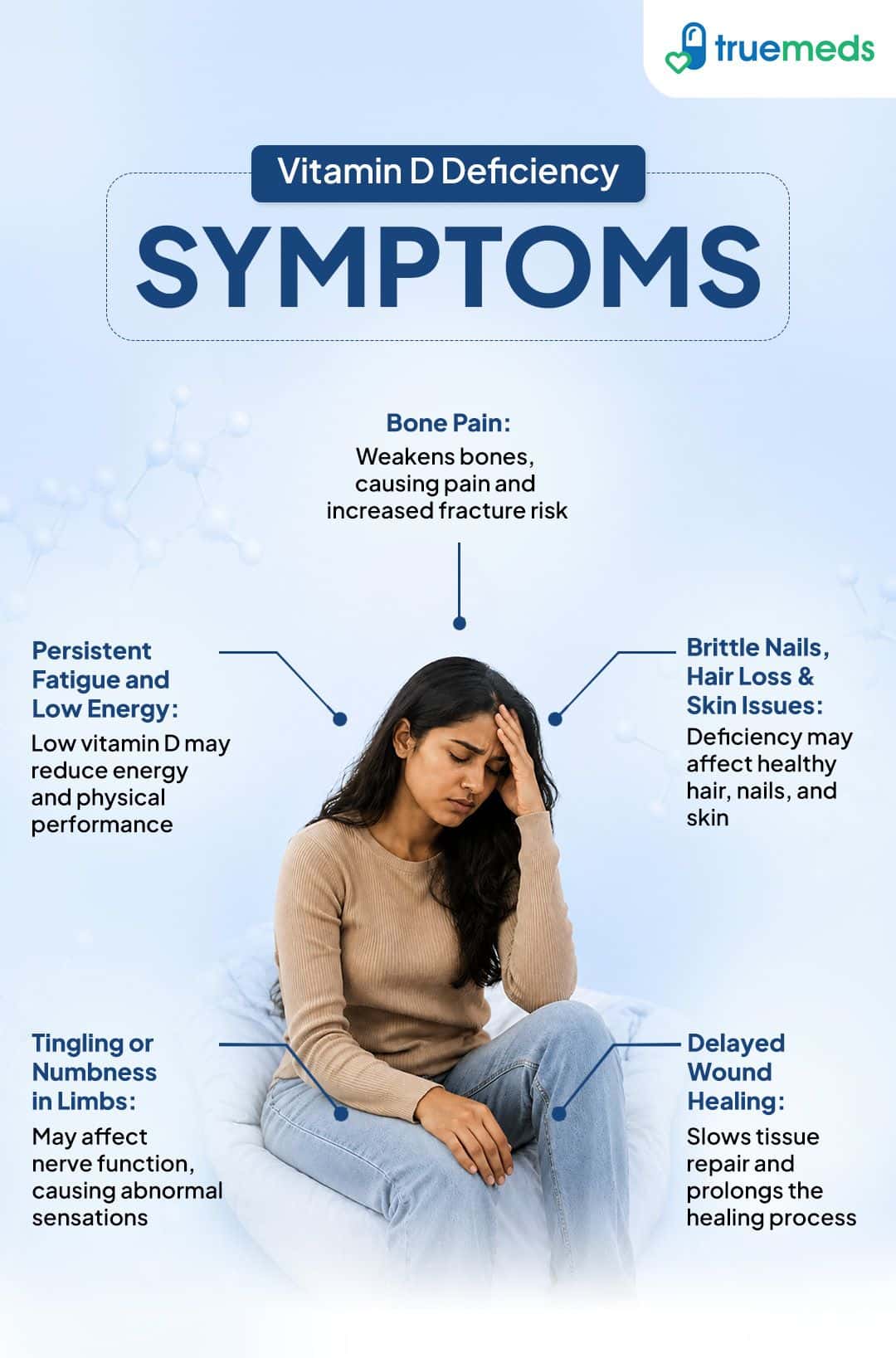
1. Persistent fatigue and low energy
Feeling constantly tired or lacking energy is a hallmark of deficiencies in B12, folate, vitamin D, and iron.[1] These nutrients are crucial for energy production and red blood cell formation, and their absence can severely impact daily productivity and mood.
Chronic fatigue can impact your quality of life, making even simple tasks feel overwhelming. If fatigue persists despite adequate rest, consider a blood test to check for nutrient deficiencies. Addressing these deficiencies can significantly improve energy levels and overall well-being.
2. Brittle nails, hair loss & skin issues
Weak, peeling, brittle nails that break easily and noticeable hair loss are often early signs of biotin (B7), iron, or zinc deficiency.[2] These nutrients are vital for maintaining healthy skin, hair, and nails.
If you notice these changes, review your diet and consider a blood test to confirm any deficiencies. Correcting these deficiencies can help restore the strength and appearance of your nails and hair.
3. Delayed wound healing and bleeding gums
Slow healing of cuts and bruises, or bleeding gums, are common signs of vitamin C or K deficiency.[3] Vitamin C is crucial for collagen formation and immune function, while vitamin K plays a key role in blood clotting. However, vitamin K deficiency is rare in the general population.
If wounds take longer to heal or you experience frequent nosebleeds or gum bleeding, it may be time to consult a healthcare provider. Proper intake of these vitamins can speed up healing and reduce the risk of complications.
4. Bone pain and muscle weakness
Persistent bone pain, especially in the lower back, hips, pelvis, or legs, along with muscle weakness, may be a sign of a vitamin D deficiency[4]. This nutrient helps the body absorb calcium and maintain strong bones and muscles. Low levels can weaken bones, causing pain and increasing the risk of fractures over time.
If you experience ongoing bone pain or muscle weakness without an obvious cause, consult a healthcare provider. A blood test measuring 25-hydroxy vitamin D (25(OH)D) can help identify whether a deficiency is contributing to your symptoms. Early diagnosis and appropriate treatment can restore healthy nutrient levels, improve bone health, and reduce the risk of long-term complications.
5. Tingling or numbness in limbs
Tingling, numbness, or a “pins and needles” sensation in the hands and feet are often neurological symptoms linked to vitamin B12 or B6 deficiency. These vitamins are crucial for nerve health, and a deficiency can lead to more serious neurological issues if left untreated.
If you experience these symptoms, seek medical advice to determine the cause and appropriate treatment.[5]
How is Vitamin Deficiency Diagnosed?
Identifying a vitamin deficiency begins with a detailed medical history and blood tests ordered by a healthcare provider. These tests help determine the exact nutrient lacking and its severity, allowing for a safe and targeted correction plan.
Common tests include:
Vitamin/Nutrient | Common Blood Test | Purpose |
| Vitamin A | Serum retinol | Assesses vitamin A status for vision and skin health |
| Folate | Serum or red cell folate | Identifies folate levels tied to energy and cell repair |
| Vitamin B12 | Serum B12 and methylmalonic acid (MMA) | Detects low B12 levels impacting nerve and red blood cell function |
| Vitamin D | 25‑hydroxy vitamin D 25(OH)D | Measures vitamin D levels affecting bone and immune health |
Management of Vitamin Deficiency
Dietary Solutions: Best Food Sources for Managing Vitamin Deficiency
A balanced diet that includes a variety of nutrient-rich foods is the best way to obtain essential vitamins for most healthy people. Different foods provide different vitamins, so eating a varied diet can help meet your daily nutritional needs. If a vitamin deficiency is confirmed, dietary changes alone may not always be enough. A healthcare professional may recommend supplements or other medical treatment, if needed, depending on the underlying cause and severity of the deficiency.
Note: Some people, including older adults, pregnant women, vegetarians, vegans and individuals with certain medical conditions, may have different vitamin requirements. If you suspect a vitamin deficiency, consult a healthcare professional before starting vitamin supplements.
When to Consider Supplements?
Supplements may be necessary when deficiencies are severe or dietary intake is insufficient. However, they should always be taken under medical supervision.
Self-diagnosing or over-supplementing can cause toxicity, especially with vitamins A and D. A doctor can tailor dosage and duration to restore balance safely.
Conclusion
Listening to your body’s signals is essential for maintaining good health. Recognising persistent symptoms such as fatigue, brittle nails, slow wound healing, night blindness, and tingling in the limbs that may indicate vitamin deficiency can help you address nutrient gaps early.
If you suspect a deficiency, consult a healthcare provider for appropriate testing and guidance. Early action can make a significant difference in your overall health and well-being.
FAQs
What are the earliest vitamin deficiency symptoms to look out for?
Early signs include fatigue, brittle nails, hair loss, slow wound healing, bleeding gums, night blindness, and tingling or numbness in limbs.
Can stress or poor sleep cause similar symptoms to a vitamin deficiency?
Yes, stress and poor sleep can cause fatigue, mood changes, and weakened immunity, which overlap with the symptoms of vitamin deficiencies. However, persistent symptoms should be evaluated by a healthcare provider.
How many different vitamins could be responsible for a symptom like fatigue?
Deficiencies in nutrients such as vitamin B12, folate, vitamin D, and iron can all cause fatigue. A comprehensive blood test can help identify the specific nutrient shortfall.
Should I take vitamin supplements at the first sign of deficiency symptoms?
Supplements should be taken under medical guidance after confirming deficiencies through blood tests. Over-supplementation can also cause health issues.
How quickly can vitamin deficiency symptoms improve once intake is corrected?
Improvement timelines vary. Mild deficiencies may ease within weeks, while others may take months. Some neurological symptoms may not fully reverse, particularly if the deficiency has been prolonged. Consistent intake of the missing vitamin is key.
When should I seek medical testing for vitamin deficiency symptoms?
Seek medical testing if symptoms persist despite dietary changes or if you have risk factors like a restricted diet, chronic illness, or recent surgery.
References
NHS. (2023, February 21). Symptoms. nhs.uk. https://www.nhs.uk/conditions/vitamin-b12-or-folate-deficiency-anaemia/symptoms/
Powell, J. (2024, November 7). Biotin – Vitamin B7. The Nutrition Source - Harvard Chan School. https://nutritionsource.hsph.harvard.edu/biotin-vitamin-b7/
Maxfield, L., Daley, S. F., & Crane, J. S. (2023, November 12). Vitamin C deficiency. StatPearls - NCBI Bookshelf. https://www.ncbi.nlm.nih.gov/books/NBK493187/
Bordelon, P., Ghetu, M. V., & Langan, R. C. (2009, October 15). Recognition and management of vitamin D deficiency. PubMed. https://pubmed.ncbi.nlm.nih.gov/19835345/