
Key Takeaways
- Moringa powder is derived from the dried leaves of the Moringa oleifera tree and is rich in vitamins, minerals, and antioxidants.
- Some scientific research has studied moringa for blood sugar management, antioxidant activity, and nutritional supplementation, although human evidence varies by use.
- A safe daily dosage for most adults is not well established. If using moringa powder, start with a small amount and follow the product label or healthcare professional's advice.
- Side effects may include digestive issues (nausea, diarrhoea, stomach discomfort) and changes in blood sugar or blood pressure, particularly in people taking medicines for diabetes or hypertension.
- Pregnant women should avoid medicinal or large amounts of moringa unless advised by a healthcare professional, as some preparations may affect uterine activity.
- Moringa is not a replacement for medical treatment; consult your doctor before use, especially if you take medications.
Moringa powder, a superfood derived from the dried leaves of the Moringa oleifera tree, has gained immense popularity in recent years. Native to India, this "miracle tree" is now widely cultivated across Africa, Asia, and South America. Moringa thrives in arid climates and is known for its rapid growth and resilience.
The leaves of the moringa tree are rich in several essential nutrients and beneficial plant compounds, including:
- High-quality plant protein, which helps support tissue growth, repair, and overall body function.
- Vitamin A (beta-carotene), which supports normal vision, skin health, and immune function.
- Vitamin C, which contributes to immune health and helps protect cells from oxidative stress.
- Vitamin E, an antioxidant that helps protect cells from free radical damage.
- Calcium, which supports healthy bones and teeth.
- Iron, which contributes to the formation of red blood cells and supports oxygen transport throughout the body.
- Potassium, which plays an important role in normal muscle, nerve, and heart function.
- Antioxidants, including quercetin and chlorogenic acid, which may help protect cells from oxidative stress and support overall health.
- Flavonoids and other bioactive plant compounds, which contribute to the nutritional value of moringa and may support general wellbeing.
This rich nutritional profile makes moringa powder a nutrient-dense addition to a balanced diet. Studies indicate that moringa may surpass common staples like oranges, carrots, and spinach in terms of specific nutrient content on a dry-weight basis[1].
The increasing demand for moringa powder in Western countries stems from its traditional medicinal uses and modern claims of its potential to support blood sugar regulation, reduce inflammation, and provide antioxidant support (molecules that can help your body fight off harmful free radicals, which have been linked to health conditions like diabetes)[2]. Scientific validation of some benefits is ongoing, with research primarily conducted in preclinical models. Let us take a closer look at the moringa powder benefits and its nutritional profile.
Nutrition Facts per Serving (1 Teaspoon)
The nutritional content of moringa powder can vary depending on the source, processing method, and brand. The following values represent approximate amounts for 1 teaspoon (2–3 g) of moringa powder:
What is Moringa Powder?
Moringa powder is a fine, green powder obtained by drying and grinding the leaves of the Moringa oleifera tree. While the leaves are the most commonly consumed part because of their impressive nutritional profile, the root and bark contain compounds such as spirochin that are generally considered unsafe for consumption. Moringa powder is a rich source of protein, fibre, and essential minerals such as iron and calcium[3]. As moringa powder offers ample potential benefits, it has been widely used as a dietary supplement[1]. It can be easily added to smoothies, soups, and teas for an extra nutritional boost.
Health Benefits of Moringa Powder
Moringa powder has gained popularity owing to its impressive health benefits. From its potent antioxidant properties to its potential role in managing chronic conditions, moringa powder offers a natural and holistic approach to wellness.
1. Antioxidant Properties
One of the most significant benefits of moringa powder lies in its rich antioxidant content. Antioxidants are essential for neutralising harmful free radicals in the body, which can cause oxidative stress and damage cells. Moringa powder is particularly abundant in antioxidant compounds such as quercetin and isothiocyanates, which may help reduce inflammation and protect against chronic diseases such as heart disease and diabetes[2].
By incorporating moringa powder into your diet, you may support your body's natural defence mechanisms and promote overall cellular health[4].
2. Anti-inflammatory Effects
Inflammation is a natural response of the body to injury or infection, but chronic inflammation can contribute to various health issues. Moringa powder contains compounds like isothiocyanates and quercetin that may target inflammatory pathways and reduce inflammation in the body. Moringa powder may offer supportive benefits for individuals with inflammatory conditions such as arthritis[5].
By potentially reducing inflammation, moringa powder may help alleviate pain and stiffness in joints and muscles, promoting better mobility and overall well-being[5].
3. Blood Sugar Regulation
For individuals with diabetes or those at risk of developing the condition, moringa powder may offer a natural way to support blood sugar management. Animal studies have suggested that consuming moringa leaf powder can have a small but positive effect on blood glucose control[6].
While more research is needed to fully understand its mechanism of action, it is believed that the bioactive compounds in moringa powder may influence pathways involved in insulin sensitivity and glucose metabolism[6].
Professional diagnosis and treatment are essential for managing diabetes. Consult your doctor before using moringa for blood sugar management.
4. Obesity Management
In vitro and in vivo studies on Moringa oleifera indicate that it has anti-obesity effects and may improve metabolic health in animals, often accompanied by favourable changes in lipid measures. While some studies report reductions in LDL cholesterol and triglycerides, many focus on metabolic syndrome and weight regulation rather than isolated cholesterol-lowering action[7].
By incorporating moringa powder into a diet rich in fruits, vegetables, and whole grains, individuals can proactively work towards maintaining healthy cholesterol levels.
Treatment must be determined by a healthcare provider. Do not self-medicate.
5. Liver Protection
Moringa powder may offer benefits for liver health due to its hepatoprotective antioxidant activity observed in preclinical studies. This superfood is packed with antioxidants that may help protect the liver from oxidative stress (an imbalance of free radicals and antioxidants in your body that leads to cell damage) and cellular damage. By potentially neutralising harmful toxins and free radicals, moringa powder may support optimal liver function and overall well-being[7].
While more research is needed to fully understand its specific effects on the liver, the high antioxidant content in moringa powder suggests it may be a valuable addition to a liver-friendly diet[7].
6. Skin and Hair Health
Moringa powder contains nutrients and antioxidants that are associated with protecting cells from oxidative stress, which is a factor in skin ageing[1]. Vitamin C, for example, plays a role in collagen production, an important protein for skin structure. Its anti-inflammatory properties are also linked with overall skin and scalp health. While these qualities make moringa powder a nutrient-rich addition to a balanced diet, direct evidence from human studies showing clear improvements in skin elasticity, wrinkle reduction, or hair growth is limited. Effects can vary individually.
7. Digestive Support
Including moringa powder in the diet may offer some support for digestive health due to its nutrient and fibre content. Early research suggests that compounds found in moringa have anti-inflammatory properties, which may help support gut comfort and digestive balance[8]. However, most evidence comes from laboratory or animal studies, and human research is still limited. As part of a varied, fibre-rich diet, moringa powder may contribute to overall gut health, though individual responses can vary, and it should not be considered a treatment for digestive issues.
8. Immune System Boost
Moringa powder may help fortify your immune system. It contains vitamin C, though levels may vary depending on processing, which plays a crucial role in enhancing immune function[1]. Vitamin C stimulates the production of white blood cells, which are the body's first line of defence against infections and illnesses[9].
Moreover, moringa powder's potent antioxidants may help protect cells from oxidative damage, further supporting overall immune health[9].
Top 6 Moringa Powder Benefits for Females
Moringa powder is rich in vitamins, minerals, antioxidants, and plant-based compounds that may support various aspects of women's health. While more research is needed to confirm some of its effects, the following potential benefits are associated with its nutritional profile:
1. Supports Iron Intake
Moringa powder contains iron, a mineral that contributes to the formation of red blood cells and the transport of oxygen throughout the body. Adequate iron intake is particularly important for women due to blood loss during menstruation.
2. Supports Bone Health
Moringa powder provides calcium and other minerals that help maintain healthy bones and teeth. Including calcium-rich foods in the diet may support bone strength and overall skeletal health.
3. Rich in Antioxidants
Moringa contains antioxidants such as quercetin, chlorogenic acid, and vitamin E. These compounds help protect cells from oxidative stress and support overall health and well-being.
4. Supports Immune Function
The vitamins C and A, and other beneficial plant compounds found in moringa, may help support normal immune system function as part of a balanced diet.
5. Contributes to Healthy Skin and Hair
Moringa contains vitamins A, C, and E, which play important roles in maintaining healthy skin. Its nutrient content may also help support normal hair health when consumed as part of a nutritious diet.
6. Supports Overall Nutritional Health
Due to its combination of protein, vitamins, minerals, and bioactive compounds, moringa powder can be a useful addition to a balanced diet, particularly for women looking to increase their intake of nutrient-dense foods.
Moringa Powder Uses
Moringa powder is an incredibly versatile superfood that can be easily incorporated into your daily routine. Here are some practical ways to enjoy its numerous health benefits:
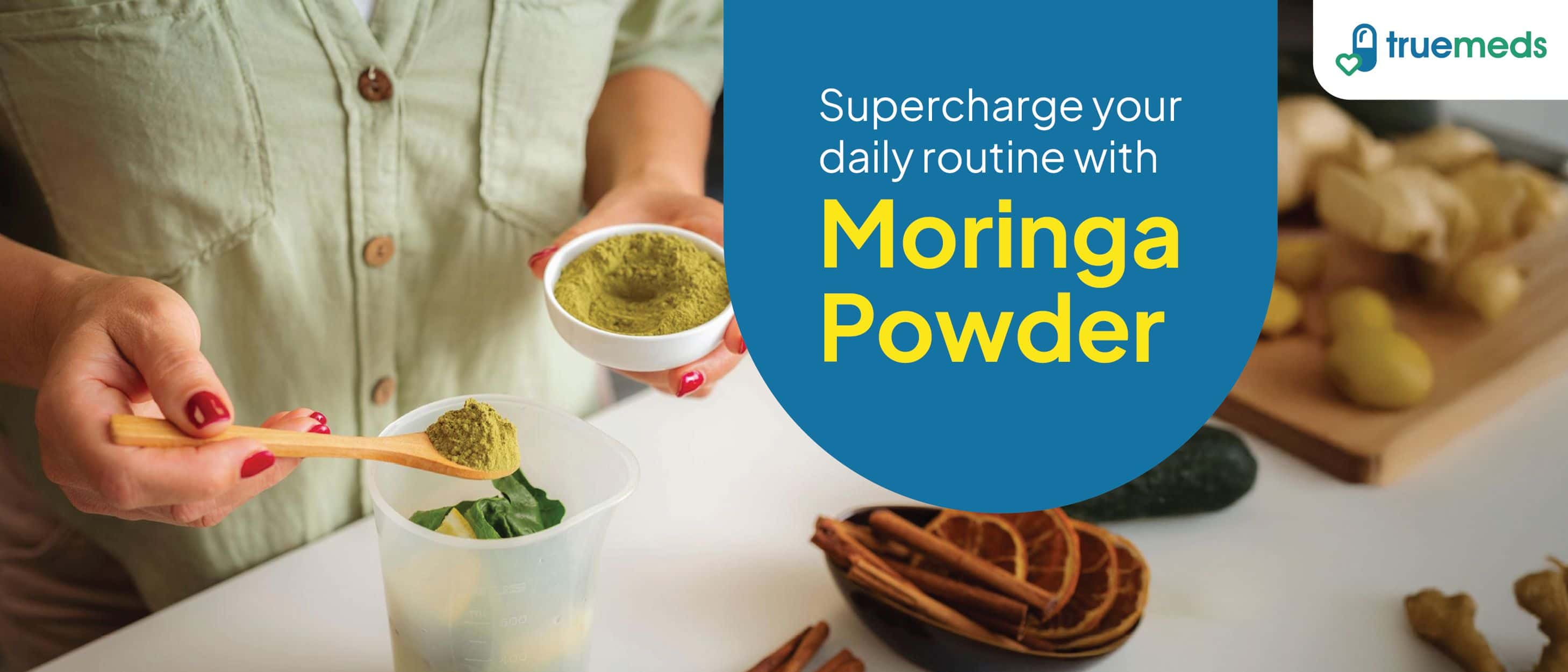
- Add ½–1 teaspoon (approximately 2–3 g) of moringa powder to your favourite smoothie recipe or protein shake for an extra source of antioxidants, protein, and essential nutrients.
- Sprinkle moringa powder into your soups and stews to infuse them with a nutritional boost and a subtle, pleasant flavour.
- Incorporate moringa powder into your baked goods or use it as a seasoning in savoury dishes to reap its health benefits while adding a unique taste.
- Look for skincare products that contain moringa powder, as its antioxidants may help combat signs of ageing and promote a radiant complexion. Alternatively, make a homemade face pack with moringa powder to reap its benefits.
- Moringa has been used in traditional medicine for centuries to address various health concerns, including inflammation and digestive issues. Moringa supplements are also widely available and can be consumed with medical advice.
Consult your doctor before starting any new supplement regimen.
By integrating moringa powder into your diet and self-care routine, you can tap into its wide array of benefits for your overall health and well-being.
Moringa, Honey & Yoghurt Face Mask Recipe:Ingredients: Instructions: Perform a patch test before application to avoid allergic reactions. |
Moringa Powder Side Effects
While moringa powder is generally considered safe for consumption, it is essential to be aware of potential side effects.
- Some individuals may experience digestive issues, such as nausea, diarrhoea, or stomach cramps, particularly when introducing moringa powder to their diet abruptly.
- Moringa may interact with certain medications, including anticoagulants and blood pressure medications, potentially affecting their efficacy.
- There is limited evidence suggesting that it contains oxalates, which may be relevant for individuals.
- Some people may experience allergic reactions, ranging from mild skin rashes to more severe reactions, depending on individual sensitivities.
If you experience any adverse reactions, discontinue use and consult your healthcare provider immediately.
How to Use Moringa Powder Safely
When incorporating moringa powder into your diet:
- It is essential to start with a small dose and gradually increase the amount as needed.
- This approach helps prevent digestive discomfort that may occur when introducing moringa too quickly.
- Always mix the powder with a liquid, such as water or juice, to aid digestion and improve absorption of nutrients.
When to Consult a Doctor If You Take Moringa Powder
Before using moringa powder, speak with your doctor if any of the following apply to you:
- You have pre-existing health conditions, such as diabetes, kidney disease, or liver disorders.
- You take medicines that affect blood sugar or blood pressure, as moringa may influence their effects.
- You are scheduled for surgery or certain medical tests, as moringa may interfere with laboratory results.
- You are pregnant, planning to become pregnant, or breastfeeding. Large amounts and concentrated extracts should be avoided unless recommended by a healthcare professional.
- You experience unusual symptoms or side effects after using moringa powder.
- You require regular monitoring of blood pressure or blood sugar levels while taking related medications.
Using moringa powder as part of a balanced diet is generally considered safe for many people, but medical advice is recommended if you have any underlying health concerns or are taking prescription medicines.
FAQs
How does moringa powder benefit health?
Moringa powder is often valued for its rich nutrient profile. It contains vitamins, minerals, and plant compounds that may help support immune function, reduce inflammation, and improve overall energy levels. Its iron, calcium, and B vitamins can contribute to daily nutritional needs, though benefits can vary depending on diet, health status, and how it’s consumed.
Can moringa powder help with weight loss?
While limited direct evidence exists, moringa powder's high nutrient density and potential metabolism-supporting compounds may aid weight management when combined with a healthy diet and lifestyle.
Is moringa powder safe to consume daily?
Moringa powder is generally safe in moderate amounts. However, excessive intake may cause digestive issues. Consult a doctor for long-term use.
How should moringa powder be stored?
To preserve nutrients and prevent moisture absorption, store moringa powder in an airtight container in a cool, dark place.
Can moringa powder be used during pregnancy?
Pregnant women should avoid large doses of moringa powder due to potential uterine-stimulating effects. Consult a doctor before use.
Are there any known drug interactions with moringa powder?
Moringa powder may interact with certain medications, including those used for blood pressure, blood sugar, or thyroid conditions. Because these interactions can vary by individual and dosage, it’s best to consult a doctor before using moringa powder alongside any prescription medicines.
What is the best way to consume moringa powder?
Moringa powder can be added to smoothies, protein shakes, soups, or herbal teas. A small amount, such as ½–1 teaspoon (approximately 2–3 g), is commonly used. It is best incorporated into a balanced diet rather than relied upon as a sole source of nutrition.
What to avoid when taking moringa?
Avoid consuming excessive amounts of moringa powder or concentrated extracts without medical advice. People taking medicines for diabetes or blood pressure, as well as pregnant or breastfeeding women, should consult a healthcare professional before using moringa regularly.
What does moringa do for ladies?
Moringa provides vitamins, minerals, antioxidants, and plant protein that may support overall health in women. Its iron, calcium, and vitamin content may contribute to healthy nutrition, bone health, immune function, and general well-being when consumed as part of a balanced diet.
Can moringa leaves lower BP?
Some studies suggest that compounds found in moringa may help support healthy blood pressure levels. However, evidence is still limited, and moringa should not replace prescribed treatment. People taking blood pressure medicines should consult their doctor before using moringa regularly.
Medical Disclaimer
This article is for informational purposes only and does not constitute medical advice. The information provided should not be used for diagnosing or treating health conditions. Always consult a qualified healthcare provider for diagnosis, treatment, and personalised medical advice. Do not disregard professional medical advice or delay seeking it because of information found in this article. If you have a medical emergency, contact your doctor or emergency services immediately.
References
Islam, Z., Islam, S. M. R., Hossen, F., Mahtab-Ul-Islam, K., Hasan, M. R., & Karim, R. (2021). Moringa oleifera is a Prominent Source of Nutrients with Potential Health Benefits. International journal of food science, 2021, 6627265. https://doi.org/10.1155/2021/6627265
Vergara-Jimenez, M., Almatrafi, M. M., & Fernandez, M. L. (2017). Bioactive Components in Moringa Oleifera Leaves Protect against Chronic Disease. Antioxidants (Basel, Switzerland), 6(4), 91. https://doi.org/10.3390/antiox6040091
Sultana S. (2020). Nutritional and functional properties of Moringa oleifera. Metabolism open, 8, 100061. https://doi.org/10.1016/j.metop.2020.100061
El-Sherbiny, G. M., Alluqmani, A. J., Elsehemy, I. A., & Kalaba, M. H. (2024). Antibacterial, antioxidant, cytotoxicity, and phytochemical screening of moringa oleifera leaves. Scientific Reports, 14(1). https://doi.org/10.1038/s41598-024-80700-y