

- Medicines
- Personal Care
- Skin Cream
- Sunscreen
- Face Wash
- Skin and Body Soap
- Acne Care
- Body Lotions
- Moisturising Lotion
- Moisturising Cream
- Mosquito Repellent
- Moisturising Gel
- Body Wash
- Hair Oils
- Hair Shampoo
- Hair Conditioners
- Hair Supplements
- Hair Colour
- Hair Serum
- Hair Mask
- Hair Solutions
- Baby Diapers and Wipes
- Baby Lotion and Moisturising Cream
- Baby Bath Essentials
- Baby Skin Care
- Baby and Infant Food
- Baby Healthcare
- Women Multivitamins
- Ovulation Test Kit and Women Intimate Care
- Sanitary Pads
- Nutritional Drinks
- Condoms
- Lubricants
- Massage Gels
- Personal Body Massagers
- Men Performance Booster
- Sexual Health Supplements
- Massage Oils
- Ayurveda
- Tooth Paste
- Mouth Ulcer Gel
- Mouthwash
- Toothache and Gum Pain
- Tooth Brush
- Gargle Solution
- Orthopaedic Supports
- Adult Diapers
- Footwear
- Mobility and Support Accessories
- Urinary Support and Care
- Health Conditions
- Bone and Joint Care
- Digestive Care
- Eye Care
- Pain Relief
- Smoking Cessation
- Liver Care
- Stomach Care
- Cold and Cough
- Heart Care
- Kidney Care
- Piles, Fissures & Fistula
- Respiratory Care
- Mental Wellness
- Derma Care
- Pre and Probiotics
- Acidity
- Gas
- Constipation
- Loose Motion/Diarrhoea
- Digestive Fibres
- Digestive Enzymes
- Eye Lubricant Drops
- Lens Solution
- Safety Eye Wear
- Eye Cream
- Eye Vitamins and Supplements
- Eye Drops
- Eye Ointment and Gel
- Nicotine Patch
- Nicotine Gum
- Nicotine Lozenges
- Cough Syrups
- Chest Rubs and Balms
- Nasal Spray
- Lozenges
- Inhalant Capsules
- Cold and Cough Tablets
- Vitamins & Supplements
- Diabetes Care
- Healthcare Devices
- Homeopathic Medicine
- Health Guide
Heart Valve Disease
Heart valve disease is a condition where one or more heart valves do not function properly, affecting blood flow and potentially causing strain on the heart. It can be classified into four stages based on severity and impact on the patient's life, with treatment ranging from monitoring to surgical intervention. Early diagnosis and appropriate management are crucial for preventing complications and improving outcomes.
 50
50Last updated on : 28 Apr, 2026
Read time : 17 mins
Overview of Disease
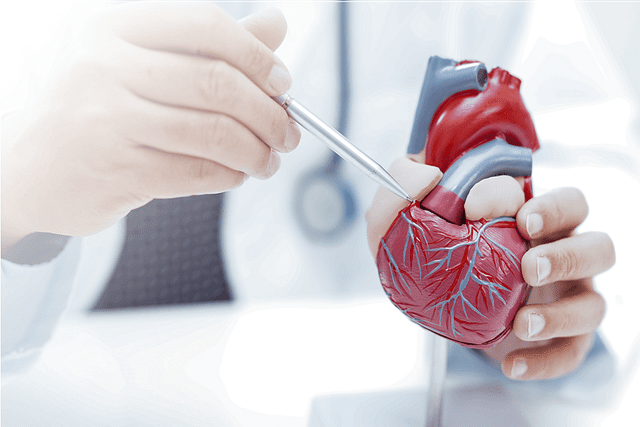
Heart valve disease is a significant health concern that affects millions of people worldwide. The heart has four valves—the tricuspid, pulmonary, mitral, and aortic valves—which play a crucial role in ensuring that blood flows in the correct direction through the heart. When one or more of these valves become damaged or diseased, it can disrupt normal blood flow and place additional strain on the heart, leading to various signs and symptoms of heart valve problems. Understanding the causes, symptoms, and treatment options for heart valve disease is crucial for effective management and prevention of potential complications.
What is Heart Valve Disease?
Heart valve disease refers to any condition that affects the functioning of one or more of the heart's valves (Otto et al., 2021). Each valve has flaps that open and close to ensure blood flows in the right direction through the heart and to the rest of the body. When a valve becomes damaged or diseased, it may not open or close properly, leading to problems such as regurgitation (leakage), stenosis (narrowing), or atresia (blockage). These issues can put extra strain on the heart, leading to potential complications such as heart failure, sudden cardiac arrest, and death if not properly managed.
Key Factors about Heart Valve Disease
| Category | Details |
| Also Referred as | Valvular heart disease |
| Commonly Occurs In | Older adults (due to age‑related valve changes) and people with congenital valve abnormalities, previous rheumatic fever, or a history of infective endocarditis |
| Affected Organ | Heart, specifically the four valves (aortic, mitral, pulmonary, tricuspid) |
| Type | Stenosis, regurgitation, prolapse, atresia (Otto et al., 2021). |
| Common Signs | Shortness of breath, heart palpitations, swelling, weakness, dizziness, chest pain |
| Consulting Specialist | Cardiologist |
| Treatment Procedures | Medicines, lifestyle changes, heart valve repair, valve replacement surgery, and minimally invasive transcatheter procedures (such as transcatheter aortic valve replacement (TAVR) or transcatheter mitral repair), when appropriate |
| Managed By | Rate‑controlling medicines (beta‑blockers such as metoprolol or bisoprolol, and non‑dihydropyridine calcium channel blockers such as diltiazem or verapamil in selected patients), diuretics (such as furosemide and spironolactone) to relieve congestion, vasodilators in specific valve lesions, and anticoagulants for patients with atrial fibrillation or mechanical valves, alongside timely valve repair or replacement when indicated. |
| Mimicking Condition | Heart failure, coronary artery disease, cardiomyopathy, primary arrhythmias, and lung diseases such as chronic obstructive pulmonary disease (COPD), which can cause similar symptoms, like breathlessness or chest discomfort |
Types of Heart Valve Disease
Heart valve disease can be categorised into several types based on the malfunction of the heart valves, including:
Stenosis: This occurs when the valve opening becomes narrowed, limiting the flow of blood out of the ventricles or atria. The heart is forced to pump blood with increased force to move blood through the narrowed or stiff (stenotic) valve(s).
Regurgitation (or leakage of the valve): This occurs when the valve(s) do not close completely, causing blood to flow backwards through the valve. This can lead to volume overload in the heart.
Prolapse: This happens when the valve leaflets bulge back or flop into the atrium during the heart's contraction, often leading to regurgitation.
Atresia: This is a condition where a heart valve does not form properly and lacks an opening for blood to pass through.
Early Signs of Heart Valve Disease
Early detection is crucial for managing heart valve disease effectively. Some early signs may include:
A general decline in your activity level or ability to exercise
Heart murmurs (whooshing or swishing sounds) heard through a stethoscope
Changes in heart sounds detected by an electrocardiogram (ECG)
Decreased performance during physical activities
Chest discomfort during exertion or even at rest
Symptoms of Heart Valve Disease
The symptoms of heart valve disease can vary depending on the type and severity of the condition. Some common symptoms include:
Shortness of breath: Many individuals experience difficulty breathing during physical activity or even while at rest. This can occur due to the heart's inability to pump blood effectively, leading to fluid accumulation in the lungs.
Fatigue: Chronic tiredness is a frequent complaint, often stemming from the heart working harder to maintain adequate blood flow. This fatigue may not improve with rest and can significantly impact daily activities.
Chest pain: Individuals may have a feeling of pressure or tightness in the chest, which can be mistaken for angina or other heart conditions. This symptom may arise during exertion or periods of emotional stress.
Palpitations: An irregular heartbeat or the sensation of a racing heart can occur, as the heart may struggle to maintain a steady rhythm due to valve dysfunction. This can be alarming and may lead to increased anxiety.
Swelling: Fluid retention in the legs, ankles, or abdomen is common, as the heart's impaired function can cause blood to back up, leading to swelling in these areas.
Dizziness: Some individuals may experience lightheadedness or fainting spells, particularly during physical activity. This can be a sign of inadequate blood flow to the brain due to compromised heart function.
Heart murmur: A doctor may detect a heart murmur during a routine examination. This sound results from turbulent blood flow through a damaged or improperly functioning valve.
Stages of Heart Valve Disease
Heart valve disease can be classified into four stages based on the severity of the condition and its impact on the patient's life (Otto et al., 2021). These include:
- Stage A: In this stage, individuals are at risk for developing heart valve disease (for example, with risk factors or associated conditions) but without established valve damage or symptoms.
- Stage B: Patients in this stage have mild to moderate valve disease, as detected by diagnostic tests such as echocardiograms, but do not experience noticeable symptoms.
- Stage C: This stage is characterised by severe valve disease with an objective impact on heart function, but with no or only mild symptoms in daily life.
- Stage D: In the most advanced stage, patients have symptomatic severe valve disease with limiting symptoms such as shortness of breath, fatigue, chest pain, or syncope despite appropriate medical management.
Causes of Heart Valve Disease
Heart valve disease can develop due to various factors, including:
Congenital heart defects: Some people are born with heart valve abnormalities, such as bicuspid aortic valve or congenital aortic valve stenosis.
Age-related changes: As we age, our heart valves may thicken and become less flexible, leading to stenosis or regurgitation.
Rheumatic fever: This inflammatory disease, which may occur after an untreated strep throat infection, can cause scarring and damage to the heart valves, particularly the mitral valve.
Infective endocarditis: This infection of the inner lining of the heart and valves can damage the valves, leading to regurgitation or stenosis.
Coronary artery disease and heart attacks: These conditions can cause damage to the heart muscle and affect the function of the valves.
Other conditions: Certain autoimmune disorders, such as lupus or rheumatoid arthritis, and chronic diseases like hypertension and diabetes, can increase the risk of developing heart valve disease.
Risk Factors
Several factors can increase the risk of developing heart valve disease, including:
Age
Family history
Congenital heart defects (such as a bicuspid aortic valve)
Infections (such as rheumatic fever and endocarditis)
Other health conditions (such as heart failure, high blood pressure, diabetes, and lupus)
Lack of physical activity
Smoking
Obesity
Medical devices (such as implanted pacemakers or defibrillators)
Complications
If left untreated, heart valve disease can lead to several serious complications, including:
Heart failure: When the heart valves do not function properly, the heart may struggle to pump enough blood to meet the body's needs. This can result in symptoms such as fatigue, shortness of breath, and swelling in the legs and feet.
Stroke: In some cases, blood clots can form due to the abnormal blood flow caused by a damaged heart valve. These clots can travel to the brain, causing a stroke.
Arrhythmias: Heart valve problems can disrupt the heart's normal rhythm, leading to irregular heartbeats (arrhythmias).
Pulmonary hypertension: In cases of mitral valve regurgitation or aortic valve stenosis, the increased pressure in the heart can cause high blood pressure in the lungs (pulmonary hypertension).
Sudden cardiac arrest: In severe cases, untreated heart valve disease can lead to sudden cardiac arrest and death.
Prevention of Heart Valve Disease
There are several steps you can take to reduce your risk of developing this condition, including:
Maintain a healthy lifestyle: Engage in regular physical activity, eat a balanced diet, and maintain a healthy weight to reduce the risk of heart valve problems.
Manage underlying health conditions: If you have high blood pressure, diabetes, or other conditions that increase your risk of heart valve disease, work with your doctor to manage these conditions effectively.
Practice good oral hygiene: Regular dental check-ups and maintaining good oral hygiene can help prevent infective endocarditis, which can damage the heart valves.
Address strep throat promptly: If you suspect you have strep throat, seek medical attention and complete the prescribed course of antibiotics to prevent rheumatic fever, which can lead to heart valve damage.
Quit smoking: Smoking can increase the risk of heart valve disease, so quitting smoking is an essential step in preventing valve problems.
Follow-up care: If you have a history of heart valve disease or have undergone valve repair or replacement, attend regular check-ups with your cardiologist to monitor your heart health.
Diagnosis & Tests
If your doctor suspects you have heart valve disease based on your symptoms and physical examination, they may recommend several tests to confirm the diagnosis and assess the severity of the condition (Vahanian et al., 2022). These include:
- Echocardiogram: This non-invasive test uses sound waves to create detailed images of your heart, allowing your doctor to evaluate the structure and function of your heart valves.
- Electrocardiogram (ECG): An ECG records the electrical activity of your heart, which can help detect abnormal heart rhythms and other signs of heart valve disease.
- Chest X-ray: A chest X-ray can show if your heart is enlarged or if there is fluid buildup in your lungs, which can be signs of heart valve problems.
- Cardiac catheterisation: In this procedure, a thin, flexible tube (catheter) is inserted into a blood vessel in your arm or leg and guided to your heart. Dye is injected through the catheter to make your heart valves more visible on X-ray images.
- Cardiac MRI: This advanced imaging test uses magnetic fields and radio waves to create detailed images of your heart, which can help assess the severity of heart valve disease.
- Exercise tests: Your doctor may recommend a stress test or exercise echocardiogram to evaluate how your heart valves function during physical activity.
Treatment & Management
Managing heart valve disease involves a tailored approach based on the type of valve disorder (stenosis or regurgitation), the specific valve affected (aortic, mitral, tricuspid, or pulmonary), symptom severity, and the patient’s overall health. Treatment ranges from medications to surgical interventions.
1. Medications
While medications cannot cure valve disease, they help control symptoms, slow disease progression, and improve heart function (EuroIntervention/ESC, 2024).
Commonly used medicines include:
Beta-blockers
- Metoprolol: A beta-blocker that lowers heart rate and blood pressure, helping control arrhythmias and reduce the heart’s workload.
- Atenolol: Slows the heart rate and decreases blood pressure, making it useful in managing hypertension and cardiac arrhythmias.
- Bisoprolol: Selectively blocks beta-1 receptors to reduce heart rate and improve symptoms in heart failure and hypertension.
- Carvedilol: A non-selective beta-blocker with additional alpha-blocking properties, used to improve heart function in heart failure and control high blood pressure.
Calcium channel blockers
- Amlodipine: A calcium channel blocker that relaxes blood vessels, reducing blood pressure and easing the heart’s effort.
- Diltiazem: Slows the heart rate and dilates arteries, useful in managing high blood pressure and certain arrhythmias.
- Verapamil: Controls heart rhythm and lowers blood pressure by inhibiting calcium influx into heart and blood vessel cells.
Diuretics
- Furosemide: A loop diuretic that helps reduce fluid buildup and swelling, relieving symptoms of heart failure and hypertension.
- Torsemide: A long-acting loop diuretic that reduces excess fluid and lowers blood pressure, especially in heart failure.
- Spironolactone: A potassium-sparing diuretic that helps manage fluid retention in heart failure while preserving potassium levels.
- Hydrochlorothiazide: A thiazide diuretic that reduces blood pressure and fluid overload, often used in hypertension and mild heart failure.
ACE inhibitors
- Enalapril: An ACE inhibitor that dilates blood vessels and lowers blood pressure, improving symptoms in heart failure.
- Ramipril: Lowers blood pressure and reduces strain on the heart, beneficial in managing hypertension and heart failure.
- Lisinopril: Helps reduce afterload and improve heart function by relaxing blood vessels in hypertension and heart failure.
Angiotensin II Receptor Blockers (ARBs)
- Losartan: Lowers blood pressure and protects heart function, often used when ACE inhibitors are not tolerated.
- Valsartan: Blocks angiotensin II effects, reducing blood pressure and supporting heart failure management.
Vasodilators
- Hydralazine: A vasodilator that relaxes arteries, improving blood flow and lowering heart workload in heart failure and hypertension.
- Isosorbide dinitrate: Relieves cardiac workload by dilating veins and arteries, commonly used in heart failure and angina.
- Digoxin: Improves heart contraction and controls certain types of arrhythmias (especially in mitral stenosis with atrial fibrillation).
Anticoagulants
- Warfarin: An oral anticoagulant that prevents clot formation in patients with atrial fibrillation or mechanical heart valves, where a vitamin K antagonist is usually required.
- Apixaban: A direct factor Xa inhibitor that reduces the risk of stroke and clots in atrial fibrillation without the need for frequent monitoring.
- Rivaroxaban: Helps prevent thromboembolism in patients with non‑valvular atrial fibrillation and in some patients with bioprosthetic valves, but it is not recommended for mechanical heart valves.
Antiarrhythmic agents
- Amiodarone: A broad-spectrum antiarrhythmic used to manage various irregular heart rhythms, including atrial fibrillation and ventricular arrhythmias.
- Flecainide: Slows electrical conduction in the heart and is used to treat certain supraventricular arrhythmias in carefully selected patients without significant structural heart disease.
- Sotalol: A beta-blocker with antiarrhythmic effects that helps control abnormal heart rhythms, especially in atrial and ventricular arrhythmias.
2. Surgery
Surgical intervention is often required for moderate to severe valve dysfunction to relieve symptoms and prevent complications such as heart failure.
- Valve repair: Preserves the patient’s native valve. Techniques include annuloplasty (tightening or reinforcing the valve ring), leaflet repair, and chordae tendineae repair. Commonly done for mitral and tricuspid regurgitation.
- Valve replacement: Necessary when repair is not possible. Options include:
- Mechanical valves: Durable but require lifelong anticoagulation.
- Biological (tissue) valves: Made from animal tissue; may not require long-term anticoagulation, but may wear out sooner.
3. Minimally Invasive Procedures
Minimally invasive options are increasingly used in patients unsuitable for traditional open-heart surgery (Vahanian et al., 2022):
- Transcatheter Aortic Valve Replacement (TAVR): A catheter-based procedure to replace the aortic valve, especially in patients with severe aortic stenosis.
- MitraClip: A percutaneous procedure used to repair the mitral valve in selected cases of mitral regurgitation.
- Balloon Valvuloplasty: Used for certain types of stenotic valves, particularly in younger patients or those who cannot undergo surgery.
Living with Disease
Living with heart valve disease requires ongoing management and lifestyle adjustments. Here are some key points to keep in mind:
- Attend regular appointments with your cardiologist to monitor the progression of the disease and adjust treatment plans as needed.
- Take prescribed medications as directed by your doctor to manage symptoms and prevent complications.
- Maintain a healthy lifestyle, including a balanced diet and regular exercise, to help manage symptoms and reduce cardiovascular risks.
- Discuss with your cardiologist whether you need antibiotic prophylaxis before dental or other invasive procedures, as this is now recommended only for selected high‑risk patients (for example, those with prosthetic valves or a history of infective endocarditis).
When to See a Doctor?
If you experience symptoms such as chest pain, palpitations from irregular heartbeats, fatigue, dizziness, shortness of breath, leg swelling, or abdominal pain due to an enlarged liver, it's important to seek medical attention promptly. These symptoms, especially if they are severe or persistent, should not be ignored. Early detection and intervention can significantly prevent the progression of heart valve disease, leading to better overall outcomes for your health.
Key Takeaways
Heart valve disease is a condition where one or more of the heart valves do not function properly, affecting blood flow through the heart.
The main types of heart valve disease are aortic stenosis, aortic regurgitation, mitral stenosis, and mitral regurgitation.
Symptoms of heart valve disease may include chest pain, palpitations, fatigue, dizziness, shortness of breath, and leg or abdominal swelling.
Treatment options for heart valve disease include medications, surgery (repair or replacement), and minimally invasive procedures, depending on the severity and type of the condition.
Regular follow-up with a cardiologist, medication adherence, lifestyle changes, and infective endocarditis prevention are important aspects of managing heart valve disease.
Seeking prompt medical attention when symptoms appear or worsen is crucial for early diagnosis and treatment of heart valve disease.
FAQs
What are the symptoms of a valve problem in the heart?
Common symptoms of heart valve disease include shortness of breath, fatigue, swelling in the feet, ankles, or abdomen, chest pain during physical activity, arrhythmia, dizziness, and heart palpitations.
Can you live long life with heart valve disease?
Yes, with effective management through medication, lifestyle changes, and possibly surgery, individuals with heart valve disease can live a long and relatively normal life.
Is heart valve disease curable?
Heart valve disease is not curable in the sense of restoring the valve to its original state; however, it can be effectively managed and treated with medications and/or surgery.
How to avoid heart valve disease?
Maintaining a healthy lifestyle, managing related conditions like high blood pressure and diabetes, and promptly treating infections like strep throat can help avoid heart valve disease.
Can ECG detect heart valve problems?
While an ECG can provide indirect clues about heart valve issues, more definitive diagnosis often requires additional tests, such as an echocardiogram.
Can a heart valve be repaired?
Yes, heart valves can be repaired through surgical procedures, which can help restore normal blood flow and alleviate symptoms of valvular heart disease.
What is the best treatment for heart valves?
The best treatment for heart valve disease depends on the specific condition and severity, but it may include medications, lifestyle modifications, valve repair, or valve replacement surgery.
How to check heart valve blockage?
Diagnostic tests such as echocardiography, cardiac catheterisation, and cardiac MRI can help detect and assess the severity of heart valve blockages or stenosis.
How to clean a heart valve?
While heart valves cannot be directly cleaned, certain procedures like balloon valvuloplasty can help improve the function of narrowed valves by stretching them open.
Is walking good for heart valves?
Regular, moderate exercise like walking can be beneficial for heart valve health, as it helps maintain overall cardiovascular fitness and manage related risk factors. However, it's essential to consult with a doctor for personalised recommendations.
References
- Otto, C. M., Nishimura, R. A., Bonow, R. O., Carabello, B. A., Erwin, J. P., Gentile, F., … Yancy, C. W. (2021). 2020 ACC/AHA guideline for the management of patients with valvular heart disease. Journal of the American College of Cardiology, 77(4), e25–e197. https://doi.org/10.1016/j.jacc.2020.11.018
- Vahanian, A., Beyersdorf, F., Praz, F., Milojevic, M., Baldus, S., Bauersachs, J., … Zamorano, J. L. (2022). 2021 ESC/EACTS guidelines for the management of valvular heart disease. European Heart Journal, 43(7), 561–632. https://doi.org/10.1093/eurheartj/ehab395
- ESC/EACTS. (2025). 2025 ESC/EACTS guidelines for the management of valvular heart disease. European Society of Cardiology / European Association for Cardio‑Thoracic Surgery. https://www.escardio.org/Guidelines/Clinical-Practice-Guidelines/Valvular-Heart-Disease
- Hayek, S., & Griffin, B. (2021). The 2020 ACC/AHA guidelines for management of patients with valvular heart disease: A practical overview. Cardiology Clinics, 39(4), 599–612. https://doi.org/10.1016/j.ccl.2021.07.001
- EuroIntervention / ESC. (2024). Medical therapy in valvular heart disease: Symptom control and risk reduction. EuroIntervention, 20(2), 145–154. https://eurointervention.pcronline.com/article/2021-esc-eacts-guidelines-for-the-management-of-valvular-heart-disease
Browse Other Conditions
Latest health articles

Top Health Essentials



















Disclaimer
Top-Selling Medicines:
...View more
Top-OTC medicines:
...View more
Company
About UsHealth ArticleHealth StoriesHealth LibraryDiseases & Health ConditionsAyurvedaUnderstanding Generic MedicinesAll MedicinesAll BrandsNeed HelpFAQSecuritySavings CalculatorAdvertise with UsSubscribe
Registered Office Address
Grievance Officer
Download Truemeds


Contact Us
Our customer representative team is available 7 days a week from 9 am - 9 pm.
v4.28.10

2026 - Truemeds | All rights reserved. Our content is for informational purposes only. See additional information.

Our Payment Partners




