

- Medicines
- Personal Care
- Skin Cream
- Sunscreen
- Face Wash
- Skin and Body Soap
- Acne Care
- Body Lotions
- Moisturising Lotion
- Moisturising Cream
- Mosquito Repellent
- Moisturising Gel
- Body Wash
- Hair Oils
- Hair Shampoo
- Hair Conditioners
- Hair Supplements
- Hair Colour
- Hair Serum
- Hair Mask
- Hair Solutions
- Baby Diapers and Wipes
- Baby Lotion and Moisturising Cream
- Baby Bath Essentials
- Baby Skin Care
- Baby and Infant Food
- Baby Healthcare
- Women Multivitamins
- Ovulation Test Kit and Women Intimate Care
- Sanitary Pads
- Nutritional Drinks
- Condoms
- Lubricants
- Massage Gels
- Personal Body Massagers
- Men Performance Booster
- Sexual Health Supplements
- Massage Oils
- Ayurveda
- Tooth Paste
- Mouth Ulcer Gel
- Mouthwash
- Toothache and Gum Pain
- Tooth Brush
- Gargle Solution
- Orthopaedic Supports
- Adult Diapers
- Footwear
- Mobility and Support Accessories
- Urinary Support and Care
- Health Conditions
- Bone and Joint Care
- Digestive Care
- Eye Care
- Pain Relief
- Smoking Cessation
- Liver Care
- Stomach Care
- Cold and Cough
- Heart Care
- Kidney Care
- Piles, Fissures & Fistula
- Respiratory Care
- Mental Wellness
- Derma Care
- Pre and Probiotics
- Acidity
- Gas
- Constipation
- Loose Motion/Diarrhoea
- Digestive Fibres
- Digestive Enzymes
- Eye Lubricant Drops
- Lens Solution
- Safety Eye Wear
- Eye Cream
- Eye Vitamins and Supplements
- Eye Drops
- Eye Ointment and Gel
- Nicotine Patch
- Nicotine Gum
- Nicotine Lozenges
- Cough Syrups
- Chest Rubs and Balms
- Nasal Spray
- Lozenges
- Inhalant Capsules
- Cold and Cough Tablets
- Vitamins & Supplements
- Diabetes Care
- Healthcare Devices
- Homeopathic Medicine
- Health Guide
Reactive Arthritis
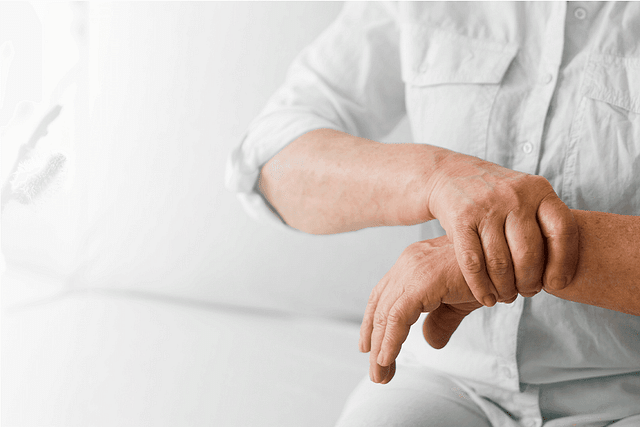
Reactive arthritis is an inflammatory condition that develops in response to certain bacterial infections, particularly those affecting the genitourinary or gastrointestinal systems. It is characterised by joint pain and swelling, typically in the knees, ankles, and feet, and can also involve the eyes, skin, and urethra. While not contagious, reactive arthritis can be triggered by specific genitourinary (e.g. Chlamydia trachomatis) or gastrointestinal bacterial infections (e.g. Salmonella, Shigella, Campylobacter, Yersinia).
 50
50Last updated on : 07 May, 2026
Read time : 11 mins
Overview of Disease
Reactive arthritis, formerly known as Reiter's syndrome, is an inflammatory condition that can cause significant discomfort and impact an individual's quality of life. It is a type of spondyloarthritis, a group of rheumatic diseases that share common features, such as joint, spine, and entheses (the sites where tendons and ligaments attach to bones) inflammation.
Understanding the causes, symptoms, and available treatment options for reactive arthritis is crucial for those affected by this condition.
What is Reactive Arthritis?
Reactive arthritis is an inflammatory condition that develops in response to certain bacterial infections, particularly those involving the genitourinary or gastrointestinal systems. The most common triggering infections include Chlamydia trachomatis and bowel infections such as Campylobacter, Salmonella, Shigella, and Yersinia.
As a form of spondyloarthritis, reactive arthritis belongs to a group of inflammatory arthritis conditions that share similar characteristics. Understanding the causes and risk factors of reactive arthritis is crucial for accurate diagnosis and effective management.
Key Factors about Reactive Arthritis
| Category | Details |
| Also Referred as | Reiter's syndrome |
| Commonly Occurs In | Young adults, particularly men between 20 and 40 years old |
| Affected Organ | Joints, eyes, urethra, skin |
| Type | Inflammatory arthritis; spondyloarthritis |
| Common Signs | Joint pain and stiffness, urethritis, conjunctivitis, skin rashes, mouth ulcers, and back pain |
| Consulting Specialist | Rheumatologist |
| Treatement Procedures | NSAIDs (acute stage), DMARDs and corticosteroids (chronic stage) |
| Managed By | Nonsteroidal anti-inflammatory drugs (NSAIDs) like ibuprofen, corticosteroids (e.g., prednisone), and disease-modifying antirheumatic drugs (DMARDs) (e.g. sulfasalazine, methotrexate) |
| Mimiciking Condition | Gonococcal arthritis, Still's disease, rheumatic fever, psoriatic arthritis, rheumatoid arthritis |
Symptoms of Reactive Arthritis
The symptoms of reactive arthritis can vary from person to person but often include a combination of joint, eye, urinary, and skin-related issues.
Some of the most common symptoms are: (National Institute of Arthritis and Musculoskeletal and Skin Diseases, 2024)
- Joint pain and swelling: The most prominent symptoms are joint pain and swelling, particularly in the knees, ankles, feet, and sometimes the heels and lower back.
- Eye inflammation: Many patients develop conjunctivitis, which can cause red, painful, and irritated eyes and blurry vision.
- Urinary problems: Increased frequency and discomfort during urination can occur, as well as inflammation of the prostate gland or cervix.
- Skin problems: Some individuals may experience skin issues such as mouth sores and rashes on the soles of the feet and palms of the hands.
- Tendon and ligament inflammation: Inflammation of tendons and ligaments where they attach to bone (enthesitis) is common, especially in the heels.
These symptoms typically start 1 to 4 weeks after the triggering infection and can last for several months, usually resolving within 6 to 12 months. Recognising the signs and symptoms of reactive arthritis is essential for prompt diagnosis and treatment, which can help alleviate discomfort and prevent long-term complications.
How Reactive Arthritis Affects Your Body?
Reactive arthritis can affect various parts of the body. It typically starts with joint pain and swelling, especially in the knees, ankles, and feet. Inflammation can also occur in the eyes (conjunctivitis), the urinary tract (urethritis), and the skin. Some people may experience whole-body symptoms like fatigue.
The symptoms usually appear 1 to 4 weeks after the initial infection and can last from several months to a year. In some cases, reactive arthritis may become chronic in approximately 15–30% of cases, particularly in HLA-B27-positive individuals. Prompt diagnosis and treatment are essential for managing symptoms and preventing long-term complications.
Causes of Reactive Arthritis
Reactive arthritis is triggered by an infection, often in the intestines, genitals, or urinary tract. The most common bacteria that cause reactive arthritis include:
- Chlamydia trachomatis: Spread through sexual contact, this bacterium can cause infections in the bladder, urethra, penis, or vagina.
- Salmonella, Shigella, Yersinia, and Campylobacter: These bacteria typically infect the gastrointestinal tract through contaminated food or water.
- Clostridioides difficile and Escherichia coli: Though less common, these bacteria can also trigger reactive arthritis.
Risk Factors
Certain factors increase the risk of developing reactive arthritis:
- Age (between 20 and 40)
- Men (more likely than women)
- People who are HLA-B27 positive (a genetic risk factor associated with more severe or chronic disease)
- Having AIDS or being infected with HIV
Prevention of Reactive Arthritis
Preventing reactive arthritis involves taking steps to reduce your risk of contracting the infections that can trigger the condition. Some key preventive measures include:
- Maintain good hygiene: Practising good hygiene, such as regular handwashing and safe food handling, can help prevent infections that may trigger reactive arthritis. This is particularly important in avoiding gastrointestinal and genitourinary infections.
- Safe sexual practices: Using condoms and engaging in safe sexual practices can reduce the risk of sexually transmitted infections (STIs), which are known triggers for reactive arthritis.
- Prompt treatment of infections: Seeking prompt medical attention for infections, especially those affecting the urinary tract or gastrointestinal system, can help prevent reactive arthritis.
- Healthy lifestyle: Maintaining a healthy lifestyle, including a balanced diet, regular exercise, and stress management, can support the immune system and reduce the likelihood of infections.
Diagnosis & Tests
Diagnosing reactive arthritis involves a combination of clinical evaluation and specific tests to confirm the condition and rule out other potential causes. These include:
- Clinical evaluation: The diagnosis typically begins with a thorough medical history and physical examination. The healthcare provider will inquire about recent infections, joint symptoms, and any other relevant health issues.
- Blood tests: These are often performed to analyse markers of inflammation, such as elevated levels of C-reactive protein (CRP) and erythrocyte sedimentation rate (ESR). These tests can indicate an inflammatory process in the body.
- Joint fluid analysis: If there is swelling in the affected joints, a healthcare provider may perform a joint aspiration (arthrocentesis) to obtain synovial fluid. Analysing this fluid can help identify infection, crystals, or other causes of joint inflammation.
- Testing for infections: Since infections often trigger reactive arthritis, tests may be performed to detect specific pathogens. This can include blood tests for sexually transmitted infections (like Chlamydia and Gonorrhea) or stool tests for gastrointestinal infections.
- Imaging tests, such as X-rays or ultrasound, may be used to assess joint damage or inflammation. These imaging studies can help exclude other diagnoses and assess complications; early disease may show minimal changes.
Treatment & Management
The primary goals of treating reactive arthritis are to manage symptoms, reduce inflammation, and prevent complications. Treatment typically involves a combination of the following approaches:
1. Medications
Nonsteroidal anti-inflammatory drugs (NSAIDs) such as ibuprofen, naproxen, indomethacin, and piroxicam can help reduce pain and inflammation in affected joints. In more severe cases, your doctor may prescribe corticosteroids, such as prednisolone, or disease-modifying antirheumatic drugs (DMARDs), such as sulfasalazine and methotrexate, to suppress the immune system and prevent joint damage.
2. Antibiotics
If an ongoing infection is identified as the trigger for your reactive arthritis, your doctor may prescribe antibiotics to treat ongoing infection (e.g. chlamydial infection). However, antibiotics are not effective in treating reactive arthritis itself.
3. Physical Exercise
Engaging in regular exercise can help improve joint mobility, reduce stiffness, and maintain muscle strength. A physiotherapist can develop a custom exercise program tailored to your body's requirements.
4. Rest
During flare-ups of reactive arthritis, it is important to rest affected joints to reduce inflammation and prevent further damage. However, complete bed rest is not recommended, as this can lead to muscle weakness and joint stiffness.
5. Lifestyle Modifications
Making certain lifestyle changes, such as maintaining a healthy weight, managing stress, and avoiding activities that put excessive strain on your joints, can help manage reactive arthritis symptoms and improve overall well-being.
Living with Disease
Living with reactive arthritis can be challenging, but several strategies can help manage the condition:
- Medication adherence: Use painkillers such as NSAIDs (e.g., ibuprofen) as prescribed to relieve joint pain and stiffness. For those with a history of stomach problems, a proton pump inhibitor (PPI) may be prescribed alongside NSAIDs to prevent stomach issues.
- Rest and activity balance: It is crucial to strike a balance between rest and activity. While bed rest can exacerbate stiffness, gentle movement can help maintain joint mobility. Rest when symptoms are severe, but maintain some physical activity to prevent joint stiffness.
- Monitoring symptoms: Be aware of the full range of symptoms, including joint pain, eye inflammation, urinary problems, and skin issues. Recognise when symptoms are worsening and adjust your activities accordingly.
- Hygiene and prevention: To reduce the risk of triggering infections, practise good hygiene, store food properly, cook food thoroughly, and use condoms to prevent sexually transmitted infections.
- Follow-up care: Regular follow-up with your doctor is essential to monitor the condition's progression and adjust treatment plans as needed. This may include referrals to specialists such as rheumatologists or ophthalmologists if eye problems arise.
- Lifestyle adjustments: Manage fatigue by recognising when you need to rest. Maintain a balanced lifestyle that includes rest, gentle exercise, and avoiding excessive strain on affected joints.
When to See a Doctor?
If you suspect you have reactive arthritis, it is important to see a doctor promptly, especially under the following circumstances:
- If you have recently had symptoms of an infection like diarrhoea, genital discharge, or painful urination, and then develop joint pain or other symptoms within a few weeks
- If you experience a sudden or gradual onset of joint pain, stiffness and swelling, particularly in your knees, ankles or feet
- If you have red, painful or watery eyes or your vision becomes hazy (these could indicate iritis and require urgent treatment)
- If you develop urinary tract symptoms such as frequent, painful or burning urination
Key Takeaways
- Reactive arthritis, also known as Reiter's syndrome, is a type of inflammatory arthritis that develops in response to an infection elsewhere in the body, usually the intestines or urinary tract.
- Common symptoms include joint pain and swelling (especially in the knees, ankles, and feet), eye inflammation, urinary problems, and skin issues such as rashes.
- Diagnosis involves a physical exam, review of medical history, blood tests, joint fluid tests, and imaging scans. There is no single definitive test for reactive arthritis.
- Treatment focuses on managing symptoms with NSAIDs, corticosteroids, DMARDs and biologics. Physical therapy, rest and lifestyle changes also help.
- Most cases resolve within 12 months, but some may develop chronic arthritis. Early diagnosis and treatment improve prognosis.
- Strategies for living with reactive arthritis include adhering to medication, balancing rest and activity, monitoring symptoms, maintaining hygiene, scheduling regular follow-ups, and making lifestyle adjustments.
- See a doctor promptly if joint pain, eye issues, urinary problems or other suspicious symptoms develop within a month of an infection. Early intervention is key.
FAQs
What is the most common cause of reactive arthritis?
Will reactive arthritis go away on its own?
What is the average duration of reactive arthritis?
How to confirm reactive arthritis?
What is the best pain relief option for reactive arthritis?
How do you treat reactive arthritis that affects the skin?
What is the first line treatment for reactive arthritis?
Is reactive arthritis an autoimmune disease?
How do they test for reactive arthritis?
Can reactive arthritis spread?
References
- American College of Rheumatology. (2019, March). Reactive arthritis. https://www.rheumatology.org/I-Am-A/Patient-Caregiver/Diseases-Conditions/Reactive-Arthritis
- Reactive arthritis. (2021, August 20). https://www.arthritis.org/diseases/reactive-arthritis
- NIAMS Science Communications, & Branch, O. (2017, April 7). Reactive Arthritis. National Institute of Arthritis and Musculoskeletal and Skin Diseases. https://www.niams.nih.gov/health-topics/reactive-arthritis
- Cheeti, A., Chakraborty, R. K., & Ramphul, K. (2023, January 2). Reactive arthritis. StatPearls - NCBI Bookshelf. https://www.ncbi.nlm.nih.gov/books/NBK499831/
Browse Other Conditions
Latest health articles

Top Health Essentials


















Disclaimer
Top-Selling Medicines:
...View more
Top-OTC medicines:
...View more
Company
About UsHealth ArticleHealth StoriesHealth LibraryDiseases & Health ConditionsAyurvedaUnderstanding Generic MedicinesAll MedicinesAll BrandsNeed HelpFAQSecuritySavings CalculatorAdvertise with UsSubscribe
Registered Office Address
Grievance Officer
Download Truemeds


Contact Us
Our customer representative team is available 7 days a week from 9 am - 9 pm.
v4.28.10

2026 - Truemeds | All rights reserved. Our content is for informational purposes only. See additional information.

Our Payment Partners




