

- Medicines
- Personal Care
- Skin Cream
- Sunscreen
- Face Wash
- Skin and Body Soap
- Acne Care
- Body Lotions
- Moisturising Lotion
- Moisturising Cream
- Mosquito Repellent
- Moisturising Gel
- Body Wash
- Hair Oils
- Hair Shampoo
- Hair Conditioners
- Hair Supplements
- Hair Colour
- Hair Serum
- Hair Mask
- Hair Solutions
- Baby Diapers and Wipes
- Baby Lotion and Moisturising Cream
- Baby Bath Essentials
- Baby Skin Care
- Baby and Infant Food
- Baby Healthcare
- Women Multivitamins
- Ovulation Test Kit and Women Intimate Care
- Sanitary Pads
- Nutritional Drinks
- Condoms
- Lubricants
- Massage Gels
- Personal Body Massagers
- Men Performance Booster
- Sexual Health Supplements
- Massage Oils
- Ayurveda
- Tooth Paste
- Mouth Ulcer Gel
- Mouthwash
- Toothache and Gum Pain
- Tooth Brush
- Gargle Solution
- Orthopaedic Supports
- Adult Diapers
- Footwear
- Mobility and Support Accessories
- Urinary Support and Care
- Health Conditions
- Bone and Joint Care
- Digestive Care
- Eye Care
- Pain Relief
- Smoking Cessation
- Liver Care
- Stomach Care
- Cold and Cough
- Heart Care
- Kidney Care
- Piles, Fissures & Fistula
- Respiratory Care
- Mental Wellness
- Derma Care
- Pre and Probiotics
- Acidity
- Gas
- Constipation
- Loose Motion/Diarrhoea
- Digestive Fibres
- Digestive Enzymes
- Eye Lubricant Drops
- Lens Solution
- Safety Eye Wear
- Eye Cream
- Eye Vitamins and Supplements
- Eye Drops
- Eye Ointment and Gel
- Nicotine Patch
- Nicotine Gum
- Nicotine Lozenges
- Cough Syrups
- Chest Rubs and Balms
- Nasal Spray
- Lozenges
- Inhalant Capsules
- Cold and Cough Tablets
- Vitamins & Supplements
- Diabetes Care
- Healthcare Devices
- Homeopathic Medicine
- Health Guide

Surya Namaskar: Benefits, Steps, and How To Do It
Last updated on : 19 Nov, 2025
Read time : 12 min
Surya Namaskar, also known as Sun Salutation, is a foundational sequence in yoga that blends breath and movement for a full-body workout. Practised for centuries, this 12-pose yoga flow improves flexibility, supports a healthy metabolism, and sharpens mental clarity [1].
Whether you’re a beginner or a seasoned yogi, practising Surya Namaskar daily can enhance your physical strength, reduce stress, and improve your overall well-being.
In this blog, learn the steps of Surya Namaskar, its science-backed health benefits, and tips to incorporate it into your daily routine.
What is Surya Namaskar (Sun Salutation)?
Surya Namaskar is a series of 12 yoga poses performed in a flowing sequence, in harmony with the breath. This comprehensive practice serves as a full-body workout, engaging and stretching various muscle groups while stimulating the cardiovascular and nervous systems [2].
One full cycle of Surya Namaskar consists of two sets of 12 poses, ideally performed in the morning on an empty stomach, facing the rising sun. The practice is revered for its ability to promote physical strength, flexibility, and mental clarity.
Did You Know? Surya Namaskar has a rich history rooted in ancient Indian traditions. Originally a series of twelve yoga poses performed in a flowing sequence, it was designed to honour Surya, the Hindu sun deity. References to Surya worship date back thousands of years in India, and Surya Namaskar became a symbolic expression of gratitude, health, and vitality. In the early 20th century, the Maharaja of Aundh, Bhawanrao Pant Pratinidhi, popularised Surya Namaskar as a morning exercise routine, bringing it into the modern fitness world [1].
Surya Namaskar Steps: 12 Poses Explained with Breathing
The following 12 steps, when performed in sequence, comprise the complete Surya Namaskar, also known as the Sun Salutation.
- Pranamasana (Prayer Pose)
- Hastauttanasana (Raised Arm Pose)
- Hastapadasana (Standing Forward Bend)
- Ashwa Sanchalanasana (Equestrian Pose)—Right Side
- Dandasana(Stick Pose)
- Ashtanga Namaskara (Eight-Limbed Pose)
- Bhujangasana(Cobra Pose)
- Adho Mukha Svanasana (Downward Facing Dog Pose)
- Ashwa Sanchalanasana (Equestrian Pose)—Left Side
- Hastapadasana (Standing Forward Bend)—Second Side
- Hastauttanasana (Raised Arm Pose) – Second Side
- Tadasana (Mountain Pose)
How to Do Surya Namaskar: Correct Technique and Form
Surya Namaskar is a dynamic yoga sequence that combines 12 poses, synchronised with the breath, to create a flowing practice that energises and rejuvenates the body and mind. Here is a detailed, step-by-step guide on how to perform Surya Namaskar:
Step 1: Pranamasana (Prayer Pose)
- Stand at the edge of your yoga mat with your feet together.
- Distribute your weight evenly on both feet, expand your chest, and relax your shoulders.
- Inhale and lift both arms from the sides. As you exhale, bring your palms together in front of your chest in a prayer position.
- Optional mantra: “Om Mitraaya Namaha”.
Step 2: Hastauttanasana (Raised Arm Pose)
- Remain standing tall.
- Inhale and lift your arms up and back, keeping your biceps close to your ears.
- Stretch your entire body from the heels to the tips of your fingers.
Tip: Gently push your pelvis forward to deepen the stretch.
Step 3: Hastapadasana (Standing Forward Bend)
- From the raised arm pose, exhale and bend forward from the waist.
- Keep your spine long as you bring your hands down to the floor beside your feet.
Tip: If needed, bend your knees slightly to bring your palms to the floor. Then, try to straighten your knees while keeping your hands in place.
Step 4: Ashwa Sanchalanasana (Equestrian Pose)—Right Side
- Inhale and step your right leg back as far as possible.
- Bring your right knee to the floor and look up, ensuring your left foot is between your palms.
- Keep your spine long and your chest open.
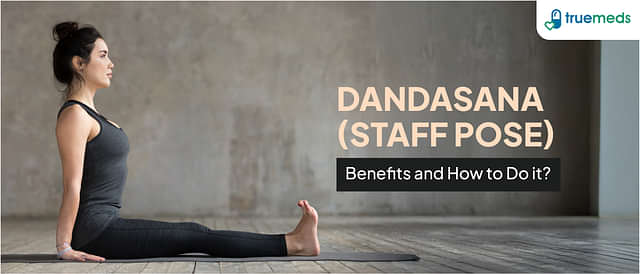
Step 5: Dandasana (Stick Pose)
- Inhale and step your left leg back to join your right leg.
- Align your body in a straight line from head to heels, keeping your arms perpendicular to the floor.
- Engage your core and maintain a steady plank position.
Step 6: Ashtanga Namaskara (Eight-Limbed Pose)
- Exhale and gently lower your knees to the floor.
- Take your hips back slightly, then slide forward, bringing your chest and chin to the floor.
- Keep your elbows close to your body and your posterior abdomen slightly off the floor.
Step 7: Bhujangasana (Cobra Pose)
- Inhale and slide forward, gradually straighten your arms to lift your chest off the floor.
- Keep your shoulders relaxed and away from your ears, engaging your back muscles to hold the pose.
- Keep your legs engaged and the tops of your feet pressed into the mat.
Step 8: Adho Mukha Svanasana (Downward Facing Dog Pose)
- Exhale and lift your hips up and back, forming an inverted ‘V’ shape with your body.
- Press your palms and heels into the mat, lengthening your spine and tailbone.
- Keep your head between your arms, and your shoulders relaxed.
Step 9: Ashwa Sanchalanasana (Equestrian Pose)—Left Side
- Inhale and step your left foot forward between your hands.
- Lower your right knee to the floor and look up, keeping your spine long and chest open.
Step 10: Hastapadasana (Standing Forward Bend)—Second Side
- Exhale and step your right foot forward to meet your left foot.
- Bend forward from the waist, keeping your spine long as you bring your palms to the floor.
Step 11: Hastauttanasana (Raised Arm Pose)—Second Side
- Inhale and lift your arms up and back, stretching your body from heels to fingertips.
- Gently arch your back, keeping your arms close to your ears.
Step 12: Tadasana (Mountain Pose)
- Exhale and lower your arms to your sides, returning to a standing position.
- Keep your feet together, balance your weight evenly, and maintain a tall, steady posture.
12 Proven Benefits of Daily Surya Namaskar
Incorporating the Surya Namaskar into your daily routine can lead to significant improvements in your physical health, mental well-being, and overall quality of life.
1. Physical Benefits
- Surya Namaskar is a full-body workout that engages multiple muscle groups and joints, leading to several physical benefits:
- Improves Flexibility and Strength: The sequence includes a variety of stretches and poses that target the hamstrings, shoulders, arms, back, and other muscle groups, helping to increase flexibility and build strength [1].
- Enhances Blood Circulation and Cardiovascular Health: Regular practice of Surya Namaskar improves blood flow throughout the body, ensuring that oxygen and nutrients reach all organs and tissues effectively [3]. It may also support cardiovascular health by improving cardiorespiratory endurance [2].
- Boosts Metabolism and Aids in Weight Management: As a holistic exercise, Surya Namaskar may support weight management efforts by burning calories and improving digestion when combined with a balanced diet.
- Tones Muscles and Improves Joint Mobility: The sequence includes poses that effectively tone the arm, abdominal, and leg muscles. Moreover, Surya Namaskar enhances the mobility of nearly all joints in the body, as demonstrated by kinematics studies [1].
2. Physiological Benefits
- Surya Namaskar’s impact on the body extends beyond the musculoskeletal system, positively influencing various internal organs and bodily functions:
- Stimulates Internal Organs and Supports Digestion: The alternating stretching and compression of the abdominal area during Surya Namaskar stimulates abdominal organs, promoting better intestinal peristalsis [1]. This leads to enhanced digestion and a reduced likelihood of digestive issues, such as bloating or constipation.
- Enhances Respiratory Function: The specific breathing pattern followed during each movement of Surya Namaskar helps improve lung capacity and the overall efficiency of the respiratory system [2]. Increased oxygen intake supports the body’s functions and promotes respiratory health.
- Detoxifies the Body: By stimulating various systems, including the lymphatic system, Surya Namaskar may help remove toxins from the body. This is primarily achieved through enhanced circulation and respiration.
3. Psychological and Mental Benefits
- The practice of Surya Namaskar extends its benefits to the realm of mental health, promoting a sense of calm, focus, and overall well-being:
- Reduces Stress and Anxiety: The flowing movements and synchronised breathing in Surya Namaskar act as a moving meditation, providing a respite from mental stress and anxiety [1]. Regular practice helps in achieving a meditative state, fostering mental clarity and focus.
- Improves Mental Focus and Concentration: Each pose in the sequence demands attention and focus, keeping the practitioner fully engaged. This mental workout enhances concentration and mental clarity, which can be beneficial in daily tasks, studies, or work.
- Enhances Overall Well-being and Energy: By engaging the body and breath, improving circulation, and stimulating various bodily systems, Surya Namaskar boosts energy levels, contributing to a general sense of well-being.
4. Spiritual and Holistic Benefits
- Surya Namaskar is more than just a physical practice; it is a means to connect with the divine and cultivate inner awareness:
- Syncs with the Solar Cycle and Enhances Receptivity: Practising Surya Namaskar helps synchronise the body’s cycles with the solar cycle, promoting balance and receptivity.
- Cultivates Mindfulness and Self-Awareness: The mindful execution of each pose and the focus on breath during Surya Namaskar encourage practitioners to be present in the moment.
- Promotes a Sense of Gratitude and Reverence: As a salutation to the sun, which is considered a symbol of life and vitality, Surya Namaskar instils a sense of gratitude and reverence for the natural world.
Surya Namaskar Tips for Beginners
- For those new to yoga, starting with Surya Namaskar can be both rewarding and challenging. Here are some tips and pointers to help beginners navigate this powerful sequence of yoga poses:
- It is recommended to practice Surya Namaskar in the morning on an empty stomach to maximise its benefits.
- Begin with some light stretching or simple yoga poses to warm up your muscles. This helps in preventing injuries and makes the practice more comfortable.
- Pace is key: Start slow and focus on the smooth flow and breath-synchronisation before increasing speed or repetitions.
Common Surya Namaskar Mistakes to Avoid
- Do not force your body beyond its limits. If you feel any pain or discomfort, stop immediately.
- Ensure you are breathing correctly with each pose. Inhale during stretches and exhale during folds.
- Modifications for Different Needs
- Avoid bending backwards in Hastauttanasana if you have back pain. Instead, raise the arms, keeping the torso erect.
- Bend your knees in Hastapadasana if you have tight hamstrings, allowing your hands to reach the floor comfortably.
- By keeping these tips in mind, beginners can practice Surya Namaskar safely and effectively, reaping its numerous benefits.
Frequently Asked Questions (FAQs)
How many Surya Namaskars should be done in a day?
Beginners should start with 5-10 rounds of Surya Namaskar daily, gradually increasing as fitness improves. Advanced practitioners can perform 15-25 rounds or more.
What happens if I do 20 Surya Namaskars every day?
Performing 20 Surya Namaskars daily is estimated to burn approximately 260-340 calories, improve muscle tone, increase blood circulation, and enhance mental clarity and endurance. (Calorie burn estimates vary based on body weight, intensity, and speed.)
Can I lose 10 kg with Surya Namaskar?
While Surya Namaskar can aid in calorie expenditure, meaning it can support weight loss efforts, losing 10 kg requires a comprehensive plan that includes a consistent calorie deficit from a balanced diet and other forms of exercise.
Are 12 rounds of Surya Namaskar enough?
Yes, 12 rounds of Surya Namaskar can burn around 416 calories for an average 132-pound person performing at a moderate pace, but this is an estimate and can vary significantly [4]. This level provides significant benefits, but consistency and balance with other health practices are crucial.
Can Surya Namaskar reduce belly fat?
As part of a broader weight loss plan that includes diet and other exercises, Surya Namaskar can help reduce body fat, including belly fat, by increasing metabolism and burning calories.
Is Surya Namaskar better than walking?
Surya Namaskar offers a unique combination of strength, flexibility, and cardiovascular work, while walking is primarily a low-impact cardiovascular activity. Surya Namaskar offers more diverse physiological benefits than walking, including improved circulation, respiratory function, and muscle utilisation, making it a more comprehensive workout [2]. The “better” choice depends on your specific fitness goal.
Who should not do Surya Namaskar?
Individuals with recent surgery, severe lower back pain, a herniated disc, uncontrolled high blood pressure, or who are in the later stages of pregnancy should consult their doctor before practicing Surya Namaskar [1]. It is also advisable to practice under the supervision of a certified yoga instructor.
Can I do Surya Namaskar at night?
While Surya Namaskar is traditionally best done in the morning to align with the solar cycle and for energising effects, it can also be performed in the evening as part of a nightly routine, but often at a slower, gentler pace to avoid disrupting sleep.
What is the best time for Surya Namaskar?
The best time for Surya Namaskar is at sunrise, as it aligns with the solar cycle and helps revitalise the body and mind. However, it can be done at other times based on personal preference and schedule.
Disclaimer
This article is for informational purposes only and is not a substitute for professional medical advice. Please consult a healthcare provider before beginning any new wellness practice, especially if you have an existing medical condition or are on medication.
References
[1] Prasanna Venkatesh, L., & Vandhana, S. (2022). Insights on Surya namaskar from its origin to application towards health. Journal of Ayurveda and Integrative Medicine, 13(2), 100530. https://doi.org/10.1016/j.jaim.2021.10.002
[2] Kathane, V. C., Vithalani, L., & Dalvi, S. A. (2013). A comprehensive study on effect of Surya Namaskar on cardio-respiratory endurance. International Journal of Science and Research (IJSR), 2(5), 444–447. https://www.researchgate.net/publication/331277345_A_Comprehensive_Study_On_Effect_Of_Surya_Namaskar_On_Cardio-respiratory_Endurance
[3] Bhavanani, A., Madanmohan, Udupa, K., & Ravindra, P. (2011). A comparative study of slow and fast Suryanamaskar on physiological function. International Journal of Yoga, 4(2), 71–76. https://doi.org/10.4103/0973-6131.85489
[4] Sachan, A., & Geeta. (2021). Surya Namaskara: Its Techniques and Health Benefits. Indian Journal of Natural Sciences, 12(67), 32393–32396. https://www.researchgate.net/publication/357527880_Surya_Namaskar_Its_Techniques_and_Health_Benefits/links/61e6ee4b5779d35951b932c9/Surya-Namaskar-Its-Techniques-and-Health-Benefits.pdf














Disclaimer
Our healthcare experts have carefully reviewed and compiled the information presented here to ensure accuracy and trustworthiness. It is important to note that this information serves as a general overview of the topic and is for informational purposes only. It is not intended to diagnose, prevent, or cure any health problem. This page does not establish a doctor-patient relationship, nor does it replace the advice or consultation of a registered medical practitioner. We recommend seeking guidance from your registered medical practitioner for any questions or concerns regarding your medical condition.
Popular Articles


Recommended Articles




Recent Articles










Company
About UsHealth ArticleHealth StoriesHealth LibraryDiseases & Health ConditionsAyurvedaAll MedicinesAll BrandsNeed HelpFAQSecuritySubscribe
Registered Office Address
Grievance Officer
Download Truemeds


Contact Us
Our customer representative team is available 7 days a week from 9 am - 9 pm.
v4.9.0

2025 - Truemeds | All rights reserved. Our content is for informational purposes only. See additional information.

Our Payment Partners




