

- Medicines
- Personal Care
- Skin Cream
- Sunscreen
- Face Wash
- Skin and Body Soap
- Acne Care
- Body Lotions
- Moisturising Lotion
- Moisturising Cream
- Mosquito Repellent
- Moisturising Gel
- Body Wash
- Hair Oils
- Hair Shampoo
- Hair Conditioners
- Hair Supplements
- Hair Colour
- Hair Serum
- Hair Mask
- Hair Solutions
- Baby Diapers and Wipes
- Baby Lotion and Moisturising Cream
- Baby Bath Essentials
- Baby Skin Care
- Baby and Infant Food
- Baby Healthcare
- Women Multivitamins
- Ovulation Test Kit and Women Intimate Care
- Sanitary Pads
- Nutritional Drinks
- Condoms
- Lubricants
- Massage Gels
- Personal Body Massagers
- Men Performance Booster
- Sexual Health Supplements
- Massage Oils
- Ayurveda
- Tooth Paste
- Mouth Ulcer Gel
- Mouthwash
- Toothache and Gum Pain
- Tooth Brush
- Gargle Solution
- Orthopaedic Supports
- Adult Diapers
- Footwear
- Mobility and Support Accessories
- Urinary Support and Care
- Health Conditions
- Bone and Joint Care
- Digestive Care
- Eye Care
- Pain Relief
- Smoking Cessation
- Liver Care
- Stomach Care
- Cold and Cough
- Heart Care
- Kidney Care
- Piles, Fissures & Fistula
- Respiratory Care
- Mental Wellness
- Derma Care
- Pre and Probiotics
- Acidity
- Gas
- Constipation
- Loose Motion/Diarrhoea
- Digestive Fibres
- Digestive Enzymes
- Eye Lubricant Drops
- Lens Solution
- Safety Eye Wear
- Eye Cream
- Eye Vitamins and Supplements
- Eye Drops
- Eye Ointment and Gel
- Nicotine Patch
- Nicotine Gum
- Nicotine Lozenges
- Cough Syrups
- Chest Rubs and Balms
- Nasal Spray
- Lozenges
- Inhalant Capsules
- Cold and Cough Tablets
- Vitamins & Supplements
- Diabetes Care
- Healthcare Devices
- Homeopathic Medicine
- Health Guide
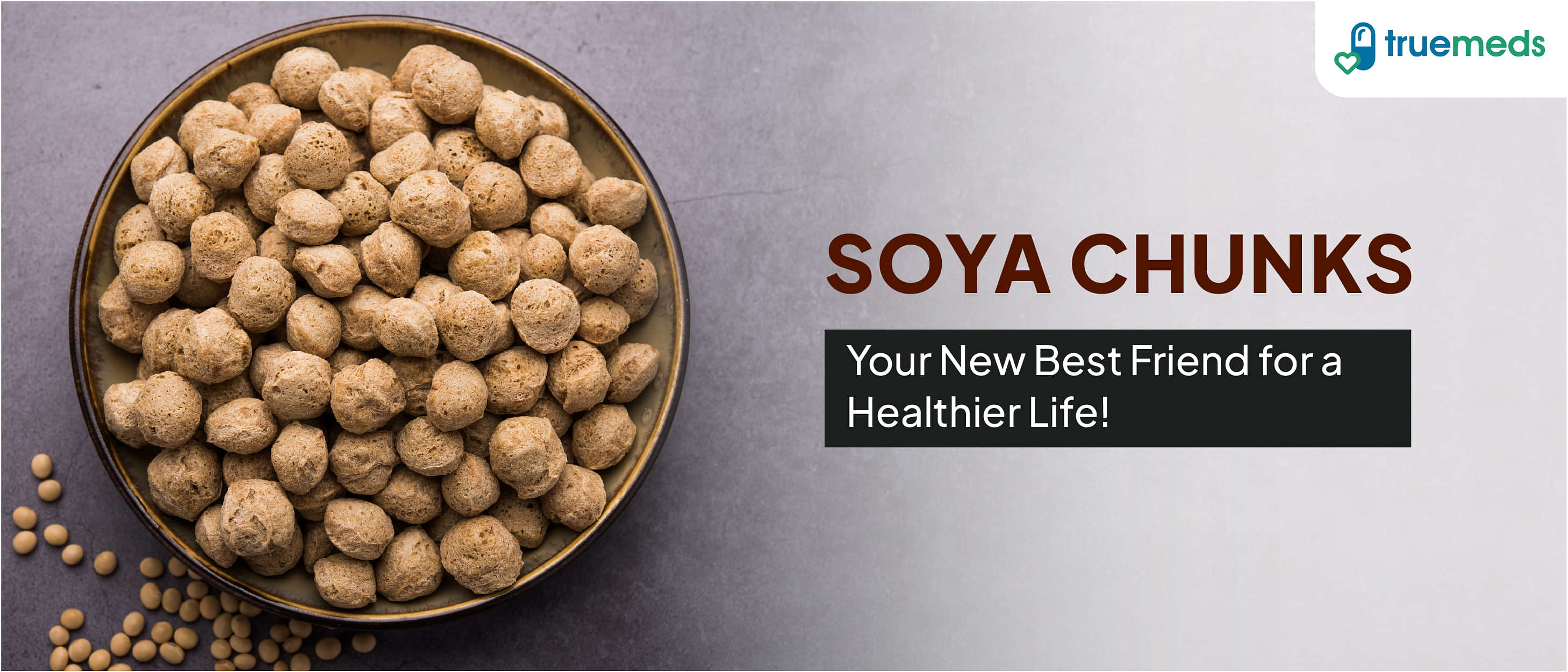
Soya Chunks: Nutrition, Health Benefits, and Easy Recipes
Last updated on : 08 Nov, 2025
Read time : 9 min
Soya chunks are a popular plant-based alternative to meat, offering high-quality, complete protein and versatility in various cuisines. They are particularly valued in vegetarian and vegan diets as a sustainable, nutrient-rich option for meeting protein needs for muscle health and general wellness.
What are Soya Chunks?
Soya chunks, also known as Textured Vegetable Protein (TVP) or soya nuggets, are a high-protein food product made from the defatted soy flour left after extracting soybean oil. They have a chewy texture when rehydrated and are often used as a vegetarian alternative to meat.
Soya chunks are also rich in essential amino acids, fibre, and minerals, making them a nutritious addition to various dishes. They are commonly used in curries, stir-fries, and salads. Since they absorb flavours well, they are a versatile ingredient in vegetarian and non-vegetarian diets.
Nutritional Profile of Soya Chunks
Soya chunks are a highly nutritious plant-based protein source.
Below are the nutritional values of Soya Chunks (per 100 g dry weight):
|
Nutrient |
Amount per 100 g |
| Calories | 345 kcal |
| Carbohydrates | 33 g |
| Fibre | 13 g |
| Protein | 52 g |
| Fat | 0.50 g |
| Iron | 20 mg |
| Calcium | 350 mg |
Note: These values can vary slightly based on the brand and specific processing method.
Key Nutritional Properties of Soya Chunks
Soya chunks possess numerous nutritional properties that make them a beneficial and versatile addition to a balanced diet.
1. Complete Protein Source
Soya chunks are an excellent source of plant-based protein, providing all nine essential amino acids, making it a “complete protein” [1]. With around 52 g of protein per 100 g, they’re an excellent choice for those looking to support muscle maintenance and overall well-being.
2. Lean and Low in Saturated Fat
For those watching their fat intake, soya chunks are a lean option. They contain only about 0.5 grams of total fat and a mere 0.1 grams of saturated fat per 100 grams. This makes them a heart-friendly choice and suitable for a healthy lifestyle.
3. Excellent Source of Dietary Fibre
Soya chunks are high in fibre, with about 13 g per 100 g. Fibre supports healthy digestion, promotes satiety (feeling full), and helps support stable blood sugar levels [2].
4. Rich in Essential Micronutrients
Soya chunks are a source of important minerals like iron, calcium, magnesium, phosphorus, potassium, and zinc. The high iron content is particularly beneficial for managing iron-deficiency anaemia, especially in vegetarian diets.
Impressive Health Benefits of Soya Chunks
Soya chunks are nutrient-packed powerhouses. Rich in protein, fibre, calcium, and isoflavones, they offer numerous health benefits.
1. Support Cardiovascular Health
The combination of low saturated fat, high fibre, and the presence of soy isoflavones helps support cardiovascular health by helping to maintain healthy blood lipid and cholesterol levels [3]. Replacing high-fat meat with soya chunks can contribute to a heart-healthy diet.
2. May Support Bone Strength
Packed with vital minerals like calcium, magnesium, and phosphorus, soya chunks contribute to bone health. Soy isoflavones have also been studied for their potential role in preserving bone density, particularly in postmenopausal women [4].
3. Promote Gastrointestinal Health
Soya chunks are a valuable source of dietary fibre essential for digestive health. Fibre aids in smooth digestion and helps prevent constipation, supporting a healthy gastrointestinal system.
4. Assist in Blood Sugar Management
Soya chunks can be a valuable addition for individuals managing diabetes. They have a low glycemic index, and the high content of protein and fibre can help slow down glucose absorption, which aids in blood sugar regulation [2].
5. Support Weight Management
Soya chunks are a low-calorie, high-satiety food due to their richness in protein and fibre. This promotes a feeling of fullness, which is key to controlling appetite and reducing overall caloric intake, thereby supporting effective weight loss [5].
6. Potential Role in Hormonal Balance (Menopausal Symptoms)
Soya chunks contain phytoestrogens (isoflavones), which are plant compounds that can weakly mimic estrogen activity. Moderate consumption of soy is often researched for its potential to help alleviate mild hot flashes and other menopausal symptoms in some women, although individual responses vary significantly [6].
Are There Potential Side Effects of Eating Soya Chunks?
Soya chunks are generally safe to eat in moderation as part of a balanced diet. However, certain considerations and side effects should be noted:
1. Soy Allergies
Individuals with a diagnosed soy allergy must strictly avoid soya chunks and all soy products, as consumption can trigger allergic reactions. Symptoms can include itching, swelling, or, in severe cases, difficulty breathing, requiring immediate medical attention.
2. Thyroid Function Interaction
Some studies suggest that excessive consumption of soy may interfere with the absorption of thyroid medication in individuals with an underactive thyroid (hypothyroidism) [7]. It is advisable for individuals with thyroid concerns or those taking thyroid medication to consult their endocrinologist before significantly increasing their soya intake.
3. Digestive Discomfort
Due to their high fibre content, overconsumption, or rapid introduction of soya chunks into the diet, may cause temporary digestive discomfort such as bloating or flatulence in some sensitive individuals.
4. Hormonal Concerns: Balanced View
Previous concerns about the effect of soy on male hormones are largely unsubstantiated by current high-quality evidence [8]. In fact, the isoflavones in soy are often linked to health benefits. It is important to understand that the phytoestrogens in soy are much weaker than human estrogen, and consuming typical, moderate amounts of soya chunks is not associated with adverse hormonal effects in healthy individuals.
Precautions for Soya Chunks Consumption
While soy proteins are beneficial in moderation, balance and variety in protein sources are always recommended.
- Consult a doctor: Individuals with pre-existing conditions like thyroid disorders, kidney issues (due to high protein load), or those on regular medication should consult a healthcare provider for personalised dietary advice.
- Moderation is Key: Adhering to the recommended portion sizes and not relying solely on soya chunks for protein ensures a balanced intake of nutrients.
- Preparation: Always boil and thoroughly rinse soya chunks before cooking to improve texture and potentially reduce compounds that can inhibit mineral absorption.
Easy and Healthy Soya Chunks Recipes
First, boil and rehydrate the soya chunks, then press out the excess water before adding them to your dishes. Here are a few delicious Indian recipes:
- Soya Chunk Curry: Prepare a flavorful curry by sautéing soya chunks with onions, tomatoes, and a blend of spices.
- Soya Chunk Biryani/Pulao: Incorporate rehydrated soya chunks into your favourite biryani or pulao recipe for a protein-packed meal.
- Soya Chunk Kebabs/Cutlets: Blend boiled soya chunks with mashed potatoes, spices, and herbs to make delicious vegetarian kebabs or cutlets.
- Soya Chunk Bhurji: Prepare a vegetarian version of bhurji by sautéing crumbled soya chunks with onions, tomatoes, and spices, serving with roti or bread.
- Soya Chunk Chilli: Stir-frying soya chunks with colourful bell peppers, onions, and a spicy sauce makes a tangy soya chilli.
Takeaway
In conclusion, soya chunks are more than just a meat substitute; they are a nutritional powerhouse offering a complete, high-quality, plant-based protein, essential minerals, and dietary fibre. Incorporating them into your diet in moderation can be an excellent way to support heart health, aid in weight management, and boost your overall nutrient intake. This versatile and sustainable ingredient seamlessly integrates into diverse Indian recipes, providing a delicious way to enhance your meals.
Expert Quote:
“Soya chunks are one of the richest sources of plant-based protein for vegetarians and vegans. When consumed in moderation, they support muscle health, hormonal balance, and overall nutrition. If you have a history of soy allergy, kidney issues, or a thyroid disorder, consult your doctor for personalised dietary advice before increasing your consumption of soya chunks.” –
Dr. Sachin Singh
References
[1] Young, V. R. (1991). Soy protein in relation to human protein and amino acid nutrition. Journal of the American Dietetic Association, 91(7), 828–833. https://doi.org/10.1016/S0002-8223(21)01691-1
[2] Anderson, J. W., Baird, P., Davis, R. H., Jr., Ferreri, S., Knudtson, M., Koraym, A., Waters, V., & Williams, C. L. (2009). Health implications of dietary fiber. Nutrition Reviews, 67(4), 188–205. https://doi.org/10.1111/j.1753-4887.2009.00189.x
[3] Sirtori, C. R., Gatti, E., Manzoni, C., Lovati, M. R., Conti, F., Pazzucconi, F., … & Sirtori, M. (1995). Hypocholesterolaemic effects of soya protein intake in men and women with primary hypercholesterolaemia. The Lancet, 346(8976), 667–668. https://doi.org/10.1016/S0140-6736(95)92194-X
[4] Ma, D. F., Qin, L. Q., Wang, P. Y., & Katoh, R. (2008). Soy isoflavone intake inhibits bone resorption and stimulates bone formation in cultured bone cells and ovariectomized rodents: A meta-analysis. European Journal of Clinical Nutrition, 62(12), 1438–1443. https://doi.org/10.1038/sj.ejcn.1602888
[5] Veldhorst, M. A. B., Smeets, A. J. P. G., & Westerterp-Plantenga, M. S. (2008). The different effects of dietary protein sources on satiety and energy expenditure in man. British Journal of Nutrition, 99(4), 839–845. https://doi.org/10.1017/S000711450780281X
[6] Taku, K., Melby, M. K., Kronenberg, I., Kurzer, M. S., & Messina, M. (2012). Extracted or synthesized soybean isoflavones reduce menopausal hot flash frequency and severity: Systematic review and meta-analysis of randomized controlled trials. Menopause, 19(7), 776–790. https://doi.org/10.1097/gme.0b013e31824c9d75
[7] Messina, M., & Redmond, G. (2006). Effects of soy protein and soybean isoflavones on thyroid function in healthy adults and hypothyroid patients: A review of the relevant literature. Thyroid, 16(3), 249–258. https://doi.org/10.1089/thy.2006.16.249
[8] Hamilton-Reeves, J. M., Vazquez, G., Duval, K. J., Phipps, W. R., & Kurzer, M. S. (2010). Clinical studies show no effects of soy protein or isoflavones on reproductive hormones in men: Results of a meta-analysis. Fertility and Sterility, 94(3), 997–1007. https://doi.org/10.1016/j.fertnstert.2009.12.004












Disclaimer
Our healthcare experts have carefully reviewed and compiled the information presented here to ensure accuracy and trustworthiness. It is important to note that this information serves as a general overview of the topic and is for informational purposes only. It is not intended to diagnose, prevent, or cure any health problem. This page does not establish a doctor-patient relationship, nor does it replace the advice or consultation of a registered medical practitioner. We recommend seeking guidance from your registered medical practitioner for any questions or concerns regarding your medical condition.
Popular Articles


Recommended Articles



Recent Articles






Company
About UsHealth ArticleHealth StoriesHealth LibraryDiseases & Health ConditionsAyurvedaUnderstanding Generic MedicinesAll MedicinesAll BrandsNeed HelpFAQSecuritySubscribe
Registered Office Address
Grievance Officer
Download Truemeds


Contact Us
Our customer representative team is available 7 days a week from 9 am - 9 pm.
v4.10.2

2025 - Truemeds | All rights reserved. Our content is for informational purposes only. See additional information.

Our Payment Partners




