

- Medicines
- Personal Care
- Skin Cream
- Sunscreen
- Face Wash
- Skin and Body Soap
- Acne Care
- Body Lotions
- Moisturising Lotion
- Moisturising Cream
- Mosquito Repellent
- Moisturising Gel
- Body Wash
- Hair Oils
- Hair Shampoo
- Hair Conditioners
- Hair Supplements
- Hair Colour
- Hair Serum
- Hair Mask
- Hair Solutions
- Baby Diapers and Wipes
- Baby Lotion and Moisturising Cream
- Baby Bath Essentials
- Baby Skin Care
- Baby and Infant Food
- Baby Healthcare
- Women Multivitamins
- Ovulation Test Kit and Women Intimate Care
- Sanitary Pads
- Nutritional Drinks
- Condoms
- Lubricants
- Massage Gels
- Personal Body Massagers
- Men Performance Booster
- Sexual Health Supplements
- Massage Oils
- Ayurveda
- Tooth Paste
- Mouth Ulcer Gel
- Mouthwash
- Toothache and Gum Pain
- Tooth Brush
- Gargle Solution
- Orthopaedic Supports
- Adult Diapers
- Footwear
- Mobility and Support Accessories
- Urinary Support and Care
- Health Conditions
- Bone and Joint Care
- Digestive Care
- Eye Care
- Pain Relief
- Smoking Cessation
- Liver Care
- Stomach Care
- Cold and Cough
- Heart Care
- Kidney Care
- Piles, Fissures & Fistula
- Respiratory Care
- Mental Wellness
- Derma Care
- Pre and Probiotics
- Acidity
- Gas
- Constipation
- Loose Motion/Diarrhoea
- Digestive Fibres
- Digestive Enzymes
- Eye Lubricant Drops
- Lens Solution
- Safety Eye Wear
- Eye Cream
- Eye Vitamins and Supplements
- Eye Drops
- Eye Ointment and Gel
- Nicotine Patch
- Nicotine Gum
- Nicotine Lozenges
- Cough Syrups
- Chest Rubs and Balms
- Nasal Spray
- Lozenges
- Inhalant Capsules
- Cold and Cough Tablets
- Vitamins & Supplements
- Diabetes Care
- Healthcare Devices
- Homeopathic Medicine
- Health Guide
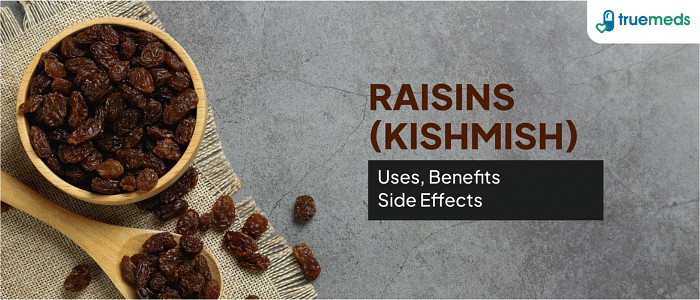
Raisins (Kishmish) Benefits: Nutrition, Uses, Side Effects & How to Eat Them Right
Last updated on : 01 Dec, 2025
Read time : 11 min
Raisins, or Kishmish as they are commonly known in India, are more than just a sweet topping in desserts or cereals. These sun-dried grapes contain nutrients like dietary fibre, iron, potassium, and antioxidants, making them a powerful addition to your daily diet.
From aiding digestion to potentially supporting heart health, the benefits of these dried fruits extend far beyond their small size. In this blog, let’s explore the nutritional value, health benefits, best ways to consume them, and the necessary precautions you should take. We will ensure all claims are supported by scientific evidence to help you make informed dietary choices.
Raisin Nutrition Values
Raisins offer a concentrated source of nutrients due to their dried form [1]. Here’s a look at what 100 g of raisins bring to the table (approximate values):
|
Nutrient |
Amount per 100g |
| Energy | 299 kcal |
| Water | 15.4 g |
| Total Dietary Fibre | 3.7 g |
| Key Vitamins | B-vitamins (e.g., B6, Niacin), Vitamin K |
| Key Minerals | Iron, Calcium, Potassium, Copper, Manganese |
| Antioxidants | Polyphenols, Anthocyanins, Flavonols |
Source: USDA FoodData Central, adapted. [2]
Raisins are rich in sugar constituents like fructose and glucose, which are concentrated during the drying process [1]. These dried grapes also offer an abundance of dietary fibre and bioactive compounds such as vitamins and minerals.
5 Exciting Facts About Raisins You Didn’t Know!
- Raisins are a nutritional powerhouse, packed with vitamins, minerals, and antioxidants, including iron, potassium, and fibre.
- They are one of the oldest dried fruits, with a history dating back over 4,000 years.
- Raisins are versatile, used in sweet and savoury dishes to add natural sweetness and moisture.
- They can also replace refined sugars in recipes, providing a healthier alternative.
- In some cultures, raisins symbolise good luck and prosperity, especially when eaten on New Year’s Day.
Key Properties of Raisins (Kishmish)
Focusing on the main bioactive components, raisins are packed with antioxidants, vitamins, and minerals.
- High antioxidant content: Raisins contain antioxidants like phenolic compounds and flavonoids [1]. These help fight oxidative stress in your body.
- Natural sweetener: With their high sugar content, raisins can serve as a healthier alternative to refined sugars and artificial sweeteners in recipes and snacks.
- Fibre-rich: Raisins are an exceptional source of dietary fibre, which is beneficial for digestive health and regularity [1].
- Mineral-rich: They contain essential minerals such as potassium, calcium, and iron. These support various bodily functions.
- Alkaline nature: Some sources suggest raisins’ alkaline nature can mildly help neutralise stomach acidity. However, their main benefit for digestive comfort is often attributed to the fibre.
Top Health Benefits of Raisins
Supports Digestive Regularity
The high level of insoluble and soluble fibre in raisins promotes smooth bowel movements and improves digestive health, acting as a mild laxative [1].
May Help Regulate Blood Pressure
Studies indicate that the high potassium content and the fibre in raisins may contribute to lowering blood pressure levels in individuals with mild hypertension [3]. Potassium acts as a natural vasodilator, helping relax blood vessels and improve circulation.
Supports Bone Health
Raisins are rich in boron and contain calcium, both of which contribute to bone health by supporting bone density and reducing the risk of osteoporosis when included as part of a balanced, calcium-rich diet [4].
Contributes to Iron Intake (Especially Black Raisins)
Raisins, especially black ones, are a source of iron and copper, which are essential for red blood cell production. Consuming black raisins regularly may help supplement iron intake [5], potentially helping to manage anaemia and its associated symptoms, such as fatigue and weakness.
May Improve Cardiovascular Health
The soluble fibre in raisins binds to cholesterol and helps lower LDL (low-density lipoprotein, or ‘bad’) cholesterol levels [1]. Their antioxidant properties also contribute to cardiovascular health by combatting oxidative stress.
Can Assist in Weight Management
Despite being energy-dense, raisins can help with weight management due to their satiating effect. This is a result of their high fibre content, which promotes a feeling of fullness and may prevent overeating [1].
Antioxidant Effects
Raisins are rich in phenolic compounds and are among the most popular natural antioxidant sources, which help strengthen the immune system and fight oxidative damage [1].
Promotes Oral Health
Raisins contain a compound called oleanolic acid, along with other phytochemicals, which have shown properties that may help prevent tooth decay and promote oral health by inhibiting the growth of cavity-causing bacteria [6]. Unlike many sweet snacks, they don’t stick to teeth as much, but proper hygiene is still essential.
Supports Natural Energy Levels
Raisins are a concentrated source of natural sugars (fructose and glucose) and carbohydrates, making them an excellent, easily digestible fuel source for athletes or those needing a quick energy boost [1].
Best Ways to Eat Raisins for Maximum Health Benefits
To maximise nutrient absorption and minimise potential digestive discomfort, consider the following methods:
Soaked Raisins
One of the best ways to consume raisins is by soaking them overnight. This enhances their digestibility and nutrient absorption, making it a beneficial morning habit. To prepare soaked raisins:
- Take 10-15 raisins and soak them in water overnight.
- In the morning, consume them on an empty stomach for optimal benefits such as improved digestion and reduced acidity.
Raisin Water (Kishmish Ka Paani)
You can also make a nutritious drink using raisins, often referred to as raisin water. It’s important to note that the primary nutrients remain in the raisins, but the water provides some soluble compounds and promotes hydration.
- Soak a handful (about 30g) of raisins in 2 cups of water overnight.
- In the morning, strain the mixture and drink the water on an empty stomach.
As a Balanced Snack
Raisins are a healthy snack option that can be enjoyed throughout the day. You can:
- Consume them as a stand-alone snack or mix them with nuts (e.g., almonds) to create a nutritious trail mix for sustained energy.
- Add them to breakfast cereals, yoghurt, or smoothies for sweetness and fibre content.
Culinary Uses of Raisins
The use of raisins is not just limited to snacking. They can also be used to enhance the taste and nutritional value of various dishes:
- Baking: Add raisins to baked goods like muffins, bread, or cookies for a sweet twist.
- Savoury Dishes: Sprinkle some raisins into salads, rice dishes, or grain-based side dishes for a hint of sweetness.
- Desserts: For added texture, incorporate raisins into traditional Indian sweets like barfi or payasam or sprinkle them over other desserts.
Potential Side Effects and Precautions
While generally safe, it is important to consume raisins in moderation due to their concentrated nature. Overconsumption can lead to potential side effects.
Side Effects of Eating Excessive Raisins
- Digestive issues: Raisins are packed with fibre. While beneficial, overeating them may lead to gastrointestinal discomfort such as gas, bloating, and cramping, especially in individuals unaccustomed to high-fibre intake.
- Increased Calorie and Carbohydrate Intake: Raisins are high in natural sugars and calories. Excessive intake can contribute to weight gain and potentially disrupt blood sugar levels, especially for individuals with pre-existing metabolic conditions.
- Dental problems: Raisins’ sticky nature can contribute to plaque formation. Poor dental hygiene after eating raisins may lead to plaque buildup, cavities, and gum disease. Rinsing your mouth after consumption is advised.
- Allergic reactions: Although rare, some individuals might experience allergies after eating raisins.
Precautions for Consuming Raisins (Kishmish)
- Moderation is key: Due to their high sugar and calorie concentration, it is recommended that you limit your intake to around 30-40 grams per day, which is roughly equivalent to 15-20 average-sized raisins [1].
- Soaking before consumption: Soaking raisins overnight can enhance their digestibility and nutrient absorption.
- Consultation for Health Conditions: Individuals with diabetes or other blood sugar management concerns must consult a healthcare provider first. It’s crucial to understand how raisins fit into your overall carbohydrate allowance before increasing consumption.
Tiny but Mighty: Why Raisins Deserve a Place in Your Daily Diet
Don’t underestimate the power of a handful of raisins. These naturally sweet, nutrient-rich dry fruits offer a range of health perks—from aiding digestion and boosting heart health to supporting your mineral and antioxidant intake.
If you eat raisins in moderation and in the right way, you can reap the full benefits without risking side effects. Raisins are a delicious way to nourish your body, whether snacking, baking, or enhancing your breakfast bowl.
Expert Insight:
“Raisins are one of the simplest dried fruits to add to your daily routine. Their rich antioxidant and concentrated mineral content makes them especially beneficial for supporting digestion, natural energy, and a balanced diet.”
-Dr. Mandeep Chadha
Frequently Asked Questions (FAQs)
What are the specific benefits of soaked raisins over dry ones?
Soaked raisins are often easier to digest and may allow for nutrient absorption more effectively than dry ones. They help reduce acidity in the stomach, provide better hydration, and are gentler on the digestive system. Their softer texture makes them easier to chew, especially for those with dental concerns.
Can people with diabetes eat raisins?
Yes, people with diabetes can eat raisins, but only in strict moderation due to the high concentration of natural sugars (carbohydrates). It is absolutely essential to consult your doctor or a registered dietitian about how much to consume and how to fit them into your carbohydrate counting plan.
How often can one have raisins in a day?
You can have a handful of raisins daily. Due to their high calorie content, avoid overeating. Aim for 15-20 raisins (about 30-40g).
Are there any side effects if one consumes raisins daily?
If consumed in excess, daily consumption can lead to weight gain, increased blood sugar levels, and digestive issues like bloating. Moderation is key.
How many raisins should I eat in a day?
A moderate daily intake for healthy adults is around 15 to 20 raisins (approximately 30-40 grams). If you have diabetes or are on a calorie-restricted diet, it is best to check with your doctor before eating raisins.
Are raisins good for the skin?
Raisins contain antioxidants and essential nutrients like Vitamin C and zinc (in smaller amounts) that support overall skin health by combating free radical damage. However, they are not a direct treatment for skin conditions.
Can we eat almonds and raisins together?
Definitely! Almonds and raisins together make an excellent healthy snack option. They combine healthy fats, protein, fibre, and natural sweetness for a nutritious and satisfying treat that helps balance the sugar load of the raisins.
References
[1] Olmo-Cunillera, A., Escobar-Avello, D., Pérez, A. J., Marhuenda-Muñoz, M., Lamuela-Raventós, R. M., & Vallverdú-Queralt, A. (2020). Is Eating Raisins Healthy? Nutrients, 12(1), 54. https://doi.org/10.3390/nu12010054
[2] U.S. Department of Agriculture (USDA), Agricultural Research Service. (2023). FoodData Central. (Standard Reference Legacy, FDC ID: 171720). Retrieved October 28, 2025, from https://fdc.nal.usda.gov/fdc-app.html#/food-details/171720/nutrients
[3] Spiller, G. A., Masson, M., Spiller, L. F., & Morse, G. (2015). Effect of daily raisin consumption on blood pressure and plasma lipids in healthy non-diabetic individuals. British Journal of Nutrition, 114(5), 708–715. https://doi.org/10.1017/s0007114515001927
[4] Olmo-Cunillera, A., Escobar-Avello, D., Marhuenda-Muñoz, M., Pérez, A. J., Valls-Belles, V., Vallverdú-Queralt, A., & Lamuela-Raventós, R. M. (2018). Bioactive compounds and antioxidant capacity of raisins: A systematic review. Comprehensive Reviews in Food Science and Food Safety, 17(2), 296–308. https://doi.org/10.1111/1541-4337.12328
[5] Abu, A., Abduljawad, E. A., Aljadani, H. M., Ali, N. M., Mohammedsaleh, Z. M., Ibrahim, M., Ali, S. S., Abunasef, S. K., Ahmed, O. T., Amin, H. A., & Jaouni, A. (2021). Black Raisins Improved Experimentally Induced Iron Deficiency Anemia. Journal of Pharmaceutical Research International, 188–201. https://doi.org/10.9734/jpri/2021/v33i34a31839
[6] Olmo-Cunillera, A., Lamuela-Raventós, R. M., & Vallverdú-Queralt, A. (2020). Raisins and Dental Health: A Mini-Review. Nutrients, 12(12), 3843. https://doi.org/10.3390/nu12123843















Disclaimer
Our healthcare experts have carefully reviewed and compiled the information presented here to ensure accuracy and trustworthiness. It is important to note that this information serves as a general overview of the topic and is for informational purposes only. It is not intended to diagnose, prevent, or cure any health problem. This page does not establish a doctor-patient relationship, nor does it replace the advice or consultation of a registered medical practitioner. We recommend seeking guidance from your registered medical practitioner for any questions or concerns regarding your medical condition.
Popular Articles



Recommended Articles




Recent Articles










Company
About UsHealth ArticleHealth StoriesHealth LibraryDiseases & Health ConditionsAyurvedaUnderstanding Generic MedicinesAll MedicinesAll BrandsNeed HelpFAQSecuritySubscribe
Registered Office Address
Grievance Officer
Download Truemeds


Contact Us
Our customer representative team is available 7 days a week from 9 am - 9 pm.
v4.11.0

2026 - Truemeds | All rights reserved. Our content is for informational purposes only. See additional information.

Our Payment Partners