

- Medicines
- Personal Care
- Skin Cream
- Sunscreen
- Face Wash
- Skin and Body Soap
- Acne Care
- Body Lotions
- Moisturising Lotion
- Moisturising Cream
- Mosquito Repellent
- Moisturising Gel
- Body Wash
- Hair Oils
- Hair Shampoo
- Hair Conditioners
- Hair Supplements
- Hair Colour
- Hair Serum
- Hair Mask
- Hair Solutions
- Baby Diapers and Wipes
- Baby Lotion and Moisturising Cream
- Baby Bath Essentials
- Baby Skin Care
- Baby and Infant Food
- Baby Healthcare
- Women Multivitamins
- Ovulation Test Kit and Women Intimate Care
- Sanitary Pads
- Nutritional Drinks
- Condoms
- Lubricants
- Massage Gels
- Personal Body Massagers
- Men Performance Booster
- Sexual Health Supplements
- Massage Oils
- Ayurveda
- Tooth Paste
- Mouth Ulcer Gel
- Mouthwash
- Toothache and Gum Pain
- Tooth Brush
- Gargle Solution
- Orthopaedic Supports
- Adult Diapers
- Footwear
- Mobility and Support Accessories
- Urinary Support and Care
- Health Conditions
- Bone and Joint Care
- Digestive Care
- Eye Care
- Pain Relief
- Smoking Cessation
- Liver Care
- Stomach Care
- Cold and Cough
- Heart Care
- Kidney Care
- Piles, Fissures & Fistula
- Respiratory Care
- Mental Wellness
- Derma Care
- Pre and Probiotics
- Acidity
- Gas
- Constipation
- Loose Motion/Diarrhoea
- Digestive Fibres
- Digestive Enzymes
- Eye Lubricant Drops
- Lens Solution
- Safety Eye Wear
- Eye Cream
- Eye Vitamins and Supplements
- Eye Drops
- Eye Ointment and Gel
- Nicotine Patch
- Nicotine Gum
- Nicotine Lozenges
- Cough Syrups
- Chest Rubs and Balms
- Nasal Spray
- Lozenges
- Inhalant Capsules
- Cold and Cough Tablets
- Vitamins & Supplements
- Diabetes Care
- Healthcare Devices
- Homeopathic Medicine
- Health Guide
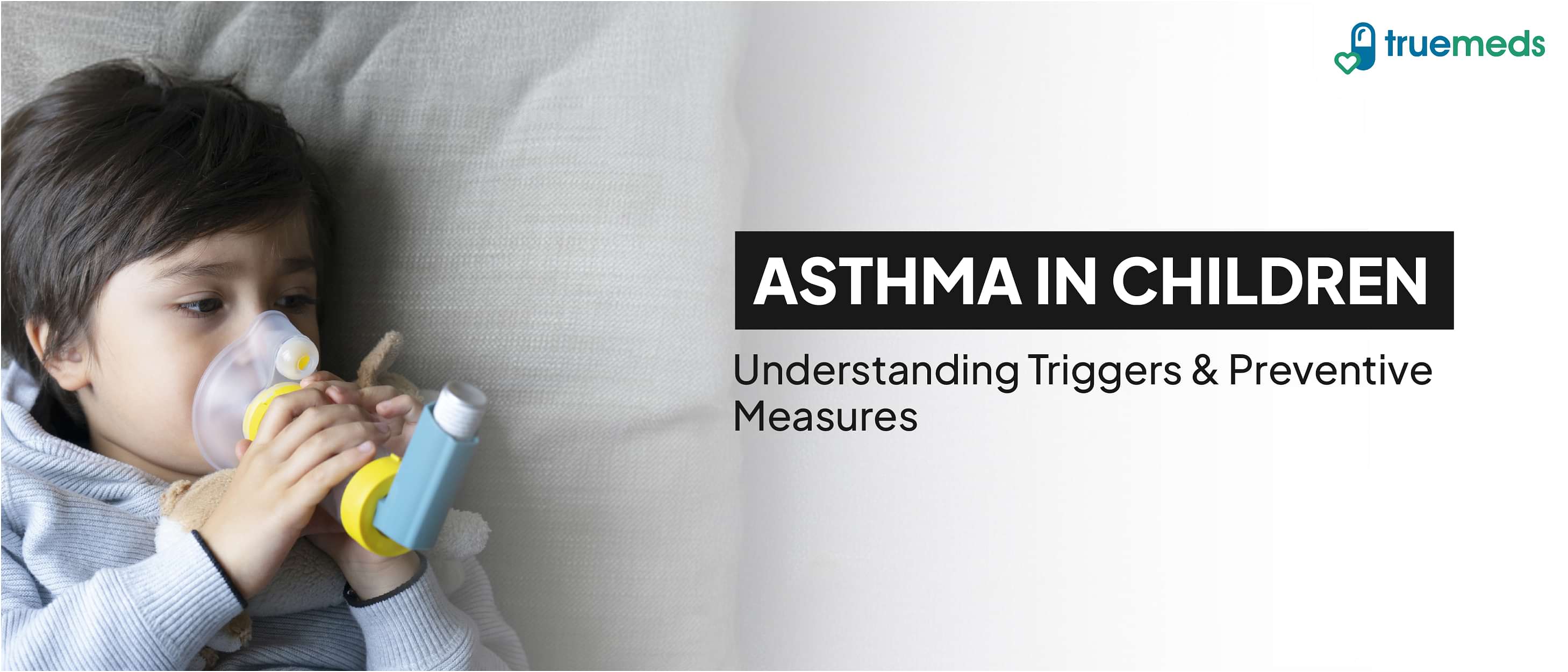
Asthma in Children: Signs, Treatment, and Prevention
Last updated on : 28 Nov, 2025
Read time : 11 min
Asthma is a common chronic respiratory condition that affects millions of children worldwide, impacting their airways and lungs. This condition causes inflammation and narrowing of the bronchial tubes, which may lead to distressing symptoms that interfere with a child’s daily activities, sleep, and overall quality of life [1].
Globally, asthma is one of the most common chronic diseases in children. In Asia, the estimated prevalence rate can be up to 10-15% in certain regions [4]. By understanding the signs, treatment options, and preventive measures for childhood asthma, parents and caregivers can help children manage their condition effectively and lead healthy, active lives. Let’s dive deeper into what childhood asthma entails.
Understanding Childhood Asthma
Childhood asthma is a chronic lung disease characterised by inflammation and narrowing of the airways. This leads to intermittent episodes of breathing difficulties and a range of respiratory symptoms. Asthma often develops early in life and can be influenced by a combination of genetic and environmental factors. Understanding the nature of childhood asthma is the first step in recognising and managing the condition effectively.
Identifying the Symptoms of Pediatric Asthma
Asthma symptoms can vary from child to child and may resemble common colds, but they often present as recurrent episodes [2]. Parents and caregivers should look out for these common signs:
- Wheezing or a whistling sound when breathing out.
- Persistent coughing, often worse at night or during exercise.
- Shortness of breath or rapid breathing.
- Chest tightness or congestion, which young children may describe as a “tummy ache.”
- Fatigue due to disrupted sleep (nighttime coughing may go unnoticed by the child but disturb sleep).
In the event of a severe attack (an asthma exacerbation), additional signs may include:
- Flaring nostrils or the skin sucking in around the ribs (intercostal/subcostal retractions) during breathing.
- Blue discolouration of lips or fingernails (cyanosis) during severe attacks—this is a medical emergency requiring immediate attention.
- Increased irritability and tiredness.
These symptoms can be triggered by various factors, such as viral infections, allergies, exercise, and environmental irritants. Recognising these signs and triggers is crucial for prompt diagnosis and effective management of childhood asthma.
Causes, Triggers, and Risk Factors
Asthma is thought to result from a complex interaction between genetics and the environment [3]. Understanding the difference between triggers and underlying risk factors is vital.
Common Triggers of Asthma Symptoms
Triggers are the stimuli that lead to acute asthma symptoms in a child:
- Respiratory Infections: Viral infections (like the common cold or flu) are the most common trigger in young children.
- Allergies: Substances such as pollen, dust mites, mould, and pet dander (from cats or dogs).
- Irritants: Exposure to pollutants, strong odours, or smoke (especially secondhand cigarette smoke).
- Exercise: Physical activity can sometimes lead to exercise-induced bronchoconstriction (EIB).
- Weather Conditions: Cold, dry air or significant temperature changes.
Identifying specific triggers for each individual child is a crucial component of their asthma action plan.
Note: Completely removing pets, carpets, or soft furnishings is not always necessary. Decisions about these changes should be personalised with your child’s doctor or allergist based on their specific triggers and home environment.
Risk Factors for Developing Childhood Asthma
Certain factors increase a child’s likelihood of developing the chronic condition:
- Genetic Factors: A strong family history of asthma, eczema, or allergic rhinitis (atopy) significantly increases risk [1].
- Environmental Factors: Exposure to pollutants such as cigarette smoke, poor air quality, and certain early-life exposures can elevate the risk of childhood asthma [3].
- Sex: Boys are more likely to develop asthma than girls in early childhood.
- Obesity: Studies indicate a link between obesity and increased asthma risk [3].
Potential Complications of Uncontrolled Asthma in Kids
If not managed properly, asthma in children can lead to severe health complications and impact daily life.
- Respiratory Distress: Severe, sustained asthma attacks can cause respiratory distress, which is life-threatening and may require emergency medical intervention, including hospitalisation [2].
- Reduced Quality of Life: Uncontrolled asthma can result in missed school days, interruption of sports or play, and a reduced overall quality of life for the child due to fatigue and chronic symptoms.
- Permanent Airway Changes: In the long term, chronic, uncontrolled inflammation can potentially lead to airway remodelling, which may cause more persistent and severe symptoms [2].
Diagnosing Pediatric Asthma
Diagnosing asthma in children requires a thorough evaluation by a healthcare professional. The diagnosis process typically involves:
- Questions about medical history and symptoms: The doctor will inquire about the child’s personal and family history of asthma and allergies, as well as the specific pattern of symptoms (recurrent wheezing, nocturnal coughing) the child is experiencing [1].
- Physical exam: The physician will listen to the child’s lungs for signs of wheezing or other abnormal sounds.
- Lung Function Tests: Depending on the child’s age, various tests may be performed to assess lung function and airway inflammation.
- For children generally over 5 to 6 years old, Spirometry is the gold standard for confirming the diagnosis, as it measures how much and how fast air can be moved out of the lungs [1].
- Peak Expiratory Flow (PEF) tests are also commonly used for daily monitoring.
- Additionally, fractional exhaled nitric oxide (FeNO) tests can help measure the level of eosinophilic (allergic) inflammation in the airways [2].
Once the diagnosis is confirmed, the doctor will work with the family to develop an effective, individualised treatment plan.
Effective Management Strategies for Childhood Asthma
Managing childhood asthma involves a multi-faceted approach that includes both quick-relief and long-term control medications, as well as proper use of delivery devices. The goal is to maintain control over symptoms and prevent exacerbations [2].
The Cornerstones of Treatment
- Long-term Control Medications: Inhaled corticosteroids (ICS) are the most commonly prescribed and most effective long-term control medications for children with persistent asthma. These medications are taken daily to reduce underlying airway inflammation and prevent asthma symptoms from occurring [1].
- Quick-relief Medications: These medications, such as short-acting beta-agonists (SABAs) like albuterol, are used to provide immediate relief from acute asthma symptoms. They work by rapidly relaxing the muscles around the airways, making it easier for the child to breathe. They are rescue medications and should not be needed more than twice a week if asthma is well-controlled [2].
- Proper Inhaler/Nebulizer Technique: Proper technique is essential for ensuring that the medication reaches the lungs effectively. Doctors and pharmacists should teach children and their caregivers how to use inhalers (often with a spacer) and nebulisers correctly, and regular training may be necessary.
Asthma Action Plan
A written Asthma Action Plan, developed with the child’s physician, is essential. This plan details the child’s daily maintenance treatment, how to adjust medication based on symptoms (yellow/red zones), and when to seek emergency care [2].
Strategies to Avoid Asthma Triggers
Reducing your child’s exposure to their identified asthma triggers is key to managing their condition effectively. Consider the following evidence-based tips:
- Minimize Respiratory Infections: Practice good hygiene habits, such as frequent handwashing, and ensure your child receives the annual flu and COVID-19 vaccinations to minimise the risk of viral respiratory infections.
- Control Indoor Allergens: Use allergen-proof bedding covers and wash bedding in hot water (at least 130°F or 54°C) weekly to reduce exposure to dust mites.
- Reduce Pet Dander Exposure: If a pet is an identified trigger, keep it out of your child’s bedroom and off upholstered furniture. Regular bathing of the pet can also help.
- Eliminate Smoke Exposure: Strictly avoid exposing your child to irritants like cigarette smoke (first, second, or third-hand smoke) and strong chemical odours. No one should smoke inside the home or car [1].
- Monitor Air Quality: On days with high outdoor air pollution (smog, smoke), limit your child’s time outside.
By implementing these evidence-based strategies, you can help your child avoid common asthma triggers and better manage their symptoms.
Children’s Asthma Outlook: Thriving with Proper Care
While asthma is a chronic condition, children with asthma can lead active, fulfilling lives with proper management and care.
- Symptom Improvement: Approximately 50% of children with asthma may experience improved or resolved symptoms as they grow older, but regular follow-up with a pulmonologist or allergist is still crucial [3].
- Active Lifestyle: Encourage your child to engage in regular exercise. Using a quick-relief inhaler 10-15 minutes before physical activity can often prevent exercise-induced symptoms.
- Comprehensive Care: Early identification and treatment of triggers can help minimise symptoms and prevent severe asthma attacks.
With comprehensive care, strict adherence to the Asthma Action Plan, and avoidance of triggers, children with asthma can enjoy a normal quality of life and participate fully in the activities they love.
Conclusion
Managing asthma in children requires a proactive, collaborative approach involving parents, caregivers, and healthcare providers. By identifying and avoiding triggers, adhering to prescribed medical treatments (especially daily long-term controllers), and maintaining open communication with doctors, parents can significantly reduce their child’s asthma symptoms and improve their overall quality of life. Regular consultation with doctors is essential for developing personalised care plans that address your child’s specific needs and help them manage their asthma effectively [2].
Frequently Asked Questions (FAQs)
What are the signs of asthma in a child?
Common signs of childhood asthma include wheezing (a whistling sound), persistent coughing (especially at night), shortness of breath, and chest tightness [1].
What helps asthma in children?
Effective management involves using long-term control medications (like inhaled corticosteroids), having a written Asthma Action Plan, avoiding identified asthma triggers, and making necessary lifestyle changes [2].
Is childhood asthma curable?
While there is no cure for childhood asthma, it can be extremely well-managed with proper treatment, allowing most children to lead normal, active lives. Symptoms may improve or remit in adolescence, but the condition can also persist into adulthood [3].
What are the three main symptoms of asthma?
The three primary symptoms of asthma are recurrent wheezing, coughing (particularly at night or early morning), and shortness of breath [1].
At what age does childhood asthma usually stop?
Childhood asthma can persist into adulthood, although symptoms may change over time. About half of children diagnosed with asthma may see their symptoms disappear by late adolescence, but regular monitoring is still recommended [3].
Disclaimer
This article is for informational purposes only and is not a substitute for professional medical advice, diagnosis, or treatment. Please consult a qualified healthcare provider before beginning any new wellness practice, especially if you have an existing medical condition or are on medication.
References
[1] Lizzo, J. M., Cortes, S., & Goldin, J. (2024). Pediatric asthma. StatPearls Publishing. Retrieved from https://www.ncbi.nlm.nih.gov/books/NBK551631/
[2] Martin, J., Townshend, J., & Brodlie, M. (2022). Diagnosis and Management of Asthma in Children. BMJ Paediatrics Open, 6(1), 1–12. https://doi.org/10.1136/bmjpo-2021-001277
[3] Diaconu, I. D., Gheorman, V., Grigorie, G. A., Gheonea, C., Tenea-Cojan, T. S., Mahler, B., Voropanov, I. A., Firoiu, M. C., Pîrvu, A. S., Popescu, A. B., & Văruț, R. (2024). A Comprehensive Look at the Development of Asthma in Children. Children, 11(5), 581–581. https://doi.org/10.3390/children110500581
[4] Goodarzi, E., Rashidi, K., Zare, Z., Momenabadi, V., & Khazaei, Z. (2022). The Burden of Asthma in Children Aged 0-14 Years in Asia: A Systematic Analysis for the Global Burden of Disease Study 2019. The Journal of Pediatric Research, 9(2), 105–115. https://doi.org/10.4274/jpr.galenos.2021.29577












Disclaimer
Our healthcare experts have carefully reviewed and compiled the information presented here to ensure accuracy and trustworthiness. It is important to note that this information serves as a general overview of the topic and is for informational purposes only. It is not intended to diagnose, prevent, or cure any health problem. This page does not establish a doctor-patient relationship, nor does it replace the advice or consultation of a registered medical practitioner. We recommend seeking guidance from your registered medical practitioner for any questions or concerns regarding your medical condition.
Popular Articles



Recommended Articles




Recent Articles










Company
About UsHealth ArticleHealth StoriesHealth LibraryDiseases & Health ConditionsAyurvedaUnderstanding Generic MedicinesAll MedicinesAll BrandsNeed HelpFAQSecuritySubscribe
Registered Office Address
Grievance Officer
Download Truemeds


Contact Us
Our customer representative team is available 7 days a week from 9 am - 9 pm.
v4.11.1

2026 - Truemeds | All rights reserved. Our content is for informational purposes only. See additional information.

Our Payment Partners