

- Medicines
- Personal Care
- Skin Cream
- Sunscreen
- Face Wash
- Skin and Body Soap
- Acne Care
- Body Lotions
- Moisturising Lotion
- Moisturising Cream
- Mosquito Repellent
- Moisturising Gel
- Body Wash
- Hair Oils
- Hair Shampoo
- Hair Conditioners
- Hair Supplements
- Hair Colour
- Hair Serum
- Hair Mask
- Hair Solutions
- Baby Diapers and Wipes
- Baby Lotion and Moisturising Cream
- Baby Bath Essentials
- Baby Skin Care
- Baby and Infant Food
- Baby Healthcare
- Women Multivitamins
- Ovulation Test Kit and Women Intimate Care
- Sanitary Pads
- Nutritional Drinks
- Condoms
- Lubricants
- Massage Gels
- Personal Body Massagers
- Men Performance Booster
- Sexual Health Supplements
- Massage Oils
- Ayurveda
- Tooth Paste
- Mouth Ulcer Gel
- Mouthwash
- Toothache and Gum Pain
- Tooth Brush
- Gargle Solution
- Orthopaedic Supports
- Adult Diapers
- Footwear
- Mobility and Support Accessories
- Urinary Support and Care
- Health Conditions
- Bone and Joint Care
- Digestive Care
- Eye Care
- Pain Relief
- Smoking Cessation
- Liver Care
- Stomach Care
- Cold and Cough
- Heart Care
- Kidney Care
- Piles, Fissures & Fistula
- Respiratory Care
- Mental Wellness
- Derma Care
- Pre and Probiotics
- Acidity
- Gas
- Constipation
- Loose Motion/Diarrhoea
- Digestive Fibres
- Digestive Enzymes
- Eye Lubricant Drops
- Lens Solution
- Safety Eye Wear
- Eye Cream
- Eye Vitamins and Supplements
- Eye Drops
- Eye Ointment and Gel
- Nicotine Patch
- Nicotine Gum
- Nicotine Lozenges
- Cough Syrups
- Chest Rubs and Balms
- Nasal Spray
- Lozenges
- Inhalant Capsules
- Cold and Cough Tablets
- Vitamins & Supplements
- Diabetes Care
- Healthcare Devices
- Homeopathic Medicine
- Health Guide
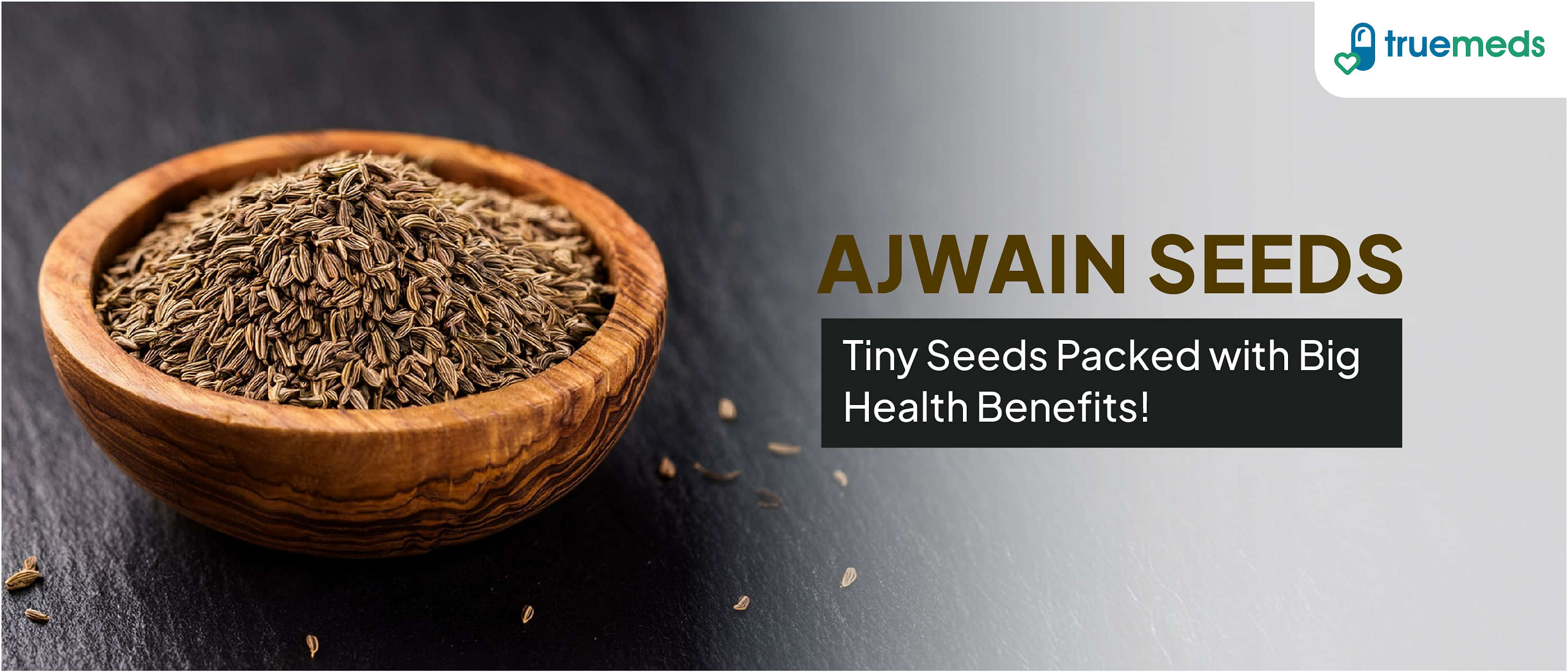
Ajwain (Carom Seeds): Health Benefits, Nutritional Value, Uses, and Side Effects
Last updated on : 01 Dec, 2025
Read time : 11 min
Ajwain seeds (Trachyspermum ammi) are most frequently used in Indian cuisines. This common spice, readily available in most households, has been traditionally used to support general wellness. Ajwain is a small, elongated seed that resembles cumin or fennel seeds in appearance. Carom seeds have a robust, pungent flavor, primarily due to the presence of an essential oil called thymol [2]. The plant is mainly cultivated in regions including Iraq, the Middle East, and Afghanistan, with India being a major producer [2].
Ajwain, also known as Carom seeds, has a strong, pungent, bitter odour and is known in Sanskrit as Ugragandha. Traditionally, Ajwain seeds are consumed raw, sautéed, or added to ghee due to their potential digestive benefits. Carom seeds have been used in Ayurvedic and Unani medicines since ancient times to support healthy digestion, potentially relieve minor constipation and flatulence (gas), and are often included in traditional remedies for minor ailments [6]. The seeds contain a variety of nutrients, including dietary fibre, essential fatty acids, and protein, as well as essential oils like thymol, cymene, pinene, terpinene, and limonene [2], [4].
Nutritional Value of Ajwain
Below is the verified nutritional information for a 100-gram serving of Ajwain seeds [3]:
|
Nutrients |
Concentration |
| Energy | 305 Kcal |
| Carbohydrate | 42.9 g |
| Protein | 15.9 g |
| Fat | 21.8 g |
| Dietary Fibre | 39.3 g |
| Calcium | 1,190 mg |
| Iron | 7.5 mg |
| Potassium | 1,623 mg |
| Sodium | 10 mg |
Key Properties and Uses of Carom Seeds
Ajwain possesses numerous beneficial properties, largely attributed to its thymol content, which has antiseptic and antifungal qualities [5]. It is renowned for its traditional digestive support. Drinking water infused with Ajwain may offer relief from minor indigestion, bloating, and gas [2]. Among the various uses of Ajwain, it is frequently used in cooking for its aromatic flavour and in traditional medicine for its potential antibacterial and antifungal properties [2].
Top Health Benefits of Ajwain (Carom Seeds)
Ajwain (Carom Seeds) offers various health benefits, which are currently being explored through scientific research. Its richness in fibre, minerals, and antioxidants may contribute to general wellness [4].
Here are the traditional and scientifically studied benefits of Ajwain:
1. May Help Improve Digestion
Ajwain is a well-regarded digestive aid that has been traditionally used for centuries. It contains thymol, which is believed to stimulate the secretion of gastric juices, potentially enhancing the digestive process. Traditionally, Ajwain-infused water after meals is consumed to help ease minor digestive uneasiness [2].
2. May Help Relieve Gas and Bloating
The carminative property of Ajwain makes it a traditional remedy for relief from gas and bloating [2]. It is thought to help relax the muscles of the stomach, allowing gas to escape and potentially reducing abdominal discomfort. For relief, some people chew a pinch of Ajwain seeds or prepare a soothing tea with Ajwain and fennel [6].
3. Supports General Immunity
Ajwain is rich in antioxidants, such as phenols [4]. While no single spice can replace a balanced diet for immune support, its antioxidant properties help fight oxidative stress in the body, which is a general contributor to health [4]. Its antimicrobial action may also help in a small way against some bacteria and fungi, promoting gut health, which is connected to immunity [2].
4. May Ease Respiratory Issues
Ajwain is a traditional remedy believed to act as a natural bronchodilator [5]. Its anti-inflammatory properties may help to reduce swelling in the airways, potentially easing symptoms of minor congestion [5]. Inhaling steam infused with Ajwain seeds is a traditional practice to help clear nasal passages and ease chest congestion [6].
5. May Help Manage Menstrual Pain
Ajwain may act as a natural supportive agent for menstrual cramps and discomfort [1]. A study comparing Ajwain to Mefenamic Acid for primary dysmenorrhea suggested that Ajwain may help relax uterine muscles, potentially improving blood circulation and offering relief [1]. However, it should not replace prescribed medication unless advised by a healthcare provider [1].
6. Included in Traditional Weight Management Plans
Ajwain is often included in traditional weight management plans. Its digestive support function may ensure adequate food digestion and waste evacuation, which is beneficial for metabolism [6]. Drinking Ajwain-infused water is a common practice that may support a healthy metabolism [6]. It’s important to note that weight loss primarily depends on overall diet, exercise, and calorie management.
7. Helps Ease Minor Inflammation
Ajwain, due to its anti-inflammatory components, is traditionally applied topically to soothe minor swelling and pain [2]. Its active compounds are believed to help ease inflammation and improve circulation to the affected area. For chronic inflammatory conditions like arthritis, Ajwain should only be used as a supplement under medical guidance [2].
8. Traditional Support for Kidney Wellness
Ajwain seeds have been traditionally used as a diuretic to support urine flow [2]. While some animal studies suggest a potential benefit on kidney stone formation, and a small human study suggested benefit for calcium oxalate-type kidney stones, scientific evidence is limited [2]. It is not a substitute for standard medical treatment for kidney stones. Consult a nephrologist for proper management.
9. May Support Skin Health
As an antimicrobial and antifungal agent, Ajwain’s essential oils may help with certain skin issues [5]. A topical paste made from its powder is traditionally used to counteract minor acne, blemishes, or skin irritations [6]. Its general body detoxifying properties may indirectly contribute to overall skin appearance [6].
10. Included in Traditional Hair Care
Ajwain’s antimicrobial properties may help keep the scalp free of infections that contribute to dandruff and itchiness [6]. Its nutrient content may indirectly nourish hair follicles [6]. Applying Ajwain-infused oil to the scalp is a traditional practice believed to promote better blood circulation.
Note: These uses are traditional and supportive; they are not intended to replace professional medical treatment. Consult a healthcare professional before use.
Safety and Side Effects of Ajwain (Carom Seeds)
Are Carom Seeds Safe?
- Carom seeds, or Ajwain, are generally safe for consumption when used in culinary amounts. They are a common component of the Indian diet. However, like any concentrated spice or herb, excessive consumption may lead to side effects such as increased stomach acid, heartburn, or acidity [6].
- Pregnant women and individuals with pre-existing liver conditions or peptic ulcers should consult a healthcare provider before consuming Ajwain in medicinal quantities [6].
Side Effects of Ajwain
- While Ajwain seeds are generally safe when consumed in moderation, overconsumption or consumption by sensitive individuals may lead to:
- Worsening of existing peptic ulcers or hyperacidity [6]
- Nausea and vomiting in some individuals [6]
- Potential worsening of symptoms in severe gastrointestinal conditions like diverticulitis or active ulcerative colitis due to its strong nature. Consult your gastroenterologist [6].
Precautions to Take with Ajwain
- When using Ajwain for therapeutic purposes, it is essential to take certain precautions:
- Consume Ajwain in moderation (typically 1-2 teaspoons of seeds or their equivalent per day) to avoid digestive issues [6].
- Pregnant women must consult a healthcare provider before use, as high doses of Ajwain extracts are traditionally believed to potentially induce uterine contractions [6].
- Individuals with liver disease, hyperacidity, stomach ulcers, or those taking blood-thinning or antacid medications should seek medical advice before consuming Ajwain [6].
- Store Ajwain in a cool, dry place to maintain its potency.
- Gradually incorporate Ajwain into your diet to minimize the risk of adverse reactions.
Frequently Asked Questions (FAQs)
What happens if we eat ajwain daily?
Eating Ajwain daily in small, moderate amounts can improve digestion and reduce minor bloating. It helps keep your stomach healthy and may relieve gas and minor acidity. However, excessive daily consumption may cause stomach irritation or heartburn, so moderation is essential [6].
What disease is ajwain used for?
Ajwain is commonly used in traditional medicine to support digestive issues like indigestion, gas, and bloating. It is also a traditional remedy for minor colds and coughs due to its antimicrobial and bronchodilator properties [5], [6].
Is ajwain good for the liver and kidneys?
Ajwain may support normal detoxification processes in the body, which benefit the liver and kidneys. Traditional practices suggest that drinking Ajwain water may promote better liver function and support kidney health by assisting in the removal of toxins [6]. However, anyone with a pre-existing liver or kidney condition should rely on a physician’s advice and treatment plan.
What are the disadvantages of ajwain?
While Ajwain has many benefits, excessive consumption can lead to stomach irritation, heartburn, and increased acidity. Ajwain side effects may include increased discomfort if taken in large amounts over a long period [6].
What are the Ayurvedic benefits of ajwain?
In Ayurveda, Ajwain is used to enhance digestion, treat respiratory issues, and relieve pain. Ajwain benefits also include balancing the Vata and Kapha doshas, making it traditionally useful in treating conditions like arthritis and colds. It is considered a warming spice [6].
How much ajwain to take in a day?
A safe daily consumption amount for general wellness is typically 1 to 2 teaspoons of the seeds (or its equivalent in water/tea). Excess intake may lead to side effects, so moderation is key [6].
Is ajwain cold or hot for the body?
Ajwain is considered a warming (hot) spice in traditional medicine systems. It is often used to relieve cold-related and digestive issues [6].
Is ajwain good for joint pain?
Yes, Ajwain has anti-inflammatory properties that may help alleviate minor joint pain [2]. Applying Ajwain oil or using it in a poultice is a traditional remedy for localised discomfort.
What is the best way to consume ajwain?
The best way to consume Ajwain for general wellness is by brewing it into a tea or soaking the seeds in warm water (Ajwain water). You can also sprinkle roasted Ajwain on dishes for added flavour and digestive benefits [6].
What is ajwain used to treat?
Ajwain is a natural remedy used to support relief from digestive issues such as bloating and gas. It is also traditionally used to help with respiratory problems, minor inflammation, and menstrual cramps [1], [5], [6].
DISCLAIMER
This content is for informational purposes only and is not intended to be a substitute for professional medical advice, diagnosis, or treatment. Always seek the advice of your Primary Care Physician (MD/DO) or other qualified healthcare provider with any questions you may have regarding a medical condition or before starting any new diet, supplement, or herbal remedy.
References
[1] Zali, F., Dadmehr, M., Bahrami, M., Ghobadi, A., Kashanian, M., & Akhtari, E. (2023). A Comparison of the Effect of Ajwain (Trachyspermum ammi (L.) Sprague) and Mefenamic Acid for Alleviating the Symptoms of Primary Dysmenorrhea: An Open-Label Randomised Controlled Trial. Traditional and Integrative Medicine, 8(2), 163-172. https://doi.org/10.18502/tim.v8i2.13078
[2] Hanif, M. A., Hassan, S. M., Mughal, S. S., Rehman, A., Hassan, S. K., Ibrahim, A., & Hassan, H. (2021). An overview of Ajwain (Trachyspermum ammi) pharmacological effects: current and conventional. Pharmaceutical Science and Technology, 5(1), 1–6. https://doi.org/10.11648/j.pst.20210501.11
[3] U.S. Department of Agriculture, Agricultural Research Service. (n.d.). FoodData Central: Nutrient data for food ID 806341 [Spices, caraway seed].from https://fdc.nal.usda.gov/fdc-app.html#/food-details/806341/nutrients
[4] Ishtiaque, S., Khan, N., Siddiqui, M., Siddiqi, R., & Naz, S. (2013). Antioxidant Potential of the Extracts, Fractions and Oils Derived from Oilseeds. Antioxidants, 2(4), 246–256. https://doi.org/10.3390/antiox2040246
[5] Boskabady, M. H., Alitaneh, S., & Alavinezhad, A. (2014). Carum copticum L.: A Herbal Medicine with Various Pharmacological Effects. BioMed Research International, 2014, Article ID 569087. https://doi.org/10.1155/2014/569087
[6] Zarshenas, M. M., Moein, M., Mohammadi-Samani, S., & Petramfar, P. (2013). An Overview on Ajwain (Trachyspermum ammi) Pharmacological Effects; Modern and Traditional. Journal of Natural Remedies, 14(1), 98–105. https://doi.org/10.18311/jnr/2014/96















Disclaimer
Our healthcare experts have carefully reviewed and compiled the information presented here to ensure accuracy and trustworthiness. It is important to note that this information serves as a general overview of the topic and is for informational purposes only. It is not intended to diagnose, prevent, or cure any health problem. This page does not establish a doctor-patient relationship, nor does it replace the advice or consultation of a registered medical practitioner. We recommend seeking guidance from your registered medical practitioner for any questions or concerns regarding your medical condition.
Popular Articles


Recommended Articles




Recent Articles










Company
About UsHealth ArticleHealth StoriesHealth LibraryDiseases & Health ConditionsAyurvedaAll MedicinesAll BrandsNeed HelpFAQSecuritySubscribe
Registered Office Address
Grievance Officer
Download Truemeds


Contact Us
Our customer representative team is available 7 days a week from 9 am - 9 pm.
v4.9.0

2025 - Truemeds | All rights reserved. Our content is for informational purposes only. See additional information.

Our Payment Partners