

Key Takeaways
- Protein target: Aim for around 1.6–2.2 g of protein per kg of body weight daily to support muscle growth, roughly 112–154 g for a 70 kg person.
- Calorie surplus: A modest surplus of around 250–500 kcal/day may support muscle gain while limiting excess fat gain.
- Indian muscle-building foods: Prioritise paneer (~18–25 g protein/100 g), soya chunks (~52 g/100 g), eggs, dal, rajma, curd, and chicken/fish, all commonly available in Indian kitchens.
- Meal structure: Include protein-rich foods across your meals to help meet your daily protein needs and support muscle growth.
- Training + recovery: Diet alone is not enough. Pair this plan with resistance training and adequate recovery for better muscle-building results.
- Consult a professional: Protein requirements and macronutrient ratios should be personalised by a qualified nutritionist or healthcare provider based on your individual needs.
A well-crafted diet is the cornerstone of any successful muscle-building programme. Without proper nutrition, even the most intense workouts may fail to yield the desired results. Consuming the right foods in the appropriate quantities is essential for fuelling your training sessions, repairing muscle tissue, and supporting muscle growth. To optimise your gains, it's crucial to understand the role of various nutrients in the muscle-building process[2].
What are muscle-building foods?
Muscle-building foods are nutrient-dense options that provide the necessary building blocks for muscle growth and repair. These foods are rich in high-quality proteins, such as lean meats, fish, eggs, and legumes, which supply the amino acids needed to synthesise new muscle tissue[1]. Complex carbohydrates, including oats, quinoa, and sweet potatoes, serve as a primary energy source to fuel intense workouts and support muscle glycogen replenishment[2]. Healthy fats, like those found in avocados, nuts, and olive oil, play a crucial role in hormone production and overall health[3].
Top muscle-building foods
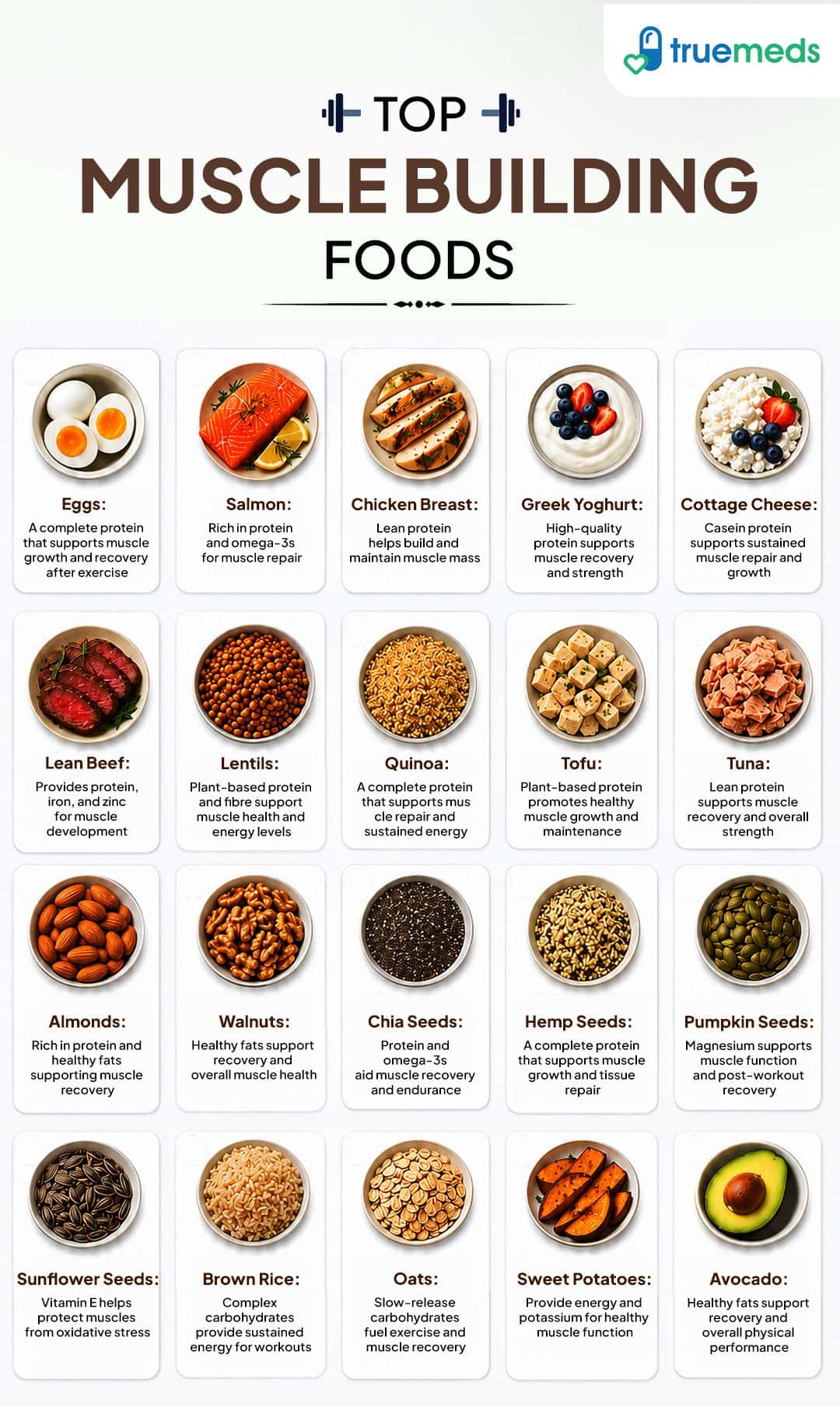
Incorporating the right foods into your diet is crucial for building muscle and achieving your bodybuilding goals. These foods provide essential nutrients and amino acids needed for muscle growth and recovery, making them an integral part of any diet plan for muscle gain.
1. Eggs
Eggs are an excellent source of complete protein and essential amino acids, particularly leucine, which plays a key role in muscle protein synthesis[4]. Including eggs in your muscle-building diet may help support muscle growth and repair.
2. Salmon
Salmon is an excellent choice for those looking to build muscle mass. This fatty fish is packed with high-quality protein and omega-3 fatty acids, which provide high-quality protein for muscle repair and omega-3 fatty acids that may support recovery. Incorporating salmon into your muscle gain diet plan can support your bodybuilding goals while also providing numerous health benefits[5].
3. Chicken Breast
Chicken breast is a staple in many bodybuilding food plans due to its high protein content and low fat content. This lean protein source is vital for muscle-building and also contains B vitamins that support exercise performance. Including chicken breast in your muscle gain diet can help you meet your protein needs and support your strength training efforts [6].
4. Greek Yoghurt
Greek yoghurt is an excellent addition to any muscle-building diet. It is packed with protein and probiotics, which may support gut health and muscle recovery. The high protein content in Greek yoghurt can help repair and rebuild muscle tissue after intense workouts[6]
5. Cottage Cheese
Cottage cheese is a fantastic source of casein protein, which is known for its slow-digesting properties. This makes it an ideal food for muscle growth, particularly when consumed before bed, as it may promote overnight muscle repair[7]. Incorporating cottage cheese into your muscle-building diet plan can help support your bodybuilding goals.
6. Lean Beef
Lean beef is an excellent choice for those looking to build muscle mass. It is high in protein, iron, and zinc, all of which are crucial for muscle growth and recovery[9]. Including lean beef in your muscle gain diet plan may help support your strength training efforts and promote muscle development.
7. Lentils
Lentils are a fantastic source of plant-based protein and fibre, making them an excellent choice for vegetarians and vegans looking to build muscle. The high protein content in lentils can help promote muscle growth, while the fibre supports digestive health[10]. Incorporating lentils into your bodybuilding food plan may help you meet your protein needs and support your muscle-building goals.
8. Quinoa
Quinoa is a complete protein, meaning it contains all nine essential amino acids needed for muscle repair and growth. This gluten-free grain is an excellent addition to any muscle-building diet, particularly for those following a plant-based lifestyle[11]. Including quinoa in your muscle gain diet plan can help support your bodybuilding efforts and promote overall health.
9. Tofu
Tofu is an excellent plant-based protein source for vegetarians and vegans looking to build muscle. It is low in fat and high in protein, making it a great addition to any muscle-building diet [12]. Incorporating tofu into your meals can help you meet your protein needs and support your muscle growth goals.
10. Tuna
Tuna is a lean protein source that is rich in omega-3 fatty acids, making it an excellent choice for those looking to build muscle and support recovery. The high protein content in tuna can help repair and rebuild muscle tissue after intense workouts. Including tuna in your muscle gain diet plan can help you achieve your bodybuilding goals while also providing numerous health benefits[5].
11. Almonds
Almonds are a fantastic source of healthy fats, protein, and fibre, making them an excellent addition to any muscle-building diet. The protein in almonds can help support muscle growth, while the healthy fats and fibre contribute to overall health[13]. Including almonds as a snack or adding them to your meals may help you meet your nutrient needs and support your bodybuilding efforts.
12. Walnuts
Walnuts are rich in omega-3 fatty acids and antioxidants, which may help reduce muscle inflammation and promote recovery[14]. Including walnuts in your muscle gain diet plan can support your muscle-building efforts and help you recover faster between workouts.
13. Chia Seeds
Chia seeds are an excellent source of fibre and omega-3 fatty acids, making them a great addition to any muscle-building diet. The high fibre content in chia seeds can support digestive health, while the omega-3 fatty acids may help reduce exercise-induced inflammation and promote overall metabolic health, thereby contributing to recovery after physical activity[11]. Incorporating chia seeds into your meals or using them as a topping may help you meet your nutrient needs.
14. Hemp Seeds
Hemp seeds are a complete protein source, providing all nine essential amino acids needed for muscle growth and repair. They are also rich in healthy fats, which may aid in muscle recovery and hormonal balance[11]. Including hemp seeds in your muscle gain diet plan can help you meet your protein needs and support your bodybuilding efforts.
15. Pumpkin Seeds
Pumpkin seeds are an excellent source of zinc and magnesium, two minerals that are crucial for muscle function and recovery[11]. Including pumpkin seeds in your bodybuilding food plan may help support your muscle-building efforts and promote overall health.
16. Sunflower Seeds
Sunflower seeds are a good source of protein, vitamin E, and healthy fats, making them a great addition to any muscle-building diet. The protein in sunflower seeds can help support muscle growth, whereas the vitamin E and healthy fats contribute to overall health[11]. Including sunflower seeds as a snack or adding them to your meals may help you meet your nutrient needs and support your bodybuilding goals.
17. Brown Rice
Brown rice is a complex carbohydrate that provides sustained energy. Including brown rice in your muscle gain diet plan may help fuel your strength training efforts and promote muscle growth.
18. Oats
Oats are a fantastic source of slow-digesting carbohydrates. The complex carbohydrates in oats provide sustained energy throughout the day and may support muscle growth. Including oats in your bodybuilding food plan can help you meet your carbohydrate needs and fuel your workouts.
19. Sweet Potatoes
Sweet potatoes are an excellent source of complex carbohydrates that refill your muscle glycogen stores after intense workouts, helping you recover faster and train harder the next day. They’re also rich in potassium and antioxidants, which support proper muscle contraction and reduce exercise-related stress on the body. Including sweet potatoes in your muscle-building diet can improve endurance, recovery, and overall performance in a natural, wholesome way[15].
20. Avocado
Avocados are an excellent source of healthy fats, fibre, and essential nutrients like potassium, magnesium, and vitamins K and E. When included as part of a balanced diet, the healthy fats in avocados may support overall muscle and heart health, while the fibre promotes digestive health[16].
Diet plan for muscle gain
A well-designed diet plan is crucial for muscle gain. Here's a 7-day meal plan that incorporates the best bodybuilding foods to help you build strength:
For optimal muscle gain, aim for a daily macronutrient distribution of approximately 1.6–2.2 g protein per kg body weight, 4–6 g carbohydrates per kg body weight, and 0.8–1 g fat per kg body weight. This balance ensures adequate amino acids for muscle repair, sufficient glycogen stores to fuel intense training sessions, and healthy fats to support hormonal function, including testosterone production. Maintaining a slight calorie surplus (about 250–500 kcal above maintenance) further enhances lean muscle gain while supporting recovery and strength progression.[17].
Protein requirements and macronutrient ratios should be personalised by a qualified nutritionist or healthcare provider based on your individual needs.
Foods to avoid
When building muscle, it's essential to be mindful of the foods you consume. Some common foods can hinder your progress and should be avoided or limited in your muscle gain diet plan:
- Highly processed foods, such as sausages, processed meats, and fast food, are often laden with unhealthy fats and lack essential nutrients crucial for muscle growth.
- Excess sugar from sources like sugary drinks, candy, and baked goods can contribute to weight gain and increase the risk of developing insulin resistance, impeding your muscle-building efforts.
- Unhealthy fats, particularly trans fats found in fried foods and certain snacks, may cause inflammation and disrupt hormone balance, negatively impacting your bodybuilding goals.
- Alcohol and refined carbohydrates provide minimal nutritional value and can contribute to weight gain, so it's best to limit their consumption when focusing on foods to gain muscle.
Common Mistakes in Muscle Gain Diets
Avoiding common dietary mistakes can help maximise the benefits of a muscle-building nutrition plan:
- Consuming insufficient protein to support muscle growth and recovery.
- Eating too few calories makes it difficult to gain lean muscle mass.
- Relying heavily on processed foods instead of nutrient-dense whole foods.
- Skipping meals, which may reduce overall nutrient and energy intake.
- Neglecting carbohydrate intake limits the energy available for workouts.
- Failing to stay adequately hydrated throughout the day.
- Ignoring fruits and vegetables, which provide essential vitamins and minerals.
- Inconsistent eating habits make it difficult to meet daily nutritional requirements.
Conclusion
Building muscle requires a consistent approach to nutrition and training. A well-balanced diet can provide the energy and nutrients needed to support muscle growth and recovery. With consistent effort and appropriate dietary choices, you can work towards your muscle gain goals while supporting overall health and fitness.
FAQs
What is the best diet plan for muscle gain?
The best muscle gain diet emphasises a caloric surplus of 250-500 calories per day, with a balanced ratio of protein, carbohydrates, and healthy fats. The optimal surplus varies depending on training experience, with beginners often responding well to smaller increases.
How much protein do I need for muscle growth?
Aim to consume approximately 1.6 to 2.2 grams of protein per kilogram of body weight daily, sourced from lean meats, eggs, dairy, or plant-based options like tofu, lentils, and tempeh. Individual requirements may vary based on training intensity and body composition goals.
Can I build muscle without eating meat?
Yes, you can build muscle on a plant-based diet by combining various plant proteins, such as beans, lentils, tofu, quinoa, and hemp seeds, to ensure you receive all essential amino acids. Strategic meal planning and adequate protein intake are essential for vegetarian and vegan muscle-building.
Are supplements necessary for muscle-building?
While not essential, supplements like whey protein or creatine can be helpful in boosting protein intake and performance. However, prioritise whole foods in your bodybuilding food plan, as they provide a complete range of nutrients, vitamins, and minerals that supplements cannot fully replace.
What are the best foods to gain muscle?
The best muscle-building foods include lean proteins like chicken, eggs, Greek yoghurt, and fish; complex carbohydrates such as oats, brown rice, and sweet potatoes; and healthy fats from avocados, nuts, and olive oil. These foods provide the essential nutrients needed for muscle growth, recovery, and sustained energy.
Can vegetarian foods support muscle growth effectively?
Yes, vegetarian foods can support muscle growth when they provide adequate protein and calories. Foods such as lentils, beans, tofu, tempeh, dairy products, nuts, seeds, and soy-based foods can help meet protein requirements and support muscle development alongside resistance training.
Can I build muscle and lose fat at the same time with these foods?
It may be possible to build muscle and lose fat simultaneously, particularly for beginners or those returning to exercise. Consuming protein-rich foods, maintaining a balanced diet, and following a structured strength-training programme can help support body composition goals.
What are the best post-workout foods for muscle recovery?
The best post-workout foods combine protein and carbohydrates to support muscle recovery and replenish energy stores. Good options include eggs, Greek yoghurt, milk, chicken, fish, tofu, lentils, and whole grains. These foods provide nutrients needed for recovery.
Medical Disclaimer
This article is for informational purposes only and does not constitute medical advice. The information provided should not be used for diagnosing or treating health conditions. Always consult a qualified healthcare provider for diagnosis, treatment, and personalised medical advice. Do not disregard professional medical advice or delay seeking it because of information found in this article. If you have a medical emergency, contact your doctor or emergency services immediately.
References
Carbone, J. W., & Pasiakos, S. M. (2019). Dietary Protein and Muscle Mass: Translating science to application and health benefit. Nutrients, 11(5), 1136. https://doi.org/10.3390/nu11051136
Naderi, A., Gobbi, N., Ali, A., Berjisian, E., Hamidvand, A., Forbes, S. C., Koozehchian, M. S., Karayigit, R., & Saunders, B. (2023). Carbohydrates and Endurance Exercise: A Narrative Review of a Food First Approach. Nutrients, 15(6), 1367. https://doi.org/10.3390/nu15061367
Mititelu, M., Lupuliasa, D., Neacșu, S. M., Olteanu, G., Busnatu, Ș. S., Mihai, A., Popovici, V., Măru, N., Boroghină, S. C., Mihai, S., Ioniță-Mîndrican, C. B., & Scafa-Udriște, A. (2024). Polyunsaturated Fatty Acids and Human Health: A Key to Modern Nutritional Balance in Association with Polyphenolic Compounds from Food Sources. Foods (Basel, Switzerland), 14(1), 46. https://doi.org/10.3390/foods14010046
Puglisi, M. J., & Fernandez, M. L. (2022). The Health Benefits of Egg Protein. Nutrients, 14(14), 2904. https://doi.org/10.3390/nu14142904