If your doctor has recommended a hysteroscopy, understanding the hysteroscopy meaning and what to expect can help ease concerns about this common gynaecological procedure. Hysteroscopy is considered the gold standard technique for evaluating and managing conditions inside the uterus[1]. This minimally invasive procedure allows doctors to both diagnose and treat various uterine problems without major surgery.
Whether you are facing abnormal bleeding, fertility concerns, or need a detailed examination of your uterus, knowing what happens before, during, and after a hysteroscopy can help you prepare confidently.
Key Takeaways
- Hysteroscopy is a minimally invasive procedure using a thin telescope to examine and treat conditions inside the uterus
- Diagnostic hysteroscopy typically takes 5–10 minutes, while operative hysteroscopy may take longer depending on the procedure
- Most women can return to normal activities the following day
- Common post-procedure symptoms include mild cramping and light bleeding, which usually resolve within a week
- Infection is rare but requires prompt medical attention if symptoms like fever, severe pain, or foul-smelling discharge occur
- Using sanitary towels instead of tampons and avoiding strenuous activities supports recovery
- Contact your doctor immediately if symptoms worsen rather than improve
What is hysteroscopy?
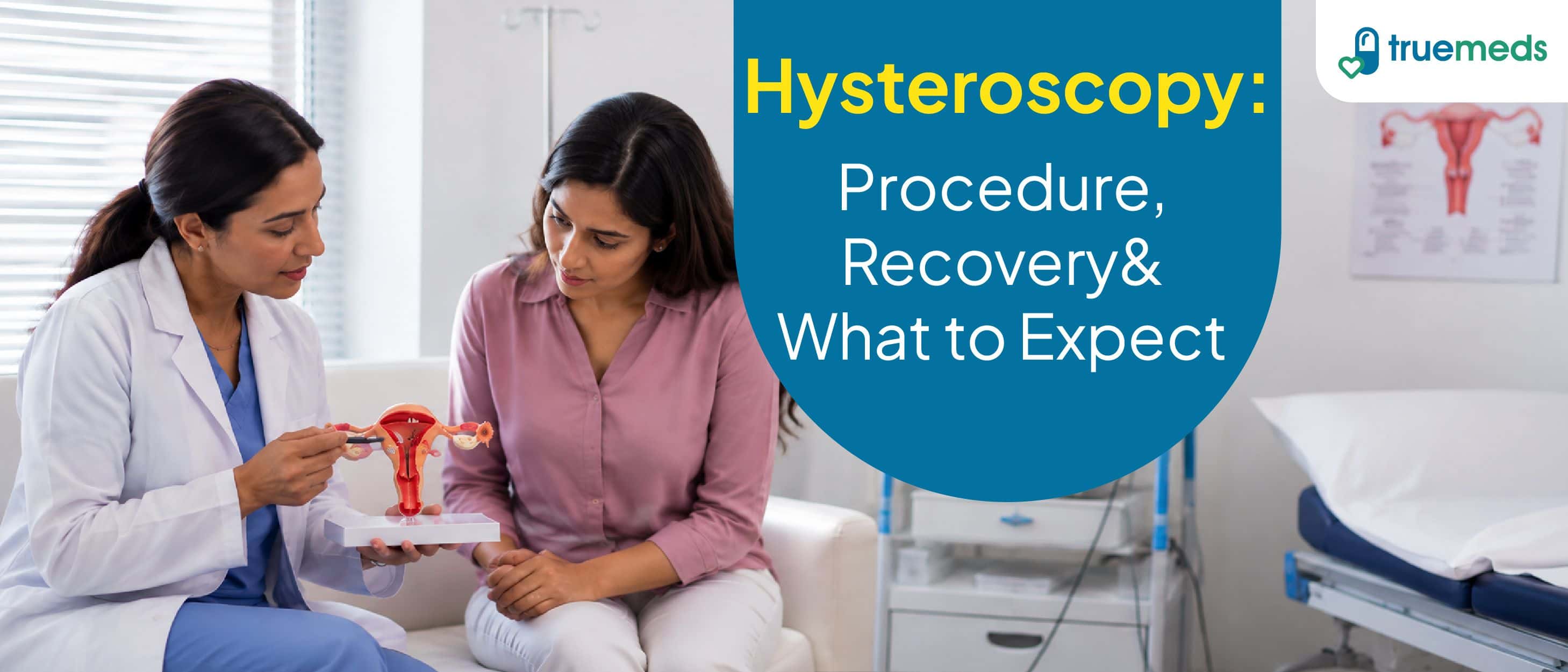
A hysteroscopy procedure involves inserting a thin, telescope-like instrument called a hysteroscope through the vagina and cervix into the uterus[1]. The hysteroscope contains a light and camera that transmit images to a screen, allowing your doctor to see the inside of your uterus clearly. A special fluid or gas gently expands the uterine cavity, providing a complete view of the endometrial lining[2].
Hysteroscopy can be diagnostic (to examine and identify problems) or operative (to treat conditions during the same procedure). This dual capability makes it one of the most commonly performed gynaecological procedures worldwide[2].
When might you need a hysteroscopy?
A hysteroscopy may be recommended to investigate unusual symptoms, identify problems inside the uterus, or treat certain uterine conditions[1].
Common reasons for a diagnostic hysteroscopy
Your doctor may recommend a diagnostic hysteroscopy to investigate various symptoms and conditions. The most common indications include[1]:
- Abnormal uterine bleeding (heavy, prolonged, or irregular periods)
- Unexplained infertility
- Locating and removing intrauterine foreign bodies
- Investigating congenital uterine abnormalities
- Investigating suspected abnormalities inside the uterine cavity
Conditions that can be treated during hysteroscopy
Operative hysteroscopy allows treatment during the same session as diagnosis. Submucosal fibroids, which grow into the uterine cavity, can cause abnormal bleeding and may affect fertility. Hysteroscopic myomectomy is the first-line surgical treatment to remove these fibroids, relieve bleeding symptoms, and restore normal uterine cavity structure[3].
Other treatable conditions include uterine polyps, adhesions (scar tissue), and uterine septum (a wall dividing the uterus)[1].
How is a hysteroscopy procedure performed?
A hysteroscopy is a minimally invasive procedure that allows a doctor to examine the inside of the uterus and, when needed, treat certain problems[1].
Preparing for the procedure
Proper timing can improve visualisation during the procedure. In premenopausal women with regular cycles, the optimal timing for diagnostic hysteroscopy is during the follicular phase, after menstruation ends. Your doctor will ensure pregnancy is reasonably excluded before proceeding[4].
Taking pain relief such as ibuprofen or paracetamol one hour before the procedure can help manage discomfort[5]. Your healthcare team will provide specific instructions about eating, drinking, and medications beforehand.
What happens during a hysteroscopy
The hysteroscopy procedure typically takes 5 to 10 minutes for diagnostic purposes. Operative procedures may take longer depending on the treatment required[6].
During the procedure[6]:
- You lie on an examination table with your legs supported
- The doctor gently inserts a speculum to visualise the cervix
- The hysteroscope passes through the cervix into the uterus
- Fluid or gas expands the uterine cavity for clear viewing
- Images appear on a screen for examination
- If treatment is needed, small instruments pass through the hysteroscope
Many outpatient hysteroscopies are performed without anaesthesia or with local anaesthesia. More complex operative procedures may require general anaesthesia.
What happens after the procedure
After a hysteroscopy, it is normal to have period-like pain for a couple of days and some bleeding or spotting for up to a week. Use pads rather than tampons, and avoid exercise until the pain and bleeding have stopped[6].
Recovery experiences vary. Follow your doctor's specific post-procedure instructions.
What are the risks of hysteroscopy?
Hysteroscopy is generally safe, but like any medical procedure, it carries some risks.
The most common early complications include[7]:
- Uterine perforation: occurs in approximately 0.13% of diagnostic procedures and 0.5 to 3% of operative procedures
- Bleeding during or after the procedure
- Absorption of uterine distension media
Your doctor will discuss specific risks based on your procedure type. Report any concerning symptoms promptly.
What should you expect during recovery?
Recovery after a hysteroscopy is usually straightforward, with most people experiencing mild symptoms that improve over the following days.
Common symptoms after hysteroscopy
Mild discomfort is normal following hysteroscopy. Pain after the procedure is usually similar to period pain and can be controlled with simple painkillers such as ibuprofen and paracetamol. Bleeding is typically lighter than a normal period and should settle within a week[5].
How long recovery usually takes
Recovery time depends on whether you had a diagnostic or operative procedure. Most women can return to normal activities, including work, the day after a hysteroscopy. Some women return to their routine the same day[9].
Returning to daily activities
Women who undergo treatment such as fibroid removal, or those who have had general anaesthetic, may need a few days off to rest[9]. Light activities can usually resume within 24 hours[1], while more strenuous activities may need to wait until any bleeding has stopped.
What are the signs of infection after hysteroscopy?
Recognising the signs of infection after hysteroscopy is important for prompt treatment. While infection is rare, knowing what to watch for can help you seek timely medical care.
Symptoms that may indicate an infection
Post-procedural infections such as endometritis (uterine lining infection) and urinary tract infections are rare, ranging from 0.01% to 1.42%[10].
Warning signs of infection include[9]:
- High fever (above 38°C)
- Severe abdominal or pelvic pain not relieved by painkillers
- Heavy bleeding
- Foul-smelling discharge
When recovery symptoms are not normal
Normal post-procedure symptoms improve gradually. If your symptoms worsen rather than improve, or if new symptoms develop several days after the procedure, this may indicate a complication requiring medical attention.
Symptoms that need urgent evaluation
Seek immediate medical evaluation if you experience[6]:
- Fever
- Heavy bleeding
- Vaginal discharge
- Abdominal pain
- Shortness of breath
When to contact a doctor
Contact your gynaecologist immediately if you develop any signs of infection after hysteroscopy. Early treatment of infection typically involves antibiotics and can prevent more serious complications[9].
Do not delay seeking medical advice if you are concerned about your symptoms.
How to care for yourself after a hysteroscopy?
After a hysteroscopy, following simple aftercare measures can help you manage discomfort and bleeding while supporting a smooth recovery.
Managing discomfort and bleeding
Over-the-counter pain relievers such as ibuprofen or paracetamol can effectively manage post-procedure discomfort[5]. Take painkillers as needed. Bleeding is usually mild and should settle within seven days[11].
Activities to avoid during recovery
To reduce infection risk, use sanitary towels rather than tampons during the recovery period[11]. Avoid sexual intercourse until bleeding has stopped and you feel comfortable. Avoid swimming and bathing in pools until any discharge has ceased[6].
Tips for a smooth recovery
Following these guidelines can support healing[9]:
- Rest adequately on the day of the procedure
- Stay hydrated and eat light, nutritious meals
- Take prescribed or recommended pain medication as directed
- Avoid heavy lifting or strenuous exercise until cleared by your doctor
- Attend all follow-up appointments
FAQs
What is hysteroscopy in simple terms?
Hysteroscopy is a procedure where a doctor inserts a thin, lighted telescope through your vagina and cervix to look inside your uterus. It helps diagnose and treat problems like abnormal bleeding, fibroids, or fertility issues without major surgery.
Why is a hysteroscopy procedure done?
Doctors perform hysteroscopy to investigate abnormal uterine bleeding, unexplained infertility, or suspected uterine abnormalities. It can also remove fibroids, polyps, or scar tissue and locate foreign bodies, such as displaced contraceptive devices.
Is hysteroscopy painful?
Most women experience discomfort similar to period cramps rather than severe pain. Taking ibuprofen or paracetamol before the procedure can help. Some procedures use local or general anaesthesia depending on complexity.
How long does a hysteroscopy procedure take?
A diagnostic hysteroscopy typically takes 5 to 10 minutes. Operative procedures involving treatment may take longer, sometimes up to 30 minutes or more, depending on what needs to be done.
What are the signs of infection after hysteroscopy?
Warning signs include fever, chills, severe abdominal pain, heavy bleeding, and vaginal discharge with a foul smell. Contact your gynaecologist immediately if you experience any of these symptoms.
How much bleeding is normal after hysteroscopy?
Light bleeding, typically lighter than a normal period, is normal and should settle within seven days. Heavy bleeding or bleeding that worsens over time is not normal and requires medical evaluation.
How many days rest after hysteroscopy?
Most women can resume normal activities the following day. Those who had operative procedures or general anaesthesia may need a few extra days of rest before returning to their routine.
When can I return to work after hysteroscopy?
Many women return to work the day after a diagnostic hysteroscopy. If you had an operative procedure or feel unwell, taking two to three days off may be more comfortable.
What activities should be avoided after hysteroscopy?
Avoid using tampons, sexual intercourse, swimming, and strenuous exercise until bleeding has stopped. Use sanitary towels instead of tampons to reduce infection risk during recovery.
When should I call a doctor after hysteroscopy?
Contact your doctor if you develop a fever; severe pain not relieved by painkillers; heavy bleeding; foul-smelling discharge; or if your symptoms worsen rather than improve over time.
Medical Disclaimer
This article is for informational purposes only and does not constitute medical advice. The information provided should not be used for diagnosing or treating health conditions. Always consult a qualified healthcare provider for diagnosis, treatment, and personalised medical advice. Do not disregard professional medical advice or delay seeking it because of information found in this article. If you have a medical emergency, contact your doctor or emergency services immediately.
References
National Institutes of Health. (2025). Hysteroscopy. StatPearls. https://www.ncbi.nlm.nih.gov/books/NBK564345/
Riemma, G., et al. (2024). Hysteroscopy: where did we start, and where are we now? PMC. https://pmc.ncbi.nlm.nih.gov/articles/PMC11393125/
European Society for Gynaecological Endoscopy. (2025). Good Practice Recommendations on surgical techniques for Removal of Fibroids: Part 2 Hysteroscopic Myomectomy. PMC. https://www.ncbi.nlm.nih.gov/pmc/articles/PMC11819789/
American College of Obstetricians and Gynecologists. (2020, March). The Use of Hysteroscopy for the Diagnosis and Treatment of Intrauterine Pathology. ACOG. https://www.acog.org/clinical/clinical-guidance/committee-opinion/articles/2020/03/the-use-of-hysteroscopy-for-the-diagnosis-and-treatment-of-intrauterine-pathology