Recognising ovulation symptoms can help you understand your body's natural fertility cycle, whether you are trying to conceive or simply want to track your reproductive health. Ovulation occurs when a mature egg is released from the ovary and travels into the fallopian tube, where it may be fertilised [1].
Understanding the signs of ovulation and learning how to track ovulation accurately can improve your chances of conception and give you greater insight into your menstrual cycle. This article explores the key symptoms, tracking methods, and factors that influence ovulation.
Understanding Ovulation and the Fertile Window
What is ovulation?
Ovulation is the process where a mature egg ruptures from the dominant follicle of the ovary and enters the fallopian tube [1]. This typically happens around the middle of your menstrual cycle. Once released, the egg can survive for approximately 24 hours, during which fertilisation can occur [2]. The timing of ovulation varies between individuals and can even differ from cycle to cycle in the same person.
What is the fertile window?
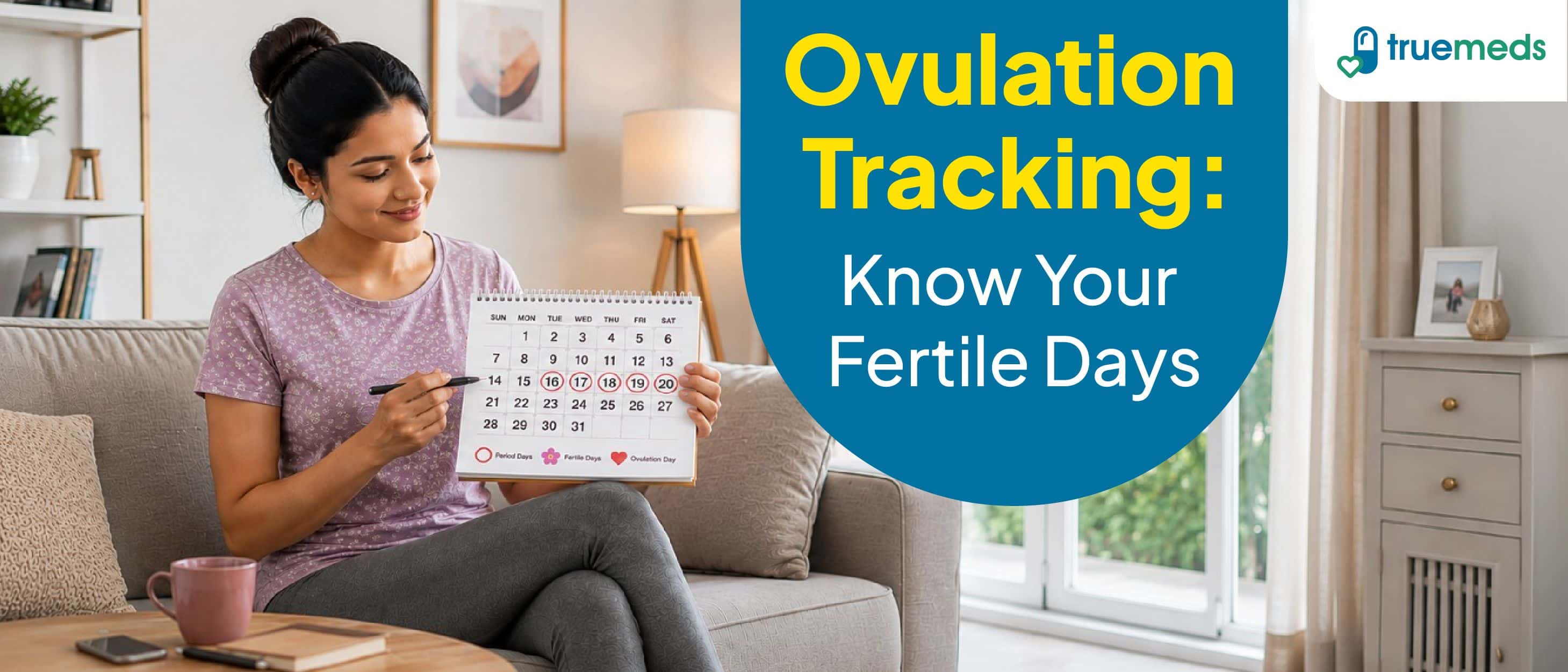
The fertile window refers to the days in your cycle when pregnancy is possible. Since sperm can survive inside the female body for up to 3 to 5 days after intercourse, you may conceive if you have intercourse anywhere from 5 days before ovulation until 1 day after ovulation [3]. This creates a window of approximately 6 days each cycle when conception is most likely to occur.
How to Recognise Ovulation Symptoms
Several physical changes can indicate that ovulation is approaching or occurring. Learning to identify these symptoms may help you pinpoint your most fertile days.
Changes in Cervical Mucus
Just before ovulation, the amount of mucus produced by the cervix increases noticeably [3]. The texture also changes, becoming thin, clear, and slippery, similar to raw egg whites. This consistency helps sperm travel more easily through the reproductive tract. Monitoring these changes daily can provide useful information about your fertility status.
Mild Pelvic Pain (Mittelschmerz)
Mittelschmerz is a benign lower abdominal pain that occurs mid-cycle, typically between days 7 and 24 of the menstrual cycle [4]. This ovulation pain may affect over 40% of women of reproductive age. The discomfort is usually mild and one-sided, lasting from three to twelve hours.
Rise in Basal Body Temperature
Your basal body temperature (BBT) increases slightly after ovulation occurs. By recording your temperature every morning before getting out of bed, you can identify a temperature shift [5]. Ovulation typically occurs between one day before and two days after this temperature rise.
Increased Sex Drive
Some women notice a heightened sex drive around the time of ovulation [6]. This may be the body's natural response to the fertile window, encouraging reproduction during the optimal time for conception.
Breast Tenderness
Hormonal fluctuations during ovulation can cause breast sensitivity or tenderness in some women. This symptom may persist for a few days following ovulation due to rising progesterone levels [7].
Light Spotting
Occasional light spotting may occur during ovulation in some women. This can result from the egg breaking through the follicle wall. The spotting is typically light pink or brown and lasts briefly [8].
Bloating and Other Physical Changes
Hormonal shifts around ovulation can cause temporary water retention, leading to bloating [9]. Some women also experience heightened senses, particularly smell, during this time.
How to Track Ovulation Accurately
Tracking ovulation can help decrease the average time to conception [5]. Several methods exist, and combining multiple approaches may improve accuracy.
Calendar Method
The calendar method involves tracking your menstrual cycles over several months to predict when ovulation may occur. Ovulation typically happens about 10 to 16 days before the start of your next period, though this depends on your cycle length [10]. This method works best for women with regular cycles.
Basal Body Temperature (BBT)
Recording your temperature every morning before any activity can help identify ovulation. A sustained temperature rise of about 0.2 to 0.5°C indicates that ovulation has occurred [11]. Since the rise happens after ovulation, this method helps confirm ovulation rather than predict it in advance.
This method requires consistent daily tracking for accurate results.
Cervical Mucus Method
Observing changes in cervical mucus throughout your cycle can indicate approaching ovulation. When mucus becomes clear, stretchy, and abundant, ovulation is likely near [12]. This method requires practice to interpret correctly.
Ovulation Predictor Kits (OPKs)
Ovulation predictor kits detect the surge in luteinising hormone (LH) that occurs approximately 24 to 48 hours before ovulation [13]. Studies comparing different OPK brands found accuracy rates above 90% when compared to blood LH tests [14]. These kits provide a reliable way to predict your fertile window.
Ovulation Tracking Apps
Digital apps can help you log symptoms, temperature readings, and cycle dates in one place. Many apps use algorithms to predict ovulation based on the data you enter [15]. While convenient, apps work best when combined with physical tracking methods.
Tracking methods provide guidance but should not replace professional medical advice for fertility concerns.
When is Your Fertile Window?
How Long Does the Fertile Window Last and Why?
The fertile window lasts approximately 6 days: the 5 days before ovulation plus the day of ovulation itself [16]. This timeframe exists because sperm can survive inside the female reproductive tract for up to 5 days, while the egg remains viable for about 24 hours after release.
Best Time to Try for Pregnancy
You are most likely to conceive around the time you ovulate [16]. Having regular intercourse during the 5 days before and including the day of ovulation maximises your chances. For healthy couples in their 20s and early 30s, approximately 1 in 4 women will conceive in any single menstrual cycle.
Age-Related Decline of Fertility
A woman's peak reproductive years occur between the late teens and late 20s. By age 30, fertility begins to decline, and this decline accelerates after the mid-30s [17]. Understanding this timeline can help with family planning decisions.
Factors that can affect ovulation
Several factors may disrupt regular ovulation patterns. Identifying these can help you understand changes in your cycle.
Stress
Stress can affect your relationship with your partner and may cause reduced sex drive [18]. In severe cases, stress may also affect ovulation and sperm production. Managing stress through relaxation techniques may support reproductive health.
PCOS
Polycystic ovary syndrome (PCOS) is a common cause of ovulation problems. Ovulation disorders are diagnosed in 75 to 85% of PCOS patients, and only approximately 30% experience periodic ovulation [19]. Women with PCOS may benefit from medical treatment to regulate ovulation.
Thyroid Disorders
Your thyroid gland controls metabolism and hormone balance. Both hypothyroidism (underactive thyroid) and hyperthyroidism (overactive thyroid) can affect ovulation [19]. Treating thyroid imbalances may help restore regular ovulation.
Weight Changes
Significant weight gain or loss can disrupt hormonal balance and affect ovulation. A low body mass index (BMI) can decrease the hormones needed for regular ovulation [20]. Maintaining a healthy weight supports reproductive function.
Excessive Exercise
Regular, intense physical exercise can affect the pituitary gland and decrease the LH and FSH hormones required for ovulation [21]. Moderate exercise is beneficial, but extreme training regimens may disrupt menstrual cycles.
Perimenopause
As women approach menopause, ovulation becomes less regular. Hormonal fluctuations during perimenopause can cause irregular cycles and unpredictable ovulation patterns [22].
Consult a healthcare provider if you notice significant changes in your menstrual cycle.
When should you consult a doctor?
Problems with ovulating regularly each month represent one common reason couples may struggle to conceive [23]. Consider consulting a doctor if you experience:
- Irregular or absent ovulation: Cycles that vary significantly in length or missed periods
- Difficulty conceiving: If you have not conceived after a year of trying, seeing a GP is advisable
- Irregular menstrual cycles: Periods that are consistently unpredictable may indicate underlying issues
- Symptoms of hormonal imbalance: Signs such as excessive hair growth, severe acne, or unexplained weight changes
Individual situations vary. Seek personalised advice from a qualified healthcare provider.
Conclusion
Understanding your ovulation symptoms and fertile window can empower you to make informed decisions about your reproductive health. Whether you choose the calendar method, BBT tracking, cervical mucus observation, or ovulation predictor kits, consistency is key to accurate results.
Factors such as stress, PCOS, thyroid disorders, and weight changes can affect ovulation, so monitoring your cycle and seeking medical advice when needed supports overall fertility. By learning to recognise your body's natural signs and choosing tracking methods that suit your lifestyle, you can take an active role in your reproductive wellness journey.
FAQs
What are the common ovulation symptoms?
Common symptoms include changes in cervical mucus (becoming clear and stretchy), mild pelvic pain, slight rise in body temperature after ovulation, increased sex drive, breast tenderness, and occasional light spotting.
What are the first signs of ovulation?
The earliest signs typically include increased cervical mucus that becomes clear and slippery, followed by mild one-sided pelvic discomfort. Some women also notice heightened energy or libido as ovulation approaches.
How can I track ovulation naturally?
Monitor your cervical mucus daily for changes in consistency and record your basal body temperature each morning. Combining these methods, known as the symptothermal approach, can help identify your fertile window without medical devices.
What is the most accurate way to track ovulation?
Ovulation predictor kits that detect the LH surge offer over 90% accuracy when compared to blood tests. Combining OPKs with cervical mucus monitoring and BBT tracking provides the most comprehensive approach.
How many days does the fertile window last?
The fertile window typically lasts about 6 days: the 5 days before ovulation plus the day of ovulation. This accounts for sperm survival time and egg viability.
Can I ovulate without noticing any symptoms?
Yes, not everyone experiences noticeable ovulation symptoms. Using tracking tools like OPKs or monitoring cervical mucus can help detect ovulation even when physical symptoms are absent.
Can ovulation symptoms change from month to month?
Yes, ovulation symptoms can vary in intensity and type between cycles. Factors such as stress, illness, travel, and lifestyle changes can influence how symptoms present each month.
How soon after ovulation can pregnancy occur?
Fertilisation can occur within hours of ovulation if sperm is present. The fertilised egg then takes about 6 to 10 days to implant in the uterus, after which pregnancy hormones begin rising.
Medical Disclaimer
This article is for informational purposes only and does not constitute medical advice. The information provided should not be used for diagnosing or treating health conditions. Always consult a qualified healthcare provider for diagnosis, treatment, and personalised medical advice. Do not disregard professional medical advice or delay seeking it because of information found in this article. If you have a medical emergency, contact your doctor or emergency services immediately.
References
Holesh, J. E., Bass, A. N., & Lord, M. (2023, May 1). Physiology, ovulation. StatPearls - NCBI Bookshelf. https://www.ncbi.nlm.nih.gov/books/NBK441996/
Reed, B. G., & Carr, B. R. (2018, August 5). The normal menstrual cycle and the control of ovulation. Endotext - NCBI Bookshelf. https://www.ncbi.nlm.nih.gov/books/NBK279054/
ACOG. Trying to get pregnant? Here’s when to have sex. (2025). https://www.acog.org/womens-health/experts-and-stories/the-latest/trying-to-get-pregnant-heres-when-to-have-sex
Brott, N. R., & Le, J. K. (2023, May 1). Mittelschmerz. StatPearls - NCBI Bookshelf. https://www.ncbi.nlm.nih.gov/books/NBK549822/