Key Takeaways
- Babies and children have thinner, more delicate skin than adults and may lose moisture more easily
- Limit baths to three times weekly during the baby's first year and use lukewarm water
- Apply moisturiser on damp skin after bathing and at least once more during the day
- Dress babies in soft cotton layers and avoid rough fabrics like wool against skin
- Newborns may not need products for the first few weeks; let vernix absorb naturally
- See a doctor if dry skin shows redness, swelling, oozing, or signs of infection
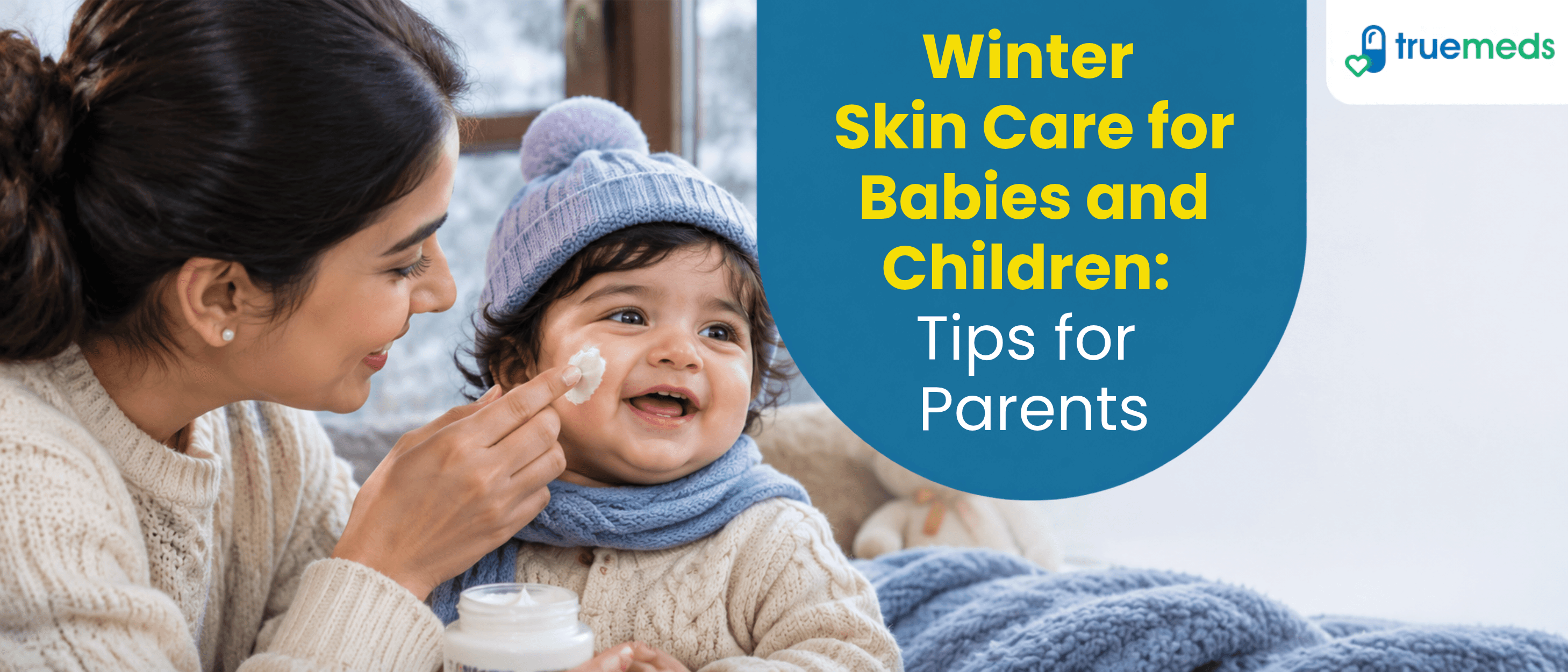
Caring for your little one during cold months requires special attention, and baby skin care in winter is a concern many parents share. Infant skin has a thinner protective barrier and loses moisture faster than adult skin[1]. Understanding why your baby's skin reacts to winter conditions helps you create an effective daily routine to keep their skin soft, healthy, and protected throughout the season.
Why does baby and child skin get dry in winter?
Infant skin functions differently from adult skin. Research shows that babies have a thinner stratum corneum (the outermost skin layer) and significantly higher transepidermal water loss compared to adults[1]. This means moisture escapes from their skin more rapidly, making them more vulnerable to dryness.
Winter conditions worsen this natural tendency. Cold temperatures can affect the skin's protective mechanisms, and children with atopic dermatitis may experience flare-ups because cold weather impacts the receptors that help maintain the skin barrier[2]. Indoor heating further reduces humidity, pulling even more moisture from your child's delicate skin.
What is the best winter skin care routine for babies?
A consistent daily routine helps maintain your baby's skin health throughout winter. The core elements include gentle bathing, timely moisturising, and appropriate clothing.
Three baths per week during your baby's first year may be sufficient[3]. After each bath, apply a moisturiser while the skin is still slightly damp to lock in hydration.
For babies prone to eczema, emollients should be used at least three times daily, including immediately after washing when skin is damp[4]. Finding the right product often requires trial and error, so observe how your baby's skin responds to different formulations.
How should you bathe a baby in winter?
Bath time in winter requires some adjustments to protect your baby's skin barrier.
Keep bathwater lukewarm rather than hot. Hot water may dry out the skin and can activate nerve endings, which may increase the urge to scratch[5].
Avoid bubble baths and foamy, scented soaps, as these products often contain detergents that strip skin of natural oils. Instead, use mild, fragrance-free cleansers and limit bath time to 10 minutes. Pat your baby's skin gently with a soft towel rather than rubbing[5].
Which moisturiser or oil is best for baby skin in winter?
Choosing the right moisturising product can make a considerable difference in protecting your baby's skin.
Ointments contain the most oils and are very helpful for extremely dry, irritated areas. They do not contain preservatives and will not sting or burn the skin. Creams are also effective for dry skin, as they seal moisture into the skin[5].
White petroleum jelly and mineral oil are safe and effective moisturisers for infants. Emollients should be applied after bathing when the infant's skin is still moist to help retain moisture[6].
When selecting products, avoid those with fragrances, dyes, or harsh chemicals that may irritate sensitive baby skin[5].
Consult your paediatrician before introducing new skincare products, especially if your baby has sensitive or eczema-prone skin.
What should babies and children wear to protect their skin?
Clothing choices can affect your child's skin comfort during winter. Dress your child in breathable fabrics such as 100% cotton. Wool and synthetics such as acrylic and polyester can irritate sensitive skin[7].
How do you care for newborn skin in winter?
Newborn skin requires particularly gentle care. Research indicates that it may be better to avoid skin cleansing and moisturising products for the first few weeks until the baby's skin has matured naturally. The vernix (the white coating present at birth) should be left on the skin to absorb naturally rather than being wiped away[8].
If your newborn's skin is dry or cracked during this period, do not apply creams or lotions without consulting your doctor. The Indian Academy of Pediatrics recommends skin-to-skin care for mothers and newborns without complications immediately after birth. Care includes gentle cleansing, protection of barrier function, prevention of dryness, and avoidance of moisture build-up in body folds[9].
Do not use adult skincare products on newborns. Consult your paediatrician for product recommendations.
How do you protect your child's skin from dryness in winter?
For older babies and children, maintaining skin hydration requires daily attention.
Cold winter weather can dry out your child's skin, leading to irritation and discomfort. To keep skin healthy and moisturised, use a mild baby lotion or cream after bath time[10].
Additional protective measures include[5], 10]:
- Moisturise your child's skin at least twice daily, particularly after bathing
- Keep bath time short and use lukewarm water instead of hot water
- Use mild, fragrance-free cleansers and avoid harsh soaps that can irritate the skin
- Use a cool-mist humidifier in heated rooms to help maintain moisture in the air
- Dress your child in appropriate layers to protect their skin from cold weather
- Limit exposure to extremely cold and windy conditions to help prevent skin dryness and irritation
When is dry skin in a baby or child a sign of eczema or infection?
Sometimes dry skin indicates a condition that requires medical attention. Up to one in four children have eczema, also called atopic dermatitis, which causes dry, red, itchy patches on the skin[11].
In babies, eczema usually starts on the scalp and face. Red, dry rashes may appear on the cheeks, forehead, and around the mouth, though eczema usually does not develop in the nappy area[11]. Consult your paediatrician if your child's rash is not improving with the usual skin-care measures or treatment.
Watch for signs that may indicate a secondary infection developing on eczematous skin. Contact your child's doctor if you notice[11]:
- Yellow or honey-coloured crusting and scabbing
- Weepy or oozy skin
- Blisters or pus bumps
Seek prompt medical attention if you observe any signs of skin infection in your baby or child.
Conclusion
Protecting your baby's and child's skin during winter is achievable with consistent care. Focus on limiting bath frequency, using lukewarm water, and applying fragrance-free moisturisers on damp skin. Choose soft cotton clothing as the first layer against your child's skin and maintain comfortable room temperatures. For newborns, let their skin mature naturally before introducing products. If dry skin persists despite these measures, or if you notice signs of eczema or infection, consult your paediatrician for appropriate treatment. With these simple steps, you can help keep your little one comfortable throughout the colder months.
FAQs
How often should you moisturise a baby in winter?
Moisturise your baby at least twice daily during winter: once after bathing while skin is still damp and once more during the day. Children with eczema may need moisturising more frequently, sometimes every four to six hours, depending on the degree of dryness.
Is it safe to massage a baby with oil in winter?
Yes, oil massage is safe for babies in winter. The Indian Academy of Pediatrics recommends performing oil massage after bathing during winter months. This timing helps lock moisture into the skin when dryness is most likely to occur.
Should you use talcum powder on a baby in winter?
Baby powder, including talcum powder, is not recommended for newborns and young infants. These powders can cause respiratory problems if inhaled. Instead, keep skin dry by patting gently with a soft towel and applying appropriate moisturisers.
Is baby skin peeling in winter normal?
Mild skin peeling in newborns is normal as their skin adjusts to life outside the womb. However, persistent dryness, cracking, or peeling in older babies should be evaluated to identify the underlying cause. If peeling is severe or accompanied by redness, consult your doctor.
Can winter cause eczema in babies?
Winter does not cause eczema but can trigger or worsen it. Cold, dry air and indoor heating reduce skin moisture, and temperature changes can irritate sensitive skin. Babies with a family history of eczema may experience their first flare-ups during winter months.
Do babies need a room heater in winter?
Babies need comfortable room temperatures, but excessive heating can dry out indoor air and irritate skin. If using a heater, consider adding a humidifier to maintain air moisture. Dress your baby in appropriate layers rather than overheating the room.
Medical Disclaimer
This article is for informational purposes only and does not constitute medical advice. The information provided should not be used for diagnosing or treating health conditions. Always consult a qualified healthcare provider for diagnosis, treatment, and personalised medical advice. Do not disregard professional medical advice or delay seeking it because of information found in this article. If you have a medical emergency, contact your doctor or emergency services immediately.
References
Rahma, A., & Lane, M. E. (2022). Skin barrier function in infants: Update and outlook. Pharmaceutics. https://pmc.ncbi.nlm.nih.gov/articles/PMC8880311/
McKay, S., & Li, X.-M. (2026). Understanding infantile atopic dermatitis: A review of environmental, familial, genetic and microbial influences. Current Allergy and Asthma Reports. https://pmc.ncbi.nlm.nih.gov/articles/PMC13190510/
American Academy of Pediatrics. (2025). Bathing your baby. HealthyChildren.org. https://www.healthychildren.org/English/ages-stages/baby/bathing-skin-care/Pages/Bathing-Your-Newborn.aspx
NHS Just One Norfolk. (n.d.). Dry skin. NHS Just One Norfolk. https://www.justonenorfolk.nhs.uk/childhood-illnesses/dry-skin/