Key Takeaways
- Replace your toothbrush every three to four months
- Frayed or splayed bristles signal it is time for a new brush regardless of age
- Store your toothbrush upright and let it air dry completely
- Avoid covering toothbrushes or storing them in closed containers
- Keep your toothbrush separated from others to prevent cross-contamination
- Closing the toilet lid alone may not significantly prevent aerosol contamination
Good toothbrush hygiene starts with knowing when to replace your brush. The American Dental Association recommends replacing toothbrushes every three to four months, or sooner if bristles appear frayed or matted. This timing matters because worn bristles become less effective at removing plaque and food debris from your teeth[1]. This article covers general guidance on toothbrush replacement, storage, and care rather than dental treatment advice.
When to get a new toothbrush?
Most dental authorities agree on the three- to four-month replacement guideline[1]. The NHS similarly recommends changing your toothbrush every three months when possible [2]. For powered toothbrushes, follow the manufacturer’s guidance on when to replace the brush head.
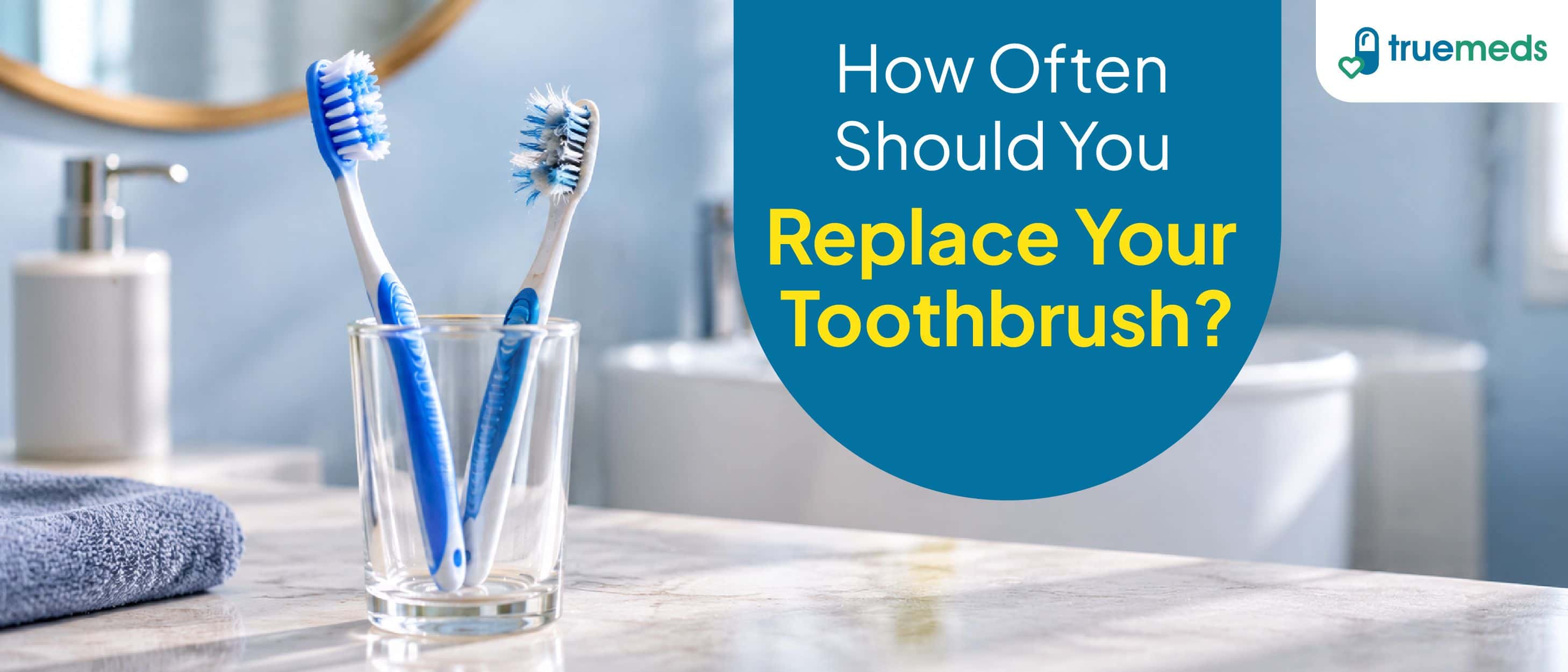
However, bristle condition is also an important indicator of when to replace your toothbrush[3]. If your bristles look matted, splayed, or visibly worn before the three-month mark, replace your brush immediately. The effectiveness of your toothbrush decreases as bristles become worn, meaning you may not be cleaning your teeth as thoroughly as you think[1].
Children's toothbrushes may need more frequent replacement, as children often brush more aggressively. Check bristle condition regularly rather than waiting for a set time period.
Signs your toothbrush needs to be replaced sooner
Visual inspection can tell you when your toothbrush has worn out before the standard three to four months. Watch for these cues that suggest immediate replacement is needed[1]:
- Frayed or splayed bristles: When bristles no longer stand upright and fan outward, they cannot reach between teeth or along the gumline effectively
- Matted appearance: Bristles clumped together indicate excessive wear and reduced cleaning ability
- Discolouration: Visible staining on bristles may indicate bacterial buildup
- Bent or irregular bristles: Physical damage to bristles compromises their cleaning effectiveness
After recovering from an infection affecting your mouth or throat, consider replacing your toothbrush. While reinfection from your own toothbrush is uncommon, a fresh brush may provide peace of mind during recovery.
Consult your dentist for personalised guidance on toothbrush replacement timing.
How many germs are really on your toothbrush?
Yes, your toothbrush can harbour a variety of microorganisms, including bacteria such as faecal coliforms. Before you worry, here is the reassuring part: there is no evidence that these bacteria cause adverse health effects in people with healthy immune systems[1].
Toothbrushes can become contaminated from multiple sources, including your own mouth (which naturally contains bacteria), bathroom surfaces, and bio-aerosols released during toilet flushing[4]. However, your mouth already contains billions of bacteria, and introducing small amounts from your toothbrush does not typically cause problems[1].
If you have a weakened immune system, consult your dentist about additional toothbrush hygiene measures.
Does toilet flushing really contaminate your toothbrush?
This common concern has scientific backing. Research confirms that toilet flushing does release aerosol particles into the bathroom environment. Studies have shown that these aerosols can contaminate surfaces close to the toilet, including floors, seats, and lids[4].
However, the solution may not be as simple as closing the lid. A study found that viral particles spread to restroom surfaces during flushing regardless of whether the toilet lid was up or down. The research indicated that disinfection of restroom surfaces may be necessary to reduce viral cross-contamination, rather than relying on closing the lid before flushing[5].
The practical takeaway: keeping your toothbrush away from the toilet and maintaining clean bathroom surfaces can help reduce potential exposure to contamination[4],[5]. If your bathroom layout places your toothbrush holder near the toilet, consider relocating it to a cabinet or another room.
How to properly care for your toothbrush between replacements
Proper storage and daily care can help maintain your toothbrush's effectiveness between replacements. Here are the recommended practices[3]:
- Rinse thoroughly after each use: Clean your toothbrush with tap water to remove any remaining toothpaste and debris after brushing.
- Store upright: Keep your toothbrush in an upright position to allow water to drain away from the bristles and promote air drying.
- Allow complete air drying: Do not routinely cover toothbrushes or store them in closed containers. A moist enclosed environment promotes bacterial growth more than exposure to open air.
- Separate from other brushes: If storing multiple toothbrushes together in one holder, ensure they are separated to prevent bristles from touching and causing cross-contamination.
What you should avoid: sharing toothbrushes with family members or partners, as this can transfer oral bacteria between individuals. Each household member should have their own clearly identified toothbrush.
For personalised advice on oral hygiene practices, consult your dentist.
Conclusion
Knowing how often you should replace your toothbrush can help you maintain effective daily oral hygiene. As a general rule, replace your toothbrush or electric toothbrush head every three to four months, or sooner if the bristles become frayed, splayed, or matted. Between replacements, rinse your brush thoroughly, store it upright, and allow it to air dry. These simple habits can help keep your toothbrush clean and effective.
FAQs
Can an old toothbrush actually make you sick?
While toothbrushes harbour bacteria, there is no clinical evidence linking this contamination to illness in healthy people. However, worn bristles clean less effectively, so timely replacement supports better overall oral hygiene.
Do I really need to replace my toothbrush every 3 months?
Yes, dental authorities recommend replacement every three to four months because bristle effectiveness decreases with use. Replace sooner if bristles appear frayed, splayed, or matted.
Can I use the same toothbrush for 2 years?
This is not recommended. A toothbrush used for two years will have significantly worn bristles that cannot effectively remove plaque. For optimal oral hygiene, follow the three- to four-month replacement guideline.
Should you replace your toothbrush after being sick?
Consider replacement after mouth or throat infections for peace of mind. For common colds, replacement is less critical because reinfection from your own toothbrush is uncommon.
Does soaking your toothbrush in mouthwash or boiling water disinfect it?
Standard guidance focuses on rinsing with tap water and allowing complete air drying. If concerned about hygiene, replacing your toothbrush is more practical than attempting disinfection methods.
Is it safe to share a toothbrush with a partner or family member?
No, sharing toothbrushes can transfer bacteria and other microorganisms between individuals. Each family member should have their own clearly identified toothbrush.
Do electric toothbrush heads need to be replaced as often as manual brushes?
Yes, electric toothbrush heads should be replaced every three to four months, following the same guidelines as manual toothbrushes. Watch for the same signs of bristle wear.
Does closing the toilet lid before flushing actually help?
Research suggests closing the lid alone may not significantly reduce aerosol spread. Disinfecting toilet surfaces and storing your toothbrush away from the toilet area may be more effective strategies.
Medical Disclaimer
This article is for informational purposes only and does not constitute medical advice. The information provided should not be used for diagnosing or treating health conditions. Always consult a qualified healthcare provider for diagnosis, treatment, and personalised medical advice. Do not disregard professional medical advice or delay seeking it because of information found in this article. If you have a medical emergency, contact your doctor or emergency services immediately.
References
American Dental Association. (n.d.). Toothbrushes. American Dental Association. https://www.ada.org/resources/ada-library/oral-health-topics/toothbrushes
NHS Kent Community Health. (2025). Brushing your teeth. NHS Kent Community Health. https://www.kentcht.nhs.uk/leaflet/brushing-your-teeth/
American Dental Association. (n.d.). Toothbrushes. MouthHealthy. https://www.mouthhealthy.org/all-topics-a-z/toothbrushes
PMC. (2025). Toothbrush contamination by toilet plumes. National Center for Biotechnology Information. https://www.ncbi.nlm.nih.gov/pmc/articles/PMC12357730/