

- Medicines
- Personal Care
- Skin Cream
- Sunscreen
- Face Wash
- Skin and Body Soap
- Acne Care
- Body Lotions
- Moisturising Lotion
- Moisturising Cream
- Mosquito Repellent
- Moisturising Gel
- Body Wash
- Hair Oils
- Hair Shampoo
- Hair Conditioners
- Hair Supplements
- Hair Colour
- Hair Serum
- Hair Mask
- Hair Solutions
- Baby Diapers and Wipes
- Baby Lotion and Moisturising Cream
- Baby Bath Essentials
- Baby Skin Care
- Baby and Infant Food
- Baby Healthcare
- Women Multivitamins
- Ovulation Test Kit and Women Intimate Care
- Sanitary Pads
- Nutritional Drinks
- Condoms
- Lubricants
- Massage Gels
- Personal Body Massagers
- Men Performance Booster
- Sexual Health Supplements
- Massage Oils
- Ayurveda
- Tooth Paste
- Mouth Ulcer Gel
- Mouthwash
- Toothache and Gum Pain
- Tooth Brush
- Gargle Solution
- Orthopaedic Supports
- Adult Diapers
- Footwear
- Mobility and Support Accessories
- Urinary Support and Care
- Health Conditions
- Bone and Joint Care
- Digestive Care
- Eye Care
- Pain Relief
- Smoking Cessation
- Liver Care
- Stomach Care
- Cold and Cough
- Heart Care
- Kidney Care
- Piles, Fissures & Fistula
- Respiratory Care
- Mental Wellness
- Derma Care
- Pre and Probiotics
- Acidity
- Gas
- Constipation
- Loose Motion/Diarrhoea
- Digestive Fibres
- Digestive Enzymes
- Eye Lubricant Drops
- Lens Solution
- Safety Eye Wear
- Eye Cream
- Eye Vitamins and Supplements
- Eye Drops
- Eye Ointment and Gel
- Nicotine Patch
- Nicotine Gum
- Nicotine Lozenges
- Cough Syrups
- Chest Rubs and Balms
- Nasal Spray
- Lozenges
- Inhalant Capsules
- Cold and Cough Tablets
- Vitamins & Supplements
- Diabetes Care
- Healthcare Devices
- Homeopathic Medicine
- Health Guide
Heel Pain
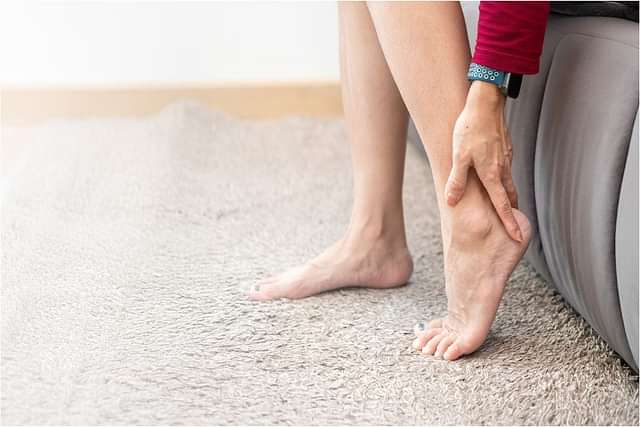
Heel pain is a common condition that can cause significant discomfort in the foot and ankle during daily activities. Heel pain can be caused by local, referred, and systemic issues. Effective heel pain diagnosis and management involve a comprehensive approach, including lifestyle modifications, medical interventions, and surgical interventions when necessary.
 50
50Last updated on : 12 Apr, 2026
Read time : 11 mins
Overview of Disease
Heel pain is a common complaint among patients seeking medical attention for foot-related issues. It can significantly impact an individual's quality of life, affecting their ability to walk, stand, or engage in daily activities comfortably. Understanding the various causes, symptoms, and treatment options for heel pain is crucial for the effective management and prevention of this condition.
What is Heel Pain?
Heel pain refers to discomfort or tenderness experienced in any part of the heel area. Depending on the underlying cause, heel pain can occur beneath or at the back of the heel.
Heel pain is not a standalone diagnosis, but rather a symptom of various conditions, including plantar fasciitis, Achilles tendinitis, bone spurs, and bursitis (Flores et al., 2024).
Understanding the specific location and nature of the pain is crucial in determining the appropriate course of treatment.
Key Factors about Heel Pain
| Category | Details |
| Also Referred as | Heel Spur Syndrome, Plantar Fasciitis |
| Commonly Occurs In | Adults, athletes, individuals with flat feet or high arches, and overweight or obese individuals |
| Affected Organ | Heel bone, plantar fascia, Achilles tendon |
| Type | Inflammatory, degenerative, traumatic |
| Common Signs | Pain under or at the back of the heel, swelling, redness, warmth |
| Consulting Specialist | Podiatrist, Orthopaedist, Sports Medicine Specialist |
| Treatment Procedures | Rest, physical therapy, medications (NSAIDs, corticosteroids), orthotics, shoe modifications, surgery (in severe cases) |
| Managed By | Nonsteroidal anti-inflammatory drugs (ibuprofen, naproxen), corticosteroids (e.g., prednisone), topical analgesics (diclofenac gel), and other supportive medications as prescribed |
| Mimicking Condition | Tarsal tunnel syndrome, Haglund's deformity |
Symptoms of Heel Pain
The symptoms of heel pain can vary depending on the underlying cause. Some common heel pain symptoms include:
- Sharp or Stabbing Pain: Often felt on the bottom of the heel, especially with the first steps in the morning or after prolonged periods of inactivity. This is commonly associated with plantar fasciitis.
- Aching or Throbbing Sensation: A persistent dull ache or throbbing pain in the heel may worsen with activity or after long periods of standing.
- Pain at the Back of the Heel: Pain located at the back of the heel, where the Achilles tendon attaches, could indicate Achilles tendinitis or bursitis.
- Swelling and Redness: Swelling, redness, or warmth around the heel may accompany inflammation or injury, such as in cases of tendinitis or a heel spur.
- Tenderness to Touch: Increased sensitivity or pain when pressing on specific areas of the heel can signal localised inflammation or irritation.
- Heel Discomfort During Activity: Pain that intensifies during activities such as walking, running, or standing for extended periods. This is often seen in conditions like heel spurs or stress fractures.
- Reduced Range of Motion: Difficulty in moving the ankle or foot, particularly if the pain affects the Achilles tendon or surrounding structures.
- Morning Stiffness: A stiff or tight sensation in the heel and foot upon waking, which may improve with movement throughout the day. This is typical of conditions like plantar fasciitis.
Recognising these symptoms can help in the early detection and management of heel pain.
Causes of Heel Pain
Heel pain can arise from a variety of factors, including overuse, poor footwear, biomechanical issues, and injuries. Some of the most common heel pain causes include:
- Plantar Fasciitis: Inflammation of the thick band of tissue that runs along the bottom of the foot, connecting the heel bone to the toes.
- Achilles Tendinitis: Inflammation of the Achilles tendon, which connects the calf muscles to the heel bone.
- Bone Spurs: Bony growths that develop on the underside of the heel bone, often as a result of chronic inflammation or excessive strain.
- Bursitis: Inflammation of the small, fluid-filled sacs (bursae) that cushion the bones and tendons around the heel.
- Stress Fractures: Tiny cracks in the heel bone caused by repetitive stress or overuse.
- Tarsal Tunnel Syndrome: Compression of the tibial nerve as it passes through the tarsal tunnel in the ankle, causing pain and numbness in the heel.
- Sprains and Strains: Sprains and strains in the foot or ankle can cause heel pain due to the stress placed on surrounding ligaments and muscles.
- Ankylosing Spondylitis: This is a type of inflammatory arthritis that primarily affects the spine but can also lead to heel pain. The inflammation can affect the entheses (the sites where tendons attach to bone), resulting in heel discomfort (NHS, 2023).
- Osteochondroses: These are a group of disorders affecting the growth of bones in children and adolescents. Conditions such as Sever's disease, which affects the heel, occur when the growth plate in the heel becomes inflamed.
- Reactive Arthritis: This is a type of inflammatory arthritis that occurs as a reaction to an infection in another part of the body, often involving the genital or urinary tract. This condition can lead to heel pain due to inflammation in the joints or tendons.
Identifying the specific cause of heel pain is essential for determining the most effective treatment approach.
Risk Factors
Certain factors can increase your risk of developing heel pain. These include:
- Overweight or obese individuals
- Those with foot and ankle arthritis, flat feet, or high arches
- Runners, dancers, and individuals who participate in high-impact activities
- People with improper or worn-out footwear
- Those with a sedentary lifestyle who suddenly engage in physical activity
- Individuals with tight Achilles tendons or calf muscles
- Those with occupations requiring prolonged standing
Who Is at Risk?
Certain groups are more susceptible to experiencing heel pain:
- Pregnant women
- Women, particularly those who frequently wear high heels
- People between the ages of 40 and 70
- Those with tight calf muscles
- Individuals who wear high heels or shoes with thin soles or no arch support
- Those who stand for long periods, especially on hard surfaces
Individuals with these risk factors should be particularly mindful of their foot health and take steps to prevent or manage heel pain. Early intervention can help avoid the development of more serious complications.
Complications
Untreated heel pain can lead to several complications. Here are some of the heel pain complications:
- Chronic Pain: Persistent heel pain can develop into a chronic condition, resulting in ongoing discomfort that impacts daily activities. Chronic pain can hinder participation in physical activities, leading to a sedentary lifestyle.
- Altered Gait: Compensating for heel pain can lead to an altered gait, where individuals change their walking patterns to avoid discomfort. This can place additional stress on other joints, such as the knees, hips, and lower back, potentially leading to further pain and injuries.
- Reduced Physical Activity: Heel pain may cause individuals to limit their physical activities, leading to decreased strength, flexibility, and overall fitness. This reduction can contribute to weight gain and associated health issues.
- Deformities: In some cases, prolonged heel pain can lead to structural changes in the foot, such as changes in arch height or the development of bunions. These deformities can further complicate foot mechanics and lead to additional pain.
- Development of Other Conditions: Chronic heel pain may worsen underlying conditions or contribute to ongoing strain on the foot and lower limbs, potentially leading to additional musculoskeletal issues.
- Need for Surgical Intervention: In some cases, if conservative treatments fail, surgical intervention may become necessary to address the underlying cause of heel pain. This can involve risks associated with surgery and extended recovery times.
Recognising and addressing heel pain symptoms early on is crucial to prevent these complications from developing and to maintain overall foot health and well-being.
Prevention of Heel Pain
While heel pain can be a frustrating and debilitating condition, there are several steps you can take to prevent its occurrence.
Here are some of the heel pain prevention methods:
- Stretch Regularly: Engage in exercises that stretch the calf muscles and plantar fascia to maintain flexibility and reduce the risk of heel pain.
- Wear Supportive Shoes: Choose shoes with good arch support and cushioning to provide adequate support to your feet and absorb shock.
- Maintain a Healthy Weight: Managing body weight can help reduce the pressure on your heels and prevent the development of heel pain.
- Gradually Increase Activity: Avoid sudden changes in exercise intensity or duration, as this can strain the muscles and ligaments in your feet.
- Use Orthotics: Consider using custom-made shoe inserts or orthotics to redistribute pressure and alleviate stress on the heel.
By incorporating these heel pain prevention measures into your daily routine, you can significantly reduce your risk of developing heel pain.
Diagnosis & Tests
To accurately diagnose the cause of heel pain, doctors typically begin with a thorough clinical evaluation and physical examination. The steps involved in heel pain diagnosis include:
- Assess Symptoms: The doctor will evaluate the specific location, timing, and nature of the pain. Patients often report symptoms of heel pain, such as soreness or tenderness in the heel area, which can range from mild to severe.
- Physical Examination: The doctor will gather information about the onset and characteristics of the pain, factors that alleviate or exacerbate the heel pain symptoms, recent changes in activity levels, and any related medical conditions. This information helps narrow down the potential heel pain causes.
- Diagnostic Imaging: The doctor may recommend diagnostic imaging, such as X-rays, to rule out bone abnormalities or fractures. Ultrasound or MRI may be used to evaluate soft tissue issues, such as inflammation of the plantar fascia or Achilles tendon.
Treatment & Management
Managing heel pain involves a multi-faceted approach that combines various non-surgical treatments to alleviate pain, reduce inflammation, improve flexibility, and minimise stress and strain on the heel. The following treatment lines are commonly employed:
1. Medications
Anti-inflammatory or pain-relieving medications may be prescribed to manage discomfort. Medications commonly used to reduce heel pain include nonsteroidal anti-inflammatory drugs (NSAIDs) like ibuprofen or naproxen, which help relieve inflammation and pain. In some cases, corticosteroid injections may be recommended for more severe discomfort. Topical analgesics such as diclofenac gel can also provide localised relief. Additionally, muscle relaxants or neuropathic pain medications may be considered in selected cases where nerve involvement is suspected.
2. Orthotics and Supports
The use of shoe inserts, heel cups, or orthotics can help redistribute pressure and reduce strain on the heel.
3. Stretching and Exercise
Engaging in exercises that stretch and strengthen the foot and ankle muscles can improve flexibility and reduce pain.
4. Ice and Heat Therapy
Applying ice can help reduce inflammation, while heat therapy may help relax surrounding muscles and improve comfort.
5. Footwear Modifications
Wearing shoes with good arch support and cushioning can reduce pressure on the heel.
6. Physiotherapy
Engaging in physical therapy can improve the range of motion and strength in the affected area.
7. Surgery
In rare cases where heel pain persists despite conservative treatments or if complications, such as a tendon tear, occur, surgery may be necessary.
Patients are advised to avoid activities that aggravate the pain and allow the foot sufficient time to recover. To prevent the recurrence of heel pain, it is crucial to maintain foot and heel flexibility through regular stretching exercises and to wear supportive, well-fitting footwear. By adopting these preventive measures, individuals can reduce their risk of developing heel pain in the future.
When to See a Doctor?
If you are experiencing persistent or severe heel pain, it is crucial to consult a doctor for proper diagnosis and treatment. Some key signs that indicate you should seek medical attention include:
- Sharp, stabbing pain in the heel
- Intense pain in the morning
- Swelling in the foot or heel
- Stiffness in the foot or Achilles tendon
- Lack of improvement with home remedies
- Worsening pain over time
Your doctor can prescribe pain medication for short-term relief or recommend other specialised treatments, depending on the severity and underlying cause of your heel pain.
Key Takeaways
- Heel pain, particularly plantar fasciitis, can be effectively managed with nonsteroidal anti-inflammatory drugs (NSAIDs) and corticosteroid injections.
- NSAIDs, such as ibuprofen, naproxen, and sulindac, reduce pain and inflammation by inhibiting prostaglandin synthesis and cyclooxygenase activity.
- Corticosteroid injections are used to deliver a potent anti-inflammatory agent directly to the site of inflammation, providing localised relief from pain and inflammation.
- Epsom salt soaks may help relieve heel pain, but it is essential to consult with a healthcare professional before using this treatment.
- If you experience persistent heel pain that worsens over time or interferes with your daily activities, it is important to consult with a doctor for proper evaluation and treatment.
FAQs
How to relieve heel pain?
To find relief from heel pain, rest the affected foot, perform stretching exercises, apply ice, use over-the-counter pain medications, and wear supportive footwear or inserts.
Is heel pain due to uric acid?
While uric acid is linked to gout, which can cause foot pain, it is not directly associated with common causes of heel pain, like plantar fasciitis.
What deficiency causes heel pain?
Heel pain may be associated with vitamin D deficiency, as it affects bone health and can contribute to conditions like osteomalacia. However, heel pain is often more commonly linked to conditions like plantar fasciitis or Achilles tendinitis.
Is heel pain related to kidney?
Heel pain is not usually directly related to kidney issues, but conditions like gout might cause joint pain, including in the heels. If heel pain persists, it's best to consult a doctor to rule out underlying causes.
What vitamin is good for heel pain?
Vitamin D is beneficial for heel pain as it supports bone health and helps prevent conditions like osteomalacia, which can contribute to heel discomfort. Additionally, vitamin B12 may aid in nerve health and reduce pain in some cases.
References
- American Academy of Orthopaedic Surgeons. (2023). Plantar fasciitis and bone spurs. https://orthoinfo.aaos.org/en/diseases--conditions/plantar-fasciitis-and-bone-spurs/
- Hamstra-Wright, K. L., Huxel Bliven, K. C., Bay, R. C., & Aydemir, B. (2021). Risk factors for plantar fasciitis in physically active individuals: A systematic review and meta-analysis. Sports Health. https://pmc.ncbi.nlm.nih.gov/articles/PMC8083151/
- StatPearls. (2022). Plantar heel pain. https://www.ncbi.nlm.nih.gov/books/NBK499868/
- Flores, D. V., Goes, P. K., Damer, A., & Huang, B. K. (2024). The heel complex: anatomy, imaging, pathologic conditions, and treatment. Radiographics, 44(4). https://doi.org/10.1148/rg.230163
- NHS. (2023). Ankylosing spondylitis – Symptoms. https://www.nhs.uk/conditions/ankylosing-spondylitis/symptoms/
Browse Other Conditions
Latest health articles

Top Health Essentials













Disclaimer
Top-Selling Medicines:
...View more
Top-OTC medicines:
...View more
Company
About UsHealth ArticleHealth StoriesHealth LibraryDiseases & Health ConditionsAyurvedaUnderstanding Generic MedicinesAll MedicinesAll BrandsNeed HelpFAQSecuritySavings CalculatorAdvertise with UsSubscribe
Registered Office Address
Grievance Officer
Download Truemeds


Contact Us
Our customer representative team is available 7 days a week from 9 am - 9 pm.
v4.28.14

2026 - Truemeds | All rights reserved. Our content is for informational purposes only. See additional information.

Our Payment Partners