

- Medicines
- Personal Care
- Skin Cream
- Sunscreen
- Face Wash
- Skin and Body Soap
- Acne Care
- Body Lotions
- Moisturising Lotion
- Moisturising Cream
- Mosquito Repellent
- Moisturising Gel
- Body Wash
- Hair Oils
- Hair Shampoo
- Hair Conditioners
- Hair Supplements
- Hair Colour
- Hair Serum
- Hair Mask
- Hair Solutions
- Baby Diapers and Wipes
- Baby Lotion and Moisturising Cream
- Baby Bath Essentials
- Baby Skin Care
- Baby and Infant Food
- Baby Healthcare
- Women Multivitamins
- Ovulation Test Kit and Women Intimate Care
- Sanitary Pads
- Nutritional Drinks
- Condoms
- Lubricants
- Massage Gels
- Personal Body Massagers
- Men Performance Booster
- Sexual Health Supplements
- Massage Oils
- Ayurveda
- Tooth Paste
- Mouth Ulcer Gel
- Mouthwash
- Toothache and Gum Pain
- Tooth Brush
- Gargle Solution
- Orthopaedic Supports
- Adult Diapers
- Footwear
- Mobility and Support Accessories
- Urinary Support and Care
- Health Conditions
- Bone and Joint Care
- Digestive Care
- Eye Care
- Pain Relief
- Smoking Cessation
- Liver Care
- Stomach Care
- Cold and Cough
- Heart Care
- Kidney Care
- Piles, Fissures & Fistula
- Respiratory Care
- Mental Wellness
- Derma Care
- Pre and Probiotics
- Acidity
- Gas
- Constipation
- Loose Motion/Diarrhoea
- Digestive Fibres
- Digestive Enzymes
- Eye Lubricant Drops
- Lens Solution
- Safety Eye Wear
- Eye Cream
- Eye Vitamins and Supplements
- Eye Drops
- Eye Ointment and Gel
- Nicotine Patch
- Nicotine Gum
- Nicotine Lozenges
- Cough Syrups
- Chest Rubs and Balms
- Nasal Spray
- Lozenges
- Inhalant Capsules
- Cold and Cough Tablets
- Vitamins & Supplements
- Diabetes Care
- Healthcare Devices
- Homeopathic Medicine
- Health Guide
Musculoskeletal
Musculoskeletal disorders (MSDs) are conditions affecting muscles, joints, bones, tendons, ligaments, and nerves, often causing pain and restricted movement. Common causes include injury, repetitive strain, poor posture, aging, or underlying health conditions like arthritis. MSDs primarily affect the back, neck, shoulders, wrists, and knees. Common types are carpal tunnel syndrome, tendonitis, sprains, and osteoarthritis. Symptoms include stiffness, swelling, numbness, and aching. Treatment often combines physical therapy, medications, and ergonomic adjustments, while severe cases may require surgery. Preventive steps, such as regular exercise, maintaining good posture, and using ergonomic tools, help reduce the risk of developing MSDs.
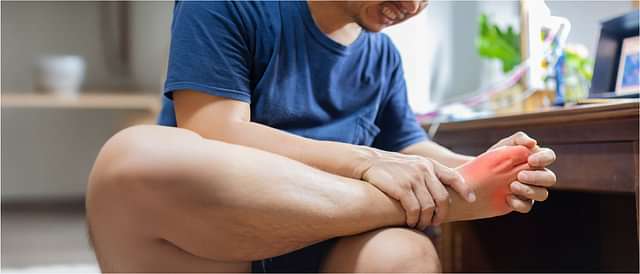
Gout, a form of inflammatory arthritis, occurs when uric acid crystals accumulate in the joints, causing severe pain, swelling, and redness. It is a chronic condition that can cause recurrent episodes of acute joint pain and, if left untreated, may result in permanent joint damage. Gout is often managed through lifestyle changes, medications, and, in some cases, surgery.
30th Oct 2024
|
12 mins read
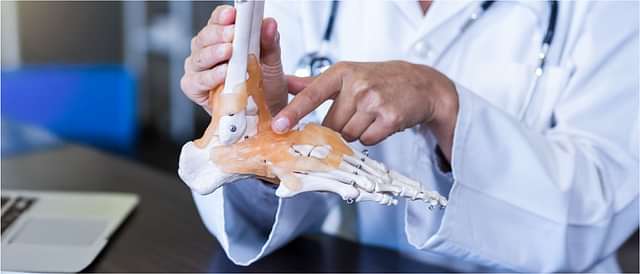
Osteomalacia is a metabolic bone disorder characterised by softening and weakening of bones due to impaired bone mineralisation. It primarily affects adults and is often caused by inadequate levels of vitamin D, calcium, or phosphate. Common symptoms include bone pain, fragility fractures, proximal muscle weakness, and difficulty walking.
6th Nov 2024
|
12 mins read
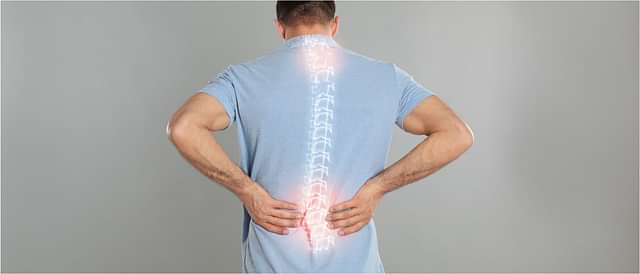
Osteoporosis is a skeletal disorder characterised by low bone mass and deterioration of bone tissue, leading to increased bone fragility and risk of fractures. It is a progressive condition that can be assessed using bone mineral density (BMD) measurements based on WHO T-score criteria, rather than ‘stages.’Various types of osteoporosis exist, including primary osteoporosis and secondary osteoporosis. Osteogenesis imperfecta and idiopathic juvenile osteoporosis are distinct conditions that can cause low bone density and should not be classified as types of osteoporosis. Early diagnosis and appropriate management are crucial to prevent fractures and maintain quality of life.
6th Nov 2024
|
13 mins read
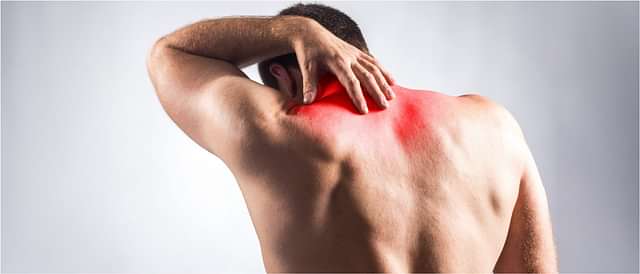
Muscle cramps (muscle spasms) are sudden, involuntary, painful contractions of skeletal muscle (not smooth muscle). They are usually episodic and affect voluntary (skeletal) muscles, most commonly the calves, thighs, feet, and hands. Abdominal “cramps” related to bowel spasms are usually due to smooth-muscle activity (visceral) and should be described separately (Bordoni et al., 2023)
11th Nov 2024
|
13 mins read
Latest health articles

Top Health Essentials
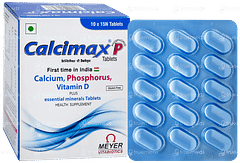
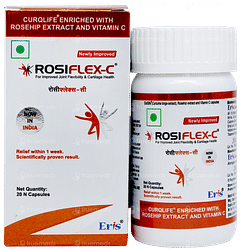
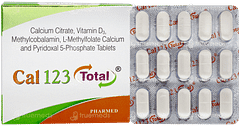
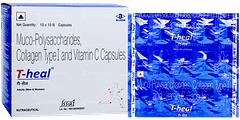
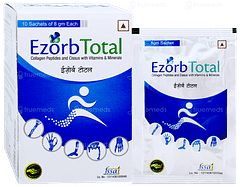
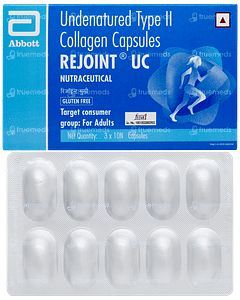
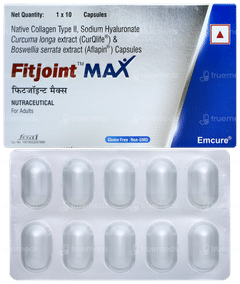
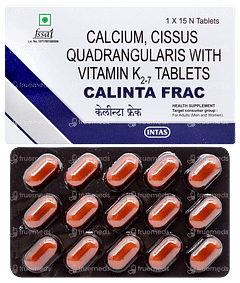












Top-Selling Medicines:
...View more
Top-OTC medicines:
...View more
Company
About UsHealth ArticleHealth StoriesHealth LibraryDiseases & Health ConditionsAyurvedaUnderstanding Generic MedicinesAll MedicinesAll BrandsNeed HelpFAQSecuritySavings CalculatorAdvertise with UsSubscribe
Registered Office Address
Grievance Officer
Download Truemeds


Contact Us
Our customer representative team is available 7 days a week from 9 am - 9 pm.
v4.28.13

2026 - Truemeds | All rights reserved. Our content is for informational purposes only. See additional information.

Our Payment Partners