

- Medicines
- Personal Care
- Skin Cream
- Sunscreen
- Face Wash
- Skin and Body Soap
- Acne Care
- Body Lotions
- Moisturising Lotion
- Moisturising Cream
- Mosquito Repellent
- Moisturising Gel
- Body Wash
- Hair Oils
- Hair Shampoo
- Hair Conditioners
- Hair Supplements
- Hair Colour
- Hair Serum
- Hair Mask
- Hair Solutions
- Baby Diapers and Wipes
- Baby Lotion and Moisturising Cream
- Baby Bath Essentials
- Baby Skin Care
- Baby and Infant Food
- Baby Healthcare
- Women Multivitamins
- Ovulation Test Kit and Women Intimate Care
- Sanitary Pads
- Nutritional Drinks
- Condoms
- Lubricants
- Massage Gels
- Personal Body Massagers
- Men Performance Booster
- Sexual Health Supplements
- Massage Oils
- Ayurveda
- Tooth Paste
- Mouth Ulcer Gel
- Mouthwash
- Toothache and Gum Pain
- Tooth Brush
- Gargle Solution
- Orthopaedic Supports
- Adult Diapers
- Footwear
- Mobility and Support Accessories
- Urinary Support and Care
- Health Conditions
- Bone and Joint Care
- Digestive Care
- Eye Care
- Pain Relief
- Smoking Cessation
- Liver Care
- Stomach Care
- Cold and Cough
- Heart Care
- Kidney Care
- Piles, Fissures & Fistula
- Respiratory Care
- Mental Wellness
- Derma Care
- Pre and Probiotics
- Acidity
- Gas
- Constipation
- Loose Motion/Diarrhoea
- Digestive Fibres
- Digestive Enzymes
- Eye Lubricant Drops
- Lens Solution
- Safety Eye Wear
- Eye Cream
- Eye Vitamins and Supplements
- Eye Drops
- Eye Ointment and Gel
- Nicotine Patch
- Nicotine Gum
- Nicotine Lozenges
- Cough Syrups
- Chest Rubs and Balms
- Nasal Spray
- Lozenges
- Inhalant Capsules
- Cold and Cough Tablets
- Vitamins & Supplements
- Diabetes Care
- Healthcare Devices
- Homeopathic Medicine
- Health Guide
Pernicious Anaemia
Pernicious anaemia is an autoimmune disorder that hinders the body's ability to absorb vitamin B12, leading to a deficiency. It is caused by a lack of intrinsic factor, a protein necessary for B12 absorption, resulting in decreased red blood cell production. Symptoms may develop slowly and worsen over time, requiring prompt diagnosis and treatment to prevent serious complications.
 50
50Last updated on : 05 May, 2026
Read time : 12 mins
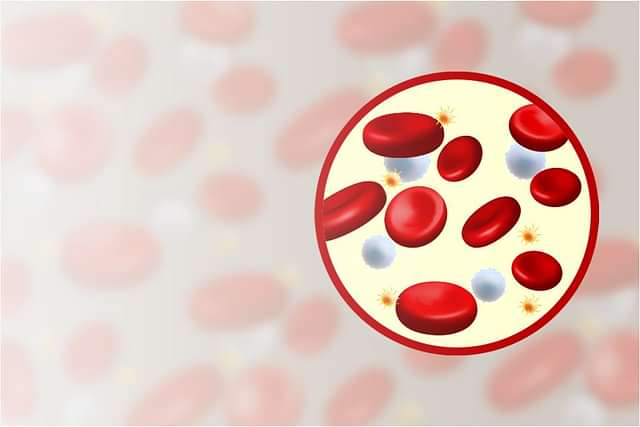
Overview of Disease
Pernicious anaemia is a serious medical condition that occurs when the body cannot absorb enough vitamin B12 from food. This deficiency is caused by a lack of intrinsic factor, a protein essential for vitamin B12 absorption.
The lack of intrinsic factor usually results from an autoimmune reaction that destroys parietal cells. It can also occur due to autoantibodies targeting intrinsic factor directly. Understanding the causes and symptoms of pernicious anaemia is crucial for early diagnosis and treatment.
What is Pernicious Anaemia?
Pernicious anaemia is an autoimmune disorder in which the body's immune system mistakenly attacks and destroys the cells in the stomach that produce intrinsic factor.
Intrinsic factor is a protein that binds to vitamin B12 and enables its absorption in the small intestine. Without sufficient intrinsic factor, the body cannot absorb enough vitamin B12. This leads to a decrease in the production of healthy red blood cells, resulting in anaemia and various other symptoms.
Key Factors about Pernicious Anaemia
| Category | Details |
| Also Referred to as | Vitamin B12 deficiency anaemia, Biermer's anaemia, Addison's anaemia, Addison–Biermer anaemia |
| Commonly Occurs In | For people of Northern European descent, women, typically after age 30, the average age of diagnosis is 60 |
| Affected Organ | Stomach, intestines, nervous system, blood cells |
| Type | Autoimmune disorder leading to megaloblastic anaemia |
| Common Signs | Fatigue, weakness, shortness of breath, pale skin, numbness in hands and feet, sore tongue, confusion, poor reflexes |
| Consulting Specialist | Haematologist |
| Treatment Procedures | Initiate treatment with vitamin B12 (cobalamin); higher doses for CNS impairment; lifelong supplementation |
| Managed By | Hydroxocobalamin or cyanocobalamin injections |
| Mimicking Condition | Other conditions like cardiac, renal, genitourinary, gastrointestinal, infectious, |
Types of Pernicious Anaemia
There are several types of pernicious anaemia, each with its unique characteristics and causes:
1. Autoimmune Pernicious Anaemia
This is the most common type of pernicious anaemia. It is caused by an autoimmune reaction that destroys the stomach cells responsible for producing intrinsic factor.
2. Congenital Pernicious Anaemia
A rare form of the disease occurs when babies are born lacking the ability to produce effective intrinsic factor.
3. Juvenile Pernicious Anaemia
This type of pernicious anaemia appears in children and young adults, often presenting with more severe symptoms than the adult form.
4. Genetic Pernicious Anaemia
Some cases of pernicious anaemia are linked to genetic predisposition, particularly in families with a history of the disease.
Understanding the different types of pernicious anaemia can help healthcare professionals provide targeted treatment and management strategies for affected individuals.
Early Signs of Disease
The early signs of pernicious anaemia can be quite subtle and may develop gradually over time.
- Fatigue is often one of the first noticeable symptoms, along with a general feeling of weakness and lightheadedness.
- Shortness of breath, especially during physical activity, is another common early sign.
These symptoms may be mild initially and can be easily overlooked or attributed to other factors such as stress or ageing. As vitamin B12 levels drop, symptoms worsen and become more noticeable, leading individuals to seek medical attention.
Symptoms of Pernicious Anaemia
Pernicious anaemia can cause a wide range of symptoms, categorised into several groups.
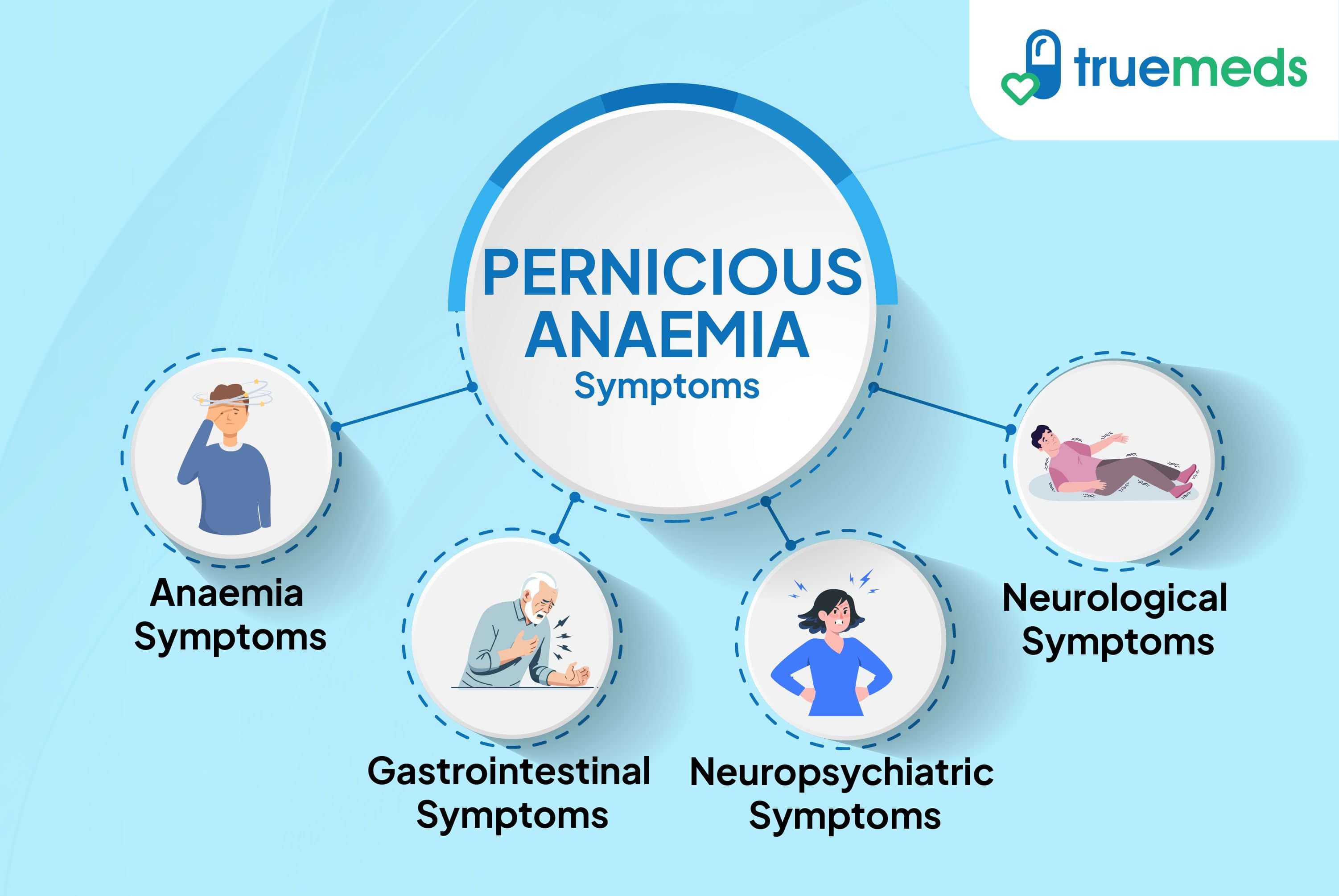
1. Anaemia Symptoms
Extreme tiredness, shortness of breath, dizziness, pale skin, cold hands and feet, and chest pain are common signs.
2. Neurological Symptoms
Tingling or numbness in the extremities, muscle weakness, unsteady gait, balance problems, reduced reflexes, difficulty walking, confusion, dementia, depression, and memory loss can occur.
3. Gastrointestinal Symptoms
Loss of appetite, nausea, vomiting, heartburn, diarrhoea, and weight loss are possible gastrointestinal symptoms.
4. Neuropsychiatric Symptoms
Memory and concentration problems, irritability, personality changes, psychosis, and delirium may be present.
Prompt treatment of pernicious anaemia is essential to manage these symptoms and prevent further complications.
Stages of Pernicious Anaemia
The progression of pernicious anaemia is typically slow and may be challenging to recognise due to the gradual development of symptoms. The disease can advance through several stages:
1. Early Stage
At this stage, the body begins to produce fewer red blood cells due to a lack of vitamin B12. This leads to mild symptoms such as fatigue and weakness.
2. Intermediate Stage
As the disease progresses, symptoms such as shortness of breath, dizziness, and pale skin become more noticeable. Neurological issues, such as numbness in the hands and feet, may also develop.
3. Advanced Stage
If left untreated, pernicious anaemia can lead to serious complications, such as neurological damage and heart problems. It also raises the risk of gastric cancer and other gastrointestinal disorders.
Recognising the stages of pernicious anaemia is essential for timely intervention and management.
Causes of Pernicious Anaemia
Pernicious anaemia occurs when the body can't absorb vitamin B12 due to a lack of intrinsic factor (IF), leading to a deficiency (Vaqar & Shackelford,2023)
1. Lack of Intrinsic Factor
The primary cause is the inability to absorb B12 due to insufficient intrinsic factor necessary for B12 absorption.
2. Genetic Component and Autoimmune Disorders
In some cases, pernicious anaemia has a genetic link or occurs alongside autoimmune disorders like type 1 diabetes and Crohn’s disease.
3. Surgical Removal
Surgical removal of parts of the stomach or intestines can lead to B12 malabsorption, resulting in pernicious anaemia.
4. Certain Medications
Long-term use of medications such as proton pump inhibitors or metformin may contribute to vitamin B12 deficiency but do not directly cause pernicious anaemia.
5. Strict Vegan Diet
A strict vegan diet without proper B12 supplementation can result in vitamin B12 deficiency, contributing to pernicious anaemia.
Risk Factors
Several factors can increase your risk of developing pernicious anaemia:
- Age: Pernicious anaemia is more common in older adults, especially those over 60 years old.
- Family History: Having a family member with pernicious anaemia or other autoimmune disorders increases your risk.
- Autoimmune Diseases: Individuals with autoimmune conditions such as type 1 diabetes, Graves' disease, or Hashimoto's thyroiditis have a higher likelihood of developing pernicious anaemia.
- Gastrointestinal Surgeries: Previous surgeries on the stomach or intestine can affect vitamin B12 absorption.
Awareness of these risk factors is crucial, and any concerns should be discussed with your healthcare provider. Early detection and appropriate treatment for pernicious anaemia can help manage symptoms and prevent complications associated with this condition.
Complications
Pernicious anaemia, if left untreated or not managed properly, can lead to several significant complications.
1. Neurological Changes
Vision issues, memory loss, pins and needles, and ataxia can occur and may become irreversible without prompt treatment.
2. Peripheral Nerve Damage
Numbness in the arms and legs, along with unsteady gait, muscle weakness, depression, and dementia, are common complications.
3. Digestive Problems
Vitamin B12 deficiency can cause nausea, vomiting, heartburn, abdominal bloating, gas, constipation, diarrhoea, and loss of appetite.
4. Heart Complications
Anaemia can lead to tachycardia, heart failure, arrhythmias, and an increased risk of heart attack due to an enlarged heart.
5. Increased Cancer Risk
Individuals with pernicious anaemia are at higher risk of developing gastric cancer, polyps, and gastric carcinoid tumours.
6. Bone Health
Vitamin B12 deficiency weakens bones, raising the risk of fractures in the back, upper leg, and upper forearm.
7. Temporary Infertility
Vitamin B12 deficiency can cause temporary infertility, which may improve with proper treatment.
8. Pregnancy Risks
Untreated vitamin B12 deficiency in pregnancy increases the risk of neural tube defects, such as spina bifida and anencephaly.
Recognising and addressing these potential complications through accurate diagnosis and treatment is crucial for effectively managing pernicious anaemia.
Prevention of Pernicious Anaemia
Preventing pernicious anaemia can be challenging since an autoimmune process or genetic factors often cause it (Pernicious Anemia: MedlinePlus Medical Encyclopedia, n.d.). However, some general tips can help manage the risk and ensure early detection.
A Diet Rich in Vitamin B12
One crucial aspect is dietary management. Ensuring adequate vitamin B12 intake through foods such as meat, poultry, shellfish, eggs, and dairy products can help prevent deficiency. Strict vegetarians and vegans may need supplements or fortified foods to meet their vitamin B12 needs.
Regular Check-Ups
Regular health check-ups can monitor B12 levels and catch deficiencies early, especially for those with a family history of autoimmune disorders.
Adhering to the recommended treatment plan and follow-up appointments is crucial for effectively managing pernicious anaemia and preventing long-term complications. Early detection and proper management through diagnosis and treatment are key to preventing the progression and complications of pernicious anaemia.
Diagnosis & Tests
Diagnosing pernicious anaemia typically involves a combination of physical examination, medical history, and laboratory tests.
1. Physical Examination
The diagnostic process begins with reviewing symptoms and conducting a physical exam to check for signs of anaemia or neurological changes.
2. Blood Tests
A complete blood count (CBC) can reveal anaemia, indicated by low red blood cell, haemoglobin, and hematocrit levels. A blood smear may also be examined for abnormally large red blood cells (macrocytes), a characteristic sign of vitamin B12 deficiency.
3. Vitamin B12 Level Testing
Tests like serum vitamin B12 and methylmalonic acid (MMA) help confirm vitamin B12 deficiency. Elevated MMA and homocysteine levels indicate a deficiency.
4. Intrinsic Factor Antibody Test
This test detects antibodies against the intrinsic factor, a strong indicator of pernicious anaemia.
5. Schilling Test
This test measures the body’s ability to absorb vitamin B12 by tracking the radioactively labelled B12 in urine. This test is now rarely used in clinical practice due to limited availability; antibody testing and serum markers are preferred.
6. Gastroscopy
A gastroscopy examines the stomach lining for signs of atrophic gastritis or other abnormalities linked to pernicious anaemia.
Once pernicious anaemia is diagnosed, appropriate treatment with vitamin B12 supplementation can be initiated to manage the condition. Regular follow-up with a healthcare provider is necessary to monitor the effectiveness of treatment and make any adjustments to the management plan.
Treatment & Management
The management of pernicious anaemia involves several key steps to restore and maintain adequate vitamin B12 levels.
- Vitamin B12 Injections: Treatment usually starts with intramuscular injections of vitamin B12, such as hydroxocobalamin or cyanocobalamin. These injections are often given daily or every other day for the first few weeks to rapidly correct the deficiency. After the initial correction, maintenance injections are typically given every 2-3 months for the rest of the patient's life. Regular monitoring of vitamin B12 levels and blood counts is necessary to adjust the dosing as needed.
- Dietary Recommendations: Dietary changes can't cure pernicious anaemia, but consuming B12-rich foods like meat, fish, dairy, and eggs helps manage mild deficiencies. With proper management, individuals with pernicious anaemia can lead healthy lives.
Medication for Pernicious Anaemia
The primary medication for pernicious anaemia is vitamin B12, administered in various forms.
- Intramuscular Injections: Hydroxocobalamin or cyanocobalamin injections are the standard treatment, providing rapid and effective vitamin B12 replacement, especially for severe deficiencies.
- Oral Vitamin B12 Supplements: In some patients, high-dose oral vitamin B12 supplements may be prescribed. However, this approach is less effective for those with an intrinsic factor deficiency, a hallmark of pernicious anaemia.
- Alternative Medications: Vitamin B12 may be administered as a nasal spray or gel, but these routes are not typically used for the treatment of pernicious anaemia.
The choice of medication and route of administration depends on the severity of the deficiency, treatment response, and patient preferences. Consult a healthcare provider for the best treatment plan.
When to See a Doctor?
Consult a doctor if you experience any symptoms suggestive of pernicious anaemia or have known risk factors for the condition. Key symptoms requiring medical attention include persistent fatigue, weakness, and shortness of breath. Other signs include dizziness, cold hands and feet, chest pain, and pale or yellow skin. Balance issues and neurological symptoms, such as numbness or tingling in the hands and feet, also warrant concern.
Individuals with a family history of pernicious anaemia, autoimmune disorders, or stomach surgery should be especially cautious. It's important to discuss concerns with a doctor. Early detection and treatment can prevent disease progression and serious complications, including neurological damage or cardiovascular issues.
Key Takeaways
- Pernicious anaemia is an autoimmune condition that affects the body's ability to absorb vitamin B12, leading to a deficiency.
- Common symptoms include fatigue, weakness, pale skin, shortness of breath, and neurological symptoms such as numbness or tingling in the hands and feet.
- Diagnosis involves blood tests to check for anaemia, vitamin B12 levels, and the presence of intrinsic factor and parietal cell antibodies.
- Treatment primarily involves intramuscular injections of vitamin B12, with maintenance doses typically given every 2-3 months for life.
- High-dose oral vitamin B12 (e.g., 1000–2000 mcg daily) can be effective even in intrinsic factor deficiency due to passive absorption.
- Regular monitoring of vitamin B12 levels and blood counts is necessary to adjust treatment as needed.
- Dietary changes alone are not sufficient to treat pernicious anaemia, but consuming foods rich in vitamin B12 can help manage the condition.
- Early diagnosis and proper management are crucial to prevent complications and maintain optimal health in individuals with pernicious anaemia.
FAQs
Is there a cure for pernicious anaemia?
While there is no cure for pernicious anaemia, it can be managed effectively with lifelong vitamin B12 replacement therapy to control symptoms and avoid complications.
How is pernicious anaemia diagnosed?
Pernicious anaemia is diagnosed through a combination of family history, physical examination, blood tests to assess haemoglobin levels and vitamin B12, and specific antibody tests.
What is the difference between megaloblastic anaemia and pernicious anaemia?
Megaloblastic anaemia is a broader term for anaemia caused by vitamin B12 or folate deficiency. However, pernicious anaemia specifically results from impaired vitamin B12 absorption.
How does macrocytic anaemia differ from pernicious anaemia?
Macrocytic anaemia refers to anaemia with large red blood cells, which can have various causes. Pernicious anaemia is a specific type of macrocytic anaemia caused by vitamin B12 deficiency due to intrinsic factor loss.
Can individuals with pernicious anaemia lead normal lives?
Yes, with appropriate treatment involving regular vitamin B12 supplementation, people with pernicious anaemia can live normal lives, preventing serious complications like nerve damage.
Is pernicious anaemia caused by the body's inability to absorb B12?
Yes, pernicious anaemia results from the body's inability to absorb vitamin B12 due to a lack of intrinsic factor, a protein necessary for B12 absorption.
Are there any home remedies for pernicious anaemia?
There are no effective home remedies for pernicious anaemia. Treatment requires medical supervision and regular vitamin B12 supplementation through injections or oral medications.
Can Ayurveda treat pernicious anaemia?
Ayurveda may offer supportive therapies, but scientific evidence is limited. Consulting a healthcare professional for proper diagnosis and treatment is crucial.
What happens to intrinsic factor in pernicious anaemia?
In pernicious anaemia, the body's immune system mistakenly attacks and destroys the cells that produce intrinsic factors. This leads to a deficiency of this essential protein for vitamin B12 absorption.
References
- Besa, E. C., & Woermann, U. (2022). Pernicious anaemia. Medscape. https://emedicine.medscape.com/article/204930-overview
- NHS. (2023). Vitamin B12 or folate deficiency anaemia. https://www.nhs.uk/conditions/vitamin-b12-or-folate-deficiency-anaemia/
- Mouchaileh, N. (2023). Vitamin B12 deficiency in older people: a practical approach to recognition and management. Journal of Pharmacy Practice and Research, 53(6), 350–358. https://doi.org/10.1002/jppr.1897
- NICE. (2024, March 6). Overview | Vitamin B12 deficiency in over 16s: diagnosis and management | Guidance | NICE. https://www.nice.org.uk/guidance/ng239
- Vaqar, S., & Shackelford, K. B. (2023, May 8). Pernicious anemia. StatPearls - NCBI Bookshelf. https://www.ncbi.nlm.nih.gov/books/NBK540989/#:~:text=Introduction,the%20currently%20available%20diagnostic%20tests.
Check Related Salts
Browse Other Conditions
Latest health articles

Top Health Essentials















Disclaimer
Top-Selling Medicines:
...View more
Top-OTC medicines:
...View more
Company
About UsHealth ArticleHealth StoriesHealth LibraryDiseases & Health ConditionsAyurvedaUnderstanding Generic MedicinesAll MedicinesAll BrandsNeed HelpFAQSecuritySavings CalculatorAdvertise with UsSubscribe
Registered Office Address
Grievance Officer
Download Truemeds


Contact Us
Our customer representative team is available 7 days a week from 9 am - 9 pm.
v4.28.13

2026 - Truemeds | All rights reserved. Our content is for informational purposes only. See additional information.

Our Payment Partners




