

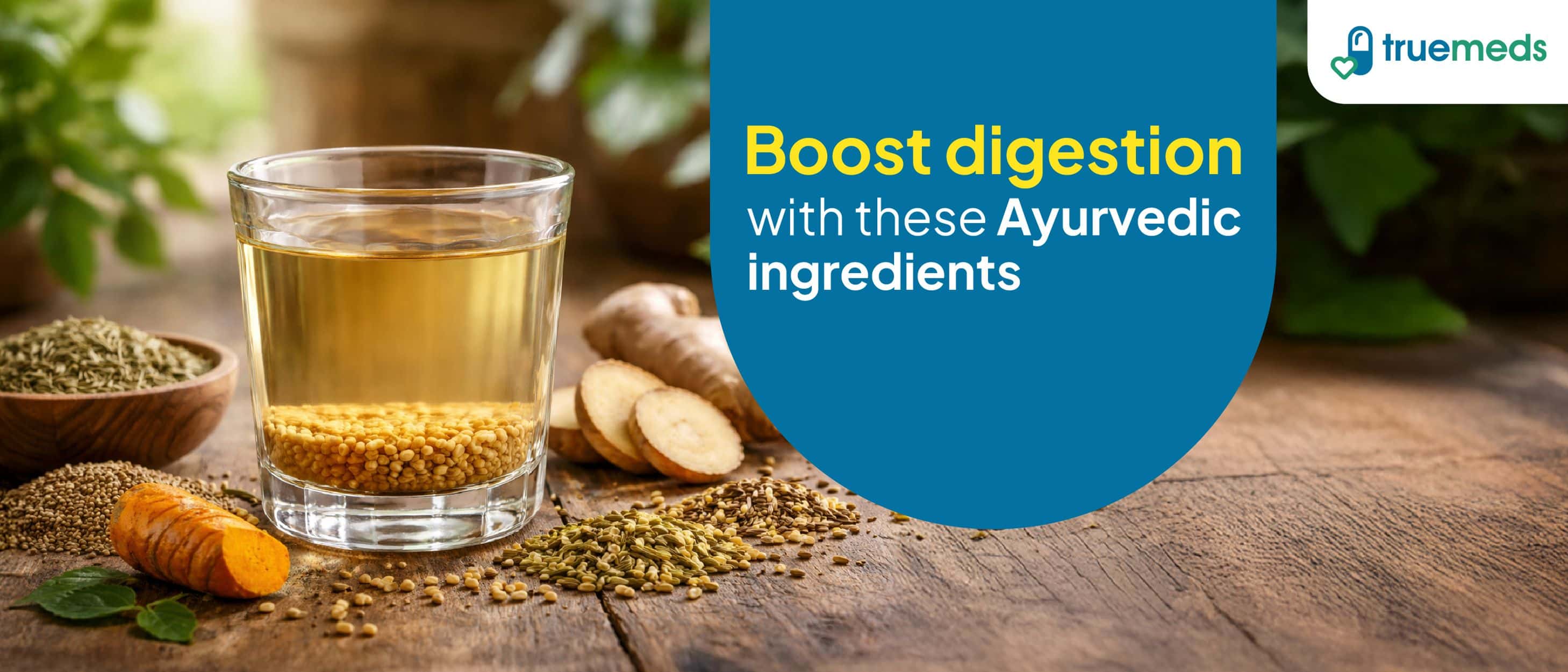
Digestive health forms the cornerstone of well-being in Ayurveda, India's ancient system of medicine[1]. According to Ayurvedic principles, the digestive system is governed by Agni, or digestive fire, which transforms food into energy and eliminates waste. When Agni functions optimally, it supports nutrient absorption, strengthens immunity, and maintains overall health[2].
Conversely, weakened Agni can lead to digestive discomfort, toxin accumulation, and various health issues[2]. Understanding which Ayurvedic herbs for digestion support digestive wellness can help you maintain balanced Agni naturally.
Top 7 Ayurvedic Herbs for Digestion
Ayurveda harnesses the therapeutic properties of various herbs and spices to support digestive wellness. These Ayurvedic ingredients for digestion work through different mechanisms to strengthen Agni, reduce inflammation, and promote healthy digestion[3].
1. Triphala
Triphala comprises three fruits: Amalaki, Haritaki, and Bibhitaki. It stands as one of Ayurveda's most revered digestive formulations. Research has demonstrated that Triphala may stimulate appetite, reduce hyperacidity, and provide antioxidant and anti-inflammatory benefits. The formulation's mild laxative action may help regulate bowel movements naturally[4].
Clinical trials have shown statistically significant improvements in bowel frequency within the first two weeks. Additionally, the formulation improved stool number, frequency, and consistency while decreasing abdominal pain and bloating[5]. Triphala balances all three doshas and supports natural detoxification processes[4].
2. Ginger
Ginger (Zingiber officinale) has traditionally been used in Ayurvedic medicine to ignite digestive fire and improve appetite. A systematic review of 109 randomised controlled trials found that ginger consumption consistently improved nausea, vomiting, and inflammation [6]. Research also indicates that divided lower daily dosages of 1,500 mg of ginger have shown to provide beneficial effects for nausea relief[7].
Consult your healthcare provider before using ginger supplements, especially if you take blood-thinning medications.
3. Ajwain (Carom Seeds)
Ajwain (Trachyspermum ammi) serves as a powerful Ayurvedic herb for digestion. It has shown to enhance the activity of digestive enzymes, which improves nutrient breakdown . The active compounds in Ajwain improve the flow of stomach acids, helping to relieve indigestion, bloating, and gas. The seeds' carminative properties help expel gas from the intestines, reducing abdominal discomfort[8].
4. Fennel Seeds (Saunf)
Fennel seeds (Foeniculum vulgare) contain anethole, a compound that may help relax the muscles of the gastrointestinal tract. This relaxation effect can relieve bloating and improve digestion. Cell and animal studies have demonstrated that fennel seed extract may improve gastrointestinal barrier function, suggesting its potential utility as an alternative therapy for inflammatory bowel conditions[9].
5. Cumin (Jeera)
Cumin (Cuminum cyminum) stimulates the production of digestive enzymes, which improves the breakdown of food in the gut. A pilot study in patients with irritable bowel syndrome found that cumin extract may help manage gastrointestinal symptoms such as bloating[10].
When used in proper doses, cumin has shown to regulate and balance gastrointestinal motility. The seeds reduce bloating and flatulence by supporting efficient digestion. Cumin also helps relieve acidity by promoting balanced stomach acid production[10].
6. Peppermint
Peppermint (Mentha piperita) has gained recognition in modern research for its digestive benefits. A systematic review and meta-analysis concluded that peppermint oil has shown to be a safe and effective short-term treatment for irritable bowel syndrome[11].
Enteric-coated peppermint oil capsules provide safe and effective therapy for relief of abdominal pain and global symptoms in adults with IBS[12]. Peppermint's antispasmodic properties help relax intestinal muscles, which may reduce cramping and discomfort. The herb can also help with indigestion and bloating[11].
Use enteric-coated peppermint oil supplements rather than regular peppermint oil to avoid heartburn. Consult your healthcare provider for appropriate dosing.
7. Licorice Root (Yashtimadhu)
Licorice root (Glycyrrhiza glabra), known as Yashtimadhu in Ayurveda, provides protective benefits for the digestive tract. Deglycyrrhizinated licorice (DGL) has been studied as a supportive therapy for peptic ulcers. It plays a protective role against acid and pepsin secretions by covering the site of lesions and promoting mucous secretion. Additionally, Yashtimadhu's soothing properties help reduce inflammation and irritation throughout the digestive tract[13].
Avoid regular licorice root if you have high blood pressure or take certain medications. Consult your healthcare provider before use.
When to Consult an Ayurvedic Practitioner
While Ayurvedic herbs for digestion have shown to support digestive wellness, professional guidance ensures safe and effective use. Do not use Ayurvedic remedies to postpone seeing a conventional healthcare provider about a medical problem. If you have a health condition, talk with your conventional healthcare provider before using digestive herbs in Ayurveda.
Decisions about whether to use complementary approaches are important. Find out what scientific studies have been conducted on the safety and effectiveness of any health approach. Also, discuss this information with your healthcare providers before making a decision.
Ayurvedic herbs for digestion may not be suitable for everyone and can interact with certain medications or medical conditions[1]. Consultation with a licensed Ayurvedic practitioner or healthcare professional is recommended before incorporating herbal remedies into your routine. Seek immediate medical attention if you experience severe abdominal pain, persistent vomiting, blood in stools, unexplained weight loss, or difficulty swallowing.
Conclusion
Ayurvedic herbs offer natural support for digestive health through their traditionally used therapeutic properties. From Triphala's digestive benefits to ginger's enzyme-stimulating effects, these Ayurvedic ingredients for digestion work through various mechanisms to strengthen Agni.
When used appropriately under professional guidance, Ayurvedic digestive herbs have shown to complement a balanced lifestyle and support overall well-being. Remember that herbs work best alongside a proper diet, adequate hydration, regular exercise, and stress management. Consult qualified healthcare providers to determine which digestive herbs in Ayurveda suit your individual constitution and health needs.
FAQs
What are the best Ayurvedic herbs for digestion?
The top Ayurvedic herbs for digestion include Triphala, ginger, ajwain, fennel seeds, cumin, peppermint, and licorice root. Each herb addresses different digestive concerns, such as regulating bowel movements (Triphala), stimulating digestive enzymes (Ginger), and relieving gas (Ajwain).
Can Ayurvedic herbs help with bloating and indigestion?
Yes, several Ayurvedic herbs specifically target bloating and indigestion. Ajwain increases stomach acid production and reduces gas formation. Fennel seeds relax intestinal muscles to relieve bloating. Cumin stimulates digestive enzymes to improve food breakdown. These Ayurvedic herbs for digestion work through different mechanisms to address the underlying causes of digestive discomfort.
How do Ayurvedic ingredients help in improving gut health?
Ayurvedic herbs support gut health by strengthening Agni (digestive fire), enhancing enzyme production, and reducing inflammation. Some Ayurvedic herbs may influence gut microbiota, though more research is needed. These Ayurvedic ingredients for digestion work synergistically to create an optimal environment for digestive wellness.
Is Triphala good for digestion, and how do I use it?
Triphala is excellent for digestion. It has shown to regulate bowel movements and reduce bloating. Clinical studies have demonstrated that it can increase bowel frequency significantly within two weeks. Take it as powder mixed in warm water or as capsules. Start with a small dose and gradually increase as tolerated, or consult an Ayurvedic practitioner for proper dosage.
Are there any side effects of using Ayurvedic herbs for digestion?
When used appropriately, most Ayurvedic herbs for digestion are safe. However, some individuals may experience mild digestive discomfort initially. Licorice has shown to raise blood pressure in some people. Ginger may interact with blood-thinning medications. Peppermint oil may cause heartburn if not enteric-coated. Always start with small doses and monitor your response.
Can I use Ayurvedic herbs for digestion along with other medications?
Using Ayurvedic herbs for digestion alongside medications requires medical supervision, as herbs can interact with pharmaceutical drugs. Ginger may enhance blood-thinning effects. Licorice has shown to interact with blood pressure medications. Peppermint may affect drug absorption. Always inform your doctor about herbal supplements you are taking to ensure safe, coordinated care.
Medical Disclaimer
This article is for informational purposes only and does not constitute medical advice. The information provided should not be used for diagnosing or treating health conditions. Always consult a qualified healthcare provider for diagnosis, treatment, and personalised medical advice. Do not disregard professional medical advice or delay seeking it because of information found in this article. If you have a medical emergency, contact your doctor or emergency services immediately.
References
National Centre for Complementary and Integrative Health. (2024). Ayurvedic Medicine: In Depth. National Institutes of Health. https://www.nccih.nih.gov/health/ayurvedic-medicine-in-depth
Agrawal, A. K., Yadav, C. R., & Meena, M. S. (2010). Physiological aspects of Agni. Ayu, 31(3), 395–398. https://doi.org/10.4103/0974-8520.77159
Vakiti, S., Farriss, L., Mehta, H., Madaram, M., Ferrigno, D., Shoukry, R., Arango Hipsley, J., Lee, B., Atlas-Grayton, L., Carlisano, C., & Petrosky, S. N. (2025). The Efficacy of Ayurvedic Herbs in the Prevention and Treatment of Inflammatory Bowel Disease: A Scoping Review. Cureus, 17(5), e84410. https://doi.org/10.7759/cureus.84410
Peterson, C. T., Denniston, K., & Chopra, D. (2017). Therapeutic Uses of Triphala in Ayurvedic Medicine. Journal of Alternative and Complementary Medicine, 23(8), 607-614. https://pmc.ncbi.nlm.nih.gov/articles/PMC5567597/