Understanding how to read the expiry date on medicine is essential for your health and safety. Every medication in your home has a limited period during which it remains effective and safe to use [1]. Many people overlook these dates or find them confusing, which can lead to taking medicines that no longer work properly or may even cause harm[2]. The expiry date of medicine reflects stability testing done by manufacturers to guarantee quality[3]. This guide will help you understand what expiry dates mean, where to find them, and what to do when medicines expire.
Key Takeaways
- Expiry dates guarantee medicine stability, strength, and purity when stored properly
- Look for "EXP" followed by month and year on packaging; use medicine until the end of the stated month
- Never take medicine after its expiry date due to reduced effectiveness and potential toxicity risks
- Physical changes like colour, smell, or texture may indicate degradation even before expiry
- Store medicines according to label instructions to maintain effectiveness
- Dispose of expired medicines through take-back programmes or by mixing with unappealing substances
- Check your medicine cabinet monthly and remove expired items promptly
What does the expiry date on a medicine mean?
The expiry date on medicine packaging indicates the time period during which the product remains stable and retains its strength, quality, and purity when stored according to labelled conditions[1]. This date represents the manufacturer's guarantee that the medicine will work as intended until that point[3].
Since 1979, the US FDA has required all prescription and over-the-counter medications to carry an expiration date[3]. This regulation ensures patients receive medicines that meet quality standards throughout their shelf life.
How to read the expiry date on medicine packaging
Medicine expiry dates appear in various formats depending on the manufacturer and country of origin. Understanding these formats helps you accurately determine when a medication is no longer suitable for use.
Understanding common date formats
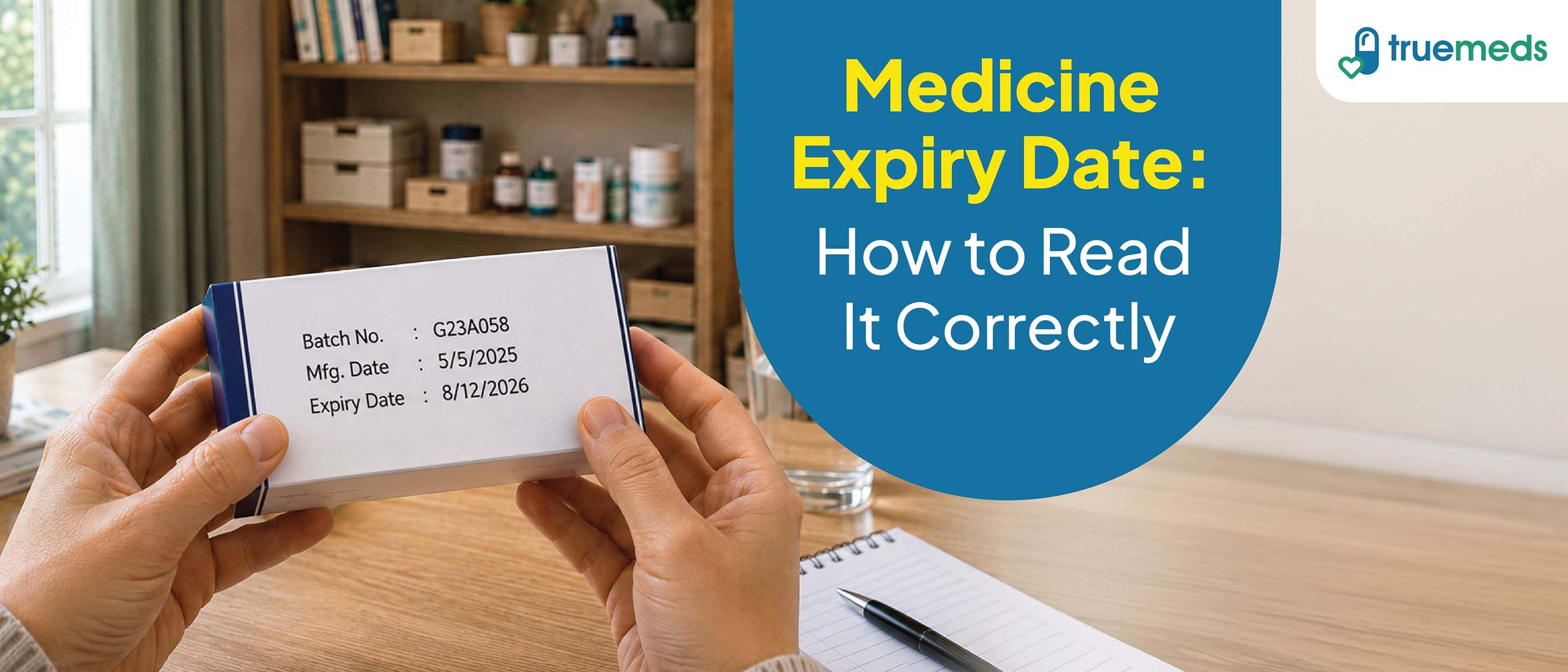
Expiry dates typically appear printed on the label or stamped onto the bottle or carton, often following the abbreviation "EXP"[4]. The date format varies depending on the manufacturer and country of origin.
Common formats you may encounter include[5]:
- Month/Year format: "07/2024" or "Jul 2024" means the medicine expires at the end of July 2024
- Day/Month/Year format: "31/07/2024" specifies an exact date
- Year/Month format: "2024/07" also indicates end of July 2024
When only a month and year appear, the medicine can be used until the last day of that month. For example, if the expiry date shows July 2024, the medicine should not be taken after 31 July 2024.
Finding the expiry date on different medicine packages
The expiry date location varies by packaging type[6]:
- Bottles: Check the label wrapped around the bottle or stamped on the cap
- Blister packs: Look on the outer carton or printed on individual blister strips
- Tubes: Often printed on the crimped end or outer packaging
- Syrup bottles: Usually on the main label near the batch number
Always check the original packaging rather than relying solely on dispensing labels from pharmacies, as the original date reflects the manufacturer's stability testing[1].
How to know if a medicine has expired
The most reliable method is checking the printed expiry date on the packaging. However, physical changes can also indicate that a medicine may have degraded.
Signs that may suggest medicine degradation include[7]:
- Colour changes: Discolouration can indicate contamination, impurities, or degradation products
- Texture changes: Tablets becoming crumbly, soft, or sticky
- Smell changes: Unusual or different odour from when first opened
- Appearance changes: Cloudiness in liquids or spots on tablets
If your medicine looks, tastes, or smells different from when you first got it, take it to your pharmacist for advice, even if it is within the expiry date.
Is it safe to use medicines after the expiry date?
Expired medicines can pose health risks for several reasons. They may become less effective due to changes in chemical composition or decreased strength. Additionally, certain expired medications can support bacterial growth[4].
Specific risks associated with expired medicines include:
- Reduced effectiveness: Sub-potent antibiotics may fail to treat infections, potentially leading to more serious illness and antibiotic resistance[4]
- Toxic degradation: When medicines degrade, they may produce toxic compounds that can cause unintended side effects [1]
- Critical medication failure: Nitroglycerin, used for heart conditions, may lose effectiveness after opening[3]
- Serious illness: Taking old tetracyclines has been linked to Fanconi syndrome, a kidney condition caused by degradation byproducts[3]
Do not take medicines after their expiry date. Consult your doctor or pharmacist if you need medication and only have expired supplies.
Why proper medicine storage matters
Proper storage directly affects whether medicines remain effective until their expiry date. The expiry date only guarantees stability when the medicine is stored according to labelled conditions[1]. Exposure to improper conditions can cause medicines to degrade before their printed expiry date.
Key storage guidelines include:
- Follow specific instructions on the label, such as "store in a cool, dry place" or "protect from light"
- Keep medicines in their original containers to maintain protection from moisture and light
- Check labels for temperature requirements, as some medicines need refrigeration
Always read and follow storage instructions on medicine packaging.
What should you do with expired medicines?
Safe disposal of expired medicines prevents accidental use and environmental contamination. The FDA recommends several disposal methods[8].
Preferred method: Medicine take-back programmes
The best way to dispose of unused or expired medicines is to use a take-back option, such as dropping off medicines at designated collection points or using pre-paid mail-back envelopes[8].
If no take-back option is available:
- Mix medicines with an unappealing substance such as dirt, cat litter, or used coffee grounds
- Do not crush tablets or capsules
- Place the mixture in a sealed plastic bag
- Dispose of in household rubbish
Never flush medicines down the toilet unless specifically instructed on the packaging.
Common mistakes when checking medicine expiry dates
Confusion about expiry dates can lead to patient safety issues and medication wastage[2]. Here are common mistakes to avoid:
- Ignoring opened medication dates: Once the original container is opened, the expiration date may no longer be reliable.
- Confusing manufacturing and expiry dates: The manufacturing date shows when the medicine was made, not when it expires.
- Overlooking storage instructions: Medicine stored improperly may degrade before its expiry date.
- Not checking regularly: Medicines can expire without notice if not periodically reviewed.
- Keeping medicines without labels: Unidentified medicines cannot be safely used or dated.
How often should you check medicines at home?
Regular medicine cabinet reviews help ensure you only keep safe, effective medicines. Check expiry dates of your medication stock at least once a month[2].
During each check:
- Remove any expired medicines for proper disposal
- Note medicines approaching expiry within three months
- Verify storage conditions are being maintained
- Dispose of any medicines that appear discoloured or damaged
- Organise medicines to use those expiring soonest first
FAQs
How do I read the expiry date on medicine?
Look for "EXP" on the label followed by a date in month/year or day/month/year format. If only month and year appear, the medicine is generally considered usable until the last day of that month.
What does the expiry date of a medicine mean?
The expiry date indicates the period during which the manufacturer guarantees the medicine will remain stable, potent, and safe when stored as directed on the label.
How to calculate medicine expiry date?
You cannot calculate expiry dates yourself. Manufacturers determine these through stability testing. Always use the printed date on the original packaging.
Can I take medicine after its expiry date?
No. Expired medicines may be less effective or potentially harmful due to chemical changes. Sub-potent antibiotics or degraded medicines can cause treatment failure or adverse effects.
How can I tell if a medicine has expired?
Check the printed expiry date first. Also watch for physical changes such as discolouration, unusual smell, changed texture, cloudiness in liquids, or crumbling tablets.
Does proper storage affect medicine expiry?
Yes. Expiry dates only apply when medicines are stored according to label instructions. Improper storage from heat, humidity, or light exposure can cause degradation before the printed date.
What should I do with expired medicines?
Use medicine take-back programmes when available. Otherwise, mix with dirt or coffee grounds, seal in a plastic bag, and dispose of in household rubbish. Do not flush unless directed.
Are expired medicines harmful?
They can be. Some expired medicines may contain toxic degradation products. Old tetracyclines have been linked to kidney problems. Reduced potency can also lead to treatment failure.
Medical Disclaimer
This article is for informational purposes only and does not constitute medical advice. The information provided should not be used for diagnosing or treating health conditions. Always consult a qualified healthcare provider for diagnosis, treatment, and personalised medical advice. Do not disregard professional medical advice or delay seeking it because of information found in this article. If you have a medical emergency, contact your doctor or emergency services immediately.
References
U.S. Food and Drug Administration. (2025). Expiration dates - Questions and answers. FDA. https://www.fda.gov/drugs/pharmaceutical-quality-resources/expiration-dates-questions-and-answers
NHS Bedfordshire, Luton and Milton Keynes ICB. (2021). Good practice guidance for care homes: Expiry dates for medication. NHS. https://medicines.bedfordshirelutonandmiltonkeynes.icb.nhs.uk/wp-content/uploads/2020/06/Good-Practice-Guidance-for-care-homes-Expiry-dates-for-medication-V3.pdf
National Center for Biotechnology Information. (2023). Expiration dating and national drug code rules. StatPearls. https://www.ncbi.nlm.nih.gov/books/NBK570620/
U.S. Food and Drug Administration. (n.d.). Don't be tempted to use expired medicines. FDA. https://www.fda.gov/drugs/special-features/dont-be-tempted-use-expired-medicines