

- Medicines
- Personal Care
- Skin Cream
- Sunscreen
- Face Wash
- Skin and Body Soap
- Acne Care
- Body Lotions
- Moisturising Lotion
- Moisturising Cream
- Mosquito Repellent
- Moisturising Gel
- Body Wash
- Hair Oils
- Hair Shampoo
- Hair Conditioners
- Hair Supplements
- Hair Colour
- Hair Serum
- Hair Mask
- Hair Solutions
- Baby Diapers and Wipes
- Baby Lotion and Moisturising Cream
- Baby Bath Essentials
- Baby Skin Care
- Baby and Infant Food
- Baby Healthcare
- Women Multivitamins
- Ovulation Test Kit and Women Intimate Care
- Sanitary Pads
- Nutritional Drinks
- Condoms
- Lubricants
- Massage Gels
- Personal Body Massagers
- Men Performance Booster
- Sexual Health Supplements
- Massage Oils
- Ayurveda
- Tooth Paste
- Mouth Ulcer Gel
- Mouthwash
- Toothache and Gum Pain
- Tooth Brush
- Gargle Solution
- Orthopaedic Supports
- Adult Diapers
- Footwear
- Mobility and Support Accessories
- Urinary Support and Care
- Health Conditions
- Bone and Joint Care
- Digestive Care
- Eye Care
- Pain Relief
- Smoking Cessation
- Liver Care
- Stomach Care
- Cold and Cough
- Heart Care
- Kidney Care
- Piles, Fissures & Fistula
- Respiratory Care
- Mental Wellness
- Derma Care
- Pre and Probiotics
- Acidity
- Gas
- Constipation
- Loose Motion/Diarrhoea
- Digestive Fibres
- Digestive Enzymes
- Eye Lubricant Drops
- Lens Solution
- Safety Eye Wear
- Eye Cream
- Eye Vitamins and Supplements
- Eye Drops
- Eye Ointment and Gel
- Nicotine Patch
- Nicotine Gum
- Nicotine Lozenges
- Cough Syrups
- Chest Rubs and Balms
- Nasal Spray
- Lozenges
- Inhalant Capsules
- Cold and Cough Tablets
- Vitamins & Supplements
- Diabetes Care
- Healthcare Devices
- Homeopathic Medicine
- Health Guide
Substance Use Disorder
Substance use disorder is a complex mental disorder that affects millions worldwide, characterised by the uncontrolled use of substances despite harmful consequences. It can lead to addiction, health problems, and social issues, and is often linked to mental health disorders. Substance use disorder is treatable, and understanding its causes, symptoms, and treatment options is crucial for effective management.
 50
50Last updated on : 21 Apr, 2026
Read time : 14 mins
Overview of Disease
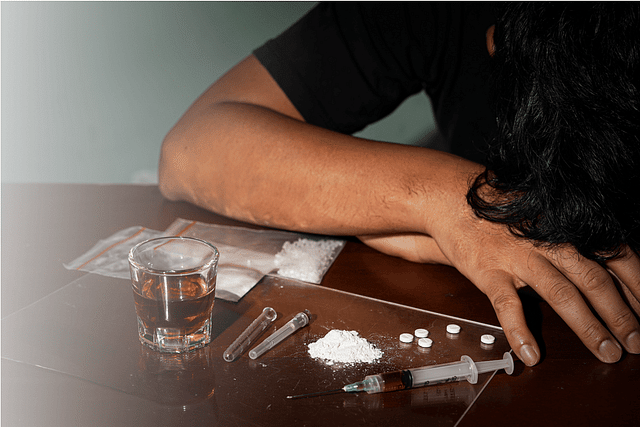
Substance use disorder is a pervasive issue that affects individuals from all walks of life. It is a treatable mental disorder that alters a person's brain functioning and behaviour, resulting in an inability to control the use of various substances, including legal or illegal drugs, alcohol, or medications. The National Institute of Mental Health (NIMH) emphasises the severe consequences of substance use disorder, such as addiction, health problems, and social difficulties. This article aims to provide a comprehensive understanding of substance use disorder by exploring its causes, symptoms, and management options.
What is Substance Use Disorder?
Substance use disorder is a chronic condition defined by the uncontrolled use of a substance despite its detrimental effects on an individual's life. It arises when a person's consumption of alcohol or another substance (prescribed medicines or illegal drugs) results in health issues or impairs their ability to function at work, school, or home. Substance use disorder can impact individuals of any age, gender, or socioeconomic background and is frequently associated with mental health disorders like anxiety, depression, and attention-deficit hyperactivity disorder (ADHD). The development of substance use disorder is influenced by a combination of factors, including genetic predisposition, environmental stressors, and peer pressure. Repeated substance use can alter brain function, leading to tolerance, withdrawal symptoms, and intense cravings (American Psychiatric Association, 2022).
Key Factors about Substance Use Disorder
| Category | Details |
| Also Referred as |
|
| Commonly Occurs In |
|
| Affected Organ |
|
| Type |
|
| Common Signs |
|
| Consulting Specialist |
|
| Treatment Procedures |
|
| Managed By |
|
Types of Substance Use Disorder
Substance use disorder encompasses various types, each associated with specific substances:
- Opioid use disorder: Addiction to opioid painkillers, heroin, or other opioids.
- Alcohol use disorder: Alcohol addiction.
- Stimulant use disorder: Addiction to stimulants such as cocaine, amphetamines, or ADHD medications.
- Depressant use disorder: Addiction to depressants such as benzodiazepines or barbiturates.
- Caffeine use disorder: Problematic caffeine consumption that leads to significant distress or impairment in daily functioning.
- Cannabis use disorder: Compulsive use of cannabis despite experiencing significant negative consequences.
- Hallucinogen-use disorders: Use of hallucinogens leading to clinically significant impairment or distress.
- Inhalant use disorder: Intentional inhalation of vapours from commercial products or specific chemical agents to achieve intoxication.
- Tobacco use disorder: A problematic pattern of tobacco use leading to clinically significant impairment.
Understanding the different types of substance use disorder is essential for tailoring treatment approaches to the specific needs of individuals struggling with addiction.
Early Signs of Substance Use Disorder
The early signs of substance use disorder can be subtle, but recognising them is crucial for timely intervention and support. Some common early indicators include:
- Behavioural changes:
- Loss of interest in previously enjoyed hobbies or activities
- Neglecting relationships or reacting negatively to loved ones
- Frequently missing work, school, or other important obligations
- Engaging in risky behaviours, especially to obtain or use substances
- Physical signs:
- Unexplained weight fluctuations (loss or gain)
- Bloodshot or glazed eyes
- Altered appetite and sleep patterns
- Slurred speech or impaired coordination
- Psychological indicators:
- Sudden, unexplained personality or mood changes
- Irrational paranoia, anxiety, or fear
- Decreased motivation or excessive fatigue
- Increased agitation or anger
Noticing a combination of these early warning signs may indicate the development of a substance use disorder. Addressing these concerns promptly can facilitate early intervention and improve treatment outcomes.
Symptoms of Substance Use Disorder
As substance use disorder progresses, individuals may exhibit a range of physical, psychological, and behavioural symptoms that impact their health, relationships, and overall well-being. Some key symptoms include:
- Physical symptoms:
- Increased tolerance or need for higher doses to achieve desired effects
- Withdrawal symptoms when attempting to reduce or stop substance use
- Deterioration of physical appearance or hygiene
- Unusual odours on breath, body, or clothing
- Psychological symptoms:
- Intense cravings or urges to use the substance
- Using substances in unsafe conditions or situations
- Sudden, unexplained financial difficulties
- Frequent attempts to avoid or alleviate withdrawal symptoms
- Behavioural symptoms:
- Spending significant time obtaining, using, or recovering from substance use
- Continuing use despite physical or psychological problems caused or worsened by the substance
- Reducing or abandoning important social, occupational, or recreational activities due to substance use
Recognising these symptoms is essential for diagnosing substance use disorder and developing an appropriate treatment plan. Early intervention can prevent the progression of the disorder and its associated complications.
Stages of Substance Use Disorder
The progression of substance use disorder can vary depending on the individual and the substance used. However, there are common stages that many people experience:
- Experimental use: The initial use of a substance, often in social settings, to experience pleasure or relaxation.
- Regular use: Increased frequency of substance use, leading to neglect of responsibilities and relationships.
- Problem or risky use: Substance use causes significant problems, such as health issues, financial troubles, or legal problems.
- Addiction: Loss of control over substance use despite being aware of the harm it causes.
- Withdrawal: Experience of withdrawal symptoms when attempting to stop using the substance.
Recognising these stages can help identify the severity of substance use disorder and guide appropriate interventions.
Causes of Substance Use Disorder
The development of substance use disorder is a complex interplay of multiple factors, including genetic predisposition, environmental influences, and psychological elements. Some key contributors include:
- Genetic vulnerability:
- Hereditary factors can increase an individual's susceptibility to developing substance use disorder
- Family history of substance abuse may elevate risk
- Environmental stressors:
- Chronic stress, trauma, or adverse life experiences
- Peer pressure or social norms that encourage substance use
- Easy access to addictive substances
- Mental health disorders:
- Pre-existing conditions like depression, anxiety, or PTSD
- Substance use as a coping mechanism for untreated mental health issues
- Early exposure:
- Substance use during adolescence or young adulthood
- Disruption of brain development and increased risk of addiction
Understanding the multifaceted nature of substance use disorder causes is crucial for developing targeted prevention strategies and personalised treatment approaches.
Risk Factors
While anyone can develop substance use disorder, certain factors can increase an individual's vulnerability. Some notable risk factors include:
- Family history:
- Genetic predisposition to addiction
- Exposure to substance abuse within the family
- Mental health disorders:
- Untreated or poorly managed mental health conditions
- Using substances to self-medicate symptoms
- Trauma or adverse experiences:
- Childhood abuse, neglect, or household dysfunction
- Witnessing violence or experiencing significant loss
- Social influences:
- Peer pressure to use substances
- Lack of social support or connection
- Substance-using social circles
- Early substance use:
- Experimentation or regular use during adolescence or young adulthood
- Disruption of brain development and increased addiction risk
Identifying and addressing these risk factors can help prevent the onset of substance use disorder and guide targeted interventions for high-risk individuals.
Complications
Substance use disorder can lead to a wide range of short- and long-term complications that affect physical health, mental well-being, and social functioning. Some potential complications include:
- Physical health problems:
- Organ damage (e.g., liver, heart, lungs)
- Increased risk of infectious diseases (e.g., HIV, hepatitis)
- Malnutrition and gastrointestinal issues
- Cognitive impairments and memory problems (Volkow et al., 2023)
- Mental health issues:
- Worsening of pre-existing mental health disorders
- Development of new mental health conditions (e.g., depression, anxiety)
- Increased risk of suicide or self-harm
- Social and occupational consequences:
- Strained relationships with family and friends
- Job loss or decreased work performance
- Financial difficulties or legal problems
- Social isolation and stigma
- Overdose and death:
- Accidental overdose due to tolerance or contaminated substances
- Increased risk of injury or death from substance-related accidents
Addressing substance use disorder early and comprehensively can help mitigate these complications and improve long-term outcomes for affected individuals and their loved ones.
Prevention of Substance Use Disorder
Preventing substance use disorder involves a multidimensional strategy that focuses on reducing the risk factors and enhancing the protective factors associated with substance use and addiction. Some key aspects of prevention include:
- Understanding Risk and Protective Factors:
- Individual factors such as aggressive behaviour in childhood, lack of social attachment, and a history of trauma can increase the risk of developing substance use disorder.
- Genetic factors, including a family history of substance use disorder, can account for about 40–60% of a person's likelihood of developing an addiction.
- Community and environmental strategies:
- Collaborations between schools, nonprofit organisations, and community-based groups are essential for implementing effective prevention measures.
- These strategies encompass information dissemination, education, providing alternatives to substance use, environmental changes, community-based processes, and problem identification and referral.
- Focusing on youth and adolescents:
- Adolescence is a critical period due to increased risk factors such as transitions, stressors, and brain development.
- School-based prevention programmes aim to enhance protective factors like skills development, socio-emotional wellness, and fostering connections with others.
- Avoiding scare tactics:
- Research has shown that scare tactics are ineffective in preventing substance misuse.
- Instead, preventive efforts should prioritise education, building positive relationships, and providing community support.
Diagnosis & Tests
Diagnosing substance use disorder involves a comprehensive evaluation of an individual's substance use patterns and their impact on various aspects of life. The diagnostic process includes:
- Clinical evaluation:
- A thorough clinical assessment comprises a detailed history of substance use, medical history, and a mental health evaluation to determine the severity of the disorder.
- Diagnostic criteria:
- The diagnosis is based on the criteria outlined in the Diagnostic and Statistical Manual of Mental Disorders, Fifth Edition, Text Revision (DSM-5-TR).
- A diagnosis of substance use disorder requires the presence of at least two out of 11 criteria within a 12-month period. These criteria include: taking the substance in larger amounts or for longer than intended, persistent desire or unsuccessful efforts to cut down, significant time spent obtaining or using the substance, craving, failure to fulfill major role obligations, continued use despite social or interpersonal problems, giving up important activities, use in physically hazardous situations, continued use despite physical or psychological problems, tolerance, and withdrawal.
- The severity is classified as mild (2–3 criteria), moderate (4–5 criteria), or severe (6 or more criteria) (American Psychiatric Association, 2022).
- Screening tools:
- Healthcare providers employ screening tools like the CAGE questionnaire (Cutting down, Annoyance by criticism, Guilty feelings, and Eye-openers) or other validated screening tools to identify potential substance use disorder.
Treatment & Management
Treating substance use disorder requires a holistic approach that encompasses medical, psychological, and social interventions. The key components of treatment include:
- Medications:
- Buprenorphine: A partial opioid agonist that reduces cravings and withdrawal symptoms, helping to stabilise individuals with opioid use disorder.
- Methadone: A full opioid agonist used in maintenance therapy to prevent withdrawal and reduce opioid cravings in individuals with opioid use disorder.
- Naltrexone: An opioid antagonist that blocks the effects of opioids and alcohol, used to prevent relapse in detoxified patients (National Institute on Drug Abuse, 2024).
- Behavioural therapies:
- Cognitive-behavioural therapy (CBT) helps individuals identify and change negative thought patterns and behaviours related to substance use.
- Motivational interviewing aims to increase motivation for change and enhance engagement in treatment.
- Contingency management uses rewards to reinforce positive behaviours and abstinence from substance use (National Institute on Drug Abuse, 2024).
- Rehabilitation programmes:
- Inpatient or residential programmes provide a structured environment away from triggers and offer intensive support and therapy.
- Outpatient programmes allow individuals to continue living at home while attending regular treatment sessions.
- Aftercare and support:
- Ongoing support through support groups, 12-step programmes, and sober living environments can help maintain long-term recovery. Addressing co-occurring mental health disorders and providing vocational and educational support are crucial for successful reintegration into society.
Emergency Treatment
In cases of severe intoxication or overdose, emergency treatment may be necessary to stabilise the individual and prevent life-threatening complications. The key aspects of emergency treatment include:
- Stabilisation and assessment:
- Ensuring the person's airway, breathing, and circulation are stable is the priority.
- A rapid assessment of vital signs, level of consciousness, and potential complications is performed.
- Detoxification:
- Medically supervised detoxification may be required to manage withdrawal symptoms safely.
- Medications like benzodiazepines can be used to manage alcohol withdrawal, while buprenorphine or methadone can be used for opioid withdrawal.
- Overdose management:
- In cases of opioid overdose, naloxone, an opioid antagonist, can be administered to reverse the effects and restore breathing.
- Supportive care, including oxygen therapy and monitoring of vital signs, is provided until the individual is stable.
- Referral to Further Treatment:
- After stabilisation, the individual is referred to appropriate treatment programmes for long-term management of their substance use disorder.
- This may include inpatient rehabilitation, outpatient therapy, or a combination of both, depending on the severity of the disorder and the individual's specific needs.
Living with Disease
Living with substance use disorder can be challenging, but with the right support and treatment, recovery is possible. Here are some important points to keep in mind:
- Substance use disorder is a complex condition that requires a comprehensive, biopsychosocial approach to treatment, addressing the biological, psychological, and social aspects of the disorder.
- Co-occurring mental health issues, such as depression, anxiety, post-traumatic stress disorder, and sleep disorders, are common in individuals with substance use disorders and require specialised care.
- Long-term health management is crucial for patients with substance use disorder, as they often have higher rates of chronic diseases like heart disease, diabetes, and hepatitis C.
- Behavioural therapies, including individual and group therapy, cognitive-behavioural therapy (CBT), and evidence-based complementary approaches like mindfulness-based interventions, are essential components of substance use disorder treatment, helping to address the underlying causes of addiction and support long-term sobriety.
When to See a Doctor?
Seeking medical help is crucial at various stages of dealing with substance use disorder. If you or a loved one is struggling with substance use, it is essential to consult a doctor early on. Primary care physicians can screen for substance use issues, initiate conversations about treatment, and refer patients to specialised care if needed.
If you notice signs of addiction, such as increased tolerance to substances, withdrawal symptoms, or significant changes in behaviour, it is time to consult a doctor. Addiction psychiatrists and addiction medicine physicians specialise in diagnosing and treating substance use disorders and related mental health disorders. They can provide comprehensive diagnostic assessments, develop treatment plans, prescribe medications, and offer psychotherapy.
Consulting an addiction specialist is highly beneficial, especially if there are co-occurring mental health issues. With the right support and treatment, individuals with substance use disorder can work towards recovery and lead fulfilling lives.
Key Takeaways
- Substance use disorder is a chronic mental disorder characterised by an inability to control the use of substances despite negative consequences, affecting individuals of all backgrounds.
- Substance use disorder progresses through stages, from experimental use to addiction and withdrawal; however, these stages may vary between individuals.
- There are different types of substance use disorders, including opioid, alcohol, stimulant, and depressant use disorders, each requiring tailored treatment approaches.
- Substance use disorder is influenced by multiple factors, including genetics, environmental stressors, mental health conditions, and early exposure to substances.
- Early intervention and comprehensive treatment involving medications, behavioural therapies, and ongoing support are crucial for managing substance use disorder and improving outcomes.
FAQs
What is substance use disorder, and how does it affect individuals?
What are the typical indicators that someone may have a substance use disorder?
How do healthcare professionals diagnose substance use disorder in patients?
Which treatment options are available for individuals struggling with substance use disorder?
Are there ways to prevent the development of substance use disorders?
What impact can substance use disorder have on an individual's overall health and well-being?
Where can families of individuals with substance use disorder find support and resources?
References
- American Psychiatric Association. (2022). Diagnostic and statistical manual of mental disorders (5th ed., text rev.). https://doi.org/10.1176/appi.books.9780890425787
- Volkow, N. D., Blanco, C., & Wise, R. A. (2023). Substance use disorders: A comprehensive update of classification, epidemiology, neurobiology, clinical aspects, treatment and prevention. World Psychiatry, 22(2), 203-229. https://doi.org/10.1002/wps.21073
- National Institute on Drug Abuse. (2024). Treatment and recovery. https://nida.nih.gov/research-topics/treatment
- Bahji, A., Stephenson, C., Tyo, R., Hawken, E. R., & Seitz, D. P. (2020). Prevalence of cannabis withdrawal symptoms among people with regular or dependent use of cannabinoids: A systematic review and meta-analysis. JAMA Network Open, 3(4), e202370. https://doi.org/10.1001/jamanetworkopen.2020.2370
Check Related Salts
Browse Other Conditions
Latest health articles

Top Health Essentials














Disclaimer
Top-Selling Medicines:
...View more
Top-OTC medicines:
...View more
Company
About UsHealth ArticleHealth StoriesHealth LibraryDiseases & Health ConditionsAyurvedaUnderstanding Generic MedicinesAll MedicinesAll BrandsNeed HelpFAQSecuritySavings CalculatorAdvertise with UsSubscribe
Registered Office Address
Grievance Officer
Download Truemeds


Contact Us
Our customer representative team is available 7 days a week from 9 am - 9 pm.
v4.28.13

2026 - Truemeds | All rights reserved. Our content is for informational purposes only. See additional information.

Our Payment Partners




