
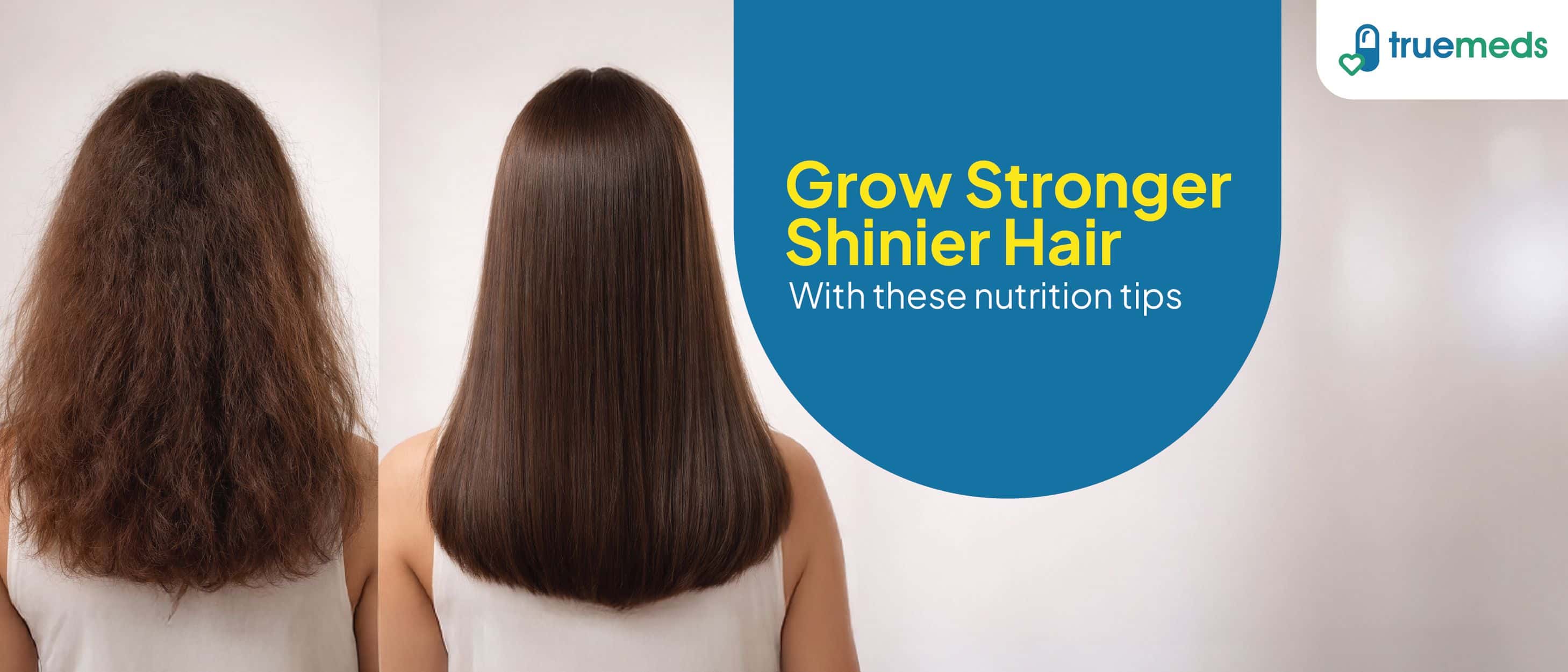
Healthy hair is influenced by several factors, including proper nutrition, which plays an important role in supporting hair strength, growth, and overall condition. Hair follicles are highly active tissues that need proteins, vitamins, minerals, and essential fatty acids to support normal growth and maintenance [1]. Deficiencies in nutrients such as iron, zinc, biotin, and protein may contribute to hair loss and changes in hair quality [2].
This blog highlights foods that may promote hair growth, providing nutrient-rich choices for healthy hair growth and condition.
6 Foods That Help Improve Your Hair Growth
Incorporating foods that may increase hair growth into your daily diet can provide your body with the nutrients needed to support strong, healthy hair follicles. The following foods may benefit hair health due to their rich content of protein, vitamins, minerals, and essential fatty acids.
1. Eggs
Eggs are among the best foods for hair growth due to their exceptional nutritional profile. One large egg (~50 g) provides approximately 6 g of high-quality protein [3] and 10 micrograms of biotin (vitamin B7) [4]. Protein–energy malnutrition and single nutrient deficiencies can compromise immune function, and because nutrients help regulate inflammation and immunity, adequate nutritional status is important for maintaining a healthy hair growth cycle [1]. In particular, biotin deficiency typically develops gradually and can cause thinning hair, which may progress to loss of all hair on the body [4].
Including eggs in your breakfast or meals provides your body with key nutrients in a highly bioavailable form that is easily absorbed and utilised.
2. Fatty Fish (Salmon, Mackerel)
Fatty fish like salmon, mackerel, and sardines are excellent sources of omega-3 fatty acids, particularly eicosapentaenoic acid (EPA) and docosahexaenoic acid (DHA). A 3-ounce serving of cooked wild salmon provides approximately 1.22 grams of DHA and 0.35 grams of EPA [5]. These omega-3 fatty acids may support scalp health and promote hair growth by reducing inflammation and supporting the health of hair follicle cells [6].
Beyond omega-3s, fatty fish also provide high-quality protein and vitamin D, both of which are important for hair follicle health and the hair growth cycle.
3. Dark Leafy Greens and Vegetables
Dark leafy greens like spinach are rich in iron, folate, and vitamins A and C, all of which may play important roles in hair health. Iron deficiency is one of the most common nutritional deficiencies worldwide and a recognised cause of hair loss, particularly affecting women of reproductive age. Iron helps red blood cells carry oxygen to hair follicles, supporting their metabolic activity and growth processes [7].
Vitamin A plays an important role in maintaining healthy hair. It helps regulate the hair growth cycle by supporting the proper function of hair follicles during the growth, resting, and shedding phases. Both insufficient and excessive vitamin A intake can negatively impact hair health, highlighting the need for balanced vitamin A levels in the diet [8].
Please consult a qualified healthcare professional or registered dietitian before making significant dietary changes.
4. Nuts and Seeds
Nuts and seeds are excellent sources of vitamin E, zinc, and essential fatty acids that may support hair health. One ounce of almonds provides approximately 6.8 milligrams of vitamin E, representing nearly 45% of the daily recommended intake [9]. Vitamin E is an antioxidant that protects hair follicles from oxidative stress caused by free radicals, while zinc plays a crucial role in hair tissue growth and repair [10].
Chia seeds, flaxseeds and walnuts specifically provide omega-3 fatty acids in the form of ALA (alpha-linolenic acid) [5], making them suitable vegetarian alternatives to fatty fish for essential fatty acid intake. A small handful of mixed nuts and seeds daily may help meet your nutritional needs for healthy hair.
5. Berries and Colourful Fruits
Berries are rich in vitamin C and antioxidants that may support hair health through multiple mechanisms. A half cup of strawberries provides approximately 49 milligrams of vitamin C, which is more than 50% of the daily recommended intake [11].
Vitamin C is essential for collagen production, which strengthens hair structure and helps prevent breakage. Additionally, vitamin C enhances iron absorption from plant-based foods, helping prevent iron-deficiency-related hair loss. The antioxidants in berries also protect hair follicles from oxidative damage caused by environmental stressors and ageing [2].
Including a variety of colourful fruits such as strawberries, blueberries, oranges, and kiwis may help increase vitamin C intake while providing beneficial phytonutrients.
6. Whole Grains and Legumes
Whole grains and legumes provide B vitamins (including biotin, niacin, and folate), iron, zinc, and plant-based protein that collectively support hair growth. One cup of cooked lentils provides approximately 18 grams of protein and 6.6 milligrams of iron [12], making legumes particularly valuable for meeting nutritional needs. B vitamins, particularly biotin, are essential for hair growth and health. While biotin deficiency is rare, it may cause hair thinning and loss [4].
Legumes such as lentils, chickpeas, and beans are particularly important protein sources in vegetarian diets common in India [13]. They provide essential amino acids needed for keratin production. Including whole grains like oats, quinoa, and brown rice, along with legumes, ensures a complete amino acid profile for optimal hair protein synthesis.
Conclusion
Supporting hair growth through nutrition requires a balanced approach that includes a variety of foods good for hair growth. Eggs, fatty fish, dark leafy greens, nuts, seeds, berries, and legumes each provide unique nutrients that may collectively support healthy hair follicles and strong hair growth. While dietary changes typically take 3-6 months to show visible improvements due to the hair growth cycle, consistent nutrition provides the foundation for long-term hair health.
Remember that food alone may not address underlying medical conditions affecting hair, and persistent hair loss warrants professional evaluation. By incorporating these nutrient-rich foods into your daily meals and maintaining a balanced diet, you can support your body's natural hair growth and work towards healthier, stronger hair.
FAQs
What is the best food for hair growth?
No single "best" food exists for hair growth. Eggs, fatty fish, leafy greens, nuts, and berries all provide different essential nutrients, including protein, biotin, iron, omega-3s, and vitamins, which may collectively support hair health. A varied diet that includes multiple hair-healthy foods is most effective at providing the comprehensive nutrition your hair follicles need.
How long does it take to see results from hair nutrition changes?
Hair grows approximately 0.5 inches (1.25 centimetres) per month. Since nutritional improvements affect new hair growth from follicles, visible improvements typically take 3-6 months of consistent dietary changes. The hair growth cycle operates in phases, so patience is essential when making nutritional adjustments for hair health.
Can I rely solely on food for hair growth, or do I need supplements?
Most people can meet their hair nutrition needs through a balanced diet. Supplements should be considered only if you have confirmed deficiencies, as shown by blood tests, or if you have specific dietary restrictions. Excess vitamins can sometimes worsen hair loss, so consult your healthcare provider before supplementing.
Which foods should I avoid if I'm trying to increase hair growth?
Limit high-sugar foods, excessive alcohol, and highly processed foods, which can impair nutrient absorption and increase inflammation. No specific foods directly "cause" hair loss, but poor overall nutrition and crash diets with inadequate protein or calories can trigger temporary hair shedding.
Does hair nutrition differ by age, gender or health condition?
Yes, nutritional needs vary. Women of reproductive age need more iron (18 milligrams versus 8 milligrams for men) due to menstruation. Pregnant and breastfeeding women require additional protein and nutrients. Elderly individuals may need attention to protein and B12 intake. Underlying conditions like thyroid disorders, PCOS, or anaemia require medical management beyond dietary changes.
How much protein, biotin, and iron do I need for better hair growth?
Adults need approximately 50-60 grams of protein daily (0.8 grams per kilogram of body weight), 30 micrograms of biotin daily, and 8-18 milligrams of iron daily, depending on gender and age. Most people meet these requirements through diet. Deficiency-related hair loss requires specific supplementation under medical guidance rather than general dietary changes alone.
Medical Disclaimer
This article is for informational purposes only and does not constitute medical advice. The information provided should not be used for diagnosing or treating health conditions. Always consult a qualified healthcare provider for diagnosis, treatment, and personalised medical advice. Do not disregard professional medical advice or delay seeking it because of information found in this article. If you have a medical emergency, contact your doctor or emergency services immediately.
References
Rajput, R. J. (2022). Influence of nutrition, food supplements and lifestyle in hair disorders. Indian Dermatology Online Journal, 13(6), 721–724. https://pmc.ncbi.nlm.nih.gov/articles/PMC9650738/
Almohanna, H. M., Ahmed, A. A., Tsatalis, J. P., & Tosti, A. (2018). The role of vitamins and minerals in hair loss: A review. Dermatology and Therapy (Heidelberg), 9(1), 51–70. https://pmc.ncbi.nlm.nih.gov/articles/PMC6380979/
U.S. Department of Agriculture. (2025). FoodData Central: Egg, whole, raw, fresh. USDA Agricultural Research Service. https://fdc.nal.usda.gov/food-details/171287/nutrients
National Institutes of Health Office of Dietary Supplements. (2024). Biotin: Fact Sheet for Health Professionals. National Institutes of Health. https://ods.od.nih.gov/factsheets/Biotin-HealthProfessional/