Key Takeaways
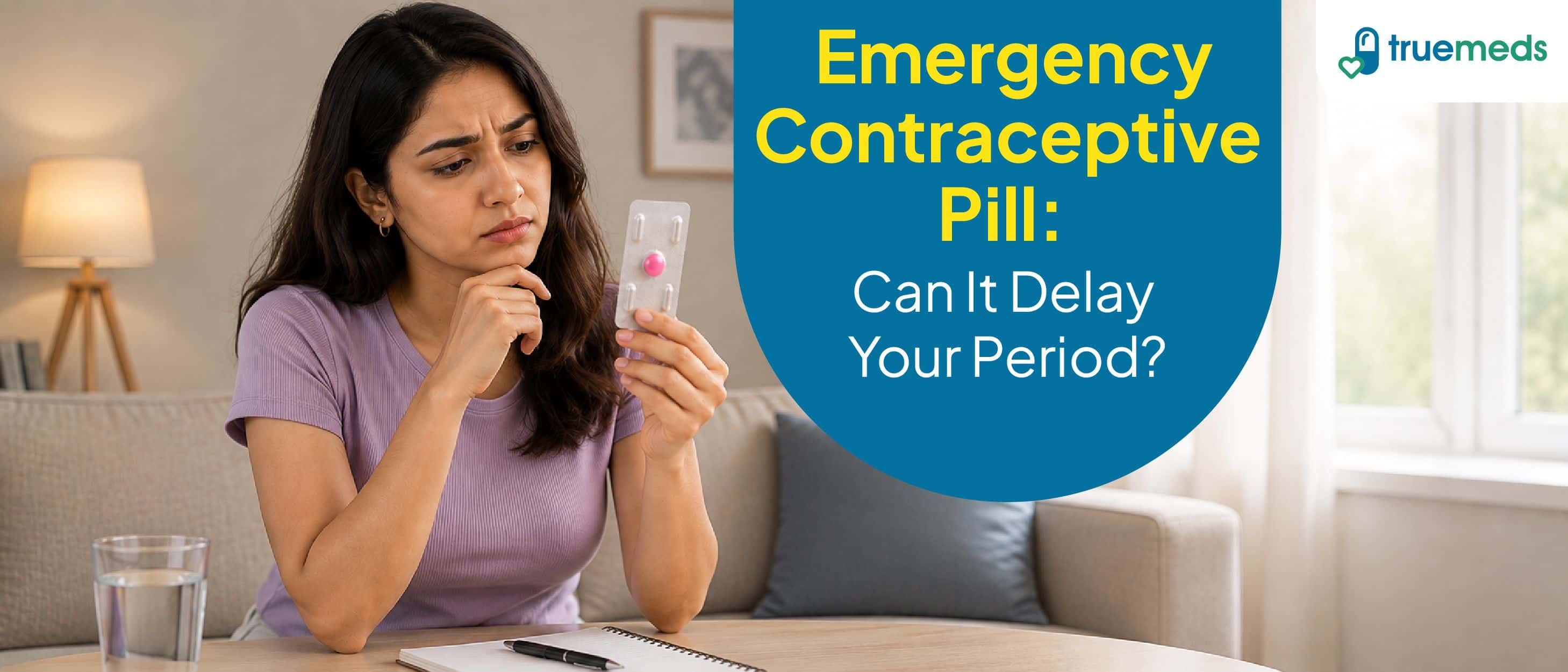
- Emergency contraceptive pills can delay your period by up to seven days, and this is considered a normal side effect.
- These pills work by preventing or delaying ovulation, not by causing abortion.
- Changes to your cycle, including earlier or later periods and altered bleeding patterns, may occur after emergency contraception.
- Take a pregnancy test if your period is more than seven days late or has not arrived within three weeks of taking the pill.
- Spotting and irregular bleeding are common temporary effects.
- Your menstrual cycle should return to normal by the month following emergency contraceptive use.
- Emergency contraception is intended for occasional use; frequent use may cause persistent cycle irregularities.
Many women wonder, "Can emergency pills delay periods?" after taking emergency contraception. This concern is completely understandable, as any change in your menstrual cycle can cause anxiety. Emergency contraceptive pills can prevent up to 95% of pregnancies when taken within five days after intercourse [1]. However, these pills work by affecting hormones that regulate your cycle, which may temporarily alter your period timing. Understanding how emergency contraception interacts with your menstrual cycle can help you know what to expect and when to seek medical advice.
Can emergency contraceptive pills delay your period?
Yes, emergency contraceptive pills can delay your period. Both levonorgestrel-based pills and ulipristal acetate may cause your period to arrive later than usual [2]. This happens because these pills contain hormones that can temporarily disrupt your normal menstrual cycle.
After taking an emergency contraception pill, your next period may come sooner or later than normal. Most women will get their period within a week of the expected date [3]. A delayed period after emergency contraception does not automatically indicate pregnancy or pill failure.
If you are concerned about changes in your cycle, consult a healthcare provider for personalised guidance.
How do emergency contraceptive pills affect the menstrual cycle?
Emergency contraceptive pills work primarily by preventing or delaying ovulation. They do not cause an abortion if pregnancy has already occurred [1]. The most commonly used type contains levonorgestrel, a synthetic form of the hormone progesterone [4].
When you take an emergency contraceptive pill, it introduces a high dose of hormones into your body. This sudden hormonal surge can affect the natural rhythm of your menstrual cycle in several ways:
- Delayed ovulation: If taken before ovulation, the pill may postpone egg release, which can shift your entire cycle timing [1]
- Temporary menstrual changes: Levonorgestrel may temporarily affect the timing, duration, or pattern of the next menstrual period, including spotting or irregular bleeding [4].
These effects are typically temporary, and your cycle should return to normal within a few months.
Emergency contraceptive pills available in India
In India, over-the-counter (OTC) levonorgestrel emergency contraceptive pills, including brands such as i-pill and Unwanted 72, are available for use after unprotected sex or contraceptive failure.
While levonorgestrel emergency contraception is generally recommended to be taken as soon as possible and within 72 hours, each OTC product has its own labelled instructions and time window for use [5]. Therefore, you should check the packaging and follow the directions for the specific product they are taking.
How late can your period be after taking an emergency contraceptive pill?
The timing of your period after emergency contraception can vary based on when in your cycle you took the pill and how your body responds to the hormones.
When a delayed period is considered normal
A delay of up to seven days is considered a common side effect of emergency contraception and is usually no cause for concern [6]. Most women experience their period within this timeframe.
Menstrual changes after emergency contraception may include the following [6]:
- Periods arriving earlier or later than expected
- Lighter or heavier bleeding than usual
- Shorter or longer duration of bleeding
These changes should typically resolve within one cycle, and your period should return to what is normal for you by the following month.
When a late period may need further evaluation
If you do not get your period within 3 weeks after taking emergency contraception, you might be pregnant. A period that is more than 7 days late, unusually light, or different from normal warrants a follow-up pregnancy test [6]. You should also seek medical advice if you experience severe abdominal pain, as this could indicate a complication requiring attention [2].
What other changes can you notice after taking an emergency contraceptive pill?
Beyond period timing changes, emergency contraceptive pills may cause several other temporary effects. Common side effects include nausea, headaches, fatigue, dizziness, breast tenderness, and abdominal pain [3]. These symptoms typically resolve within a few days.
Changes in bleeding patterns
Light spotting or irregular bleeding in the days following emergency contraceptive use is common and does not indicate that the pill has failed. Some women may experience heavier or lighter bleeding than usual during their next period. Women who use emergency contraception pills repeatedly may notice more bleeding irregularities [3].
When should you take a pregnancy test after a late period?
Knowing when to take a pregnancy test can help reduce uncertainty after using emergency contraception. The most reliable approach is to wait for an appropriate time window for accurate results.
You can take a pregnancy test 3 to 4 weeks after taking the emergency contraceptive pill [7]. This timing gives pregnancy hormones enough time to reach detectable levels if conception occurred.
Consider testing in these situations:
- Your period is more than seven days late [6]
- You have not had any period within 3 to 4 weeks of taking the pill [7]
- You experience early pregnancy symptoms such as nausea, breast tenderness, or unusual fatigue [3]
If you think you may be pregnant before three weeks, you can take a pregnancy test, although testing too early may give a less accurate result.
Always consult a healthcare provider for a pregnancy test or further evaluation if you have concerns.
How can you track your next period after taking an emergency contraceptive pill?
Tracking your cycle after emergency contraception can help you understand your body's response and identify when to expect your next period.
Here are practical ways to monitor your cycle:
- Use a period tracking app: Record the date you took the pill and any bleeding or spotting that follows
- Note physical symptoms: Track breast tenderness, cramps, mood changes, or other premenstrual signs
- Mark your expected period date: Calculate based on your usual cycle length from your last period
- Document any irregularities: This information can be helpful if you need to consult a doctor
Keep in mind that using emergency contraception frequently can cause your periods to become more irregular or unpredictable. Emergency contraceptive pills are designed for occasional use rather than as a regular contraceptive method.
FAQs
Can emergency pills make periods early?
Yes, emergency contraceptive pills can cause your period to arrive earlier than expected. This is more likely if you take the pill early in your menstrual cycle. An early period is a normal response to the hormonal changes caused by the medication and should not cause concern.
Is spotting after an emergency pill normal?
Yes, spotting or light bleeding after taking an emergency contraceptive pill is a common side effect. This irregular bleeding typically occurs in the days or weeks following the pill and usually resolves on its own without treatment. It does not indicate pill failure.
Can I take an emergency pill twice in one cycle?
While evidence on repeated use in the same cycle is limited, current research does not suggest significant safety concerns with taking emergency contraception more than once. However, emergency pills are designed for occasional use, and frequent use may lead to more irregular periods.
Does a late period mean the pill failed?
Not necessarily. A period delay of up to seven days is a common side effect of emergency contraception and does not indicate failure. However, if your period is more than seven days late or has not arrived within three weeks, taking a pregnancy test is recommended.
Can emergency pills affect the next cycle?
Emergency contraceptive pills may cause temporary changes to your current cycle, but these effects typically resolve within one menstrual cycle. Your next period should return to what is normal for you. Frequent use of emergency contraception may cause more persistent cycle irregularities.
Medical Disclaimer
This article is for informational purposes only and does not constitute medical advice. The information provided should not be used for diagnosing or treating health conditions. Always consult a qualified healthcare provider for diagnosis, treatment, and personalised medical advice. Do not disregard professional medical advice or delay seeking it because of information found in this article. If you have a medical emergency, contact your doctor or emergency services immediately.
References
World Health Organisation. (2021). Emergency contraception. World Health Organisation. https://www.who.int/news-room/fact-sheets/detail/emergency-contraception
NHS inform. (2026). Emergency contraception. NHS inform. https://www.nhsinform.scot/healthy-living/contraception/emergency-contraception/
Office on Women's Health. (2023). Emergency contraception. U.S. Department of Health and Human Services. https://womenshealth.gov/a-z-topics/emergency-contraception
National Institutes of Health. (2025). Levonorgestrel. StatPearls. https://www.ncbi.nlm.nih.gov/books/NBK539737/