

Glibenclamide + Metformin
Uses of Glibenclamide + Metformin
Glibenclamide + Metformin is a combination medicine used to manage type 2 diabetes mellitus, usually when blood sugar levels cannot be adequately controlled by diet, exercise, or a single antidiabetic medicine alone.
This combination is commonly used for:
• Type 2 diabetes mellitus: Helps lower and control blood glucose levels when lifestyle changes alone are not sufficient.
• Inadequate blood sugar control on a single medicine: Used when treatment with diet, exercise, or one antidiabetic medicine has not achieved the desired blood sugar levels.
Side effects of Glibenclamide + Metformin
Nausea
Diarrhoea
Stomach pain
Headache
Weakness
How Glibenclamide + Metformin works
Glibenclamide + Metformin works through two complementary mechanisms to lower blood sugar levels in people with type 2 diabetes.
Glibenclamide belongs to a class of medicines called sulfonylureas. It stimulates the pancreas to produce more insulin, the hormone that helps move glucose from the blood into the body's cells for energy.
Metformin is a biguanide. It reduces the amount of glucose produced by the liver and improves the sensitivity of body cells to insulin, allowing more glucose to be absorbed from the blood.
Together, Glibenclamide increases the amount of insulin available while Metformin improves how effectively the body uses it, resulting in more comprehensive blood sugar control.
Certified content
Written By

MD Ayurveda
Reviewed By

BAMS, FMC, MD Resident
Expert Advice
Dosage Forms Available
Glibenclamide + Metformin is available in the form of tablets for oral administration.
Age and Dose Restrictions
This medicine is intended for use in adults and children above the age of 10 years.
Contraindications
This combination is contraindicated in patients with type 1 diabetes. It is also not advisable for those with severe kidney disease, liver disease, and metabolic acidosis. Patients known to have an allergy to either Glibenclamide or Metformin should avoid this medicine.
Other Medications to Avoid
Glibenclamide + Metformin may interact with diuretics (such as furosemide and torsemide), steroids (like prednisone, dexamethasone), seizure medicines (like phenytoin, phenobarbital), thyroid medicines (like levothyroxine, liothyronine), certain antibiotics (like levofloxacin, ofloxacin), antifungals (such as fluconazole, itraconazole), calcium channel blockers (like nifedipine, amlodipine), and beta-blockers (like propranolol, atenolol).
Overdose and Missed Dose
Taking more than the prescribed dose may cause lactic acidosis, a serious condition requiring immediate medical attention, as well as symptoms of low blood sugar such as sweating, shakiness, and confusion. If you suspect an overdose, seek medical attention immediately.
If you miss a dose of Glibenclamide + Metformin, take it as soon as you remember. If it is nearly time for your next dose, skip the missed dose and continue with your regular schedule. Do not take a double dose to make up for the missed one.
Management of Side Effects
Most side effects are temporary and generally harmless and resolve after discontinuing this medicine. However, if you experience any severe side effects or worsening of any of the symptoms, please consult your doctor.
If you experience stomach upset or nausea, taking this medication with meals can help.
Consult your doctor if diarrhoea persists for a prolonged period.
Drinking plenty of fluids throughout the day can help manage dizziness and weakness.
Use in Driving and Operating Machinery
This medicine may cause dizziness or weakness, which can affect the ability to drive or operate machinery safely. Caution is advised when performing such tasks.
Use in Pregnancy and Lactation
This combination medicine should be avoided during pregnancy and breastfeeding unless recommended by a doctor.
Caution in Other Conditions
Caution should be exercised when using Glibenclamide + Metformin in patients with kidney or liver conditions.
Elderly patients may also need to exercise caution due to increased sensitivity to the medication's side effects.
Special Dietary and Lifestyle Recommendations
Regular monitoring of blood glucose levels is crucial for tracking the effectiveness of the treatment plan.
Frequently asked questions
Does Glibenclamide + Metformin cause weight gain?
No, Glibenclamide + Metformin generally does not cause weight gain. In fact, metformin is often associated with weight loss.
Can I take Glibenclamide + Metformin if I am a vegetarian or vegan?
Yes, you can. The active ingredients in this medication are synthetic and do not come from animal sources.
Will Glibenclamide + Metformin affect my mood or hormones?
While individual reactions vary, generally, this medicine does not directly affect mood or hormonal balance.
How long does Glibenclamide + Metformin stay in the body?
Both glibenclamide and metformin have relatively short half-lives, meaning they leave the body within a few hours after being taken.
What tests will my doctor monitor while I am taking Glibenclamide + Metformin?
Your doctor will likely monitor your blood glucose levels regularly to assess the effectiveness of the medication.
Are there any natural alternatives to Glibenclamide + Metformin?
It is important to note that they cannot substitute prescription medication like Glibenclamide + Metformin. Always consult your doctor before making any changes to your medication regimen.
Can I develop an allergy to Glibenclamide + Metformin?
Like any other medicine, it is possible to develop an allergic reaction to Glibenclamide + Metformin. If you experience rashes, itching, swelling, severe dizziness or difficulty breathing after taking it, seek immediate medical attention.
What is the use of Glibenclamide + Metformin?
This combination is used in the management of type 2 diabetes mellitus when blood glucose is not adequately controlled by diet and exercise alone. It improves insulin secretion and reduces hepatic glucose production to achieve better glycaemic control.
List of medicines for Glibenclamide + Metformin
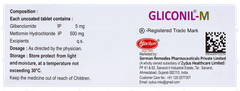
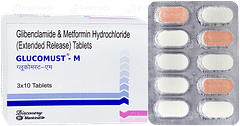
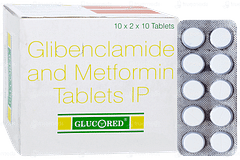
Company
About UsHealth ArticleHealth StoriesHealth LibraryDiseases & Health ConditionsAyurvedaUnderstanding Generic MedicinesAll MedicinesAll BrandsNeed HelpFAQSecuritySavings CalculatorAdvertise with UsSubscribe
Registered Office Address
Grievance Officer
Download Truemeds


Contact Us
Our customer representative team is available 7 days a week from 9 am - 9 pm.
v4.28.14

2026 - Truemeds | All rights reserved. Our content is for informational purposes only. See additional information.

Our Payment Partners




