

Glimepiride + Pioglitazone
Uses of Glimepiride + Pioglitazone
Glimepiride + Pioglitazone is a combination medicine used to manage high blood sugar levels in adults with type 2 diabetes, usually when a single antidiabetic medicine does not provide adequate control.
This combination is commonly used for:
• Type 2 diabetes mellitus: Helps lower and control blood glucose levels alongside diet and exercise.
• Insulin resistance: Improves the body's response to insulin, allowing cells to absorb glucose more effectively.
• Combined blood sugar management: Used when increased insulin release and improved insulin sensitivity are both needed to control blood sugar.
Side effects of Glimepiride + Pioglitazone
Upper respiratory tract infection
Headache
Sinusitis
Muscle pain (myalgia)
How Glimepiride + Pioglitazone works
Glimepiride + Pioglitazone works through two complementary mechanisms to help control blood sugar levels in type 2 diabetes.
Glimepiride belongs to a class of medicines called sulfonylureas. It stimulates the beta cells of the pancreas to release more insulin, the hormone that helps move glucose from the blood into the body's cells.
Pioglitazone is a thiazolidinedione. It makes muscle, fat, and liver cells more sensitive to insulin, helping them absorb and use glucose more effectively.
Together, Glimepiride increases the amount of insulin available while Pioglitazone improves how well the body responds to it, giving more effective blood sugar control than either medicine alone.
Certified content
Written By

Doctor of Medicine
Reviewed By

BAMS, FMC, MD Resident
Expert Advice
Dosage Forms Available
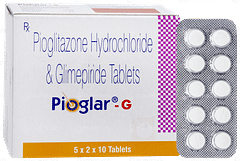
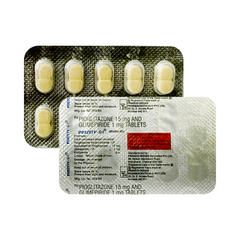
Glimepiride + Pioglitazone is available for use via oral route in the form of tablets.
Age and Dose Restrictions
This medicine is intended for adults and children above the age of 10 years.
Contraindications
Glimepiride + Pioglitazone is contraindicated in patients with type 1 diabetes mellitus, severe liver impairment or heart failure of NYHA Class III or IV.
Other Medications to Avoid
Glimepiride + Pioglitazone may interact with other anti-diabetic medications (such as insulin, liraglutide), corticosteroids (like prednisolone, hydrocortisone), thyroid hormones (like levothyroxine, liothyronine), diuretics (like furosemide, torsemide), anticoagulants (such as warfarin, heparin) and certain antifungal medicines (like fluconazole, miconazole).
Overdose and Missed Dose
Taking more than the prescribed dose may cause hypoglycaemia (low blood sugar), with symptoms such as lightheadedness, shaking, a fast heartbeat, sudden sweating, or blurred vision. If you suspect an overdose, seek medical attention immediately.
If you miss a dose of Glimepiride + Pioglitazone, take it as soon as you remember. If it is nearly time for your next dose, skip the missed dose and continue with your regular schedule. Do not take a double dose to make up for the missed one.
Management of Side Effects
Most side effects are temporary and generally harmless and resolve after discontinuing this medicine. However, if you experience any severe side effects or worsening of any symptoms, please consult your doctor.
To manage common side effects like headache and sinusitis, try rest techniques.
Drinking plenty of fluids can help manage symptoms of upper respiratory tract infection and swelling or oedema.
Use in Driving and Operating Machinery
Glimepiride + Pioglitazone may cause dizziness or blurred vision. If you experience these side effects, avoid driving or operating heavy machinery.
Use in Pregnancy and Lactation
Glimepiride + Pioglitazone is not usually recommended for use during pregnancy or while breastfeeding. Consult your doctor before using this medication if you are pregnant, planning a pregnancy, or breastfeeding.
Caution in Other Conditions
Patients with congestive heart failure, liver impairment, diabetic ketoacidosis, and premenopausal anovulation should exercise caution when taking Glimepiride + Pioglitazone.
Special Dietary and Lifestyle Recommendations
Maintaining a balanced diet low in simple sugars and high in fibre can help manage type 2 diabetes.
Regular monitoring of blood glucose is essential to check the effectiveness of the medication.
Frequently asked questions
Is Glimepiride + Pioglitazone a steroid?
No, Glimepiride + Pioglitazone is not a steroid. It is a combination of two antidiabetic medications.
Does Glimepiride + Pioglitazone have any effect on sleep?
Glimepiride + pioglitazone generally don’t have a direct effect on sleep. However, individual responses can vary. If you experience sleep issues while taking these medications, consult your healthcare provider.
Will Glimepiride + Pioglitazone affect fertility?
Glimepiride + pioglitazone typically do not affect fertility. If you have concerns or underlying conditions, it is best to consult with your healthcare provider.
Is it safe to take Glimepiride + Pioglitazone daily?
Yes, it is generally safe to take Glimepiride + Pioglitazone daily as prescribed by your doctor. Regular monitoring of blood glucose and liver enzymes is necessary.
How much time does Glimepiride + Pioglitazone take to work?
Glimepiride + pioglitazone usually starts to lower blood sugar levels within a few days to weeks of starting treatment, but it may take several weeks to see the full effect. Regular monitoring is important to assess their effectiveness.
What is the best time to take Glimepiride + Pioglitazone?
Glimepiride + Pioglitazone should be taken once daily with your first main meal to reduce the risk of hypoglycaemia.
Is Glimepiride + Pioglitazone available over the counter, or do I need a prescription?
Glimepiride + Pioglitazone is a prescription medicine and is not available over the counter.
Glimepiride + Pioglitazone in other salts
List of medicines for Glimepiride + Pioglitazone


Company
About UsHealth ArticleHealth StoriesHealth LibraryDiseases & Health ConditionsAyurvedaUnderstanding Generic MedicinesAll MedicinesAll BrandsNeed HelpFAQSecuritySavings CalculatorAdvertise with UsSubscribe
Registered Office Address
Grievance Officer
Download Truemeds


Contact Us
Our customer representative team is available 7 days a week from 9 am - 9 pm.
v4.28.13

2026 - Truemeds | All rights reserved. Our content is for informational purposes only. See additional information.

Our Payment Partners