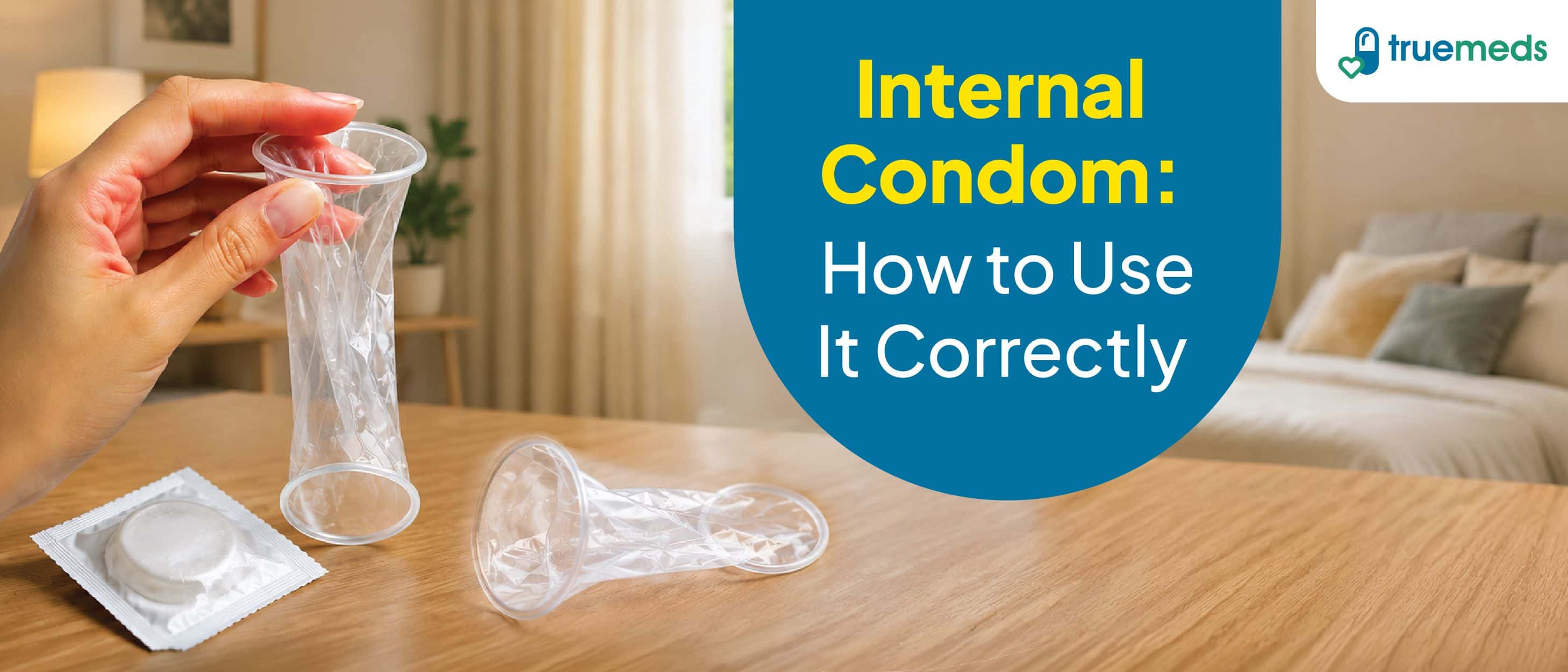
Learning how to use a women's condom correctly can give you greater control over pregnancy prevention and protection from sexually transmitted infections. The internal condom, also known as the female condom, is a thin pouch made of nitrile or soft plastic that you insert into the vagina before sex [1]. This barrier method is up to 95% effective at preventing pregnancy when used correctly [2]. This guide explains how to use female condoms to avoid pregnancy effectively, covering proper insertion, removal, and tips for a comfortable experience.
Key Takeaways
- Internal condoms are thin pouches inserted into the vagina before sex to prevent pregnancy and reduce STI transmission
- They are up to 95% effective with perfect use and 79% effective with typical use
- Proper insertion involves squeezing the inner ring and pushing it up until it rests against the cervix
- Never use male and female condoms together, as friction can cause tearing
- Each condom is for single use only and should be disposed of in the bin, not flushed
- Additional lubricant can improve comfort and help prevent slipping or tearing
- People with latex allergies should select nitrile or polyurethane options
What is an internal condom?
An internal condom is a thin, soft pouch made of nitrile (a latex-free synthetic rubber) or polyurethane that lines the vagina during sex [1]. It creates a physical barrier that prevents sperm from reaching the egg.
The condom has two flexible rings: an inner ring that helps with insertion and holds the condom in place against the cervix, and an outer ring that remains outside the vagina [1]. This design allows the internal condom to cover both internal and some external genital areas.
Female condom vs male condom: What's the difference?
Both types of condoms act as barrier methods for contraception and infection prevention, but they differ in several important ways.
Ease of use
The internal condom offers a distinct advantage: you can insert it ahead of time (up to 8 hours) rather than during intimate moments [2]. This advance placement can make the experience feel more spontaneous. External (male) condoms, on the other hand, must be put on an erect penis immediately before penetration [3].
Pregnancy protection
When used correctly every time, internal condoms are up to 95% effective at preventing pregnancy [2]. With typical use (accounting for occasional errors), effectiveness drops to about 79%, meaning approximately 21 out of 100 women may experience unintended pregnancy within a year [4].
STI protection
Both condom types can help reduce the risk of sexually transmitted infections when used correctly [3]. Internal condoms may offer additional protection since the outer ring covers some external genital skin [1]. However, correct use reduces risk but does not eliminate it completely [3].
How to use a female condom correctly
Proper technique is essential for maximising the protective benefits of an internal condom.
Before inserting the internal condom
Check the expiration date printed on the packaging. Carefully open the packet and inspect the condom for any tears, holes, or defects [5]. The condom comes pre-lubricated, but you may apply additional water-based or silicone-based lubricant to the outside for added comfort [1].
Do not use an internal condom if it appears damaged or has passed its expiration date.
How to insert a female condom step by step
Follow these steps for proper insertion [1]:
- Find a comfortable position: standing with one foot elevated, squatting, or lying down.
- Hold the closed end of the condom and squeeze the sides of the inner ring together between your thumb and forefinger.
- Insert the squeezed inner ring into the vagina like a tampon.
- Use your finger to push the inner ring as far up as it can go until it rests against the cervix.
- Ensure the condom is not twisted inside.
- Leave the outer ring outside the vagina, lying flat against the external genital area.
The outer ring should remain visible and accessible throughout intercourse [1].
How to remove and dispose of it safely
After sex, twist the outer ring to keep fluids contained inside [1]. Gently pull the condom out. Wrap it in tissue and dispose of it in a rubbish bin. Never flush internal condoms down the toilet, as they can cause blockages [5].
Each internal condom is designed for single use only. Never reuse condoms.
Common mistakes to avoid when using a female condom
Avoiding these errors helps maintain the condom's protective effectiveness [1, 5]:
- Using both male and female condoms together: This creates friction between the two materials, which can cause one or both to tear
- Reusing the condom: Internal condoms are single-use only; reusing them significantly reduces protection
- Not checking for proper placement during sex: If the penis slips between the condom and the vaginal wall, stop and reposition the condom
- Using incompatible lubricants: Check the packaging to ensure your lubricant is suitable for the condom material
- Flushing condoms: This can clog plumbing; always dispose of condoms in the bin
What does using an internal condom feel like?
Sensation and comfort vary among users. Research shows that approximately half of women rated the feeling of using an internal condom as the same as or better than using a male condom [6].
Initially, you may notice the condom during intercourse, but this awareness typically decreases with experience. If discomfort persists, adding lubricant inside the condom or adjusting the position may help [6].
Read about: When Is the Best Age to Get Pregnant
When should you not use a female condom?
While internal condoms suit most people, certain situations may require alternative contraception methods [2]:
- Material sensitivity: Internal condoms are typically latex-free and are commonly made from nitrile or polyurethane. If you are allergic to any of these materials, check the packaging carefully.
- Concurrent use with male condoms: Never use both simultaneously due to increased tearing risk.
Consult your healthcare provider to determine the most suitable contraceptive method for your individual needs.
Tips for making female condoms more comfortable and effective
These strategies can improve your experience with internal condoms [1, 6]:
- Use additional lubricant: Apply water-based or silicone-based lubricant to the outside of the condom or inside the vagina to reduce friction and prevent slipping or tearing
- Practice insertion: Try inserting the condom a few times before using it during sex to build confidence and familiarity
- Guide the penis during entry: This ensures the penis enters the condom rather than slipping beside it
- Communicate with your partner: Open discussion about condom use can make the experience more comfortable for both partners
Internal condoms are a woman-initiated, non-hormonal contraceptive option that provides protection without requiring partner cooperation. In India, internal condoms are not yet part of the national family planning programme, though they could offer valuable reproductive autonomy for many individuals [7].
FAQs
How does an internal condom work?
An internal condom creates a physical barrier inside the vagina that prevents sperm from reaching the egg. The flexible pouch is worn inside the vagina during sex and helps prevent sperm from entering the womb.
Is a female condom as effective as a male condom?
Yes. Female (internal) condoms can be effective when used correctly and consistently. Like male (external) condoms, they help prevent pregnancy and reduce the risk of sexually transmitted infections, including HIV.
Can female condoms protect against sexually transmitted infections?
Yes. hen used correctly, female condoms help reduce the risk of STIs, including HIV. The outer ring may provide additional protection by covering some external genital skin. However, they reduce risk rather than eliminate it completely.
What are the disadvantages of using internal condoms?
Internal condoms may require practice for proper insertion, can occasionally slip during use, and may be more expensive than male condoms. Some people find them less readily available in shops compared to external condoms.
Is inserting a female condom painful?
Inserting a female condom should not be painful. Some people experience mild discomfort initially while learning the technique. If you feel persistent pain, try using more lubricant or consult a healthcare provider.
Can I use a male and female condom together?
No, you should never use both simultaneously. The friction between the two condoms can cause one or both to tear, reducing protection against pregnancy and infections.
Are female condoms reusable?
No, internal condoms are designed for single use only. Reusing them significantly reduces their effectiveness and increases the risk of pregnancy and infection transmission.
Do female condoms require a prescription?
No, internal condoms are available without a prescription. You can purchase them at pharmacies, some supermarkets, and online retailers.
Medical Disclaimer
This article is for informational purposes only and does not constitute medical advice. The information provided should not be used for diagnosing or treating health conditions. Always consult a qualified healthcare provider for diagnosis, treatment, and personalised medical advice. Do not disregard professional medical advice or delay seeking it because of information found in this article. If you have a medical emergency, contact your doctor or emergency services immediately.
References
Centers for Disease Control and Prevention. (2025). Preventing HIV with condoms. CDC. https://www.cdc.gov/hiv/prevention/condoms.html
National Health Service. (2024). Internal (female) condoms. NHS. https://www.nhs.uk/contraception/methods-of-contraception/internal-condoms/
Centers for Disease Control and Prevention. (2025). Condom use: An overview. CDC. https://www.cdc.gov/condom-use/index.html
NHS Inform. (2026). Internal condoms. NHS Inform. https://www.nhsinform.scot/healthy-living/contraception/internal-condoms/