

Silymarin
Drugs For Liver DiseaseUses of Silymarin
Silymarin is a milk-thistle extract sold as a dietary supplement for liver support. Research has not established it as a treatment for fatty liver disease, hepatitis, cirrhosis, or alcohol-related liver damage.
Silymarin is commonly used for:
- Dietary supplementation: Provides a mixture of flavonolignans with antioxidant activity in laboratory studies.
- Adjunctive liver support: It is sometimes used alongside standard care, but clinical evidence is inconsistent and it should not replace diagnosis or prescribed treatment.
Side effects of Silymarin
- Abdominal fullness
- Bloating
- Flatulence
- Abdominal pain
- Anorexia (lack of appetite)
- Nausea
- Diarrhoea
- Headache
- Pruritus (generalised itching)
How Silymarin works
Silymarin extracted from milk thistle (Silybum marianum), protects liver cells and supports their natural repair processes.
As a liver-protective agent, silymarin acts in several ways:
- Antioxidant action: Neutralises free radicals and reactive oxygen species that damage liver cells, while helping maintain glutathione, one of the body's key antioxidants.
- Cell membrane support: Binds to the outer membrane of liver cells, strengthening it and blocking the entry of liver-toxic substances such as alcohol metabolites and other toxins.
- Cell regeneration: Promotes the production of proteins needed to repair and regenerate damaged liver tissue.
- Reduced inflammation and scarring: Limits the activity of enzymes and inflammatory pathways involved in liver fibrosis (scarring), helping to slow further liver damage.
Certified content
Written By

MBBS
Reviewed By

MBBS, DNB (OBGY)
Expert Advice
Dosage Forms Available
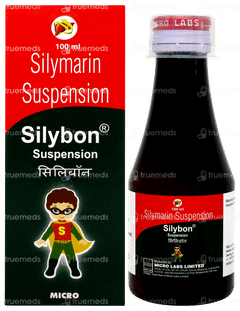
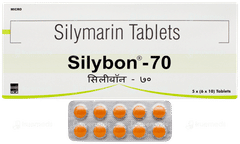
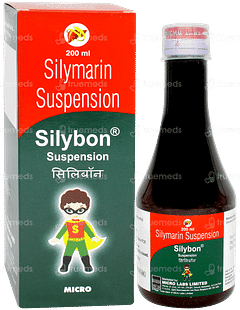
- Silymarin can be taken orally (tablet and suspension).
Age and Dose Restrictions
- It is not intended to be used by children.
Contraindications
- It is contraindicated in patients with a history of hypersensitivity to Silymarin. It is also contraindicated in patients with hormonal disorders like uterine, breast, and ovarian cancer.
Other Medications To Avoid With This Medicine
- Avoid taking analgesics & antipyretics (paracetamol), lipid-lowering medications (atorvastatin), anticonvulsatns (phenytoin), antipsychotics (risperidone), blood thinners (warfarin), anti-allergy medications (allegra), and anti-anxiety medications (alprazolam). These medications may alter the safety and effectiveness of Silymarin.
Overdose and Missed Dose
- Silymarin is generally well tolerated, but taking more than the recommended dose may cause digestive discomfort such as nausea, loose stools, or abdominal bloating. Serious adverse effects from overdose are uncommon. If you experience persistent or worsening symptoms after taking a larger-than-recommended dose, consult your doctor promptly.
- If you miss a dose of Silymarin, take it as soon as you remember. If it is nearly time for your next dose, skip the missed dose and continue with your regular schedule. Do not take two doses at the same time to compensate for the missed one.
Use In Driving And Operating Machinery
- The impact of this medication on driving is uncertain. Should you experience any symptoms, please seek advice from your doctor.
Use in Pregnancy and Lactation
- This medication is not recommended during pregnancy and breastfeeding.
Caution In Other Conditions
- Caution is advised in elderly patients with any other pre-existing diseases.
Special Dietary & Lifestyle Recommendation
- Avoid taking painkillers in excess if you have been diagnosed with liver disease or liver damage as these medicines can cause further damage to the liver.
- Avoid alcohol consumption.
- Get your liver function test done routinely on the advice of your doctor to monitor liver enzyme levels.
Frequently asked questions
Can Silymarin cure fatty liver?
It can help in fatty liver to some extent as it helps in the regeneration of liver cells.
When is the best time to take Silymarin?
Take it as directed by your doctor. It is best to take it after meals to avoid abdominal discomfort.
Does Silymarin cause gas?
Yes. stomach upset, gas and flatulence are the common side effects seen with the use of this medication.
Who should not take Silymarin?
It should not be taken by children under 18 years of age.
Is Silymarin good for the heart?
It is mainly given for its liver protective effect. However, some studies have shown its benefit in heart conditions, but it has not been approved for the same.
What is Silymarin used for?
Silymarin is used to protect liver cells, support liver function, and treat liver disorders like hepatitis, cirrhosis, and fatty liver disease. It has antioxidant and anti-inflammatory properties that help reduce liver inflammation and promote regeneration of liver cells.
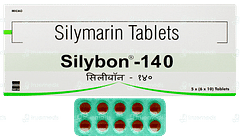
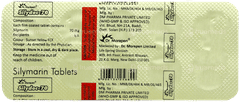
List of medicines for Silymarin
Company
About UsHealth ArticleHealth StoriesHealth LibraryDiseases & Health ConditionsAyurvedaUnderstanding Generic MedicinesAll MedicinesAll BrandsNeed HelpFAQSecuritySavings CalculatorAdvertise with UsSubscribe
Registered Office Address
Grievance Officer
Download Truemeds


Contact Us
Our customer representative team is available 7 days a week from 9 am - 9 pm.
v4.28.13

2026 - Truemeds | All rights reserved. Our content is for informational purposes only. See additional information.

Our Payment Partners




