

S-Metoprolol
Uses of S-Metoprolol
S-Metoprolol is used to manage high blood pressure (hypertension), manage chest pain (angina), and manage heart failure. It belongs to a class of medicines called beta-blockers, which help slow the heart rate and reduce its workload.
S-Metoprolol is commonly used for:
• Hypertension: Lowers high blood pressure, reducing strain on the heart and blood vessels.
• Angina pectoris: Reduces the frequency and severity of chest pain caused by reduced blood flow to the heart.
• Heart failure: Helps improve heart function and reduce symptoms in people with certain types of heart failure.
• Long-term cardiovascular protection: Used as part of ongoing treatment to help protect the heart in people with cardiovascular conditions.
Side effects of S-Metoprolol
Fatigue
Dizziness
Bradycardia (slow heart rate)
Hypotension (low blood pressure)
Gastrointestinal disturbances (nausea, diarrhoea)
How S-Metoprolol works
S-Metoprolol works by reducing the workload on the heart.
S-Metoprolol is a beta-blocker. It works by blocking the effect of adrenaline on the heart, which slows the heart rate and reduces the force of each heartbeat. This lowers the amount of oxygen the heart muscle needs, which helps reduce chest pain in angina and lowers blood pressure in hypertension.
In heart failure, this reduced workload allows the heart to pump more efficiently over time, which can help improve symptoms and heart function.
S-Metoprolol is the S-enantiomer of metoprolol and exerts the beta-blocking activity of the racemic medicine. Use it as prescribed by your doctor.
Certified content
Written By

Doctor of Medicine
Reviewed By

Bachelor of Dental Surgery
Expert Advice
Dosage Forms Available
S- Metoprolol is available in the form of extended-release tablets for oral administration.
Age and Dose Restrictions
This medication is suitable for adults and children above 18 years of age.
Contraindications
Patients with known hypersensitivity to S-Metoprolol should not use this medication.
It is also contraindicated in patients suffering from cardiogenic shock, severe bradycardia, heart block greater than first-degree, sick sinus syndrome, and decompensated heart failure.
Other Medications to Avoid
S-Metoprolol can interact with CYP2D6 inhibitors (eg., quinidine, fluoxetine and paroxetine) and CYP2D6 inducers (eg., dexamethasone and corticosterone).
Overdose and Missed Dose
- Taking more than the prescribed dose of S-Metoprolol may cause symptoms such as a very slow heartbeat, low blood pressure, dizziness, or fainting. If you suspect an overdose, seek medical attention immediately.
If you miss a dose of S-Metoprolol, take it as soon as you remember. If it is nearly time for your next dose, skip the missed dose and continue with your regular schedule. Do not take a double dose to make up for the missed one.
Management of Side Effects
Most side effects are temporary and generally harmless and resolve when discontinuing this medicine. However, if you experience any severe side effects or worsening of any of the symptoms, please consult your doctor.
Drinking plenty of water can help manage the dizziness and fatigue associated with this medication.
Stand up slowly from a sitting or lying position to prevent a sudden drop in blood pressure.
Use in Driving and Operating Machinery
This medicine can affect your ability to drive or operate heavy machines. Avoid these activities if you experience dizziness or drowsiness after taking this medicine.
Use in Pregnancy and Lactation
It's advised to consult your doctor before using S-Metoprolol during pregnancy or breastfeeding.
Caution in Other Conditions
Patients with peripheral vascular disease, diabetes mellitus, thyrotoxicosis, hepatic impairment, renal impairment, myasthenia gravis, and a history of severe allergic reactions should exercise caution while taking this medicine.
Special Dietary and Lifestyle Recommendations
Regular monitoring of blood pressure and heart rate is recommended when taking S-Metoprolol.
A balanced diet high in fruits, vegetables, whole grains, lean protein, and low-fat dairy products should be followed.
Frequently asked questions
Will S-Metoprolol affect my mood or behaviour?
S-Metoprolol can cause sleep disturbances such as insomnia and nightmares, which can indirectly affect your mood and behaviour. Always consult your doctor if you experience any unusual mood or behaviour changes while taking this medicine.
Are there any natural alternatives to S-Metoprolol?
There are no natural alternatives that can replace the therapeutic effects of S-Metoprolol. The decision to use this medicine should be based on a doctor’s assessment of your medical condition and needs.
Will S-Metoprolol have any effect on my hormones?
S-Metoprolol does not directly affect hormone levels. However, it is always wise to consult your doctor if you have any hormonal concerns.
Does S-Metoprolol have any effect on the menstrual cycle?
S-Metoprolol is not directly associated with affecting the menstrual cycle. If you have concerns, please consult your doctor.
Can S-Metoprolol cause dependency or withdrawal symptoms?
S-Metoprolol does not cause dependency, but sudden discontinuation can lead to withdrawal symptoms like chest pain or heart attack. Always consult your doctor before stopping the medication.
Can S-Metoprolol cause me to feel tired?
Yes, one of the common side effects of S-Metoprolol is fatigue or feeling tired. If you experience excessive tiredness, consult your doctor.
Can S-Metoprolol be taken for a long time?
Yes. However, you should take S-Metoprolol only as long as it is prescribed by your doctor, and you should not stop taking it abruptly without consulting your doctor.
What is S-Metoprolol used for?
S-Metoprolol is a cardioselective beta-blocker used to treat high blood pressure, angina, and some heart rhythm disorders by lowering heart rate and blood pressure.
S-Metoprolol in other salts
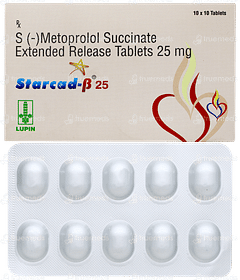
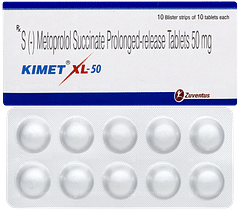
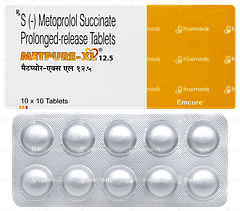
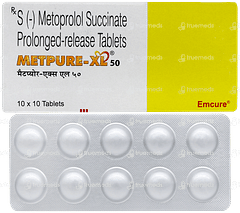
List of medicines for S-Metoprolol
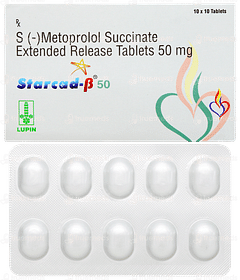
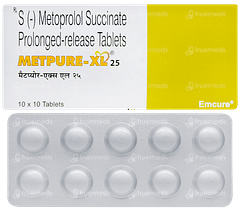
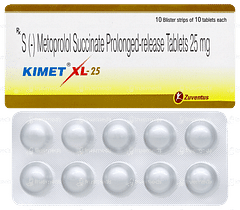
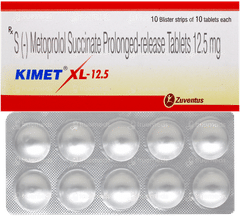
Company
About UsHealth ArticleHealth StoriesHealth LibraryDiseases & Health ConditionsAyurvedaUnderstanding Generic MedicinesAll MedicinesAll BrandsNeed HelpFAQSecuritySavings CalculatorAdvertise with UsSubscribe
Registered Office Address
Grievance Officer
Download Truemeds


Contact Us
Our customer representative team is available 7 days a week from 9 am - 9 pm.
v4.28.20

2026 - Truemeds | All rights reserved. Our content is for informational purposes only. See additional information.

Our Payment Partners




