

Cefoperazone + Sulbactam
AntibioticUses of Cefoperazone + Sulbactam
- Cefoperazone + Sulbactam is used to treat serious bacterial infections caused by susceptible bacteria.
- It is also used to treat infections of the respiratory tract, urinary tract, abdomen, skin, soft tissues, bones, joints, and genital tract; septicaemia (a serious bloodstream infection); and bacterial meningitis.
Side effects of Cefoperazone + Sulbactam
- Diarrhoea
- Nausea
- Vomiting
- Headache
- Pain at the injection site
- Pain or inflammation of a vein
- Increased liver enzyme levels
- Reduced levels of white blood cells, haemoglobin or platelets
How Cefoperazone + Sulbactam works
- Cefoperazone + Sulbactam combines a third-generation cephalosporin antibiotic with a beta-lactamase inhibitor.
- Cefoperazone kills bacteria by preventing the formation of their protective cell wall.
- Sulbactam blocks certain enzymes produced by bacteria that can break down cefoperazone.
Certified content
Written By

MBBS
Reviewed By

MBBS, DNB (OBGY)
Expert Advice
Dosage Forms Available
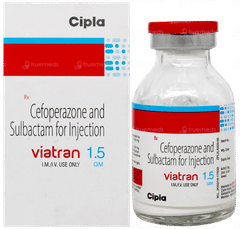
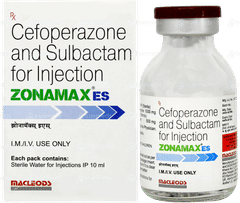
- Cefoperazone + Sulbactam is available as a dry powder in a vial for preparing an injection.
- It may be administered as an intravenous or intramuscular injection.
- It must be prepared and administered by a healthcare professional.
Age and Dose Restrictions
- Cefoperazone + Sulbactam may be used in adults and children.
- The dose depends on the patient’s age, weight, infection severity, ratio of the 2 components in the product, and kidney and liver function.
- Before administering it to premature babies or newborns, the doctor will carefully assess the potential benefits and risks.
- Follow the dose and treatment duration prescribed by the doctor.
Contraindications
- Do not use Cefoperazone + Sulbactam if you are allergic to cefoperazone, sulbactam, penicillins, cephalosporins or another beta-lactam antibiotic.
- Tell your doctor if an antibiotic has previously caused swelling of your face or throat, breathing difficulty or a severe skin reaction.
- Vitamin K deficiency is not a contraindication, but it may increase the risk of bleeding and require monitoring.
Other Medicines to Avoid With This Medicine
- Aminoglycoside antibiotics, such as amikacin, must not be mixed with Cefoperazone + Sulbactam in the same syringe or solution.
- If both antibiotics are required, administer them separately using different intravenous lines. Kidney function may need to be monitored.
- Blood-thinning medicines, such as warfarin, may increase the risk of bleeding.
- Tell your doctor about all medicines, vitamins and supplements you use.
- Avoid alcohol and alcohol-containing products during treatment and for at least 5 days after the last dose.
Overdose and Missed Dose
- An overdose may worsen the medicine’s side effects. Very high levels of beta-lactam antibiotics may cause neurological effects, including seizures.
- Tell your healthcare professional immediately if you suspect you have taken too much medicine.
- This injection is usually given by a doctor or nurse. Inform them as soon as possible if you miss a scheduled dose.
- Do not give a double dose to make up for a missed dose.
Driving and Operating Machinery
- Cefoperazone + Sulbactam is unlikely to affect your ability to drive or operate machinery.
- Do not drive or operate heavy machinery if you experience dizziness, headache or feel unwell.
Use in Pregnancy and Breastfeeding
- Use Cefoperazone + Sulbactam only when the doctor considers it clearly necessary.
- Small amounts of cefoperazone and sulbactam may pass into breast milk.
- Use it during breastfeeding only with caution and under medical supervision.
Caution in Other Conditions
- The sulbactam dose may need to be reduced in people with severe kidney disease.
- Dose adjustment and monitoring may be required in severe liver disease or when bile flow from the liver is blocked.
- Medicine levels may require monitoring if both kidney and liver function are impaired.
- People with poor nutrition, difficulty absorbing nutrients or prolonged intravenous feeding may have a higher risk of vitamin K deficiency and bleeding.
- During prolonged treatment, the doctor may monitor kidney function, liver function and blood cell counts.
- Tell your doctor if an antibiotic has previously caused severe diarrhoea or inflammation of the large intestine.
Special Dietary and Lifestyle Recommendations
- Do not drink alcohol during treatment or for at least 5 days after the last dose. Alcohol may cause flushing, sweating, headache and a rapid heartbeat.
- Drink enough water unless your doctor has advised you to limit fluids.
- Follow a balanced, nutritious diet.
- Wash your hands regularly and maintain good hygiene to help prevent the spread of infection.
- Complete the antibiotic course your doctor prescribed, even if you start feeling better.
Frequently asked questions
Is Cefoperazone + Sulbactam safe during pregnancy?
Adequate safety information is unavailable. A doctor may prescribe it during pregnancy only when treatment is clearly necessary, and the expected benefit outweighs the potential risk.
Is Cefoperazone + Sulbactam safe during breastfeeding?
Small amounts may pass into breast milk. It should be used during breastfeeding only under medical advice and monitoring.
What dose of Cefoperazone + Sulbactam should be administered?
The dose depends on the patient’s age, weight, infection severity, ratio of the 2 ingredients, and kidney and liver function. A doctor or nurse administers it according to the prescribed schedule.
Is Cefoperazone + Sulbactam safe for people with liver disease?
It may be used in people with liver disease, but severe liver impairment or blocked bile flow may require dose adjustment and regular monitoring.
Is Cefoperazone + Sulbactam safe for people with kidney disease?
The doctor may reduce the sulbactam dose in people with severe kidney impairment. The dose and administration time may also need to be adjusted in patients undergoing dialysis.
What is Cefoperazone + Sulbactam used for?
It is used to treat bacterial infections caused by susceptible bacteria. These include infections of the respiratory tract, urinary tract, abdomen, skin, soft tissues, bones, joints and genital tract, as well as septicaemia and bacterial meningitis.
Does Cefoperazone + Sulbactam treat viral infections?
No. It is an antibiotic used only for bacterial infections. It does not treat viral infections such as the common cold or flu.
Can I drink alcohol while receiving Cefoperazone + Sulbactam?
No. Avoid alcohol during treatment and for at least 5 days after the last dose. Drinking alcohol may cause flushing, sweating, headache and a rapid heartbeat.
List of medicines for Cefoperazone + Sulbactam
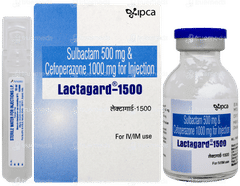
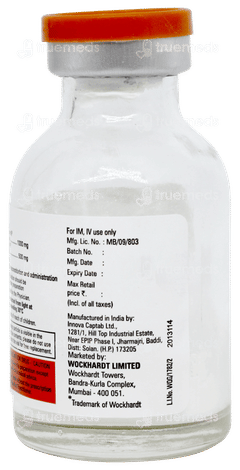
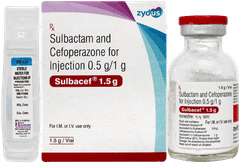
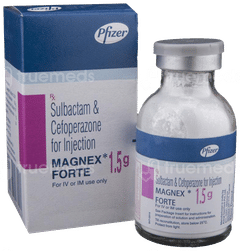
Company
About UsHealth ArticleHealth StoriesHealth LibraryDiseases & Health ConditionsAyurvedaUnderstanding Generic MedicinesAll MedicinesAll BrandsNeed HelpFAQSecuritySavings CalculatorAdvertise with UsSubscribe
Registered Office Address
Grievance Officer
Download Truemeds


Contact Us
Our customer representative team is available 7 days a week from 9 am - 9 pm.
v4.28.13

2026 - Truemeds | All rights reserved. Our content is for informational purposes only. See additional information.

Our Payment Partners