

Iguratimod
Uses of Iguratimod
Iguratimod is a disease-modifying antirheumatic drug (DMARD) used to manage rheumatoid arthritis.
It is commonly used for:
• Rheumatoid arthritis: Reduces joint pain, swelling, and stiffness.
• Slowing joint damage: Helps limit long-term joint damage caused by ongoing inflammation.
• Combination therapy: Used alongside other DMARDs, such as methotrexate, when a single medicine is not enough, as prescribed by your doctor.
Side effects of Iguratimod
Nausea
Diarrhoea
Constipation
Skin Rash
How Iguratimod works
Iguratimod works by reducing the production of inflammatory chemical messengers called cytokines, which drive joint inflammation in rheumatoid arthritis.
In rheumatoid arthritis, the immune system mistakenly attacks the joint lining, causing swelling and gradual damage to joint tissue.
By reducing cytokine activity and the activity of certain immune cells, Iguratimod helps calm this inflammation, which reduces joint pain and swelling and slows the progression of joint damage over time.
Certified content
Written By

Doctor of Medicine
Reviewed By

BAMS, FMC, MD Resident
Expert Advice
Dosage Forms Available
Iguratimod is available as an oral medication in the form of tablets. It is indicated for use via the oral route.
Age and Dose Restrictions
This medicine is meant for adults only.
Contraindications
Individuals with severe liver impairment should not use Iguratimod.
It is also contraindicated in individuals with severe renal impairment, and severe or uncontrolled infections.
Other Medications to Avoid
Iguratimod can interact with anticoagulants (such as warfarin), immunosuppressants (such as cyclosporine) and potentially hepatotoxic medications (like acetaminophen).
Overdose and Missed Dose
- Taking more than the prescribed dose may increase the risk of side effects. If you accidentally take more than prescribed or develop unusual symptoms, seek medical attention immediately.
If you miss a dose of Iguratimod, take it as soon as you remember. If it is nearly time for your next dose, skip the missed dose and continue with your regular schedule. Do not take a double dose to make up for the one you missed.
Management of Side Effects
Most side effects are temporary and generally harmless and resolve when discontinuing this medicine. However, if you experience any severe side effects or worsening of any of the symptoms, please consult your doctor.
For managing gastrointestinal effects like nausea and diarrhoea, try taking the medication with food.
Staying well-hydrated may help alleviate symptoms like constipation or dizziness.
Use in Driving and Operating Machinery
Iguratimod may cause dizziness or fatigue. It is recommended to avoid driving or operating heavy machinery if such side effects are experienced.
Use in Pregnancy and Lactation
The safety of Iguratimod during pregnancy and lactation has not been established. Hence, it is advised to consult your doctor before using this medicine if you are pregnant or breastfeeding.
Caution in Other Conditions
Caution is advised for patients with pre-existing liver disease, kidney impairment, individuals at an increased risk of infection, and elderly patients while using Iguratimod.
Regular monitoring of liver function tests should be done when using this medicine.
Special Dietary and Lifestyle Recommendations
Eating a balanced diet rich in fruits, vegetables, lean proteins and whole grains can help manage the underlying condition - rheumatoid arthritis.
Engaging in low-impact exercises such as walking, cycling or swimming can help maintain joint flexibility and build muscle strength.
Frequently asked questions
Can Iguratimod cause sleep disturbances?
Iguratimod is not associated with causing sleep disturbances. It is primarily used for managing rheumatoid arthritis and does not typically impact sleep patterns.
Will Iguratimod have any impact on fertility?
Iguratimod is not associated with any impact on fertility. It is used for managing rheumatoid arthritis and has no known effects on reproductive health.
Is it safe to take Iguratimod daily?
Yes, but it should only be taken as per the duration and dosage advised by your doctor.
How much time does Iguratimod take to show its effect?
The onset of action of Iguratimod can vary from person to person; however, some improvement in symptoms may be noticed within 4 weeks.
Do I need a prescription for Iguratimod?
Yes, a prescription from a registered medical practitioner is required to obtain Iguratimod.
Is Iguratimod a steroid?
No, Iguratimod is not a steroid. It is a disease-modifying antirheumatic medicine (DMARD) that is primarily utilized to manage rheumatoid arthritis.
What monitoring is required during Iguratimod treatment?
Before starting Iguratimod treatment, patients need to undergo a complete blood count, liver function tests, and kidney function tests. These tests need to be repeated regularly during treatment to check for side effects.
What is the use of Iguratimod?
Iguratimod is used to manage rheumatoid arthritis. It helps reduce joint inflammation, pain, and stiffness by modulating the immune response and slowing disease progression.
List of medicines for Iguratimod
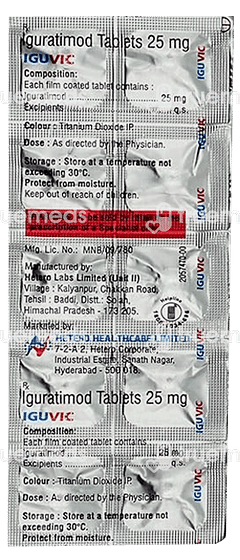
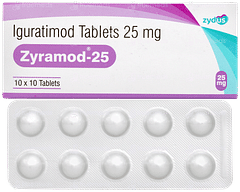
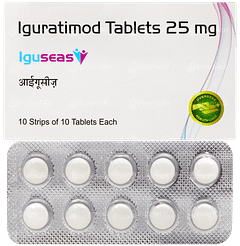
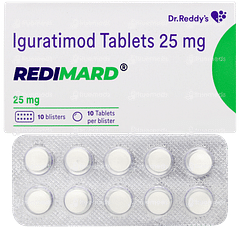
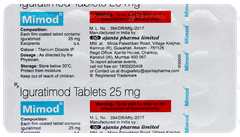
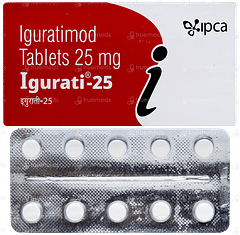
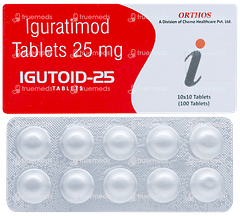
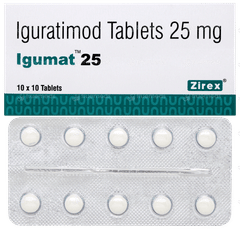
Company
About UsHealth ArticleHealth StoriesHealth LibraryDiseases & Health ConditionsAyurvedaUnderstanding Generic MedicinesAll MedicinesAll BrandsNeed HelpFAQSecuritySavings CalculatorAdvertise with UsSubscribe
Registered Office Address
Grievance Officer
Download Truemeds


Contact Us
Our customer representative team is available 7 days a week from 9 am - 9 pm.
v4.28.14

2026 - Truemeds | All rights reserved. Our content is for informational purposes only. See additional information.

Our Payment Partners




