

Ibandronic Acid
Uses of Ibandronic Acid
Ibandronic Acid is a bisphosphonate medicine used to prevent and treat osteoporosis and other conditions caused by excessive bone loss.
Ibandronic Acid is commonly used for:
• Postmenopausal osteoporosis: Reduces the risk of vertebral (spinal) fractures in women after menopause and helps improve bone density.
• Osteoporosis in men: Helps strengthen bones and lower fracture risk in men with reduced bone density.
• Paget's disease of bone: Slows down abnormal bone remodelling and reduces bone pain associated with this condition.
• Bone metastases from breast cancer: Helps prevent skeletal complications such as fractures and bone pain in people with cancer that has spread to the bone.
Side effects of Ibandronic Acid
Nausea, vomiting, diarrhoea, abdominal pain
Headache, dizziness, fatigue
Joint pain
back pain
How Ibandronic Acid works
Ibandronic Acid works by slowing down the activity of cells that break down bone, helping to preserve bone density and strength.
It belongs to a group of medicines called bisphosphonates. After being absorbed, Ibandronic Acid binds tightly to the surface of bone tissue, particularly in areas undergoing active remodelling.
Bone is a living tissue that is constantly broken down by cells called osteoclasts and rebuilt by cells called osteoblasts. In osteoporosis and related conditions, osteoclast activity increases, causing bone to be lost faster than it can be replaced.
Ibandronic Acid reduces the activity and number of osteoclasts, which slows down bone breakdown. This allows bone-building cells to work more effectively, helping to maintain bone density and reduce the risk of fractures.
Certified content
Written By

Doctor of Medicine
Reviewed By

BAMS, APG, PG
Expert Advice
Dosage Forms Available
Ibandronic Acid is available as oral tablets and as a solution for intravenous injection.
Age and Dose Restrictions
Ibandronic Acid is formulated for use in adults, including postmenopausal women and men. It is not typically prescribed for children or adolescents.
Contraindications
Ibandronic Acid is contraindicated in patients with known hypersensitivity to ibandronic acid or any component of the product.
Other Medications to Avoid
Ibandronic Acid may interact with antacids (such as aluminum hydroxide), calcium supplements (such as calcium carbonate), and multivitamins (such as magnesium hydroxide), NSAIDs (like diclofenac and ibuprofen), aminoglycosides (such as gentamicin and tobramycin), and angiogenesis inhibitors (like bevacizumab).
Overdose and Missed Dose
- Taking more than the prescribed dose of Ibandronic Acid may cause low blood calcium levels (hypocalcaemia), stomach upset, or kidney problems. If you suspect an overdose, contact your doctor immediately.
If you miss a dose of Ibandronic Acid, take it the following morning if your next scheduled dose is more than seven days away. If it is between one and seven days until your next dose, skip the missed dose and continue with your regular schedule. Do not take two doses together to make up for the one you missed.
Management of Side Effects
Most side effects of Ibandronic Acid are temporary and generally harmless. They resolve when the medicine is discontinued. However, if you experience any severe side effects or worsening of any symptoms, please consult your doctor.
For flu-like symptoms, rest and hydration may help.
For gastrointestinal side effects such as nausea, vomiting or diarrhoea, taking the medication with a meal could reduce these symptoms.
Use in Driving and Operating Machinery
Ibandronic Acid may cause dizziness or fatigue. If you experience these symptoms, avoid driving or operating machinery until you feel well enough.
Use in Pregnancy and Lactation
It is not known if Ibandronic Acid is safe for use during pregnancy or breastfeeding. As a precaution, it is best to consult your doctor before starting this medication if you are pregnant, planning to become pregnant or breastfeeding.
Caution in Other Conditions
Patients with severe kidney problems should use Ibandronic Acid with caution. If you have a history of kidney disease, consult your doctor before starting this medication.
Special Dietary and Lifestyle Recommendations
Incorporate foods rich in calcium and vitamin D into your diet to ensure adequate intake of these nutrients which are essential for bone health.
Regular weight-bearing exercises such as walking or weightlifting can be beneficial in maintaining bone strength and preventing osteoporosis.
Frequently asked questions
Does Ibandronic Acid have any effect on mood changes?
Ibandronic Acid is not directly associated with affecting mood or hormones. However, if you notice any unusual changes, consult your doctor.
Will taking Ibandronic Acid affect menstruation?
Ibandronic Acid, used for osteoporosis, typically doesn't affect menstruation. However, if you experience any unusual changes or symptoms, consult your doctor.
Can I use alternative natural therapies instead of taking Ibandronic Acid
While certain lifestyle changes and natural therapies may help manage bone health, they may not have the same efficacy as pharmaceutical medications like Ibandronic Acid in managing osteoporosis and other bone conditions. Always consult your doctor before making any changes to your treatment plan.
Can Ibandronic Acid cause weight gain?
Ibandronic Acid is not commonly associated with weight gain. If you notice unexpected weight changes, it's a good idea to discuss them with your doctor.
Will I develop dependency if I take Ibandronic Acid for a prolonged period?
No, Ibandronic Acid is not addictive, so you won't develop dependency from taking it. However, long-term use should be monitored by your healthcare provider to manage potential side effects and ensure effectiveness.
Is Ibandronic Acid a steroid?
No, Ibandronic Acid is not a steroid. It is a bisphosphonate medication that is primarily used in the management of osteoporosis and other bone-related conditions.
Will Ibandronic Acid affect fertility?
Ibandronic Acid is not typically associated with changes in fertility. However, if you have specific concerns, it's best to consult a doctor.
What is the use of Ibandronic Acid?
Ibandronic Acid is used to treat and prevent osteoporosis, especially in postmenopausal women. It helps strengthen bones and reduce the risk of fractures by slowing down bone loss.
List of medicines for Ibandronic Acid
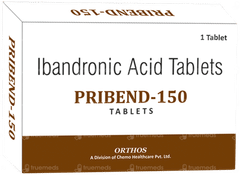
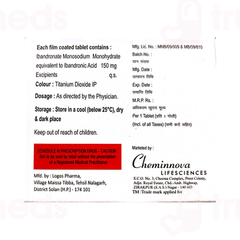

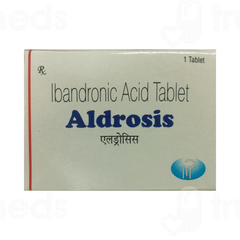
Company
About UsHealth ArticleHealth StoriesHealth LibraryDiseases & Health ConditionsAyurvedaUnderstanding Generic MedicinesAll MedicinesAll BrandsNeed HelpFAQSecuritySavings CalculatorAdvertise with UsSubscribe
Registered Office Address
Grievance Officer
Download Truemeds


Contact Us
Our customer representative team is available 7 days a week from 9 am - 9 pm.
v4.28.13

2026 - Truemeds | All rights reserved. Our content is for informational purposes only. See additional information.

Our Payment Partners