

Sodium Hyaluronate
Uses of Sodium Hyaluronate
Sodium Hyaluronate is a form of hyaluronic acid used for different medical purposes depending on the formulation and route of administration.
Sodium Hyaluronate is commonly used for:
• Osteoarthritis pain: Selected intra-articular formulations are injected into an affected joint, most commonly the knee, to supplement synovial fluid; benefit varies among patients.
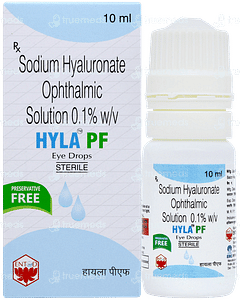
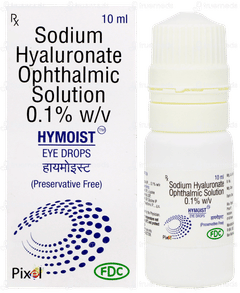
• Dry eye syndrome: Eye-drop formulations relieve dryness and irritation by forming a lubricating, moisture-retaining film.
• Ophthalmic surgery: Sterile viscoelastic formulations protect delicate eye tissues during procedures such as cataract surgery.
• Skin hydration and wound care: Topical formulations may hydrate skin or support a moist wound environment.
• Dermal filler use: Approved injectable formulations may restore facial volume when administered by a trained professional.
Side effects of Sodium Hyaluronate
Pain at the injection site
Swelling
Redness
Itching
Temporary eye irritation
How Sodium Hyaluronate works
Sodium Hyaluronate binds and retains water, but its effect depends on where and how it is administered.
In joints, intra-articular formulations supplement the viscoelastic properties of synovial fluid and may reduce pain in some people; they do not permanently restore damaged cartilage.
In the eyes, lubricant drops form a water-binding film over the ocular surface, reducing friction and dryness between blinks.
In topical skin and wound products, it helps maintain hydration and a moist local environment. Injectable dermal fillers provide temporary volume by retaining water within the treated tissue.
Certified content
Written By

Doctor of Medicine
Reviewed By

Bachelor of Dental Surgery
Expert Advice
Dosage Forms Available
Sodium Hyaluronate is available in several forms: injectable solution for intra-articular administration, eye drops for ophthalmic use, creams and gels for topical skin application, topical foam for face wash, and topical lotion.
Age and Dose Restrictions
This medicine is suitable for adults and children above 12 years of age.
Contraindications
Sodium Hyaluronate is contraindicated in individuals with known hypersensitivity to hyaluronic acid or other ingredients in the formulation.
Other Medications to Avoid
No significant interactions have been reported between Sodium Hyaluronate and other medicines. However, it is always important to inform your doctor about all medications, supplements, and herbal products you are using before starting treatment with Sodium Hyaluronate.
Overdose and Missed Dose
- Sodium Hyaluronate is used topically or by injection under medical supervision, and a systemic overdose from normal use is unlikely. If you suspect an overdose or accidental injection of a larger-than-intended amount, seek medical attention immediately. Any unexpected pain, swelling, or skin reactions at the injection site should be reported to your doctor promptly.
If you miss a scheduled application or injection of Sodium Hyaluronate, contact your doctor or healthcare provider for guidance. For eye drops, apply the missed dose as soon as you remember. If it is nearly time for the next dose, skip the missed one and continue with your regular schedule. Do not apply a double dose to compensate.
Management of Side Effects
Most side effects associated with Sodium Hyaluronate are temporary and generally harmless. They typically resolve upon discontinuation of the medicine.
If you are using Sodium Hyaluronate eye drops and experience eye irritation or blurred vision, immediately rinse your eyes with clean water.
Use in Driving and Operating Machinery
Sodium Hyaluronate does not affect your ability to drive or operate heavy machinery.
Use in Pregnancy and Lactation
The safety of Sodium Hyaluronate in pregnant or breastfeeding women has not been well established. Consult your doctor before using this medicine during pregnancy or lactation.
Caution in Other Conditions
Sodium Hyaluronate should not be administered to joints with active infections or skin diseases at the injection site.
Special Dietary and Lifestyle Recommendations
A balanced diet rich in omega-3 fatty acids, found in fatty fish, walnuts, and flaxseeds, can help manage inflammation associated with osteoarthritis.
Adequate hydration is essential for maintaining skin health when using Sodium Hyaluronate for cosmetic purposes or wound healing.
Frequently asked questions
Does Sodium Hyaluronate have any effect on mood or hormonal balance?
Sodium Hyaluronate generally does not affect mood or hormonal balance. Its primary use is for joint lubrication and skin hydration.
Can Sodium Hyaluronate affect the menstrual cycle?
Sodium Hyaluronate does not have any known effect on menstrual cycles. However, if you notice any changes in your cycle after starting use of this substance, inform your doctor.
Are there any natural alternatives to Sodium Hyaluronate?
There are no direct natural alternatives to Sodium Hyaluronate. However, a balanced diet rich in lean proteins, fruits, vegetables, and whole grains can help support overall joint health.
Does Sodium Hyaluronate have any dependency or addiction potential?
No, Sodium Hyaluronate does not have any dependency or addiction potential. It's used primarily in skin care and medical applications for its hydrating and lubricating properties.
Is Sodium Hyaluronate a steroid?
No, Sodium Hyaluronate is not a steroid. It is a naturally occurring substance in the human body that helps lubricate and cushion joints and tissues.
Does Sodium Hyaluronate have any effect on sleep?
Sodium hyaluronate does not typically have any effect on sleep. Its primary uses are for hydration and lubrication in skincare and medical treatments.
Will Sodium Hyaluronate affect fertility?
Sodium Hyaluronate, commonly used in skincare and medical treatments, generally doesn’t affect fertility. It’s a form of hyaluronic acid used for its hydrating and lubricating properties. However, if you have specific concerns or conditions, it's always best to consult a healthcare professional.
Sodium Hyaluronate in other salts
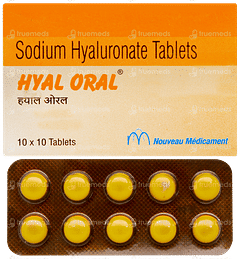
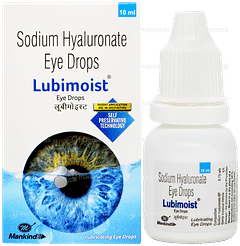
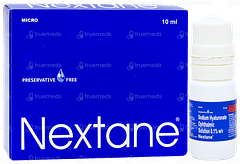
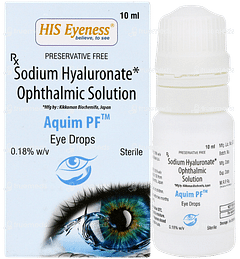
List of medicines for Sodium Hyaluronate
Company
About UsHealth ArticleHealth StoriesHealth LibraryDiseases & Health ConditionsAyurvedaUnderstanding Generic MedicinesAll MedicinesAll BrandsNeed HelpFAQSecuritySavings CalculatorAdvertise with UsSubscribe
Registered Office Address
Grievance Officer
Download Truemeds


Contact Us
Our customer representative team is available 7 days a week from 9 am - 9 pm.
v4.28.20

2026 - Truemeds | All rights reserved. Our content is for informational purposes only. See additional information.

Our Payment Partners




