

Sodium Feredetate
Uses of Sodium Feredetate
Sodium Feredetate is an iron supplement used to treat and prevent iron deficiency anaemia.
Sodium Feredetate is commonly used for:
• Iron deficiency anaemia: Replenishes the body's iron stores, which are needed to produce red blood cells and haemoglobin.
• Iron deficiency during pregnancy: Supports increased iron requirements in pregnant women to help prevent anaemia.
• Iron loss after bleeding: Helps restore iron levels following blood loss from surgery, injury, or heavy menstrual bleeding.
• Conditions affecting iron absorption: Supports iron levels in people whose bodies do not absorb sufficient iron from food.
Side effects of Sodium Feredetate
Nausea and vomiting
Diarrhoea or constipation
Abdominal discomfort
Dark stools
How Sodium Feredetate works
Sodium Feredetate works by supplying iron in a form that is easily absorbed by the body to support red blood cell production.
The iron in Sodium Feredetate is chemically bound, or chelated, to a compound called ethylenediaminetetraacetic acid (EDTA). This chelation makes the iron easier for the small intestine to absorb compared with some other iron salts.
Once absorbed, the iron is used to make haemoglobin, the molecule in red blood cells that carries oxygen from the lungs to the rest of the body. It also forms part of myoglobin in muscle cells and various enzymes involved in normal body function.
Because of the EDTA chelation, Sodium Feredetate may be less likely to stain the teeth than some other oral iron preparations. Some people may also experience fewer gastrointestinal side effects, although this can vary.
Certified content
Written By

Doctor of Medicine
Reviewed By

BAMS, FMC, MD Resident
Expert Advice
Dosage Forms Available
Sodium Feredetate can be taken orally (oral solution, tablets, syrup).
Age and Dose Restrictions
Sodium Feredetate can be administered to adults and children of age above 12 years as prescribed by the doctor. For infants and very young children, the usage should be strictly monitored under medical supervision.
Contraindications
Sodium Feredetate is contraindicated in individuals with known hypersensitivity to any of its components. It is also contraindicated in conditions leading to iron overload, such as hemochromatosis. Anaemias not caused by iron deficiency should not be managed with Sodium Feredetate.
Other Medications to Avoid
Sodium Feredetate can interact with antacids (such as aluminium hydroxide, magnesium hydroxide), bile acid sequestrants (like cholestyramine, colestipol) and certain antibiotics (such as doxycycline, ofloxacin).
Overdose and Missed Dose
- An overdose of Sodium Feredetate may cause nausea, vomiting, diarrhoea, dizziness, and fainting. In severe cases, it can lead to seizures or coma. If you suspect an overdose, seek immediate medical attention.
If you miss a dose, take it as soon as you remember. If it is nearly time for your next dose, skip the missed dose and continue with your regular schedule. Do not take a double dose to make up for the one you missed.
Management of Side Effects
Most side effects of Sodium Feredetate are temporary and generally harmless, resolving once the medicine is discontinued. However, if you experience severe side effects or worsening of symptoms, please consult your doctor. Here are some tips for managing common side effects:
For nausea or upset stomach, try taking Sodium Feredetate with a light snack or a small amount of food.
Drinking plenty of water can help manage constipation.
Dark stools are a common side effect due to the iron content of the medication and are harmless.
Use in Driving and Operating Machinery
Sodium Feredetate does not generally affect your ability to drive or operate heavy machinery. However, if you experience dizziness or any other side effects that may impair these abilities, avoid doing so until you feel completely well.
Use in Pregnancy and Lactation
Sodium Feredetate may be used during pregnancy if clearly needed and under medical supervision. It is generally considered safe during breastfeeding but consult your doctor before starting the medicine.
Caution in Other Conditions
Caution should be exercised while using Sodium Feredetate in individuals with inflammatory bowel disease, peptic ulcer disease, and alcoholism.
If other causes of anaemia such as Vitamin B12 deficiency or folate deficiency are suspected, they should be ruled out before starting treatment with Sodium Feredetate.
Special Dietary and Lifestyle Recommendations
Ensure your diet is rich in iron-containing foods such as leafy green vegetables, beans and lentils, lean meats and fortified cereals.
Avoid consuming tea or coffee along with meals as they can decrease iron absorption.
Regular medical check-ups are crucial to monitor your progress and adjust the dosage if needed.
Frequently asked questions
Is Sodium Feredetate a steroid?
No, Sodium Feredetate is not a steroid.
Does Sodium Feredetate have any effect on sleep?
Sodium Feredetate is not associated with affecting sleep. However, as it manages iron deficiency anaemia, it can indirectly improve sleep quality by reducing symptoms like fatigue and weakness associated with anaemia.
Will Sodium Feredetate affect fertility?
Sodium Feredetate is not directly associated with affecting fertility. If you have concerns about fertility and are taking this medication, please consult your doctor.
Is it safe to take Sodium Feredetate daily?
Yes, it is usually safe to take Sodium Feredetate daily, as per your doctor's advice. This medication is typically given for several months to replenish iron stores in the body.
How much time does Sodium Feredetate take to work?
Sodium Feredetate begins to work soon after it is taken, and haemoglobin levels start to rise within a few days. However, noticeable improvements in symptoms may take 2-3 weeks.
What is the best time to take Sodium Feredetate?
Sodium Feredetate is best taken on an empty stomach, either one hour before or two hours after meals.
Can Sodium Feredetate cause mood changes?
Sodium Feredetate is not directly associated with affecting mood changes. However, if you observe any unusual mood swings or changes in behaviour while taking this medicine, consult your doctor immediately.
What is Sodium Feredetate used for?
Sodium Feredetate is an iron supplement used to prevent and treat iron deficiency anemia. It helps increase red blood cell production and improve oxygen transport in the body.
List of medicines for Sodium Feredetate
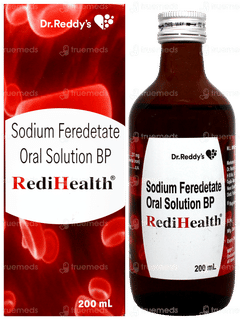

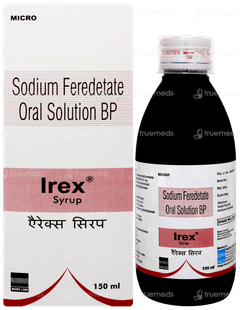
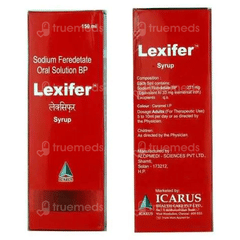

Company
About UsHealth ArticleHealth StoriesHealth LibraryDiseases & Health ConditionsAyurvedaUnderstanding Generic MedicinesAll MedicinesAll BrandsNeed HelpFAQSecuritySavings CalculatorAdvertise with UsSubscribe
Registered Office Address
Grievance Officer
Download Truemeds


Contact Us
Our customer representative team is available 7 days a week from 9 am - 9 pm.
v4.28.21

2026 - Truemeds | All rights reserved. Our content is for informational purposes only. See additional information.

Our Payment Partners




