

Nadifloxacin
Uses of Nadifloxacin
Nadifloxacin is a topical antibiotic used to treat bacterial skin infections, particularly acne.
It is commonly used for:
- Acne vulgaris: Reduces acne-causing bacteria, helping to clear pimples, pustules, and inflamed acne lesions.
- Folliculitis: Treats bacterial infection of the hair follicles.
- Bacterial skin infections: Manages superficial skin infections caused by susceptible bacteria.
- Inflammatory acne lesions: Helps reduce redness and swelling associated with infected acne spots.
Side effects of Nadifloxacin
Itching
Redness
Burning sensation
Dryness
Scaling
How Nadifloxacin works
- Nadifloxacin works by stopping bacteria from multiplying on the skin.
- It belongs to a class of antibiotics called fluoroquinolones and blocks an enzyme called DNA gyrase, which bacteria need to copy their genetic material and reproduce.
- By preventing bacteria from multiplying, nadifloxacin helps clear existing infection and reduces the number of acne-causing bacteria on the skin.
Certified content
Written By

Doctor of Medicine
Reviewed By

BAMS, FMC, MD Resident
Expert Advice
Dosage Forms Available
Nadifloxacin can be used topically (creams, gels, and ointments).
Age and Dose Restrictions
Nadifloxacin is meant for use in adults, and children over the age of 12 years.
Contraindications
This medicine is contraindicated in individuals with known hypersensitivity or allergy to Nadifloxacin or any of its components.
Other Medications to Avoid
Using nadifloxacin together with topical medicines such as benzoyl peroxide and salicylic acid may increase skin irritation, redness, or dryness.
Overdose and Missed Dose
- An overdose of Nadifloxacin is unlikely, as it is applied directly to the skin and is not intended for internal use. However, applying more than the prescribed amount may increase the risk of skin irritation or other local side effects. If accidental ingestion occurs or you experience an unusual reaction, contact your doctor or visit the nearest hospital immediately.
If you miss an application of Nadifloxacin, apply it as soon as you remember. If it is almost time for your next scheduled application, skip the missed one and continue with your regular routine. Do not apply a double quantity to make up for a missed dose.
Management of Side Effects
Most side effects are temporary and generally harmless and resolve when discontinuing this medicine. However, if you experience any severe side effects or worsening symptoms, please consult your doctor.
If you experience local skin reactions such as itching or redness, try applying the medicine at a different time when your skin is less sensitive.
If you experience skin dryness, apply a moisturiser regularly as recommended by your doctor.
Use in Driving and Operating Machinery
As a topical medication, Nadifloxacin does not affect your ability to drive or operate heavy machinery.
Use in Pregnancy and Lactation
It is advised to consult your doctor before using this medicine if you are pregnant or breastfeeding.
Caution in Other Conditions
Caution is advised when using Nadifloxacin in individuals with a history of photoallergic or phototoxic reactions to fluoroquinolones, as these reactions may be exacerbated by exposure to Nadifloxacin.
Special Dietary and Lifestyle Recommendations
Maintaining personal hygiene can help manage skin infections or acne conditions more effectively.
Avoid picking or scratching at the affected area, as it can worsen the condition and lead to scarring.
Regular cleaning of the skin with mild, non-drying soap can help keep the skin free from bacteria and excess oil. Avoid harsh scrubbing as it may irritate the skin.
Avoiding excessive sun exposure and using sunscreen during treatment may help protect your skin.
Frequently asked questions
Is Nadifloxacin a steroid?
No, Nadifloxacin is not a steroid. It is an antibiotic that belongs to the class of medications known as fluoroquinolones.
Does Nadifloxacin have any effect on sleep?
Nadifloxacin is not directly associated with affecting sleep. However, different individuals may react to medications differently.
Will Nadifloxacin affect fertility?
Nadifloxacin is not directly associated with affecting fertility in men or women. However, different individuals may react to medications differently.
Is Nadifloxacin available over the counter, or do I need a prescription?
Nadifloxacin usually requires a prescription and is not available over the counter.
Is it safe to use Nadifloxacin daily?
Nadifloxacin can be used daily as per the doctor's recommendation, and it is important to use it for the full duration prescribed, even if symptoms improve earlier.
How much time does Nadifloxacin take to work?
The time for Nadifloxacin to show its effect may vary depending on the severity and type of infection.
What is the best time to apply Nadifloxacin?
Nadifloxacin should be applied at evenly spaced intervals, ideally at the same time every day, or as directed by your doctor.
Nadifloxacin in other salts
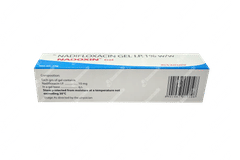
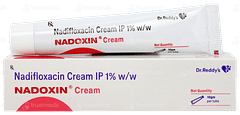
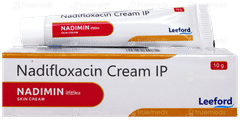
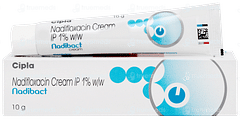
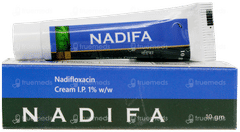
List of medicines for Nadifloxacin
Company
About UsHealth ArticleHealth StoriesHealth LibraryDiseases & Health ConditionsAyurvedaUnderstanding Generic MedicinesAll MedicinesAll BrandsNeed HelpFAQSecuritySavings CalculatorAdvertise with UsSubscribe
Registered Office Address
Grievance Officer
Download Truemeds


Contact Us
Our customer representative team is available 7 days a week from 9 am - 9 pm.
v4.28.13

2026 - Truemeds | All rights reserved. Our content is for informational purposes only. See additional information.

Our Payment Partners




