

Lymecycline
Uses of Lymecycline
Lymecycline is a tetracycline-class antibiotic used mainly for inflammatory acne and, in some countries, selected infections caused by susceptible bacteria.
Lymecycline is commonly used for:
- Acne vulgaris: Reduces acne-related bacterial activity and inflammation during a doctor-prescribed course.
- Susceptible bacterial infections: May be used only where the exact local product information supports that infection.
It should not be presented as routine treatment for urinary or sexually transmitted infections without product-specific evidence.
Side effects of Lymecycline
Gastrointestinal disturbances like nausea, vomiting, and diarrhoea
Headache and dizziness
Photosensitivity or increased sensitivity to sunlight
Allergic reactions (rare)
Blood disorders (rare)
How Lymecycline works
- Lymecycline is a tetracycline antibiotic that works by stopping bacterial growth.
- Bacteria require specific proteins to survive, multiply, and repair themselves. Lymecycline enters bacterial cells and binds to the 30S subunit of the bacterial ribosome—the cellular structure responsible for manufacturing proteins. This blocks the assembly of essential proteins needed for bacterial function.
- By halting protein synthesis, Lymecycline stops bacteria from multiplying, allowing the body's immune system to clear the remaining infection.
Certified content
Written By

BDS, MDS
Reviewed By

BAMS, FMC, MD Resident
Expert Advice
Dosage Forms Available
Lymecycline is available in capsule form for oral administration.
Age and Dose Restrictions
Lymecycline is intended for use by adults and children above 12 years of age.
Contraindications
Lymecycline is contraindicated in patients with known hypersensitivity to any tetracycline antibiotics.
It is also contraindicated in patients suffering from systemic lupus erythematosus as well as in patients with severe liver impairment.
Other Medications to Avoid
Lymecycline may interact with antacids (eg., aluminium hydroxide, sodium bicarbonate), iron supplements (eg., ferrous sulphate), anticoagulants (eg., warfarin), oral contraceptives (eg., Ethinyl Estradiol), antibiotics (eg., penicillin), anaesthetics (eeg., methoxyflurane)
Overdose and Missed Dose
- An overdose of Lymecycline may cause symptoms such as nausea, vomiting, and diarrhoea. If an overdose is suspected, seek immediate medical attention. Treatment will be supportive and based on the symptoms presented.
If you miss a dose of Lymecycline, take it as soon as you remember. If it is almost time for your next scheduled dose, skip the missed dose and continue with your regular schedule. Do not take two doses at the same time to make up for a missed one. It is important to complete the full prescribed course of this antibiotic, even if symptoms improve before the course is finished.
Management of Side Effects
Most side effects are temporary and generally harmless and resolve when discontinuing this medicine. However, if you experience any severe side effects or worsening of any of the symptoms, please consult your doctor.
To manage nausea or stomach upset, take Lymecycline with food or a glass of milk.
If diarrhoea occurs, ensure adequate hydration by drinking plenty of fluids.
Use in Driving and Operating Machinery
This medicine can affect your ability to drive or operate heavy machines. Avoid these activities if you experience dizziness or light-headedness after taking this medicine.
Use in Pregnancy and Lactation
Lymecycline is not recommended during pregnancy or while breastfeeding, as it may affect bone and teeth development in the foetus or nursing infant.
Always consult your doctor before using this medicine if you are pregnant or breastfeeding.
Caution in Other Conditions
Patients with renal impairment or those at increased risk of developing antibiotic-associated colitis should exercise caution while taking this medicine.
Special Dietary and Lifestyle Recommendations
To manage acne effectively while taking Lymecycline, maintain a balanced diet rich in fruits, vegetables, and whole grains which can promote skin health.
Avoid foods high in sugar and dairy products as they might exacerbate acne symptoms.
Ensure adequate water intake to help flush out toxins from the body that could contribute to acne flare-ups.
Regularly wash your face twice a day with a mild cleanser; avoid scrubbing the skin harshly.
Protect your skin from excessive sun exposure by wearing protective clothing and using sunscreen with an appropriate SPF level.
Frequently asked questions
Is Lymecycline a steroid?
No, Lymecycline is not a steroid. It is an antibiotic medication that belongs to the tetracycline class.
Does Lymecycline have any effect on sleep?
There is no specific impact of Lymecycline on sleep. However, every individual may react differently to medication, so if you experience sleep disturbances, consult your doctor.
Will Lymecycline affect fertility?
There is no evidence to suggest that Lymecycline affects fertility in men or women. If you have concerns about fertility while taking this medication, consult your doctor.
Are there any particular diet restrictions while taking Lymecycline?
There are no specific diet restrictions while taking Lymecycline. However, it should be taken with plenty of water. If you experience stomach upset, taking it with food or milk may help.
How much time does Lymecycline take to work?
The time it takes for Lymecycline to work can vary depending on the condition being managed. For acne, improvements may be seen within a week, but it can take several weeks for the acne to clear completely.
What is the best time to take Lymecycline?
Lymecycline can be taken at any time of day but should ideally be taken at the same time each day for consistent blood levels of the medication. Always follow your doctor's instructions.
What is the use of Lymecycline?
Lymecycline is used to treat bacterial infections, particularly moderate to severe acne. It works by inhibiting bacterial protein synthesis, reducing the growth of acne-causing bacteria, and decreasing inflammation, helping to clear existing breakouts and prevent new ones.
List of medicines for Lymecycline

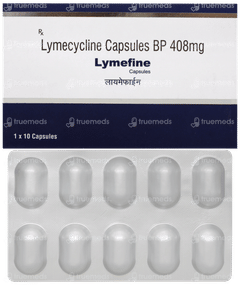
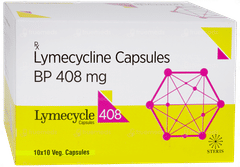
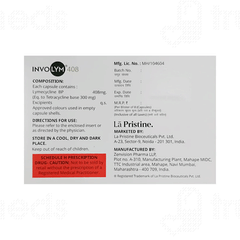
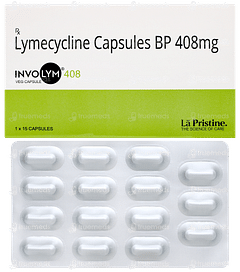
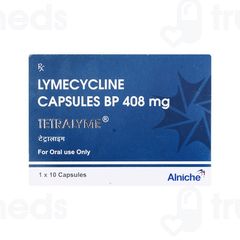
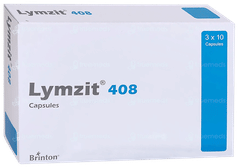
Company
About UsHealth ArticleHealth StoriesHealth LibraryDiseases & Health ConditionsAyurvedaUnderstanding Generic MedicinesAll MedicinesAll BrandsNeed HelpFAQSecuritySavings CalculatorAdvertise with UsSubscribe
Registered Office Address
Grievance Officer
Download Truemeds


Contact Us
Our customer representative team is available 7 days a week from 9 am - 9 pm.
v4.28.13

2026 - Truemeds | All rights reserved. Our content is for informational purposes only. See additional information.
Our Payment Partners