

Hydroxyprogesterone Caproate
Uses of Hydroxyprogesterone Caproate
Hydroxyprogesterone Caproate is a synthetic progestin hormone used to help lower the risk of recurrent preterm birth.
Hydroxyprogesterone Caproate is commonly used for:
• Prevention of recurrent preterm birth: It has been used to help reduce the risk of recurrent preterm birth in selected pregnant women with a previous spontaneous preterm birth. Its use should follow current local guidelines and specialist advice.
• Support during pregnancy: Helps support pregnancy by promoting a uterine environment that is less likely to trigger early labour, although its exact mechanism is not fully understood.
This medicine is typically given as an injection starting in the second trimester of pregnancy and is used only under close medical supervision.
Side effects of Hydroxyprogesterone Caproate
Injection site reactions
Urticaria
Pruritus
Nausea
Diarrhea
How Hydroxyprogesterone Caproate works
Hydroxyprogesterone Caproate is a synthetic form of the hormone progesterone.
Progesterone naturally rises during pregnancy to support the uterine lining and keep the uterus relaxed. By supplementing progesterone levels, this medicine helps maintain the uterine lining and reduces the frequency and strength of uterine contractions.
This supportive action helps to reduce the likelihood of the uterus contracting too early, lowering the risk of premature labour in women who have previously had a preterm birth.
Certified content
Written By

Doctor of Medicine
Reviewed By

BAMS, FMC, MD Resident
Expert Advice
Dosage Forms Available
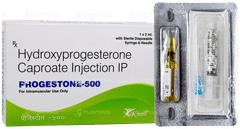
Hydroxyprogesterone Caproate is available as an injection intended for intramuscular administration.
The medication is usually administered into the muscle, typically in the upper outer quadrant of the buttocks.
Age and Dose Restrictions
This medicine is specifically meant for adult women who are pregnant and have a history of preterm birth.
Contraindications
Hydroxyprogesterone Caproate is contraindicated in individuals with a current or past history of thrombosis or thromboembolic disorders. It should not be used in cases of known or suspected hormone-sensitive cancers, such as breast cancer, or individuals with undiagnosed abnormal vaginal bleeding unrelated to pregnancy. Additionally, it is contraindicated in those with cholestatic jaundice of pregnancy, liver tumors or active liver disease, and uncontrolled hypertension.
Other Medications to Avoid
Hydroxyprogesterone Caproate may interact with several medications, including corticosteroids (such as prednisone), anticoagulants (like warfarin), and certain anticonvulsants (such as phenytoin or carbamazepine).
Overdose and Missed Dose
- This medicine is given as an intramuscular injection by a healthcare professional, so the risk of overdose is low. If you experience unusual symptoms such as severe abdominal pain, vaginal bleeding, or swelling after an injection, contact your doctor immediately.
As this medicine is given on a fixed weekly schedule by a doctor or nurse, contact your healthcare provider as soon as possible if you miss your scheduled appointment, so the next dose can be arranged promptly. Do not attempt to self-administer a missed or extra dose.
Management of Side Effects
Most side effects are temporary and generally harmless and resolve when discontinuing this medicine. However, if you experience any severe side effects or worsening of any of the symptoms, please consult your doctor.
To manage nausea, try eating smaller, more frequent meals and avoid rich or fatty foods.
For injection site reactions such as pain or swelling, applying a cold compress can provide relief.
Use in Driving and Operating Machinery
Hydroxyprogesterone Caproate does not typically affect the ability to drive or operate machinery. However, individual reactions can vary.
Use in Pregnancy and Lactation
Hydroxyprogesterone Caproate is specifically indicated for use during pregnancy to help prevent preterm births. It is classified under Pregnancy Category B.
The medication is minimally excreted in breast milk and has not shown adverse effects on breastfed infants; however, it is advisable to consult your doctor before use during breastfeeding.
Caution in Other Conditions
Caution should be used when administering this medicine to women with diabetes, depression, or a history of major mood disorders.
Obesity and age over 35 may also require cautious use and close monitoring during treatment with Hydroxyprogesterone Caproate.
Special Dietary and Lifestyle Recommendations
Since Hydroxyprogesterone Caproate is used to manage risks associated with preterm birth, maintaining a healthy lifestyle during pregnancy is crucial.
Follow a balanced diet rich in fruits, vegetables, whole grains, and lean proteins to support overall health.
Adequate hydration is important; aim for at least eight glasses of water per day.
Regular prenatal check-ups are vital for monitoring the health of both mother and baby.
Frequently asked questions
What is Hydroxyprogesterone Caproate used for?
Hydroxyprogesterone Caproate is used to manage the risk of preterm birth in women who have had a previous preterm birth.
How is Hydroxyprogesterone Caproate administered?
It is given as an injection by a healthcare provider, typically into the upper outer quadrant of the buttocks.
Can Hydroxyprogesterone Caproate be used to stop a preterm labour that has already started?
No, Hydroxyprogesterone Caproate cannot stop preterm labor that has already started. It is used to manage the risk of preterm birth before it begins.
Are there any serious side effects associated with Hydroxyprogesterone Caproate?
Rare but serious potential adverse effects include thrombotic events (blood clots), allergic reactions, jaundice, and depression. It is important to seek medical attention if you experience symptoms of these conditions while using this medicine.
Does Hydroxyprogesterone Caproate have any impact on the baby?
There is no evidence suggesting it causes harm to the baby. It has been used for many years to help reduce the risk of preterm birth, but always discuss its benefits and risks with your doctor.
Can I use Hydroxyprogesterone Caproate if I am allergic to progesterone?
If you have a known allergy to progesterone or any ingredients in Hydroxyprogesterone Caproate, you should inform your doctor. They may suggest an alternative treatment.
Can Hydroxyprogesterone Caproate cause weight gain?
Yes, weight gain can occur as a side effect due to fluid retention and hormone-related changes in the body. If you experience rapid or significant weight gain, consult your doctor.
List of medicines for Hydroxyprogesterone Caproate

Company
About UsHealth ArticleHealth StoriesHealth LibraryDiseases & Health ConditionsAyurvedaUnderstanding Generic MedicinesAll MedicinesAll BrandsNeed HelpFAQSecuritySavings CalculatorAdvertise with UsSubscribe
Registered Office Address
Grievance Officer
Download Truemeds


Contact Us
Our customer representative team is available 7 days a week from 9 am - 9 pm.
v4.28.14

2026 - Truemeds | All rights reserved. Our content is for informational purposes only. See additional information.

Our Payment Partners




