

Clozapine
Uses of Clozapine
Clozapine is an antipsychotic medicine used to manage treatment-resistant schizophrenia.
It is commonly used for:
• Treatment-resistant schizophrenia: Used when other antipsychotic medicines have not adequately controlled symptoms.
• Reducing suicidal behaviour in schizophrenia: Used to help reduce the risk of suicidal behaviour in people with this condition.
Side effects of Clozapine
Dizziness
Rapid heartbeat
Constipation
Weight gain
Drop in blood pressure on standing up
How Clozapine works
Clozapine works by affecting the activity of several chemical messengers in the brain, including dopamine and serotonin.
Its effect on multiple receptor types differs from many other antipsychotics, which is thought to explain why it can help people whose symptoms have not responded to other treatments.
Because of the risk of a serious drop in white blood cell count, clozapine requires regular blood monitoring throughout treatment.
Certified content
Written By

Doctor of Medicine
Reviewed By

BAMS, FMC, MD Resident
Expert Advice
Dosage Forms Available
Clozapine can be taken orally (disintegrating tablet or oral suspension).
Age and Dose Restrictions
Clozapine is intended for adults only.
Contraindications
Clozapine is contraindicated in patients with known serious hypersensitivity to Clozapine or any other component of the medicine. It should not be administered to patients with myeloproliferative disorders, uncontrolled epilepsy, or a history of Clozapine-induced agranulocytosis or severe granulocytopenia. Patients with paralytic ileus should avoid this medication.
Other Medications to Avoid
Clozapine can interact with other agents known to cause agranulocytosis or suppress bone marrow function, such as chemotherapy medicines (cyclophosphamide), CNS depressants (such as benzodiazepines like diazepam), alcohol, MAO inhibitors (like phenelzine), medicines with anticholinergic, sedative, or hypotensive effects (such as antihistamines like diphenhydramine), and antibiotics (like fluvoxamine and ciprofloxacin).
Overdose and Missed Dose
Overdose of Clozapine can lead to serious complications, including severe sedation, delirium, and seizures. In such cases, it is crucial to contact a doctor immediately.
If a dose of Clozapine has been missed, it should be taken as soon as remembered unless it's almost time for the next dose. Never double the dose.
Management of Side Effects
Most side effects are temporary and generally harmless and resolve when discontinuing this medicine. However, if you experience any severe side effects or worsening of any of the symptoms, please consult your doctor.
For sedation or dizziness, it is advised to take the medication at bedtime.
Constipation can often be relieved by drinking plenty of water and eating a diet high in fibre.
Hypersalivation may be managed by frequently rinsing the mouth with water.
Use in Driving and Operating Machinery
Clozapine may cause dizziness, drowsiness or blurred vision. These side effects can affect a person's ability to drive or operate heavy machinery safely.
Use in Pregnancy and Lactation
The use of Clozapine during pregnancy and lactation should be avoided unless specifically advised by a doctor. Always consult your doctor before usage.
Caution in Other Conditions
Patients with cardiovascular or cerebrovascular diseases should exercise caution when taking Clozapine.
It should also be used very cautiously in patients with a history of seizures or conditions that lower the seizure threshold.
Special Dietary and Lifestyle Recommendations
Regular monitoring of blood glucose levels, as Clozapine may cause hyperglycemia.
Regular monitoring of weight as Clozapine may lead to weight gain.
Maintain good oral hygiene to manage hypersalivation.
Regular blood tests to monitor for neutropenia/agranulocytosis.
Frequently asked questions
Can I stop taking Clozapine suddenly?
It is not recommended to stop taking this medicine abruptly without consulting your doctor, as it may result in withdrawal symptoms.
Does Clozapine cause weight gain?
Yes, weight gain is a common side effect of this medicine. If you notice any significant weight changes while taking this medicine, please consult your doctor.
Is Clozapine addictive?
No, this medicine does not have addictive properties. However, it is always advised to use it as directed by your doctor.
Does Clozapine help with mood disorders?
Yes, this medicine has been shown to improve mood symptoms in some patients with schizoaffective disorder, a condition that includes elements of both schizophrenia and mood disorders.
Is Clozapine a steroid?
No, Clozapine is not a steroid. It is an atypical antipsychotic used in the management of severe schizophrenia and to reduce the risk of recurrent suicidal behaviour in patients with schizophrenia or schizoaffective disorders.
Does Clozapine have any effect on sleep?
Yes, one of the common side effects of this medication includes sedation, which can affect a person's sleep patterns. Nevertheless, the effect on sleep can vary among individuals, and it is best to discuss any concerns with your doctor.
Will Clozapine affect fertility?
There are no conclusive studies or evidence to suggest that this medication directly affects fertility. However, if you are planning to conceive, it is advisable to consult your doctor for appropriate advice.
List of medicines for Clozapine
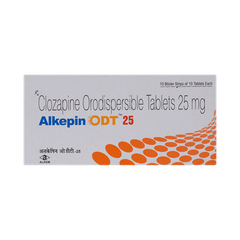



Company
About UsHealth ArticleHealth StoriesHealth LibraryDiseases & Health ConditionsAyurvedaUnderstanding Generic MedicinesAll MedicinesAll BrandsNeed HelpFAQSecuritySavings CalculatorAdvertise with UsSubscribe
Registered Office Address
Grievance Officer
Download Truemeds


Contact Us
Our customer representative team is available 7 days a week from 9 am - 9 pm.
v4.28.14

2026 - Truemeds | All rights reserved. Our content is for informational purposes only. See additional information.

Our Payment Partners