

Cerebroprotein Hydrolysate
Uses of Cerebroprotein Hydrolysate
Cerebroprotein Hydrolysate is a neuropeptide preparation used to support brain function and nerve recovery in various neurological conditions, as prescribed by your doctor.
Cerebroprotein Hydrolysate is commonly used for:
• Alzheimer's disease: Supports cognitive function and may help slow the progression of memory and thinking difficulties.
• Stroke recovery: Aids nerve repair and functional recovery following a stroke.
• Dementia associated with Parkinson's disease: Helps manage memory and cognitive decline linked to Parkinson's disease.
• Head injuries: Assists nerve cell repair and recovery following traumatic brain injury.
• Other neurological conditions: Used under specialist guidance in conditions such as autism and cerebral palsy, where research into its benefits is ongoing.
Side effects of Cerebroprotein Hydrolysate
Headache
Dizziness
Nausea
Sweating
Fever
Injection site reactions
How Cerebroprotein Hydrolysate works
Cerebroprotein Hydrolysate works by supporting the growth, repair, and survival of nerve cells in the brain.
It is a neurotrophic and neuroprotective preparation derived from processed proteins. It stimulates the body to produce natural growth factors, such as brain-derived neurotrophic factor (BDNF) and nerve growth factor (NGF).
These growth factors act like natural growth signals for brain cells, helping damaged or ageing neurons survive, repair themselves, and form new connections. This supports memory, learning, and overall brain function, particularly in conditions where nerve cells have been damaged by injury, reduced blood flow, or degenerative disease.
Certified content
Written By

Doctor of Medicine
Reviewed By

BAMS, FMC, MD Resident
Expert Advice
Dosage Forms Available
Cerebroprotein Hydrolysate can be administered intramuscularly or intravenously (injection).
Age and Dose Restrictions
This medication is for adults aged 18 and above.
Contraindications
Cerebroprotein Hydrolysate is contraindicated in patients with a known hypersensitivity to the active ingredient. It is also contraindicated in patients with severe kidney impairment and heart disease.
Other Medications to Avoid
Cerebroprotein Hydrolysate may interact with anticoagulants and antiplatelet medicines (such as warfarin and aspirin), diuretics (such as furosemide and hydrochlorothiazide), immunosuppressants (such as cyclosporine and tacrolimus).
Overdose and Missed Dose
- If you accidentally receive more than the prescribed dose or develop unusual symptoms, seek medical advice immediately.
If you miss a dose of Cerebroprotein Hydrolysate, take it as soon as you remember. If it is nearly time for your next dose, skip the missed dose and continue with your regular schedule. Do not take a double dose to make up for the one you missed.
Management of Side Effects
Most side effects are temporary and generally harmless and resolve when discontinuing this medicine. However, if you experience any severe side effects or worsening of any of the symptoms, please consult your doctor.
To manage nausea or vomiting after administering this medication, try administering it with food.
For minor headaches, ensure you stay hydrated and rested.
Use in Driving and Operating Machinery
Cerebroprotein Hydrolysate may cause side effects such as dizziness or lightheadedness that may impact your ability to drive or operate heavy machinery. It is advised to avoid such activities if you experience these side effects.
Use in Pregnancy and Lactation
It should only be used if the potential benefits outweigh the risks to the foetus or infant. Always consult your doctor before using this medicine during pregnancy or while breastfeeding.
Caution in Other Conditions
Patients with existing kidney or liver disease should exercise caution while using Cerebroprotein Hydrolysate.
It is also advised to be used with caution in patients with high blood pressure or cardiovascular disease.
Special Dietary and Lifestyle Recommendations
A balanced diet rich in fruits, vegetables, whole grains, lean proteins, and healthy fats can support overall health and well-being.
Maintaining a healthy diet rich in fruits, vegetables, lean proteins and whole grains may help support overall brain health.
Mental exercises such as puzzles, reading and learning new skills can help enhance cognitive function.
Adequate sleep is important for maintaining mental alertness and reducing fatigue.
Regular physical activity has been shown to have positive effects on brain health.
Frequently asked questions
Does Cerebroprotein Hydrolysate contain any steroids?
No, Cerebroprotein Hydrolysate does not contain any steroids. It is a mixture of peptides and amino acids derived from porcine brain tissue.
Can Cerebroprotein Hydrolysate cause sleep disturbances?
Cerebroprotein Hydrolysate is not associated with affecting sleep disturbances. However, different individuals may react differently to the medication.
Does using Cerebroprotein Hydrolysate affect fertility?
Cerebroprotein Hydrolysate is not associated with affecting fertility. If you have concerns, it is recommended to consult your doctor.
Is the daily intake of Cerebroprotein Hydrolysate safe?
Yes, the daily intake of Cerebroprotein Hydrolysate is generally safe, provided it is taken in the prescribed dose and duration as advised by your doctor.
How long does it take for Cerebroprotein Hydrolysate to show results?
The time taken for Cerebroprotein Hydrolysate to show its effect may vary among individuals and depends on the condition being managed.
What is the best time to administer the injection of Cerebroprotein Hydrolysate?
The best time to administer Cerebroprotein Hydrolysate will depend on your doctor's advice, as it can vary depending on the individual's health status and condition being managed.
Is Cerebroprotein Hydrolysate available over the counter, or do I need a prescription?
Cerebroprotein Hydrolysate usually requires a doctor's prescription and is not readily available over the counter.
What is Cerebroprotein Hydrolysate used for?
Cerebroprotein Hydrolysate is used to support brain health and improve brain function. It is commonly prescribed for conditions like Alzheimer’s disease, stroke, dementia related to Parkinson’s disease, age-related memory loss, and brain injuries. This treatment helps protect brain cells, promotes repair, and may improve memory, thinking, and learning abilities. It also aids in the overall recovery of brain function, helping individuals recover more effectively from brain-related conditions or injuries.
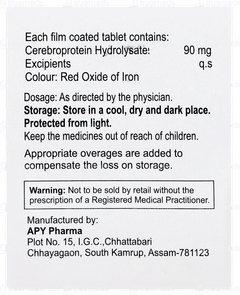
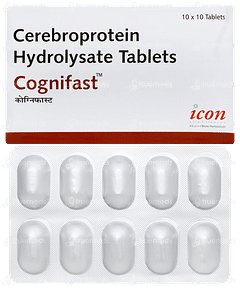
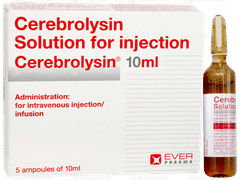
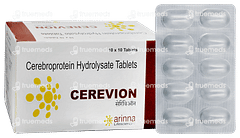
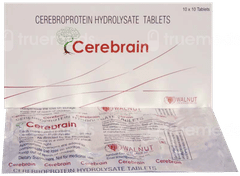
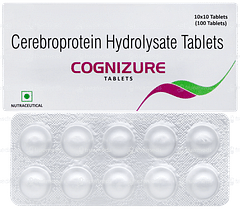
List of medicines for Cerebroprotein Hydrolysate

Company
About UsHealth ArticleHealth StoriesHealth LibraryDiseases & Health ConditionsAyurvedaUnderstanding Generic MedicinesAll MedicinesAll BrandsNeed HelpFAQSecuritySavings CalculatorAdvertise with UsSubscribe
Registered Office Address
Grievance Officer
Download Truemeds


Contact Us
Our customer representative team is available 7 days a week from 9 am - 9 pm.
v4.28.13

2026 - Truemeds | All rights reserved. Our content is for informational purposes only. See additional information.

Our Payment Partners




